What a Chow Chow’s Eye Exams Cost a Year
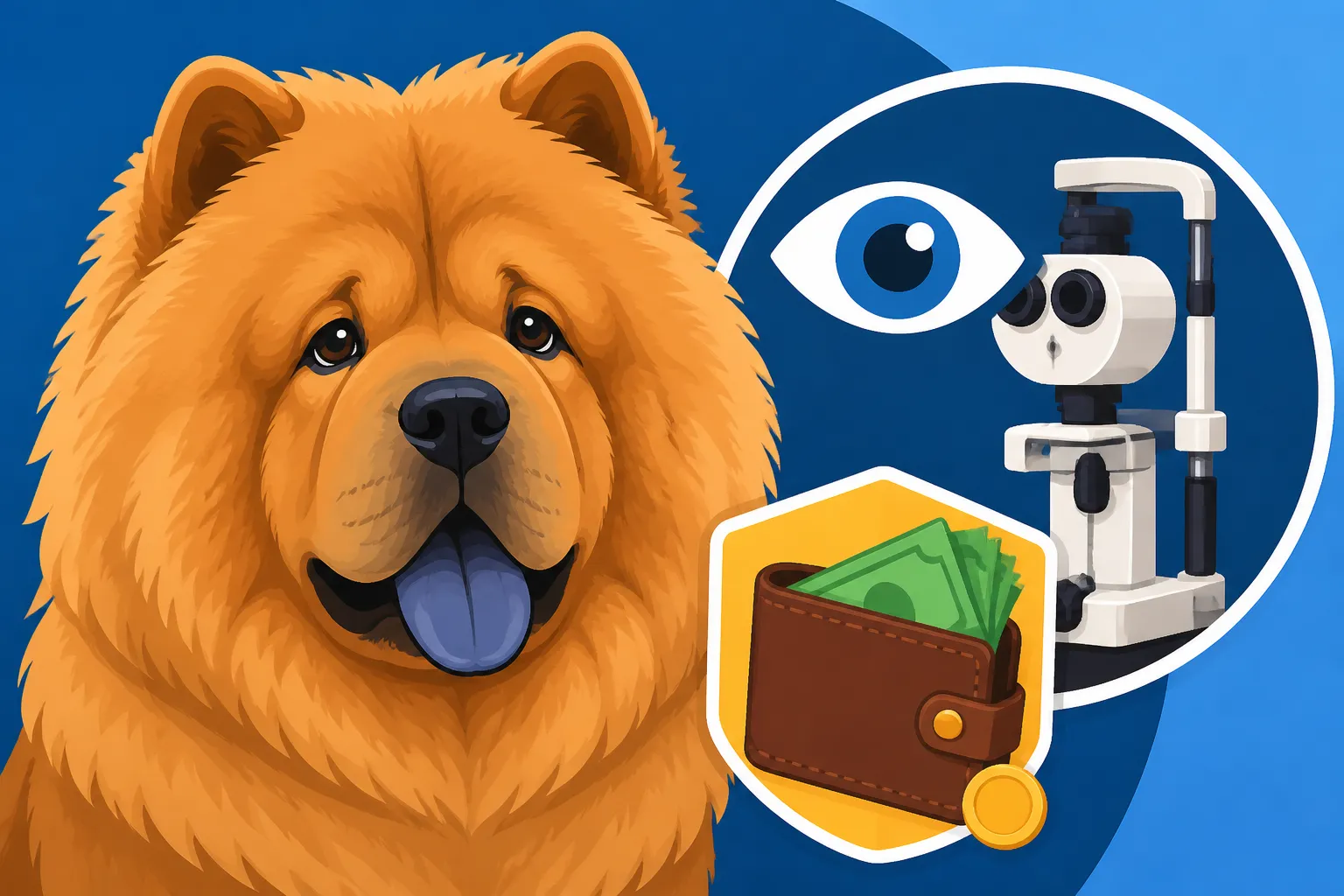
The worry that something might be wrong with your beloved Chow Chow's eyes can be truly unsettling, especially when you know their unique facial structure can make them prone to certain issues. It’s hard to know exactly what to expect when it comes to veterinary bills for eye care, from routine check-ups to more specialized concerns. This guide will walk you through the various costs associated with annual eye exams for your Chow Chow, helping you understand what to budget for and why these appointments are so crucial.
Why Your Chow Chow's Eyes Are a Top Priority
Chow Chows are majestic, stoic dogs, but their beautiful, deep-set eyes and distinctive facial features often come with a predisposition to certain ophthalmic conditions. As an owner, it’s vital to understand these unique traits so you can be proactive about their eye health. Neglecting even minor eye irritation can quickly escalate into a serious problem for this breed, leading to significant discomfort and potentially higher treatment costs down the line.
The Chow Chow's Unique Eye Structure and Challenges
One of the first things you notice about a Chow Chow is their almost "scowling" expression, largely due to their deep-set eyes and the heavy skin folds around their face. While adorable, these features can inadvertently lead to issues. For instance, the way their eyelids are structured can cause them to roll inward, a condition known as entropion. This isn't just a cosmetic concern; when the eyelid rolls in, the eyelashes and fur constantly rub against the sensitive surface of the eyeball, leading to chronic irritation. This constant rubbing can cause pain, excessive tearing, and even corneal ulcers, which are open sores on the eye's surface that can become infected. This is a common and often painful issue for the breed, making early detection through regular exams absolutely critical. You can learn more about this by reading our article, Why a Chow Chow's Eyelid Rolls Inward.
Beyond entropion, the deep-set nature of their eyes can also limit their field of vision, particularly to the sides. This isn't a direct health cost, but it's a behavioral consideration that makes them prone to startling if approached unexpectedly, which can sometimes be mistaken for aggression. Furthermore, the overall conformation of their eye can contribute to other issues like glaucoma, where pressure builds up inside the eye, threatening vision.
Common Inherited Eye Conditions in Chow Chows
Chow Chows, unfortunately, are genetically predisposed to several significant eye conditions that require vigilance and regular veterinary attention. Entropion is perhaps the most well-known, and it’s a problem that many Chow Chow owners will encounter. It can affect one or both eyes, and sometimes even require multiple surgical interventions over their lifetime. Another serious concern is glaucoma, a condition where fluid drainage from the eye is impaired, leading to a dangerous increase in intraocular pressure. This condition can progress rapidly and, if not treated immediately, can lead to irreversible blindness in a matter of days. Understanding Glaucoma Can Blind a Chow Chow in Days is crucial for any Chow Chow owner.
Beyond these, other conditions like cataracts and distichiasis (extra eyelashes growing from the eyelid margin) can also affect Chow Chows. While not always as immediately threatening as glaucoma or severe entropion, these conditions can cause discomfort, impair vision, and require ongoing management or surgical correction. Regular eye exams, especially with a board-certified veterinary ophthalmologist, are essential for identifying these inherited conditions early, allowing for timely intervention and better outcomes for your furry friend. A responsible breeder will have their breeding stock screened for many of these inherited conditions, and you can delve deeper into what genetic tests are available in What a Chow Chow Breeder Should Have Tested.
Types of Eye Exams Your Chow Chow Might Need
Understanding the different types of eye exams your Chow Chow might undergo is key to anticipating costs and ensuring they receive the appropriate care. It’s not just a quick peek into their eyes; sometimes, specialized equipment and expertise are needed to get a full picture of their ocular health.
Routine Veterinary Check-ups and General Eye Assessment
Every year, when your Chow Chow goes for their general wellness exam, their veterinarian will perform a basic visual inspection of their eyes. This routine check-up includes looking for obvious signs of irritation, redness, discharge, or changes in pupil size and reaction to light. They'll also check the eyelids for any inward rolling, which is particularly important for Chows. While this general assessment is a vital first step, it’s designed to catch overt problems. It’s usually included in the overall cost of a standard veterinary visit, but if something suspicious is noted, your vet might recommend additional, more focused tests right then and there.
During this general exam, your vet might use an ophthalmoscope to look at the structures inside the eye, like the retina. They might also check the tear production using a Schirmer tear test if dry eye is suspected, or use fluorescein stain to check for corneal abrasions or ulcers if your Chow Chow is squinting or has excessive discharge. These additional in-house tests are usually separate charges on top of the base exam fee, and they can add to the total cost. Early detection of potential issues during these routine visits means you might catch problems like developing entropion or early signs of glaucoma before they become severe, potentially saving your Chow Chow from significant pain and you from much higher costs later.
Specialized Ophthalmologist Exams and Diagnostics
If your general veterinarian spots something concerning or if your Chow Chow belongs to a high-risk category for specific eye diseases, they will likely refer you to a veterinary ophthalmologist. These specialists have advanced training and equipment to perform comprehensive eye examinations. For Chow Chows, a yearly eye examination by a board-certified veterinary ophthalmologist is highly recommended, especially if you have a puppy or an older dog, or if you're considering breeding. You can read more about the importance of annual exams in Whether a Chow Chow Needs a Yearly Eye Exam.
A specialized exam typically includes a thorough assessment of all parts of the eye, from the eyelids and cornea to the lens and retina. They might perform advanced diagnostic tests like tonometry to measure intraocular pressure (crucial for detecting glaucoma), gonioscopy to examine the drainage angle of the eye, or electroretinography (ERG) to assess retinal function. These specialized tests are more expensive than routine checks but are indispensable for an accurate diagnosis of complex conditions. For example, knowing How a Chow Chow's Eye Pressure Is Measured can help you understand why this specific test is so critical and often recommended. These appointments can involve a consultation fee for the specialist, plus individual charges for each diagnostic procedure performed.
Emergency Eye Visits
Sometimes, eye problems don’t wait for a scheduled appointment. A sudden onset of severe squinting, a visibly swollen or red eye, thick discharge, or signs of pain can indicate an ocular emergency. In such cases, a trip to your primary vet for an urgent care appointment or, if after hours, to a veterinary emergency clinic is necessary. These visits are typically more expensive than routine appointments due to the immediate nature of the care and potentially specialized staffing.
Emergency clinics often have higher base fees, and diagnostics might be expedited, which can also add to the cost. For example, if your Chow Chow suddenly develops acute glaucoma, it's a medical emergency that requires immediate intervention to save their sight. Understanding Why a Chow Chow's Glaucoma Is an Emergency highlights the critical need for rapid response, which naturally comes with a higher price tag for immediate, specialized care. Depending on the diagnosis, emergency treatment might involve immediate medication, minor procedures, or even preparation for urgent surgery. The costs can accumulate very quickly in these situations, making a strong case for preventative care and being familiar with potential signs of trouble.
Understanding the Costs of Routine Eye Care
When we talk about annual eye exams for a Chow Chow, it’s not just one fixed price. Several factors contribute to the overall cost, from the basic examination fee to specific diagnostic tests and any medications that might be prescribed. Being prepared for these varying expenses can help you budget effectively for your Chow Chow's ongoing eye health.
Initial Exam and Consultation Fees
The foundational cost for any eye care begins with the examination fee itself. For a routine check-up with your general veterinarian, this fee is typically bundled into your annual wellness visit. However, if you're seeking a specific eye exam or are referred to a veterinary ophthalmologist, you’ll encounter a separate consultation fee. A general vet check-up might range considerably, depending on your geographic location and the clinic's pricing structure.
When you see a specialist, the consultation fee will be notably higher. This covers the ophthalmologist's expert assessment and their time. It’s important to remember that this fee generally does not include any specific diagnostic tests or treatments. Think of it as the price for their highly specialized opinion and initial detailed examination. These specialist fees reflect the years of advanced training and the sophisticated equipment found in these clinics.
Diagnostic Tests: Tonometry, Stains, and More
Beyond the visual inspection, several diagnostic tests might be performed during an eye exam, each adding to the total cost. For Chow Chows, one of the most crucial tests is tonometry, which measures the pressure inside the eye. This is essential for detecting glaucoma early, especially since Chow Chows are prone to the condition. The cost for a tonometry reading can be an additional charge on top of the exam fee. Having an understanding of What a Chow Chow's Eye Pressure Check Costs can help you prepare.
Other common diagnostic tools include fluorescein staining to check for corneal ulcers or abrasions, which are very common in Chows with entropion. A Schirmer tear test might be used to assess tear production if dry eye is suspected. These tests are relatively quick and typically incur individual fees. More advanced diagnostics, such as gonioscopy (examining the eye's drainage angle) or ocular ultrasound, will be more expensive and usually performed by a specialist. Each of these tests provides vital information, and while they add to the immediate bill, they are invaluable for accurate diagnosis and effective treatment plans, potentially preventing more severe, costly problems down the line.
Medications and Preventative Treatments
If an issue is detected during an eye exam, whether it’s minor irritation or a diagnosed condition, your Chow Chow will likely be prescribed medication. The cost of these medications can vary widely depending on the type, dosage, and duration of treatment. For common issues like conjunctivitis or mild irritation, antibiotic or anti-inflammatory eye drops or ointments might be prescribed. These are generally affordable, but if your dog needs them long-term, the costs can add up.
For chronic conditions such as glaucoma, your Chow Chow might require daily eye drops for the rest of their life to manage intraocular pressure. These specialized drops can be quite expensive, and the ongoing nature of the treatment means you'll need to factor this into your long-term budget. Sometimes, medications need to be custom compounded, which also increases the price. Even seemingly simple preventative measures, like lubricating eye drops if your Chow Chow has very dry eyes or specific wipes for cleaning their facial folds, will be an ongoing expense. While a pain point, consistent use of these prescribed medications is non-negotiable for preserving your Chow Chow's comfort and vision.
The Financial Impact of Eye Conditions and Preventative Care
The reality of owning a Chow Chow is that, despite our best efforts, eye conditions can arise. The financial impact of diagnosing and treating these specific conditions can be significant, often dwarfing the cost of routine preventative care. This is where regular eye exams truly prove their worth, potentially saving you a fortune and your Chow Chow from unnecessary suffering.
Costs Associated with Entropion Diagnosis and Treatment
Entropion is probably the most common eye issue for Chow Chows, and its treatment can be a substantial expense. The initial diagnosis usually occurs during a routine exam, but confirming the severity and planning for correction often involves a specialist consultation. The definitive treatment for entropion is surgery. This isn't a minor procedure; it involves carefully reshaping the eyelid to prevent it from rolling inward.
The cost of entropion surgery can vary widely based on your location, the veterinary ophthalmologist’s fees, and whether one or both eyes need correction. Sometimes, puppies might undergo a temporary procedure called eyelid tacking, which is less expensive but may not be a permanent fix. However, the full surgical correction in an adult dog is a more involved procedure. It's not uncommon for a Chow Chow to require surgery on both eyes, and in some cases, a second surgery might even be necessary if the initial correction isn't sufficient or if the eyelid rolls in again later in life. Understanding What Entropion Surgery Costs on a Chow Chow can help you budget for this very common procedure. These costs cover anesthesia, the surgical procedure itself, post-operative medications, and follow-up visits. Without surgery, the constant irritation can lead to severe corneal ulcers, infections, and even blindness, requiring even more expensive emergency treatments.
Managing Glaucoma and Cataract Expenses
Glaucoma is another serious and potentially very expensive eye condition for Chow Chows. If diagnosed, treatment needs to start immediately to try and preserve vision. This often involves multiple types of eye drops administered several times a day, which, as mentioned, can be quite costly on an ongoing basis. In severe or unresponsive cases, surgical intervention, such as laser procedures to reduce fluid production or even removal of the affected eye (enucleation), may be necessary. The cost of these surgeries can be significant, and the emotional toll of seeing your dog lose an eye or their vision is even higher.
Cataracts, which cause clouding of the eye’s lens, can also affect Chow Chows. While not typically as urgent as glaucoma, severe cataracts can lead to blindness and significantly impact your dog's quality of life. The only effective treatment for cataracts is surgical removal and placement of an artificial lens, which is a highly specialized and expensive procedure performed by a veterinary ophthalmologist. The price includes the surgery, anesthesia, pre-operative evaluations, and post-operative care, and it is usually done on one eye at a time. Both glaucoma and cataract treatments represent some of the highest potential costs in Chow Chow eye care, underscoring the value of early detection. You can learn more about Cataracts in a Chow Chow to understand this condition better.
The Value of Preventative Care: Savings in the Long Run
While the thought of yearly eye exams and potential specialist visits might seem daunting, especially with a breed prone to eye issues, preventative care is almost always more cost-effective than treating advanced disease. Think of it this way: catching entropion when it’s mild might allow for less invasive surgery, or at least a planned procedure rather than an emergency. Diagnosing early-stage glaucoma means you have a better chance of managing it with medication and preserving your Chow Chow's vision for longer, rather than facing the high cost of emergency surgery or enucleation once the eye is already irreversibly damaged.
Regular check-ups allow your vet or ophthalmologist to monitor any subtle changes over time. They can track intraocular pressure trends, observe the progression of minor eyelid issues, or detect early signs of other conditions like Distichiasis in a Chow Chow before they cause significant pain or damage. Investing in these annual exams is an investment in your Chow Chow's long-term health, comfort, and ultimately, your financial peace of mind. It allows you to plan for potential treatments and avoid the shock of sudden, massive veterinary bills that often accompany late-stage diagnoses.
Ways to Manage and Budget for Chow Chow Eye Care Costs
Understanding the potential costs is the first step, but managing them effectively is where the real planning comes in. No one wants to compromise their beloved Chow Chow's health due to financial constraints, so exploring various options to mitigate these expenses is crucial for every owner.
Pet Insurance: A Safety Net for Eye Health
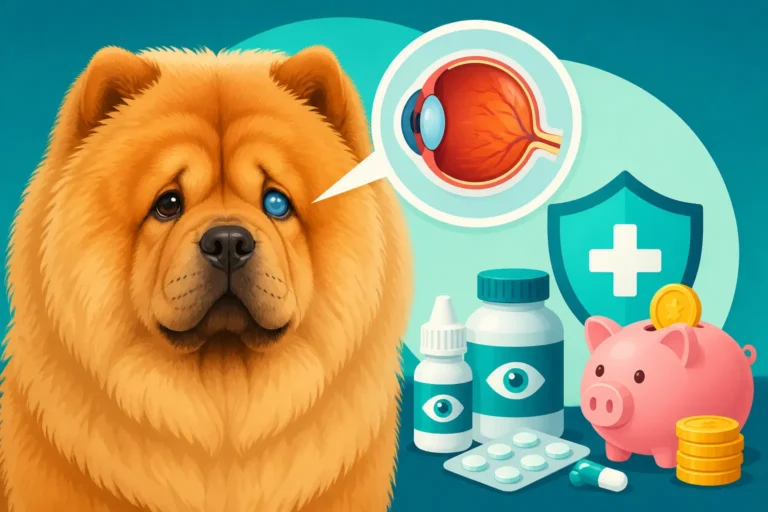
Pet insurance can be an absolute lifesaver when it comes to unexpected veterinary expenses, especially for a breed like the Chow Chow with known predispositions to conditions like entropion and glaucoma. Most comprehensive pet insurance policies will cover a percentage of diagnostic tests, treatments, and surgeries for accidents and illnesses, including many eye conditions, provided they aren't pre-existing. It's vital to enroll your Chow Chow in a pet insurance plan when they are young and healthy, before any signs of eye problems emerge, as most policies have waiting periods and do not cover pre-existing conditions.
Companies like Healthy Paws offer various plans that can help cover significant portions of specialist visits, diagnostic tests like tonometry, and expensive surgeries such as entropion repair or cataract removal. While you'll pay a monthly premium, having insurance can drastically reduce your out-of-pocket expenses if a major eye condition arises. It allows you to make medical decisions based on what’s best for your dog, rather than solely on cost. It's crucial to thoroughly research different plans, understand their coverage limits, deductibles, and reimbursement percentages, and be clear on what constitutes a pre-existing condition. Looking into Whether Insurance Covers a Chow Chow's Entropion is a smart move for any prospective or current Chow Chow owner.
Wellness Plans and Discount Programs
While pet insurance typically covers unexpected illnesses and accidents, many veterinary clinics also offer wellness plans. These plans are usually a monthly subscription service that covers routine preventative care, which can include annual physical exams, vaccinations, and sometimes even a basic eye pressure check or tear test. While they might not cover specialized ophthalmologist visits or major surgeries, they can help budget for the predictable costs of annual check-ups, which are essential for early detection of eye issues.
Additionally, some organizations or groups might offer discount programs for veterinary services, though these are less common for specialized care. It's worth asking your veterinarian if they offer any payment plans for extensive treatments, or if they partner with third-party financing options that allow you to spread out the cost of large bills over time. These options won't reduce the total cost, but they can make it more manageable by breaking it into smaller payments.
Strategic Budgeting and Supplier Choices
Even with insurance or wellness plans, you'll likely have out-of-pocket expenses. Strategic budgeting can help you prepare. Setting aside a small amount each month specifically for your Chow Chow's vet fund is a wise practice. For routine medications, such as daily eye drops for glaucoma, consider asking your veterinarian if they can write a prescription that you can fill at a human pharmacy or through a reputable online pet pharmacy. Prices for the same medication can vary significantly between veterinary clinics and external pharmacies. Reputable online pharmacies, for instance, sometimes offer competitive pricing on prescription medications, making ongoing costs more manageable. Websites like Chewy also often have pharmacy sections for prescription refills.
For non-prescription items like eye cleaning wipes or lubricating drops, comparing prices from different retailers, including large pet supply stores or online vendors, can lead to savings. You might also consider purchasing certain supplies in larger quantities if they are non-perishable and regularly used, to take advantage of bulk discounts. While not directly related to exam costs, managing these ongoing supply expenses efficiently frees up more of your budget for those all-important veterinary visits.
Annual Eye Exam Cost Breakdown Table
To give you a clearer picture of what you might expect, here’s a simplified breakdown of typical eye exam types and their associated potential costs. Please remember, these are generalized estimates, and actual prices will vary based on your location, your veterinarian's fees, and the specific needs of your Chow Chow.
| Exam Type | Purpose | Typical Provider | Common Components | Estimated Cost Range (Per Visit) |
|---|---|---|---|---|
| Routine Wellness Exam | General health check, basic eye inspection. | General Veterinarian | Physical exam, basic eye observation. | Moderate |
| Specific Ocular Check-up | Focused on an eye concern, includes initial diagnostics. | General Veterinarian | Physical exam, fluorescein stain, Schirmer tear test, tonometry. | Moderate to High |
| Specialist Ophthalmologist Consult | Comprehensive assessment by an eye specialist. | Veterinary Ophthalmologist | Detailed ocular exam, advanced diagnostics (gonioscopy, etc.). | High |
| Emergency Eye Visit | Immediate attention for acute eye injury or sudden severe condition. | General Vet / Emergency Clinic | Urgent exam, rapid diagnostics, initial treatment. | Very High |
| Follow-up Exams | Monitoring progress post-treatment/surgery. | General Vet / Ophthalmologist | Re-examination, pressure checks, medication adjustments. | Moderate |
It’s easy to look at these numbers and feel overwhelmed, but remember, investing in these exams is truly investing in the long, comfortable life of your Chow Chow. Proactive care ensures that if issues arise, they are addressed quickly and efficiently, often preventing more complicated and expensive treatments down the road.
Conclusion: Prioritizing Your Chow Chow's Vision
Caring for a Chow Chow is a commitment, and a significant part of that commitment involves safeguarding their unique health needs, especially concerning their eyes. While the potential costs associated with annual eye exams and treating conditions like entropion or glaucoma can seem substantial, they are a necessary part of responsible Chow Chow ownership. These majestic dogs rely on us to ensure their comfort and maintain their vision throughout their lives.
By understanding the types of exams they need, being aware of common conditions, and exploring options like pet insurance with providers like Healthy Paws or budgeting carefully, you can confidently provide your Chow Chow with the best possible ocular care. Remember, early detection through regular veterinary check-ups and specialized ophthalmologist exams isn't just about saving money in the long run; it's about preventing pain, preserving sight, and ensuring your beloved companion enjoys a full and happy life with clear vision.
Disclaimer
This article is for general informational purposes only and does not constitute professional advice. Laws, prices and regulations vary by location and change over time. Consult a qualified professional for guidance on your specific situation.