What a Chow Chow’s Corneal Ulcer Costs to Treat
Having a Chow Chow is a joy, but it also means being prepared for some breed-specific health challenges. Few things are more alarming than seeing your beloved Chow Chow squinting, tearing up, or holding an eye shut, only to discover they have a corneal ulcer. It's a sudden, painful issue that often sends owners scrambling, not just with worry for their dog, but also wondering what the vet bills are going to look like for treatment. This guide aims to break down the potential costs involved in treating a Chow Chow's corneal ulcer, from initial diagnosis to complex surgeries and long-term care.
Understanding Corneal Ulcers in Chow Chows and Initial Costs
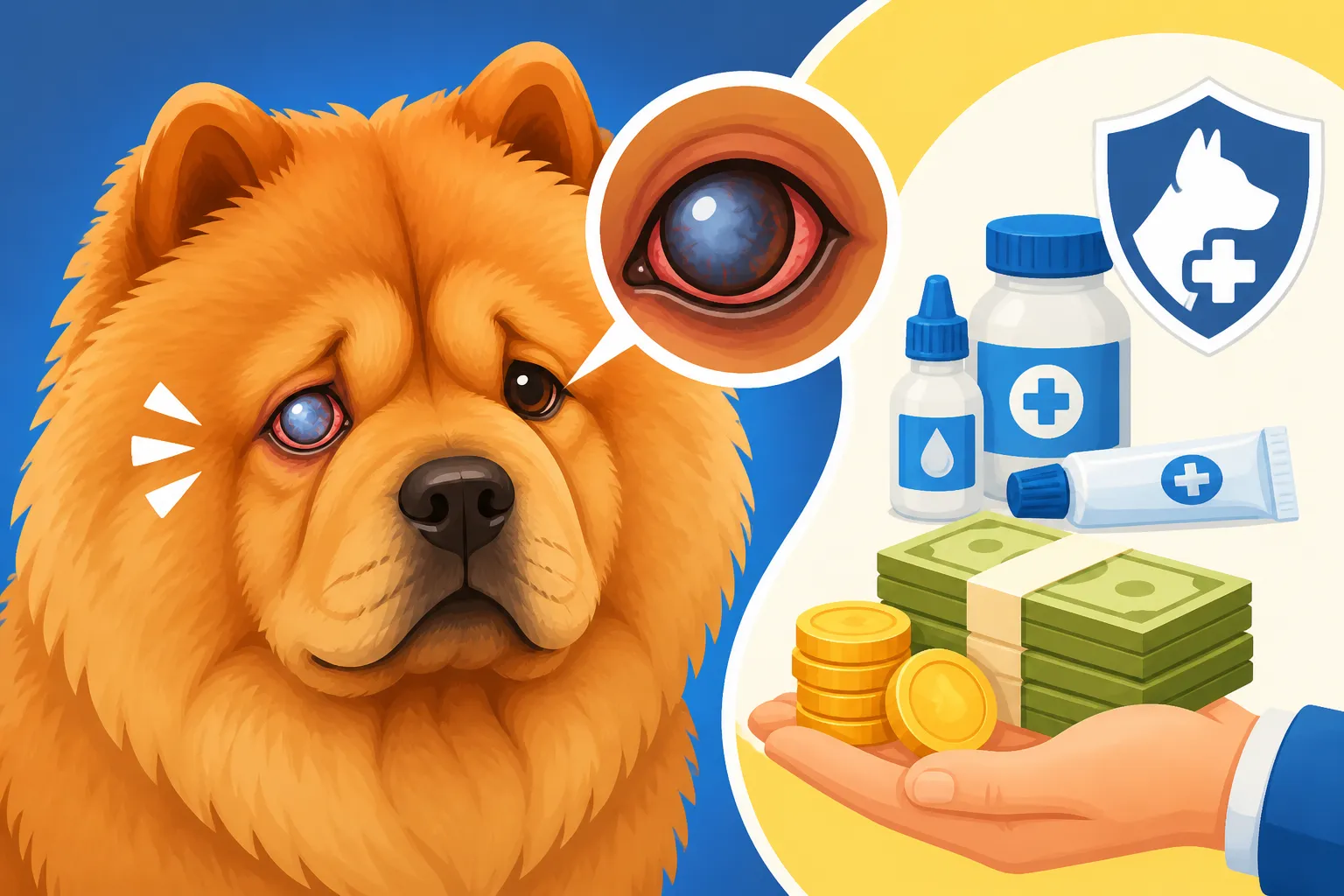
A corneal ulcer is essentially an open sore on the surface of your Chow Chow's eye. It can range from a superficial scratch to a deep, vision-threatening lesion. For our fluffy friends, especially those with their characteristic deep-set eyes and sometimes excessive facial folds, corneal ulcers can be a distressingly common problem. Their unique facial structure and genetics, particularly the predisposition to conditions like entropion, can make their eyes especially vulnerable.
The Urgency of Diagnosis and Initial Exam Fees
When you first notice your Chow Chow's eye looks off – maybe it's red, they're rubbing it, or there's an increase in discharge – it's absolutely crucial to get them to the vet immediately. A corneal ulcer is not something you can "wait and see" with; it can progress very quickly and threaten your dog's vision if not treated promptly.
Your initial visit will involve a general veterinary examination, but the real focus will be on the affected eye. The vet will perform a basic eye exam, often using an ophthalmoscope. The key diagnostic tool for an ulcer is usually a fluorescein stain test. This involves applying a special orange dye to the eye. If there's an ulcer, the dye will stick to the exposed corneal tissue, making it glow green under a blue light. It's a quick, non-invasive, and relatively inexpensive test that provides immediate answers.
The cost for this initial visit will typically include the consultation fee, which varies depending on your region and whether it's an emergency or regular appointment. If it's after hours or a weekend, expect an emergency surcharge. On top of that, there will be a separate charge for the fluorescein stain test itself, and possibly a mild topical anesthetic applied to make the eye examination more comfortable for your Chow.
Basic Medical Treatment: Eye Drops and Follow-Ups
Once an ulcer is diagnosed, the most common initial treatment plan involves a regimen of eye drops and possibly oral medications. These are designed to fight infection, reduce inflammation, and manage pain while the cornea heals.
- Antibiotic Eye Drops: These are crucial to prevent or treat bacterial infections, which can quickly complicate an ulcer. Your vet might prescribe several different types, sometimes to be administered just minutes apart.
- Pain Relief: Topical pain relievers or oral non-steroidal anti-inflammatory drugs (NSAIDs) may be prescribed to keep your Chow Chow comfortable, as ulcers can be very painful.
- Atropine Drops: Sometimes, atropine drops are used to dilate the pupil, which helps reduce painful muscle spasms within the eye, especially if the ulcer is deep. These can sting initially and make your dog sensitive to light, so keeping them in a dimly lit area is important.
- Serum Drops: In some cases, your vet might ask you to collect a blood sample, which they will then spin down to create serum drops. These natural drops contain growth factors that can help accelerate healing.
The cost of these medications can add up, especially if several types are needed and administered frequently. You might be looking at several different bottles of drops, each with its own price tag. Some prescription medications can be quite costly. You might find yourself replenishing these frequently, particularly for a large dog where dosages might be higher or if the healing takes longer than expected. You can often get these filled at your vet's office, or sometimes through online pet pharmacies, which can sometimes offer competitive pricing. Sites like Chewy, for instance, have pharmacies where you can fill prescriptions if your vet approves.
Beyond the initial medications, diligent follow-up appointments are non-negotiable. Your vet will need to re-examine the eye regularly, often every few days to a week, to monitor the ulcer's healing progression. They'll repeat the fluorescein stain test to see if the ulcer is shrinking or deepening. Each follow-up visit will incur an examination fee, plus the cost of any additional staining or tests. Missing these appointments can lead to the ulcer worsening and potentially needing more aggressive, and thus more expensive, treatments.
When Ulcers Worsen: Advanced Diagnostics and Surgical Intervention
Unfortunately, not all corneal ulcers heal with basic medical management. Sometimes, they refuse to get better, or they deepen, becoming what's known as an "indolent ulcer," or even perforate the eye, creating a true emergency. This is when the costs can escalate dramatically, requiring specialized care.
Deeper Diagnostics and Specialist Consultations
If your Chow Chow's ulcer isn't improving, or if it appears particularly deep or complicated, your general veterinarian will likely recommend a referral to a veterinary ophthalmologist – a specialist in animal eye health. This is a critical step, as these specialists have advanced equipment and expertise that a general practice might not.
A veterinary ophthalmologist will conduct a much more detailed examination of your Chow Chow's eye. This could include:
- Slit-lamp biomicroscopy: A powerful microscope that allows for a magnified view of the cornea, anterior chamber, iris, and lens to assess the depth and nature of the ulcer precisely.
- Tonometry: Measuring the eye pressure, as ulcers can sometimes be associated with or lead to secondary conditions like glaucoma, a particularly aggressive eye disease in Chows. (You can learn more about this in Glaucoma Can Blind a Chow Chow in Days.)
- Corneal cytology or culture: If infection is suspected to be severe or resistant to initial antibiotics, samples might be taken from the ulcer for laboratory analysis to identify the specific bacteria or fungi present and determine the most effective antibiotic.
The consultation fee for a veterinary ophthalmologist is typically higher than a general vet visit, reflecting their specialized training and equipment. Each of these advanced diagnostic tests will also add to the bill. This is where having pet insurance can be a huge relief. Many pet insurance providers, such as Healthy Paws, offer coverage for specialist visits and diagnostics, helping to cushion the financial blow of unexpected, high-cost care. It’s definitely something to consider for a breed like the Chow Chow, which can be prone to various eye issues.
Surgical Options and Their Costs
For ulcers that are deep, non-healing (indolent), or have perforated the cornea, surgery becomes necessary. The type of surgery depends on the severity and nature of the ulcer.
- Grid Keratotomy or Diamond Burr Debridement: These procedures are often used for indolent ulcers, which have a superficial layer of non-adherent cells preventing healing. The vet gently scratches a grid pattern on the corneal surface or uses a tiny diamond burr to remove the loose cells, creating a fresh surface for healing. These are relatively minor surgical procedures, often performed with only local anesthetic and sedation, but still involve facility and procedure fees.
- Conjunctival Flap Surgery: For deeper or perforating ulcers, a more invasive surgery might be required. In this procedure, a small flap of conjunctival tissue (the pink membrane lining the inside of the eyelids) is carefully sutured over the ulcer. This flap acts like a "biological bandage," providing blood supply, healing factors, and structural support to the damaged cornea. It's a delicate procedure requiring general anesthesia and microscopic precision.
- Corneal Grafting/Transplant: In very severe cases, particularly if there's significant tissue loss or perforation, a corneal graft might be needed, using donor tissue or synthetic materials. These are highly specialized and expensive procedures.
The costs associated with surgical intervention are significantly higher than medical treatment. They encompass:
- Pre-surgical bloodwork: To ensure your Chow Chow is healthy enough for anesthesia.
- Anesthesia fees: Based on the duration of the procedure and monitoring required. Given that Whether a Chow Chow Tolerates Anesthesia can be a concern, careful monitoring is paramount.
- Surgeon's fees: Reflecting the ophthalmologist's expertise and the complexity of the surgery.
- Facility fees: For the use of the surgical suite and equipment.
- Post-operative medications: This will include stronger pain relievers, antibiotics, and anti-inflammatory eye drops to aid recovery and prevent infection.
- E-collar (Elizabethan collar): Absolutely essential to prevent your Chow from scratching or rubbing the healing eye, which could undo the surgery or cause further damage. You can find a range of comfortable E-collars and recovery suits on sites like Chewy.
- Follow-up recheck appointments: Numerous post-surgical checks are needed to ensure proper healing and address any complications.
| Treatment Type | Description | Typical Costs Included |
|---|---|---|
| Initial Visit | General vet exam, fluorescein stain test, diagnosis | Consultation fee, staining kit, topical anesthetic |
| Medical Management | Eye drops (antibiotic, pain, atropine), oral meds, follow-up exams | Prescription costs (per bottle), recheck exam fees |
| Specialist Referral | Ophthalmologist consultation, advanced diagnostics | Specialist consultation, slit-lamp exam, tonometry, cytology/culture |
| Minor Surgery | Grid keratotomy, diamond burr debridement (for indolent ulcers) | Anesthesia/sedation, surgical procedure fee, post-op meds, E-collar |
| Major Surgery | Conjunctival flap, corneal graft (for deep/perforating ulcers) | Pre-surgical bloodwork, general anesthesia, surgeon's fee, facility fee, post-op meds, E-collar, multiple rechecks |
Long-Term Management and Prevention Strategies
Even after successful treatment, managing a Chow Chow's corneal ulcer doesn't always end there. The underlying predispositions for the breed mean you might be dealing with ongoing care or preventative measures.
Managing Recurring Ulcers and Chronic Eye Issues
Unfortunately, for some Chow Chows, corneal ulcers can become a recurring nightmare. If the underlying cause, such as entropion (where the eyelid rolls inward, causing eyelashes to rub on the cornea), isn't fully corrected, the problem will likely return. Whether a Chow Chow's Entropion Comes Back is a real concern that many owners face.
The costs of managing recurrent ulcers can quickly become substantial. Each recurrence means another round of vet visits, diagnostic tests, medications, and potentially repeat surgical procedures. This can take a significant toll not only on your wallet but also on your Chow Chow's comfort and quality of life. Owners often feel a deep sense of frustration and helplessness when faced with chronic issues.
It's vital to have an open conversation with your veterinary ophthalmologist about long-term strategies. This might include:
- Definitive entropion surgery: If entropion is the root cause, surgical correction to permanently fix the eyelid position is often the best investment to prevent future ulcers. You can learn more about this in How Entropion Is Repaired in a Chow Chow.
- Regular preventive eye care: Even after recovery, maintaining meticulous eye hygiene is important. This might involve daily wiping around the eyes with a sterile solution to remove debris or irritants. Teaching a Chow Chow to Have Its Eyes Wiped can be a valuable skill for your dog to learn.
- Ongoing medication: Some Chows might need certain lubricating eye drops or other medications long-term to keep their eyes healthy and moist, especially if they have chronic dry eye, which can also contribute to ulcers.
Proactive Care and Prevention
Prevention is always better than cure, especially when it comes to the painful and expensive prospect of corneal ulcers. Understanding your Chow Chow's unique anatomy and taking proactive steps can significantly reduce their risk.
- Regular Veterinary Check-ups: Ensure your Chow Chow receives yearly wellness exams. During these visits, your vet can thoroughly check their eyes, looking for early signs of problems like entropion or other irritations that could lead to ulcers. Whether a Chow Chow Needs a Yearly Eye Exam is a question many owners ponder, and for a Chow, it's a resounding yes.
- Addressing Entropion Early: If your Chow Chow puppy shows signs of entropion, such as excessive tearing, squinting, or holding an eye partially closed, discuss corrective measures with your vet. Temporary eyelid tacking might be an option for puppies to help them grow into their skin, or permanent surgery may be recommended for adults. Early intervention can prevent a lifetime of pain and ulcers. Check out Signs a Chow Chow Has Entropion for more information.
- Environmental Management: Be mindful of your Chow Chow's environment. Avoid dusty areas, strong winds, or anything that could irritate their eyes. Keep their fur around their eyes trimmed short (carefully!) to prevent hairs from poking the cornea.
- Nutrition and Overall Health: While diet isn't a direct preventative for corneal ulcers, a healthy, balanced diet supports overall immune function and tissue health. Considering high-quality food options, such as those offered by Ollie, can contribute to your Chow Chow's general well-being, which in turn helps their body heal and resist infection. Good nutrition and a healthy weight can also help manage other breed-specific issues like Elbow Dysplasia Ranks the Chow Chow Near the Top, making overall care a more integrated approach.
- Pet Insurance: As mentioned, pet insurance can be a game-changer for unexpected health issues, especially for a breed with known predispositions like Chow Chows. Policies from providers like Healthy Paws can significantly offset the costs of emergency visits, specialist consultations, medications, and surgeries, giving you peace of mind to make the best decisions for your pet's health without financial stress. It's especially useful when considering expensive procedures like What Removing a Chow Chow's Eye Costs in worst-case scenarios for eye diseases.
Understanding the potential costs and having a plan in place, whether through savings or pet insurance, can make a huge difference if your Chow Chow ever faces the challenge of a corneal ulcer. It's a testament to our love for them that we're willing to go these lengths, and being informed is the first step.
Disclaimer
This article is for general informational purposes only and does not constitute professional advice. Laws, prices and regulations vary by location and change over time. Consult a qualified professional for guidance on your specific situation.