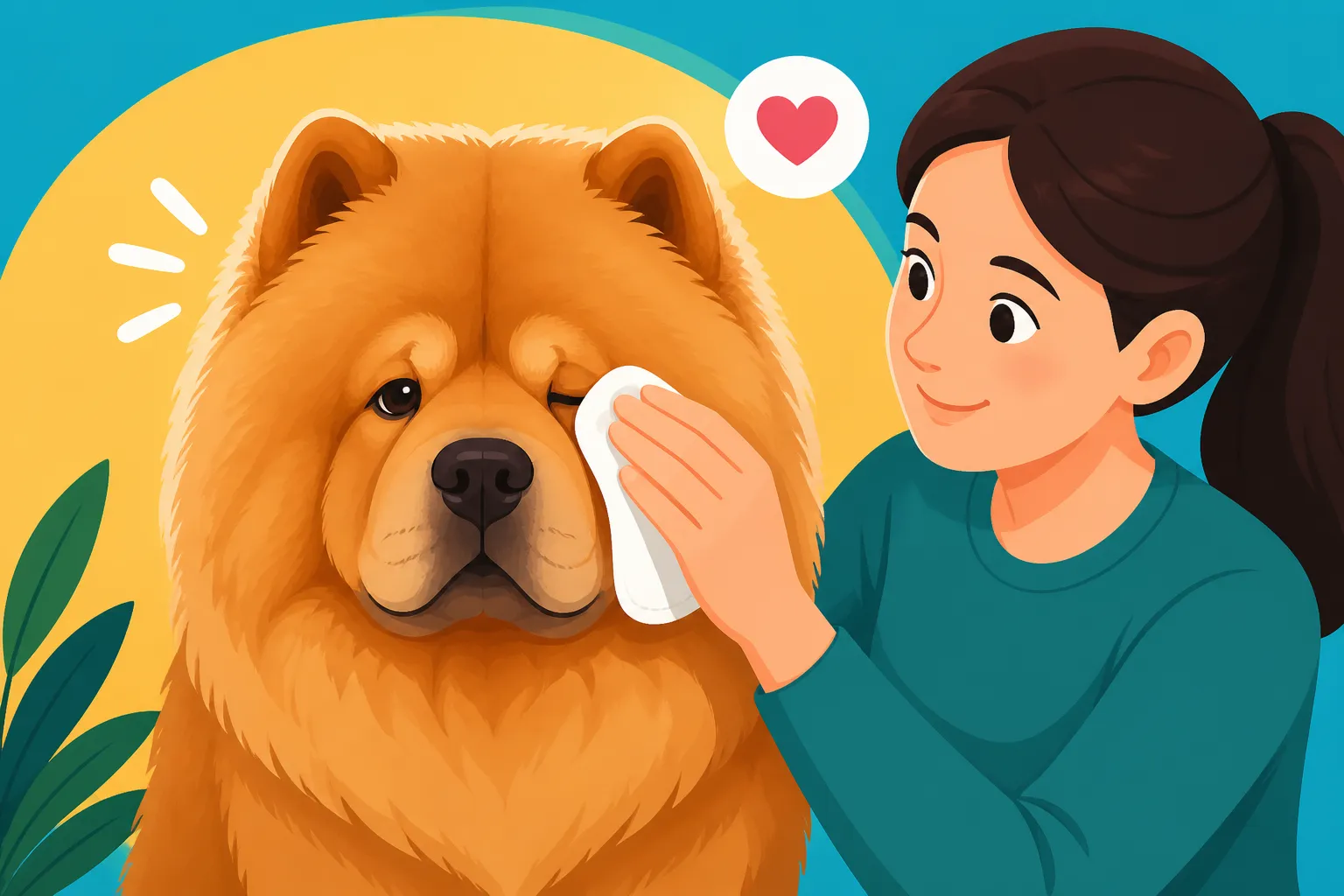
Teaching a Chow Chow to Have Its Eyes Wiped
One of the trickiest parts of caring for a Chow Chow is often the necessary tasks that involve handling their sensitive areas, and wiping their eyes is definitely at the top of that list. Their thick ruff, deep-set eyes, and naturally reserved nature can make this routine act feel like an impossible mission, leading to frustration for both you and your beloved companion. This guide will walk you through a gentle, patient, and effective approach to teaching your Chow Chow to calmly accept having their eyes wiped, turning a chore into a positive bonding experience.
Understanding Why Eye Wiping is Such a Challenge for Chow Chows
Let's be honest, trying to get anything close to a Chow Chow's face, especially their eyes, can feel like you're trying to tame a miniature, fluffy lion. It’s not just their famous aloofness at play; there are very real, physical reasons why this task presents a unique set of difficulties for our Chows. Understanding these challenges is the first step toward empathy and developing a successful strategy.
The Chow Chow's Unique Anatomy and Sensitivity
Chow Chows possess a distinct anatomical structure that makes their eye area particularly sensitive and somewhat challenging to access. Their deep-set eyes are one of their most defining features, contributing to that thoughtful, almost scowling expression we adore. However, this depth means the eyes are tucked away, often partially obscured by surrounding facial folds and their dense, luxurious ruff. This physical setup makes it hard for us to get a clear, unobstructed path to wipe away debris or discharge without feeling like we're poking around. If you've ever wondered about their field of vision, you might find Why a Chow Chow's Deep Set Eye Limits Its Vision to be an illuminating read.
Beyond the physical obstruction, the skin around a Chow Chow's eyes and on their face is often quite delicate. Many Chows, especially puppies, can have soft, wrinkly skin on their muzzle and around their eyes. This area is not only sensitive to touch but can also harbor moisture and debris, leading to irritation if not cleaned regularly. Their thick double coat, while beautiful, also means that any discharge or tears can easily get trapped in the fur, creating mats and an ideal environment for bacterial growth. This can lead to uncomfortable conditions like those detailed in What Entropion Does to a Chow Chow's Eye, making regular cleaning essential. Their inherent wariness of intrusion, particularly around their face and head, amplifies this challenge. They are not typically a breed that enjoys being fussed over or having their personal space invaded, and a finger or wipe approaching their eye can trigger a strong, natural defensive reaction.
The Importance of Early Desensitization and Positive Association
Given these natural predispositions, it becomes incredibly clear why early desensitization and positive association are not just helpful, but absolutely critical for Chow Chows when it comes to any handling, especially eye care. If you wait until a problem arises, like excessive tearing or an infection, your Chow Chow will associate the uncomfortable procedure with the already unpleasant sensation, making future attempts even more difficult and potentially reinforcing their resistance. Starting when they are puppies, even before their adult coat fully develops, helps them learn that gentle handling around their face is normal, safe, and even leads to good things.
Without this early training, daily care like eye wiping can become a stressful battle for both of you. Neglecting eye hygiene can lead to matted fur around the eyes, skin irritation, and even infections, which will invariably require veterinary attention and more intrusive handling. Imagine trying to administer eye drops or ointment to a Chow Chow that has never learned to tolerate even a gentle wipe – it becomes a nightmare scenario that can erode trust and cause unnecessary distress. By investing the time in positive desensitization now, you are building a foundation of trust and cooperation that will benefit your Chow Chow's health and your relationship for years to come. Think of it as a crucial part of their overall socialization, just like considering How Many People a Chow Chow Puppy Should Meet.
Essential Tools and Creating a Positive Environment
Setting yourself up for success starts long before you even touch your Chow Chow's face with a wipe. Having the right tools at hand and establishing a calm, positive atmosphere can make all the difference in turning a potentially stressful encounter into a manageable, even pleasant, routine. Don't underestimate the power of preparation; it’s half the battle won when dealing with a Chow Chow's unique personality.
Gathering Your Eye-Wiping Arsenal
First things first: gather everything you need before you even call your Chow Chow over. There's nothing worse than fumbling around for supplies while your dog's patience, which is often limited in this breed anyway, is quickly running out. You'll want to choose a gentle, safe cleaning agent. Many vets recommend a sterile saline solution, often the same kind used for human contact lenses, or simply plain warm water. There are also many commercially available eye wipes specifically formulated for dogs, which can be convenient. Just ensure they are alcohol-free and fragrance-free to avoid irritation. You can find a wide selection of these, along with grooming tools, on platforms like Amazon.
As for the applicator, cotton balls or soft gauze pads work well for warm water or saline. If you choose pre-moistened wipes, ensure they are soft and not scratchy. Crucially, you'll need high-value treats – and I mean high-value. Think tiny pieces of cooked chicken, cheese, or specialized training treats that your Chow Chow absolutely adores. These need to be small enough to be swallowed quickly without much chewing, keeping the session moving and focused on the reward. Lastly, consider a non-slip mat or even a dedicated grooming table. A stable surface at your height makes the process easier for you and can make your Chow Chow feel more secure. This is also why many owners eventually choose to use a grooming table, as discussed in Whether a Chow Chow Should Be Groomed on a Table.
Setting the Scene for Success
Once you have your supplies, the next step is to create an environment conducive to a calm and positive experience. Choose a time when your Chow Chow is relaxed, perhaps after a short walk or a quiet nap, not when they're full of energy or distracted by mealtime. A quiet room, free from other pets, children, or loud noises, is ideal. You want their full attention, or at least for them to feel secure enough to relax.
Your demeanor is paramount. If you're stressed, hurried, or anxious, your Chow Chow will pick up on that energy immediately and become wary. Take a deep breath, speak in a soft, encouraging tone, and move slowly and deliberately. Keep the sessions incredibly short, especially in the beginning. We're talking 10-20 seconds max for actual interaction with the eye area. The goal is frequency, not duration. Multiple short, positive sessions throughout the day or week are far more effective than one long, frustrating ordeal. This builds a history of positive interactions, minimizing the chance of developing a negative association with How Long a Chow Chow Remembers a Bad Session. Remember, consistency and patience are your best friends in this journey.
A Step-by-Step Guide to Desensitizing Your Chow Chow to Eye Wiping
Now that you're prepared and have a positive environment set, it's time to actually start the training. This isn't a race; it's a marathon of tiny, positive steps. Each phase builds upon the last, ensuring your Chow Chow feels comfortable and secure at every stage before moving forward. Remember, a Chow Chow’s trust is earned slowly and carefully, especially when it comes to sensitive areas like their eyes.
Phase 1: Touch and Treat – Building Trust
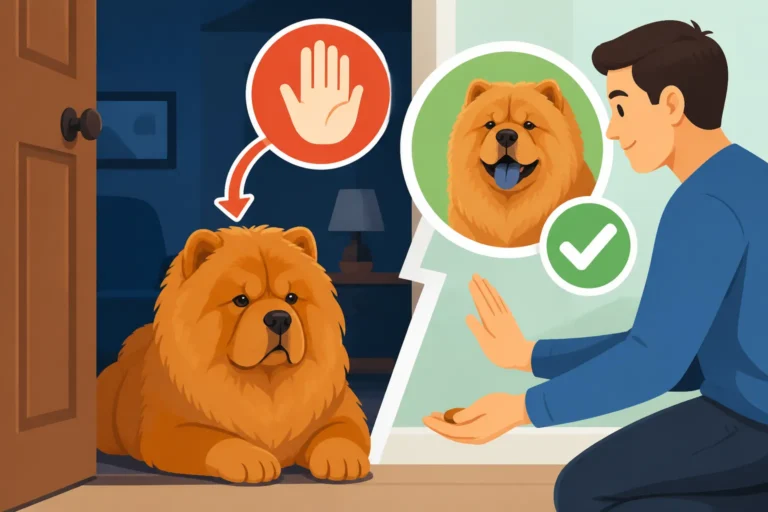
This initial phase is all about teaching your Chow Chow that human hands near their face are not a threat, but a source of good things. Start by simply touching their head and face in a non-threatening way – maybe their forehead or the top of their head, areas they typically tolerate well. As soon as you touch them, immediately offer a high-value treat and verbal praise ("Good boy/girl!"). Repeat this several times, keeping the touches brief and gentle. The key is to create an immediate positive association: touch = treat.
Once they're comfortable with general head touches, gradually move your hand closer to the eye area. Don't aim directly for the eyes yet. Perhaps touch their cheek, then just under their eye, then the top of their muzzle. Always pair the touch with a treat. If your Chow Chow pulls away or shows any signs of discomfort, stop, wait for them to relax, and try again with a less intrusive touch, making sure the treat delivery is swift. Never force the interaction. Building this foundation of trust can take days or even weeks, but it's crucial. Pay attention to any slight aversion, such as when your Chow Chow Why a Chow Chow Backs Away From a Hand; these are cues to slow down.
Phase 2: Introducing the Wipe – Gentle Contact
Once your Chow Chow is consistently comfortable with your hands touching all around their eye area, it's time to introduce the actual wipe or cotton pad. Start by simply holding the dry wipe in your hand and showing it to them, then immediately giving a treat. You're teaching them that the object itself is also harmless and signals good things. Next, very lightly touch the dry wipe to their forehead, then treat. Repeat this, gradually moving closer to the eye area, just as you did with your hand.
Once they tolerate the dry wipe touching their face, moisten the wipe with saline or warm water. Again, start with a light touch to the forehead or cheek, then treat. The dampness is a new sensation, so go slow. The goal here is still just gentle contact near the eye, not actual wiping. Briefly touch the moist wipe to the fur just beside their eye, then immediately reward. Build up the duration of the touch by fractions of a second. If they accept it for a fleeting moment, that's a huge victory worthy of a treat party!
Phase 3: The Full Wipe – Short, Sweet, and Rewarding
You've built a strong foundation, and now it's time for the actual task. With your Chow Chow relaxed and receptive, gently approach their eye with the moist wipe. Use a very soft, outward stroke, moving from the inner corner of the eye towards the outer corner, gently cleaning any discharge or debris. Perform one quick, gentle swipe per eye, then immediately remove the wipe, deliver a jackpot of treats, and offer lots of enthusiastic praise. The first few times, even if you don't get every speck of discharge, consider it a success. The priority is the positive experience.
Remember to keep these "full wipe" sessions incredibly brief initially. As your Chow Chow becomes more accepting, you can gradually increase the number of strokes or the thoroughness of the cleaning, but always gauge their comfort level. If you notice any discharge that seems persistent or unusual, it’s always a good idea to consult your veterinarian, as sometimes What a Chow Chow's Eye Discharge Should Be Watched can indicate an underlying issue. The more consistently positive you make these sessions, the more your Chow Chow will associate eye wiping with treats and praise, making it a much smoother part of your daily routine.
Common Pitfalls and Troubleshooting
Even with the best intentions and a solid plan, training a Chow Chow is rarely a straight line to success. There will be days when it feels like you're taking two steps back, or when your Chow Chow decides they're simply not in the mood. Understanding common pitfalls and knowing how to troubleshoot them will save you a lot of frustration and help you maintain that crucial bond of trust with your furry companion.
When Your Chow Chow Says "No": Reading Body Language
Chow Chows are notoriously subtle in their communication, often giving very little warning before they decide they've had enough. This is why reading their body language is absolutely essential, especially during handling. Subtle signs of discomfort might include lip licking, yawning (when not tired), turning their head away, tensing their body, or freezing. More overt signals could be a low growl, a stiff posture, or a direct attempt to move away. Learning to identify Signs a Chow Chow Is Uncomfortable can prevent an escalation of stress or a potential snap.
If you observe any of these "no" signals, immediately stop what you're doing. There's no benefit in pushing through, as it will only erode trust and make future sessions harder. When they tell you "no," respect it. Take a break, reset, and approach again later or another day with a less intense version of the exercise. Perhaps just touch their head and give a treat, skipping the wipe altogether. The goal is to always end on a positive note, even if it means doing less than you had hoped. Remember, forcing a Chow Chow to tolerate something they dislike, as discussed in Whether Forcing a Chow Chow to Greet Backfires, can have long-term negative consequences for your relationship.
Consistency, Patience, and Professional Help
The biggest "secret" to training a Chow Chow is relentless consistency and endless patience. It's not about big breakthroughs; it's about the accumulation of hundreds of tiny, positive experiences. Daily, short sessions, even if it's just a quick touch-and-treat, reinforce the positive association. Skipping days or weeks can make it feel like you're starting from scratch, because Chows are smart and they learn habits, good or bad, through repetition. If you are struggling with their overall acceptance of vet visits or handling, you might want to look into Why a Chow Chow Fails at the Vet Without Practice.
If you've been consistent, patient, and are still hitting a wall, or if your Chow Chow shows significant aggression or fear around handling, it's absolutely okay – and encouraged – to seek professional help. A certified professional dog trainer specializing in positive reinforcement can provide hands-on guidance, help you fine-tune your technique, and offer solutions tailored to your Chow Chow's specific temperament. Online training programs, such as those offered by BAXTER & Bella, can also provide structured lessons and community support for desensitization training. Additionally, if there's any pain or medical reason for their resistance, your veterinarian can rule out underlying issues that might be contributing to their discomfort. Never hesitate to enlist the help of experts to ensure your Chow Chow's well-being and your peace of mind.
| Good Eye Wiping Practices | Bad Eye Wiping Practices |
|---|---|
| Preparation: All tools ready before starting | Lack of Preparation: Fumbling for wipes, treats, etc. |
| Environment: Quiet, calm, distraction-free | Environment: Noisy, busy, stressful |
| Demeanor: Calm, patient, positive handler | Demeanor: Rushed, anxious, frustrated handler |
| Sessions: Short (10-30 seconds), frequent | Sessions: Long, infrequent, trying to get it all done |
| Reinforcement: High-value treats, verbal praise, immediate reward | Reinforcement: No reward, delayed reward, low-value treats |
| Pacing: Gradual progression, tiny steps | Pacing: Rushing, forcing, skipping steps |
| Cues: Reading body language, stopping at "no" | Cues: Ignoring signs of stress, pushing through discomfort |
| Tools: Gentle wipes/solution, soft applicators | Tools: Harsh chemicals, rough cloths, irritating products |
| Consistency: Daily short practice sessions | Consistency: Sporadic attempts, only when necessary |
Disclaimer
This article is for general informational purposes only and does not constitute professional advice. Laws, prices and regulations vary by location and change over time. Consult a qualified professional for guidance on your specific situation.