Whether a Chow Chow Needs a Fear Free Practice
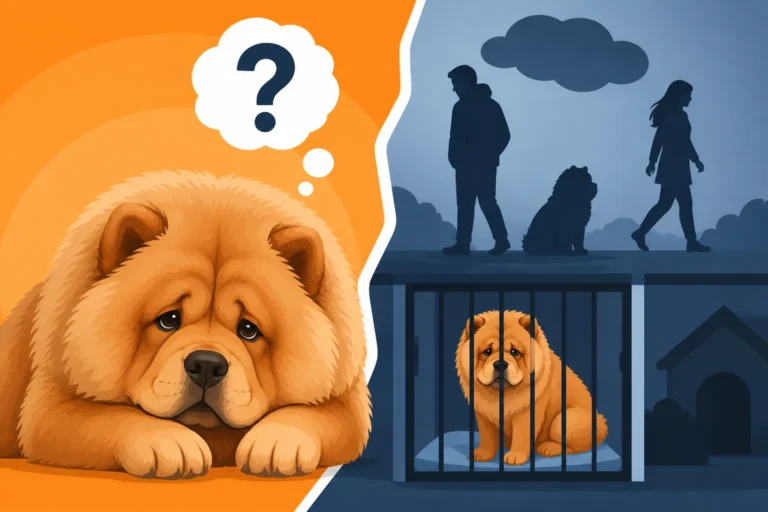
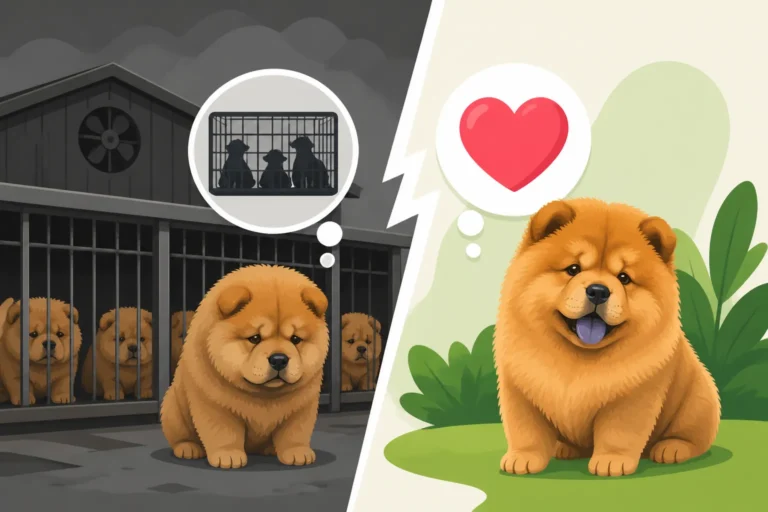
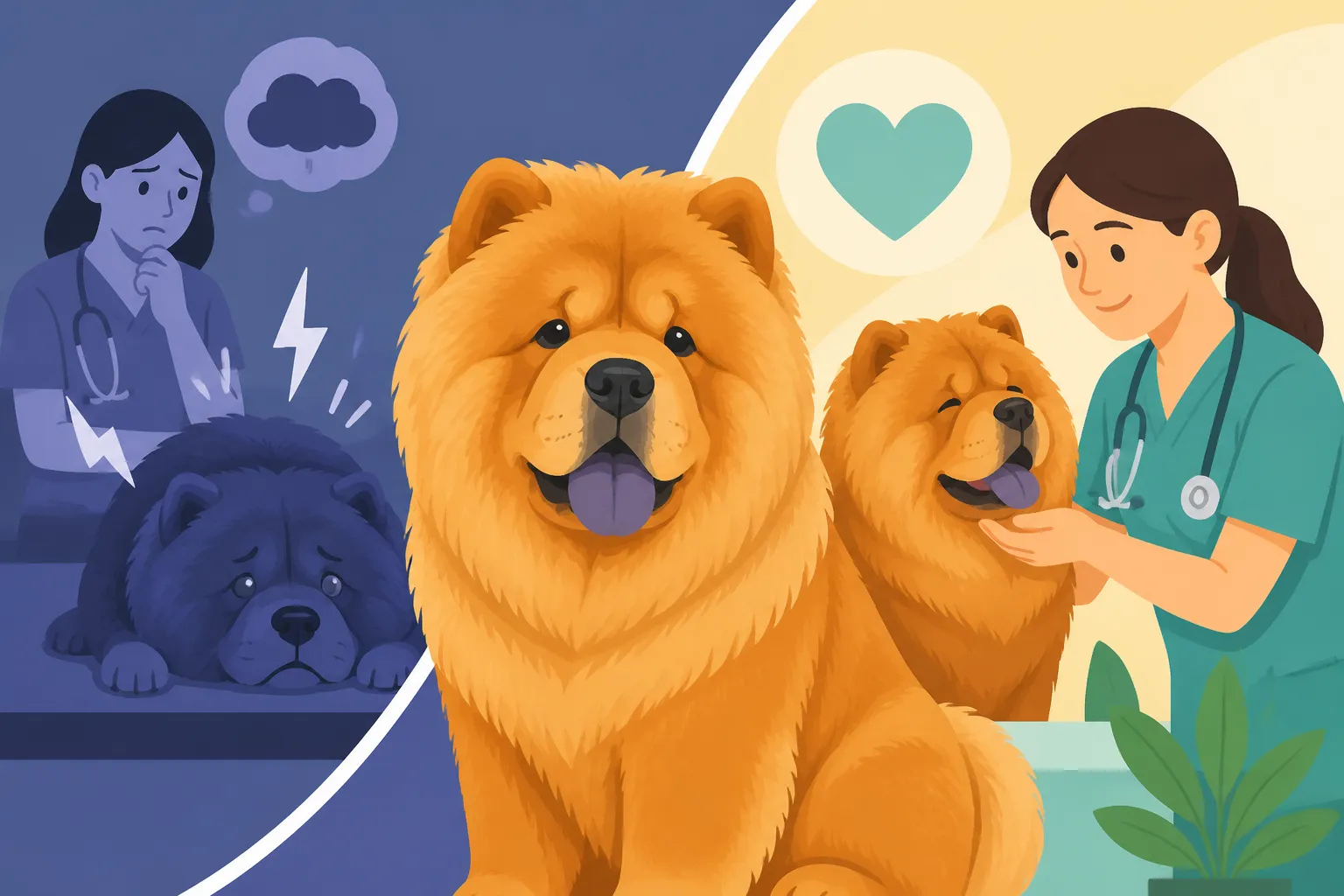
Bringing your Chow Chow to the vet can often feel less like a routine visit and more like a high-stakes negotiation, filled with stress for both you and your furry companion. Their naturally reserved demeanor, dense coat, and deep-set eyes present unique challenges in a veterinary setting, making standard handling techniques often counterproductive. This guide delves into why a Fear Free veterinary practice isn't just a luxury, but often a necessity for a Chow Chow, helping to transform stressful appointments into more positive and manageable experiences.
Understanding the Chow Chow's Unique Challenges at the Vet
Chow Chows are magnificent dogs, known for their lion-like mane, distinctive blue-black tongue, and regal, often aloof, personality. While these traits make them captivating companions, they also contribute to a specific set of challenges when it comes to veterinary care. What might be a simple check-up for another breed can become a significant source of anxiety and potential behavioral issues for a Chow Chow. It’s not about them being "bad dogs"; it's about their inherent nature colliding with the often overwhelming environment of a clinic.
The Stoic Nature and Limited Vision
One of the Chow Chow's most defining characteristics is their stoicism. They are masters at masking discomfort and pain, a trait that harkens back to their ancient origins where showing weakness could mean vulnerability. This deeply ingrained stoicism, while making them appear tough, can be incredibly problematic in a medical context. A Chow Chow might be experiencing significant pain or illness without displaying overt signs, leaving owners and even veterinarians struggling to identify issues until they've progressed considerably. This often means that by the time a Chow Chow finally shows symptoms, the underlying problem can be more advanced and require more intensive intervention. How a Chow Chow Hides Pain
Compounding this stoicism is their unique facial structure. Those beautiful, deep-set eyes, combined with a profuse "ruff" or mane, can actually limit their peripheral vision. Imagine navigating a busy, unfamiliar environment when you can't easily see what's approaching from your sides or behind you. This limited field of vision means that sudden movements or unexpected approaches from veterinary staff can startle a Chow Chow, leading to defensive reactions. They might snap or growl not out of aggression, but from surprise and a feeling of being cornered. It's a primal instinct to protect themselves when they perceive a threat they couldn't anticipate. Understanding this visual limitation is key to a compassionate approach. Why a Chow Chow Snaps at Someone It Did Not See
Handling Sensitivities and Grooming Aversions
Chow Chows are not typically dogs who revel in being touched by strangers, and many even have clear preferences about who handles them within their own family. Their independence means they often view extensive physical handling as an intrusion rather than an act of affection or care. In a veterinary setting, this natural aversion becomes magnified. A routine physical exam requires a vet to touch sensitive areas, check ears and teeth, palpate the abdomen, and manipulate joints – all actions that can feel invasive to a Chow Chow who isn't comfortable with such close contact. This is particularly true for areas like their paws, hindquarters, and ears, which many Chows are notoriously protective of.
The dense double coat of a Chow Chow, while beautiful, also makes thorough examination a challenge. It can hide skin issues, lumps, and even changes in body condition, requiring a vet to part the fur and get hands-on. If a Chow Chow isn't accustomed to this level of scrutiny, resistance is almost guaranteed. This aversion to handling often extends to grooming at home, making necessary tasks like brushing and nail trims a battle. If they haven't been meticulously desensitized to these procedures from puppyhood, a vet visit requiring similar handling can quickly escalate into a stressful ordeal for everyone involved. Teaching a Chow Chow to Accept Being Groomed
The Impact of Stress on Physical Health
It's easy to dismiss a dog's anxiety at the vet as "just behavioral," but for a Chow Chow, the physiological impact of stress can be profound and detrimental to their overall health. When a dog experiences fear or anxiety, their body releases stress hormones like cortisol and adrenaline. This "fight or flight" response elevates heart rate, blood pressure, and respiratory rate. While helpful in a true emergency, prolonged or repeated stress can have a cascade of negative effects on their health, especially for a breed prone to certain conditions.
For a Chow Chow who might already be ill or recovering from an injury, this additional stress can hinder healing, suppress the immune system, and even alter bloodwork results, making accurate diagnosis and treatment more difficult. Imagine trying to get a clear blood pressure reading or a reliable temperature from a dog who is panting, trembling, and trying to escape. The stress can make minor procedures more complicated and even increase the risks associated with anesthesia if a dog is too agitated. This is why minimizing fear and anxiety isn't just about comfort; it's about ensuring the best possible medical outcomes for your Chow Chow. Whether a Chow Chow Tolerates Anesthesia
What a Fear Free Practice Offers for Your Chow Chow
Given the inherent challenges of bringing a Chow Chow to the vet, the Fear Free approach offers a beacon of hope for improving their veterinary experiences. It's not just a buzzword; it's a philosophy and a set of protocols designed to reduce fear, anxiety, and stress (FAS) in pets, creating a more positive and cooperative environment for care. For a breed as sensitive and particular as the Chow Chow, these practices can make all the difference in their willingness to receive necessary medical attention.
Creating a Low-Stress Environment
One of the foundational elements of a Fear Free practice is the intentional design of the physical environment. They understand that a typical vet clinic, with its strange smells, loud noises, and other anxious animals, can be overwhelming. For a Chow Chow, whose limited vision already makes new places daunting, these environmental modifications are critical. Fear Free clinics often feature separate waiting areas for dogs and cats, or even allow dogs to wait in the car until it's their turn, minimizing exposure to other stressed animals.
You might find calming pheromone diffusers, often plugged in discreetly, emitting scents designed to soothe dogs. Non-slip mats are frequently used on examination tables and floors, preventing nervous slipping which can make a dog feel even more vulnerable. Examination rooms are often designed to be quiet, with softer lighting, and may even have music specifically calibrated to relax animals. These details, though seemingly small, contribute to a significantly less intimidating atmosphere for your Chow Chow, allowing them to feel more secure and less threatened from the moment they walk (or are carried) through the door.
Gentle Handling Techniques and Cooperative Care
At the heart of the Fear Free philosophy is a commitment to gentle handling and cooperative care. This means moving away from traditional "restraint at all costs" methods and towards approaches that minimize force and maximize comfort. Veterinary staff in Fear Free practices are specially trained to recognize the subtle signs of fear, anxiety, and stress in dogs – from lip licking and yawning to averted gazes and stiff body language. How to Read a Chow Chow's Face They use this knowledge to adjust their approach, rather than pushing through resistance.
Instead of wrestling a Chow Chow onto a table, staff might use treats and positive reinforcement to encourage them to step up voluntarily or examine them on the floor if they are more comfortable there. They employ "least invasive, minimally disruptive" techniques, meaning they'll try to get necessary information or perform procedures with as little physical intervention as possible. Cooperative care also involves giving the dog choices, when possible, allowing them to participate in their own care. This can include training your Chow Chow to voluntarily wear a muzzle for certain procedures or to allow their paws to be touched without struggle. When a Chow Chow feels they have some agency, their stress levels plummet, making the experience far more positive for everyone. Whether a Chow Chow Should Be Muzzle Trained Early
Sedation and Anti-Anxiety Medications When Needed
Sometimes, despite the best environmental and handling efforts, a Chow Chow's anxiety is simply too high, or a procedure is too uncomfortable or invasive to be completed without chemical intervention. Fear Free practices embrace the use of pre-visit pharmaceuticals (PVPs) and in-clinic sedation as compassionate tools, not as failures of their method. The goal is to ensure that necessary medical care can be provided safely and with the least amount of trauma possible.
Your veterinarian might prescribe anti-anxiety medication to be given at home before you even leave for the clinic, helping your Chow Chow arrive in a calmer state. For more involved procedures or for dogs with severe anxiety, light sedation may be administered upon arrival. This isn't about "drugging" your dog into submission; it's about altering their emotional state so they can cope with the experience without intense fear. Discussing these options openly with your vet is crucial, as they can tailor a plan specifically for your Chow Chow's needs, ensuring that their visit, even if sedated, is as positive as possible. This approach prioritizes your dog's emotional well-being alongside their physical health. Whether a Chow Chow Needs Sedation for a Checkup
Practical Considerations and Making the Transition
Deciding to seek out a Fear Free practice for your Chow Chow is a significant step towards improving their long-term health and well-being. However, making this transition effectively involves more than just finding a new vet; it requires preparation, understanding, and a commitment to ongoing positive reinforcement at home.
Finding a Certified Fear Free Practice
The first step is locating a veterinary clinic that is certified in Fear Free methods. The Fear Free Pets organization maintains a directory of certified professionals and practices on their website, which is an excellent starting point. When you call a potential clinic, don't hesitate to ask specific questions:
- "Are your staff Fear Free certified?"
- "Do you have separate waiting areas for dogs and cats, or strategies to minimize waiting room stress?"
- "What are your protocols for handling dogs who are anxious or reactive?"
- "Do you offer 'happy visits' where my Chow Chow can just come in for treats and positive reinforcement, without an exam?"
A "happy visit" is particularly valuable for a Chow Chow. It allows them to associate the clinic with positive experiences, treats, and gentle interactions, rather than solely with pokes and prods. This foundational positive association can dramatically reduce stress during future actual appointments. Even if your current vet isn't fully Fear Free certified, many practices are adopting these principles, so it's always worth asking about their approach to managing anxiety.
| Feature | Traditional Vet Practice | Fear Free Vet Practice | Benefit for Chow Chow |
|---|---|---|---|
| Waiting Area | Shared, often noisy | Separate or car waiting | Reduces sensory overload, less exposure to other stressed animals |
| Handling | Often forceful, firm restraint | Gentle, cooperative, minimal restraint | Prevents defensive reactions, builds trust |
| Environment | Bright lights, clinical smells | Calming pheromones, non-slip surfaces, quiet rooms | Lowers anxiety, feels less threatening |
| Treats | Optional, sometimes used | High-value treats routinely used as rewards | Creates positive associations, distraction |
| Sedation | Used as last resort for difficult dogs | Proactive pre-visit meds (PVPs) & in-clinic sedation | Prevents high stress, ensures safe examination & procedures |
| Staff Training | Standard medical | Specialized in recognizing FAS, gentle handling | Enhances communication, empathic approach to fear |
Preparing Your Chow Chow for Visits
Your work at home is just as important as the Fear Free clinic itself. Starting early with positive associations and desensitization is key for any Chow Chow, especially considering their natural wariness. Practice handling your Chow Chow's paws, ears, and mouth gently and frequently, pairing these interactions with high-value treats and praise. Teaching a Chow Chow to Have Its Feet Handled The more comfortable they are with being touched in these areas, the less stressful an examination will be.
Consider positive reinforcement training for voluntary behaviors like going into a crate, which can serve as a safe den at the clinic, or wearing a muzzle happily for short periods. Brands like Chewy and Ollie offer a variety of high-value training treats that can be instrumental in these training sessions, as well as calming supplements (always discuss with your vet first) that might help take the edge off for extremely anxious dogs. Get your Chow Chow accustomed to car rides that don't always end at the vet, making trips enjoyable with a destination like a park or a favorite walking trail. The goal is to build a robust foundation of trust and positive associations that can translate to a veterinary setting. Why Repetition Bores a Chow Chow
Cost Versus Benefit
It's natural to consider the financial aspect of veterinary care. While Fear Free practices may sometimes involve additional costs for specific calming aids, pre-visit medications, or longer appointment times for cooperative care, the long-term benefits for your Chow Chow are invaluable. Investing in a Fear Free approach can lead to several cost-saving advantages over time:
Firstly, reducing stress and anxiety can lead to more accurate diagnoses. A calmer Chow Chow is easier to examine, allowing the vet to get a clearer picture of their health without the masking effects of stress or the need for more extensive diagnostics due to an uncooperative patient. Secondly, by preventing extreme fear and aggression, you might avoid the need for more expensive sedation or even emergency interventions if a routine visit goes poorly. What a Chow Chow's Sedated Exam Costs
More importantly, a positive experience means your Chow Chow will be less likely to develop a strong aversion to veterinary care, encouraging more consistent preventive care throughout their life. This proactive approach can help catch health issues earlier, potentially reducing the cost and complexity of treatment down the line. To help manage overall veterinary expenses, especially for unexpected health issues, considering pet insurance like Healthy Paws can be a wise choice. While it doesn't specifically cover Fear Free techniques, it can significantly alleviate the financial burden of procedures, medications, or specialized care that a Chow Chow might need over their lifetime, including those related to common breed health concerns. What an Aging Chow Chow's Bills Look Like Ultimately, the investment in a Fear Free approach is an investment in your Chow Chow's quality of life and the longevity of your bond, ensuring that necessary medical care can be provided with compassion and respect for their unique personality. Why a Chow Chow Is Hard to Examine at the Vet
Disclaimer
This article is for general informational purposes only and does not constitute professional advice. Laws, prices and regulations vary by location and change over time. Consult a qualified professional for guidance on your specific situation.