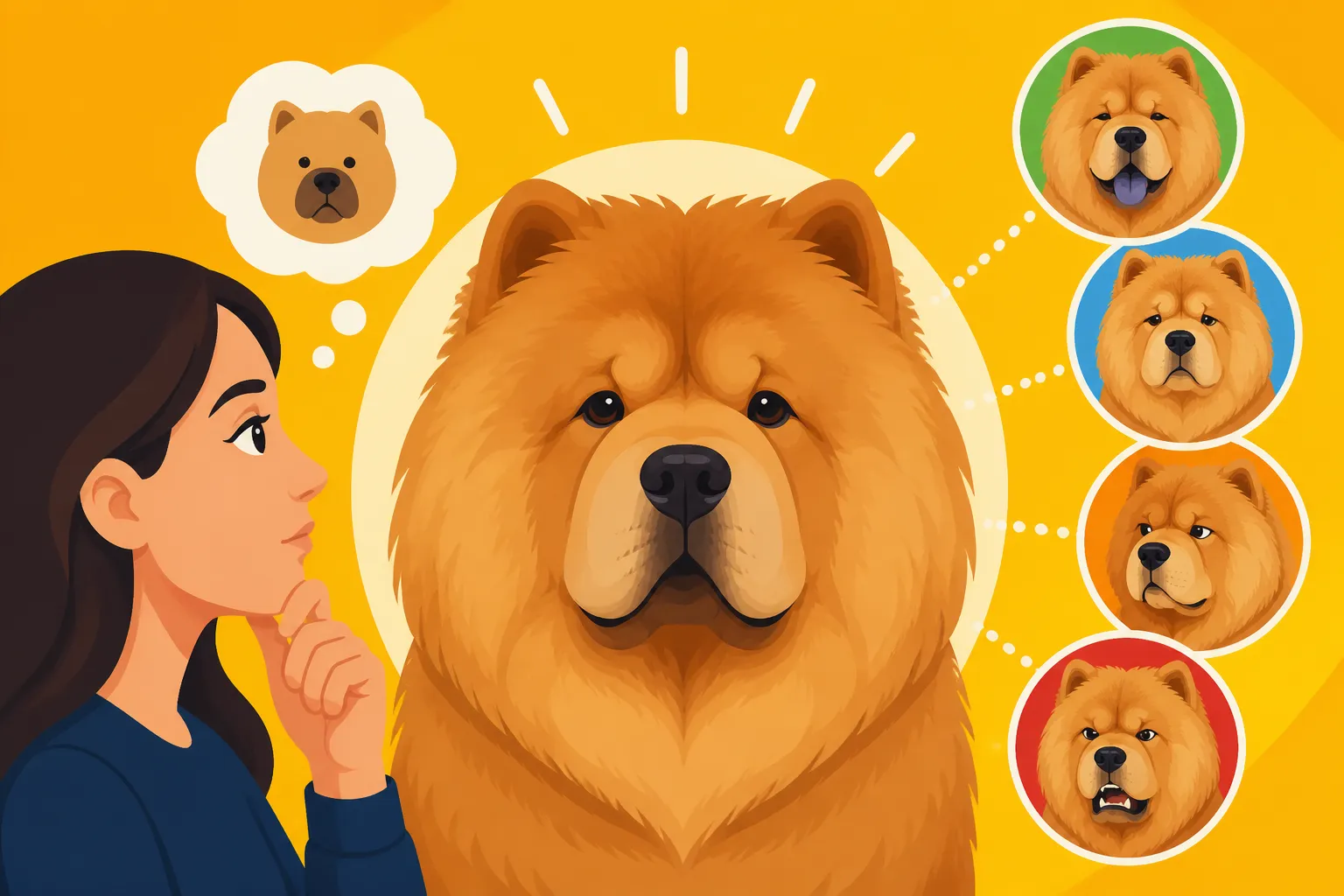
How to Read a Chow Chow’s Face
One of the most enduring frustrations and genuine mysteries for new Chow Chow owners, and even seasoned ones, is trying to figure out what exactly that beautiful, lion-like face is telling them. Unlike many breeds whose faces are an open book of emotions, the Chow Chow's unique features, from their deep-set eyes to their iconic "scowl," can make their true feelings incredibly difficult to decipher. This guide will walk you through the nuances of understanding your Chow Chow, looking beyond the stoic expression to the subtle cues that reveal their inner world.
The Challenges of the Chow Chow's Stoic Expression
It’s no secret that Chow Chows aren't known for their overtly expressive faces. If you’ve ever found yourself staring at your Chow, wondering if they’re happy, annoyed, or just contemplating the meaning of life, you’re not alone. This perceived lack of facial expression is a hallmark of the breed and can lead to misunderstandings if you’re not prepared.
Why the Deep-Set Eyes and Wrinkles Hide Expression
The Chow Chow's most striking facial features are also the very things that mask their emotions. Their eyes are deeply set within their skull, often partially obscured by their fur and the natural folds of their face. This anatomical structure, while contributing to their distinctive look, makes it incredibly hard to read subtle eye movements or changes in gaze that would be clear in other breeds. Imagine trying to read someone's emotions when they're wearing a very elaborate, furry hood – that's often what it feels like with a Chow.
Adding to this is the abundance of wrinkles and loose skin around their muzzle and forehead. These folds can create permanent shadows and contours that don't shift much with mood. Where a Golden Retriever might raise an eyebrow or wrinkle its forehead in confusion, a Chow Chow’s existing wrinkles might just deepen slightly, if at all. This means you can't rely on the usual "puppy dog eyes" or "worried brows" that signal feelings in many other breeds. Instead, you'll need to develop a sharper eye for other, more subtle indications.
The Myth of the Perpetual Scowl
Every Chow Chow owner knows that look. The one that makes them appear perpetually unimpressed, slightly grumpy, or even a little menacing. This is often referred to as their "scowl," and it's largely due to their unique facial structure, particularly the broad skull, deep-set eyes, and the way their brows sit. It's a natural resting expression for the breed, not necessarily an indication of their mood.
The problem arises when people, unfamiliar with the breed, misinterpret this natural expression. They might think your Chow is angry, aggressive, or unhappy, when in reality, your dog might be perfectly content, simply observing its surroundings. This misinterpretation can lead to people approaching a Chow with apprehension, or worse, making assumptions about its temperament based solely on its appearance. It’s crucial for owners to understand that this "scowl" is mostly cosmetic, allowing them to advocate for their dog and educate others. You might notice this characteristic being discussed when looking at What Gives a Chow Chow Its Scowl.
How Their Calm Demeanor Can Be Misleading
Beyond their facial structure, Chow Chows are renowned for their calm, independent, and sometimes aloof demeanor. They're not typically boisterous, tail-wagging greeters, nor do they often display exaggerated joyful behaviors. This serene nature, combined with their unreadable faces, can make it seem like they’re emotionally flat or uninterested. However, this couldn't be further from the truth.
A Chow Chow's calmness is often a sign of confidence and self-possession. They are thinkers, observers, and often deliberate in their actions. A calm Chow might be absorbing information, making decisions, or simply enjoying a peaceful moment by your side. The misleading part is that this calm can be mistaken for indifference, or even stubbornness, especially during training or when interacting with new people or dogs. It takes a keen owner to understand that this quiet observation is just part of their personality, not a lack of feeling. For more on their temperament, you might want to read How Aloof a Chow Chow Really Is.
Subtle Cues: Beyond the Face to Understand Your Chow
Since the face offers limited clues, unlocking your Chow Chow's emotional state requires you to become a detective of subtle body language, vocalizations, and environmental context. It’s a holistic approach that focuses on the entire dog, not just its visage.
The Importance of Body Language
This is where the real magic happens for understanding a Chow Chow. Their body language, though sometimes understated, is far more revealing than their face. Every part of your Chow, from the tip of its tail to the set of its ears, offers clues.
- Tail Position and Movement: The Chow Chow's distinctive tail, curled over its back, isn't as dynamic as a Lab's wagging pendulum, but it still communicates. A relaxed Chow will have its tail resting gently over its back, perhaps with a slight, slow sway. If the tail is held stiffly, pressed tightly against its back, or moving in short, rapid jerks, it can indicate tension, excitement, or even anxiety. A tail that drops lower than usual, even slightly, can be a sign of discomfort or submission. Pay close attention to the base of the tail – stiffness there often signals broader body tension.
- Ear Set: While their ears are relatively small and rounded, their position still offers insights. Relaxed ears are often held naturally, perhaps slightly to the side. When alert or interested, they might perk up and forward, especially if something has caught their attention. If they are pinned back tightly against the head, it's a clear sign of fear, anxiety, or appeasement. Conversely, ears that are "half-cocked" or flicking can indicate curiosity or an attempt to pinpoint a sound.
- Overall Body Tension: This is a big one. A relaxed Chow will have a soft, fluid appearance, even with their naturally stocky build. Their muscles won't be visibly tense, and their posture will be easy. A Chow that is stiffening, holding its breath, or appearing rigid is likely uncomfortable, wary, or perhaps preparing to react. Look for subtle shifts, like weight distribution (leaning forward vs. leaning back), or a slight lowering of the body.
- Mouth and Tongue: Even if the face is hard to read, the mouth can give away a lot. A relaxed Chow might have its mouth slightly open, with a soft pant. If the lips are pulled back tightly, showing teeth (beyond a happy "smile"), or if the mouth is clamped shut and tense, it's a clear warning. Their iconic blue-black tongue is usually relaxed; if you see it suddenly retracting or pressing against the palate, it could be a sign of stress.
- Piloerection (Hackle Raising): This is an undeniable signal. If the hair along your Chow's spine and shoulders stands up, it indicates arousal – either fear, excitement, or aggression. It’s an involuntary reaction and an immediate red flag that your dog is feeling something intensely. Understanding these signals can help prevent situations where Why a Chow Chow Gives Little Warning.
Listening to Their Vocalizations (or Lack Thereof)
Chow Chows are not typically known for being highly vocal dogs, which can be another challenge when trying to understand them. They rarely bark incessantly, and their barks, when they do happen, are often deep and measured. However, even limited vocalizations can be very informative.
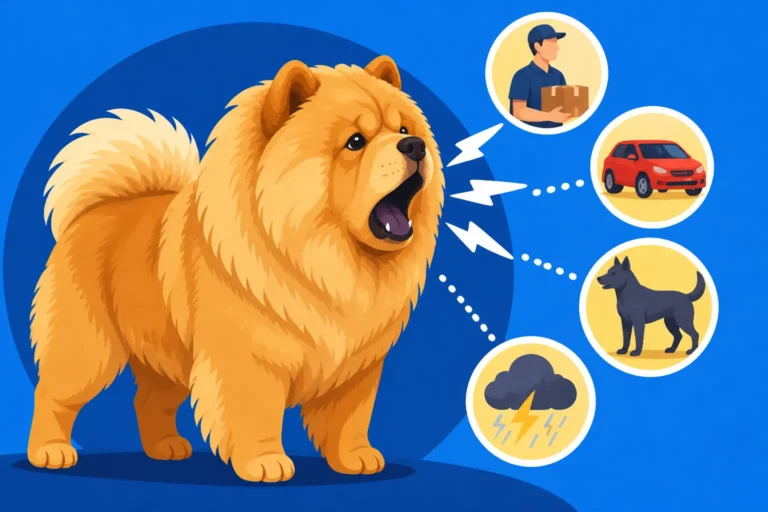
- Barks: A single, sharp bark might mean they've spotted something interesting or are trying to alert you. Repetitive, deeper barks often signal territorial warnings or suspicion towards an intruder. A higher-pitched, more urgent bark might be a sign of distress or excitement.
- Growls: A growl from a Chow Chow is almost always a serious warning. It’s their way of saying, "I'm uncomfortable, and I need space." Unlike some breeds that might "play growl," a Chow's growl is usually genuine. It’s crucial never to punish a growl, as it's a vital communication tool. Punishing it teaches them not to warn you, potentially leading to a bite without preamble.
- Whines and Huffs: A soft whine can indicate a desire for attention, a need to go outside, or mild frustration. A low "huff" or sigh, especially when settling down, often means contentment. A more pronounced huff might be a subtle expression of displeasure or impatience.
- Silence: Don't underestimate the power of silence. A quiet Chow isn't necessarily an unfeeling one. Sometimes, their silence indicates deep concentration, quiet enjoyment, or simply their natural inclination towards calm observation. When they are too silent in a new or stimulating environment, it could also mean they are shutting down or feeling overwhelmed.
Observing Context and Environment
Understanding a Chow Chow's emotions is also heavily reliant on observing the context and environment they are in. What just happened? Who is around? What are the sounds and smells? These factors heavily influence their reactions and provide critical pieces to the puzzle.
For example, a Chow Chow that seems particularly rigid and still might be doing so because a stranger is approaching their personal space, rather than simply being "stubborn." If they suddenly get up and move away from a situation, even without a clear "facial" expression, it’s a strong signal they are uncomfortable.
Think about triggers: are they always wary of the mail carrier? Do they get excited when you pick up the leash? Knowing these patterns and associations helps you anticipate their reactions and interpret their subtle cues. This environmental awareness is crucial for understanding Why a Chow Chow Snaps at Someone It Did Not See or how they interact with A Chow Chow With Other Dogs. Observing your dog in various scenarios is like gathering data points for a complex profile.
Practical Tips for Deciphering Your Chow Chow's Mood
It takes practice and patience to become fluent in "Chow Chow language." But with dedicated observation and interaction, you can learn to read your unique dog like a book, even if that book has a very serious cover.
Learning Your Individual Chow's Baseline
Every Chow Chow is an individual. While they share breed characteristics, your dog will have its own unique personality, quirks, and subtle ways of communicating. The first and most important step is to learn your individual Chow's baseline – what they look and act like when they are completely relaxed, happy, and comfortable in their familiar environment.
Spend time just observing them when they are sleeping, lounging, or gently interacting with you. Notice:
- How their tail typically rests.
- The usual position of their ears.
- Their preferred sleeping postures.
- The way they breathe when relaxed.
- Their eyes – even deep-set eyes can soften or harden. A relaxed Chow's eyes might seem slightly more open and less intense than when they are alert.
- How they solicit affection (a nudge, a lean, a quiet presence).
Once you know what "normal" looks like for your Chow, any deviation from that baseline will become a more obvious signal of their changing mood. This baseline understanding is a powerful tool for understanding Signs a Chow Chow Is Uncomfortable.
How to Test for Comfort and Discomfort
Sometimes, you need to gently probe to understand what your Chow is feeling. This isn't about pushing their boundaries but about careful observation.
- The "Approach and Observe" Test: If your Chow is resting and you're unsure if they want interaction, slowly approach. Observe their reaction. Do they slightly tense up? Do they shift their body away? Do their ears twitch? Or do they relax further, perhaps giving a soft sigh or a gentle head turn? If they don't move or offer an inviting gesture, assume they prefer to be left alone for the moment.
- The "Gentle Touch" Test: If you're going to pet them, always approach from the front or side, never directly from behind. Offer your hand slowly, letting them sniff it. Place a gentle hand on their shoulder or chest, avoiding their head initially. Watch for any freezing, stiffening, or pulling away. If they lean into the touch, relax their body, or even close their eyes, they are likely enjoying it. If they flinch, lick their lips, or turn their head away, respect that signal and withdraw. This is especially important given How a Chow Chow's Deep Set Eye Limits Its Vision.
- The "Treat Test": If your Chow is usually food motivated, a refusal of a favorite treat can be a strong indicator of stress or illness. If they take the treat gently but then immediately look away or retreat, it might suggest mild discomfort.
These gentle "tests" should always be done with respect for your Chow's autonomy and without forcing interaction.
The Role of Early Socialization in Reading Them
Early and positive socialization is paramount for a Chow Chow, not just for their temperament but also for your ability to understand them. A well-socialized Chow Chow is generally more comfortable and confident in a variety of situations. This confidence makes their subtle body language more consistent and easier to read.
A Chow Chow that is fearful or undersocialized may display erratic or ambiguous signals. They might freeze, then suddenly react, making it hard to predict their next move. Their "unreadable" face becomes even more challenging when coupled with inconsistent body language due to fear. Think of a toddler who can't yet articulate their feelings; their behavior might seem confusing because they lack the communication skills.
Exposing your Chow puppy to a variety of sights, sounds, people, and appropriate dogs during their critical socialization window (typically 3-16 weeks) helps them develop into a well-adjusted adult. A positive experience in a puppy class, for example, allows them to practice interacting with new stimuli safely. Organizations like BAXTER & Bella offer online puppy training programs that can guide you through effective socialization techniques, even from the comfort of your home, helping you build a confident, more communicative companion. The more comfortable your Chow is with the world, the more clearly they will communicate their feelings within it. For more on this, check out When a Chow Chow's Socialization Window Closes.
Avoiding Misinterpretations and Building Trust
Misinterpreting your Chow Chow's signals can lead to frustration, conflict, and a breakdown in trust. Since their communication style is so unique, it's vital to be extra vigilant and proactive in understanding their needs and boundaries.
Teaching Children to Understand Chow Chow Signals
This is a critical topic for any family with a Chow Chow, or for families whose children might interact with Chows. Because of their stoic facial expression and tendency to give little warning before reacting, children (and many adults) can easily misread a Chow Chow. They might see the "scowl" as an invitation for rough play or assume the dog is fine because it's not wagging its tail excitedly. This is where Why Children Misread a Chow Chow becomes very relevant.
It's essential to teach children explicit rules for interacting with a Chow Chow:
- Always ask permission: Before approaching any dog, always ask the owner.
- Approach slowly and calmly: No running, yelling, or sudden movements.
- Pet gently: Focus on areas like the shoulder or chest, avoiding the head, tail, or feet.
- Respect space: Understand that a Chow Chow needs its personal space. If the dog walks away, let it go.
- Look for the whole dog: Teach children to look at the dog's body, not just its face. Are its ears back? Is its tail stiff? Is it licking its lips? These are all signs of discomfort.
- "Leave it" means leave it: If a Chow Chow is resting or eating, children should be taught to give it plenty of room.
Constant supervision is not just recommended, it's mandatory when children and Chow Chows are together. Even the most tolerant Chow can have its limits, and a lack of clear communication on both sides can lead to problems.
When to Give Your Chow Space
Understanding when your Chow Chow needs space is one of the greatest acts of respect you can show them. Because they often don't escalate warnings overtly, their subtle cues for needing space must be heeded immediately.
Signs your Chow Chow might need space include:
- Turning their head or body away from you.
- Lip licking or yawning (when not tired).
- Freezing or becoming very still.
- Low growl or a sudden stiffening of the tail.
- Moving away or retreating to another room.
- Avoiding eye contact.
- Showing the whites of their eyes (often called "whale eye").
If you observe any of these signals, even if faint, immediately disengage and give your Chow some distance. Don't try to force interaction or "comfort" them. Sometimes, simply knowing they have the option to retreat is enough to diffuse their discomfort. This respect builds immense trust and strengthens your bond. If you frequently find your Chow trying to avoid interaction, consider whether they are getting enough quiet time or if there are stressors in their environment.
Professional Help for Persistent Behavioral Puzzles
Sometimes, despite your best efforts, you might encounter persistent behavioral issues or simply feel completely stumped by your Chow Chow's communication. This is not a sign of failure, but an opportunity to seek professional guidance.
A qualified professional, such as a certified professional dog trainer (CPDT-KA) or a veterinary behaviorist, has the expertise to observe your Chow Chow's body language and behavior in detail. They can identify triggers you might be missing, help you interpret subtle signals, and develop a management or training plan tailored to your dog's specific needs.
For example, if your Chow is consistently uncomfortable with visitors despite socialization efforts, a professional can help you implement strategies like managing introductions, using barriers, or working on counter-conditioning exercises. They might recommend specific tools or aids, available through retailers like Amazon, such as puzzle toys to reduce stress or specific harnesses for leash training. Seeking help early can prevent minor issues from escalating and help you build a safer, more harmonious relationship with your unique companion.
Here’s a quick comparison of general dog expressions versus Chow Chow expressions:
| Feature | General Dog Expression (Example: Labrador) | Chow Chow Expression (Often Misinterpreted) |
|---|---|---|
| Eyes | Wide, soft, direct eye contact (friendly), squinting (happy) | Deep-set, often obscured by fur, can appear intense/stony |
| Forehead/Brow | Wrinkled (worried/confused), smooth (relaxed) | Often naturally wrinkled, contributing to "scowl" even when relaxed |
| Mouth | Open, loose tongue (happy), pulled back (smile/fear), panting | Often tightly closed or soft pant. Tight lips can be a warning. |
| Tail | High, rapid wag (happy/excited), low tuck (fear/submission) | Curled over back; subtle, slower movements or stiffness are key |
| Overall Face | Highly expressive, conveys clear emotions | Appears stoic, reserved, "unreadable" |
| Vocalizations | Frequent barking, whining, playful growls, varied tones | Less vocal; growls are usually serious warnings; barks often deep/alert |
Understanding your Chow Chow is truly a journey, not a destination. It requires patience, keen observation, and an open mind. But the reward – a deep, trusting bond with these magnificent and unique dogs – is absolutely worth every effort.
Disclaimer
This article is for general informational purposes only and does not constitute professional advice. Laws, prices and regulations vary by location and change over time. Consult a qualified professional for guidance on your specific situation.