Why Repetition Bores a Chow Chow
It's a common frustration for Chow Chow owners: you know your dog is smart, you've shown them a new command a dozen times, and they get it, but then the next time you ask, it's like you're speaking a foreign language. This isn't usually about defiance or a lack of understanding; it's often a direct result of their unique intelligence and independent spirit. This guide will delve into why repetition often backfires with a Chow Chow and offer practical ways to keep them engaged and learning without boring them into stubborn silence.
Understanding the Chow Chow Mindset: The Independent Spirit
Owning a Chow Chow is truly a different experience than having many other breeds. They aren't the eager-to-please Golden Retriever or the hyper-focused Border Collie, always looking for their next command. Their deep history and inherent personality mean they approach learning and interaction with a very distinct point of view, one that can easily be misinterpreted by those unfamiliar with the breed.
The Chow Chow's Ancient Heritage and Its Impact on Trainability
The Chow Chow hails from ancient China, where they served a multitude of roles, from guarding temples and homesteads to hunting and even pulling sleds. Their survival depended on their keen senses, independent decision-making, and strong protective instincts, not on blindly following human commands. Unlike many Western breeds developed for close companionship and constant obedience, the Chow Chow was valued for its self-reliance. This rich, working heritage has ingrained a profound sense of independence in the breed. When you ask a Chow Chow to perform a task repeatedly, especially without a compelling reason in their estimation, their internal dialogue often sounds like, "I've done this. I know how to do this. Why are we doing it again? What's in it for me this time?" It's not that they don't understand; it's that they see no logical purpose in performing a rote exercise. This mindset is why you'll often hear that A Chow Chow Trains by Agreement, Not Obedience. They need to agree that the task is worthwhile.
Intelligence Paired with Disinterest
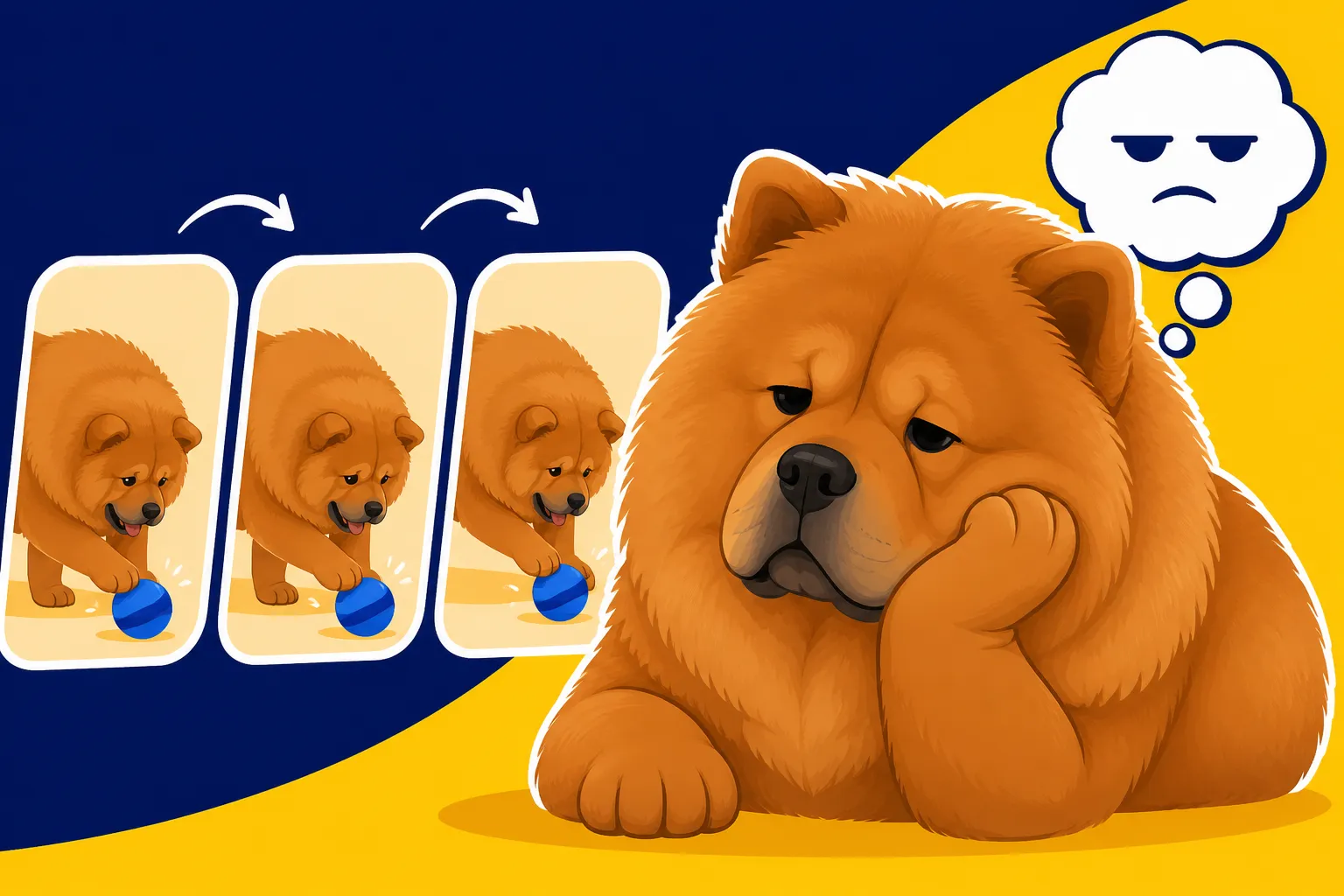
Don't ever mistake a Chow Chow's aloofness or reluctance for a lack of intelligence. They are incredibly smart dogs, often picking up new concepts with surprising speed. The problem isn't their capacity to learn, but their motivation to perform when the task feels redundant or unrewarding. Imagine being asked to complete the same simple puzzle over and over again after you've already mastered it. Initially, it's a challenge, maybe even fun. But after the fifth, tenth, or twentieth time, it becomes tedious. Your Chow Chow feels much the same. They've processed the information, they know the desired outcome, and once they've demonstrated that understanding, repeating it becomes dull. This can lead to them shutting down, looking away, or simply walking off, which can be incredibly frustrating if you're trying to solidify a behavior through traditional repetition-based training.
The Difference Between Boredom and Disagreement in Training
It's crucial for Chow Chow owners to accurately interpret their dog's responses during training. What might look like stubbornness could be boredom, or it could be a clear, albeit quiet, disagreement. Learning to distinguish between these signals will significantly improve your training success and deepen your understanding of your companion.
Recognizing the Signs of a Bored Chow Chow
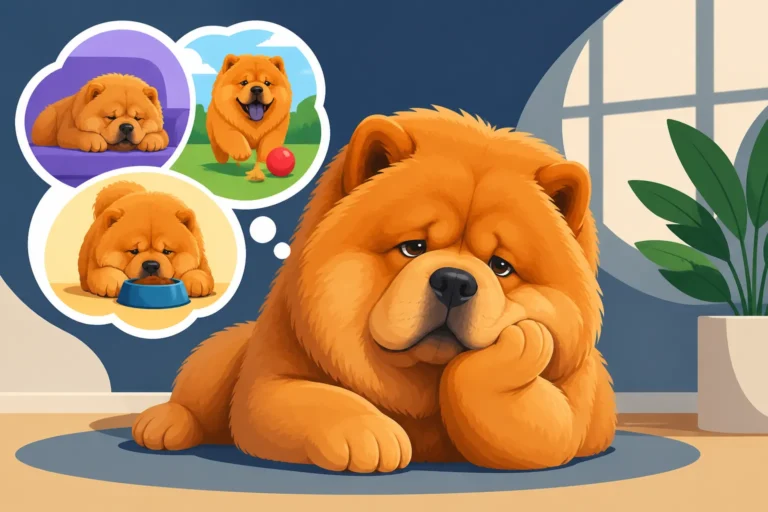
A bored Chow Chow isn't usually dramatic about it. They won't necessarily throw a tantrum or bark in protest. Instead, their disinterest manifests in more subtle ways, which can be easy to miss if you're not paying close attention. You might notice them offering slower, more deliberate responses, or performing the cue with minimal enthusiasm. They might start yawning, often a sign of stress or disengagement in dogs, or turn their head away from you and the task. Sniffing the ground intently, grooming themselves, or simply walking a few steps away from the training area are all classic indications that your Chow Chow has mentally checked out. They're basically saying, "I'm done with this; entertain me differently." When you see these signs, it's a clear signal that it's time to change gears or end the session. Trying to push through with more repetition will only build resentment and diminish their willingness to engage in future training. This is often Why a Chow Chow Ignores a Cue It Knows.
When a Chow Chow Simply Refuses to Comply
Sometimes, your Chow Chow isn't bored, but actively choosing not to comply. This is a subtle but important distinction. Boredom is often characterized by disinterest and disengagement. Refusal, on the other hand, can stem from several factors beyond simple tedium. They might be testing boundaries, deciding the reward isn't worth the effort, or perhaps they genuinely don't want to perform the action in that specific context. For instance, a Chow Chow might sit perfectly for a treat in the living room, but if asked to do so in a distracting dog park, they might refuse because the environmental stimulation is far more interesting than your offered reward. Or, if you've been using the same low-value treat for too long, they might simply decide the "payment" isn't adequate for their effort. It's not that they don't know how to sit; it's that they've weighed the pros and cons and decided against it. This makes understanding How Food Motivated a Chow Chow Is critical to your training approach. They need high incentive to perform consistently, especially if they are asked to repeat a known behavior.
| Behavior Sign | Interpretation | Recommended Action |
|---|---|---|
| Slow response, looking away, yawning | Boredom or mild disinterest | End session, change activity, increase reward value/novelty |
| Sniffing ground, walking away, self-grooming | Strong boredom, disengagement | Stop immediately, take a break, try a different type of interaction |
| Stiff posture, direct refusal to move, ignoring cue | Refusal (may be testing boundaries, low motivation, or discomfort) | Re-evaluate reward, change environment, assess dog's comfort level, do not force |
| Anxious licking, tucked tail, darting eyes | Stress or discomfort | Stop immediately, remove from situation, reassess training methods |
Strategies for Engaging a Chow Chow in Training
Given their independent nature, successful training with a Chow Chow isn't about brute-force repetition but about intelligent engagement. You need to become a master of variety, motivation, and making learning a compelling activity they want to participate in, rather than a task they begrudgingly endure.
Keep Sessions Short, Sweet, and Varied
The golden rule for training a Chow Chow is to keep training sessions incredibly short. Think 5 to 10 minutes, maximum, and often even less if they're disengaging quickly. How Long a Chow Chow's Training Session Should Be is always dictated by your dog's attention span, not by your desire to drill a command. The moment you see signs of boredom or disinterest, end the session on a positive note, even if it's for a simple, known command. Beyond brevity, variety is your secret weapon. Don't run through the same sequence of "sit, stay, down" every single time. Mix it up!
- Change Locations: Practice in different rooms of the house, in the yard, at a quiet park, or even during a walk.
- Vary Cues: Instead of always asking for "sit," ask for "down," then "come," then "touch." Change the order, or introduce a new, simple trick.
- Introduce New Stimuli: Use different toys as rewards, or practice around mild distractions.
- Incorporate Games: Instead of direct commands, weave training into play. Hide-and-seek with a favorite toy, or practicing "stay" while you move around the room, can make it feel less like work and more like fun. Resources like BAXTER & Bella offer structured online courses that can provide a huge variety of exercises and ideas, ensuring you're always introducing something new to keep things fresh. They often emphasize positive, engaging methods that truly resonate with independent breeds.
Maximizing Motivation with High-Value Rewards
A Chow Chow will perform for you, but only if the reward is truly worth their effort. Generic kibble or a bland "good boy" often won't cut it, especially when faced with the mental exertion of repetition. You need to discover what your Chow Chow considers "high-value."
- Experiment with Treats: This might mean tiny pieces of cooked chicken, cheese, hot dogs, or commercially available soft, meaty treats. Find what makes their eyes light up. Consider rotating these high-value treats to prevent them from becoming monotonous. You can find a vast selection of unique and high-quality treats on Amazon, allowing you to constantly introduce novelty. Remember Which Treat a Chow Chow Will Work Hardest For can change over time, so keep trying new options.
- Praise and Affection: While some Chows are more reserved, genuine, calm praise can be a reward for them. A gentle ear rub or a quiet "good dog" delivered sincerely can be surprisingly effective. However, don't expect How Far Praise Gets You With a Chow Chow to be the only motivator; it's usually best combined with tangible rewards.
- Toy Rewards: If your Chow Chow has a favorite squeaky toy, rope, or ball, a quick game of tug or fetch after a successful cue can be a powerful motivator. This turns the training into a break for play, making it more appealing.
The key is to keep your Chow Chow guessing and excited about what the next reward might be. If they know something delicious is coming, they're far more likely to engage, even with a command they've done a hundred times.
Making Training a Game, Not a Chore
For a Chow Chow, training needs to be an interactive, enjoyable experience, not a drill. Think of it less as "obedience class" and more as "problem-solving time with my favorite human."
- Incorporate Play: Integrate commands into everyday activities. Ask for a "sit" before opening the door for a walk, or a "down" before getting their dinner bowl. This makes the commands relevant and functional.
- Puzzle Toys: Instead of just giving them a meal, use puzzle feeders or snuffle mats. This engages their minds and makes mealtime a fun challenge. This mental stimulation can tire them out in a productive way, much like a short training session, and you can find a variety of engaging puzzle toys on Amazon.
- Hide-and-Seek: If your Chow enjoys searching, try hiding treats around a room and asking them to "find it." This taps into their natural foraging instincts and can be a wonderful mental workout.
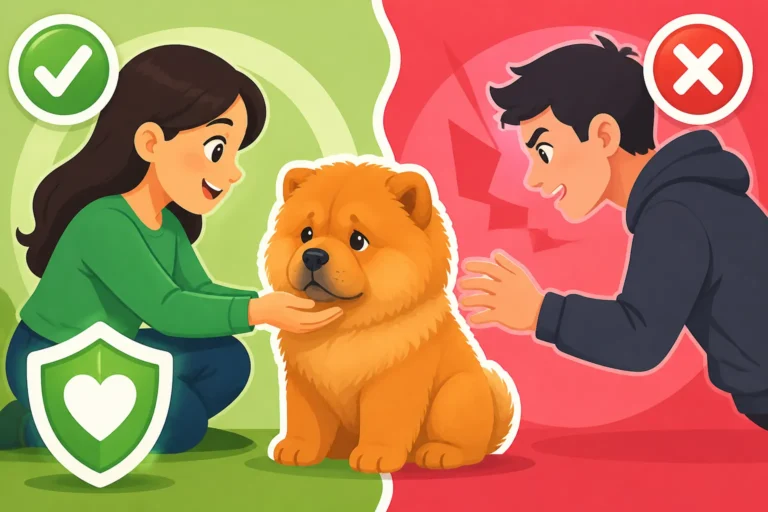
- Focus on Success: Always end training sessions on a high note. If your Chow Chow is struggling with a new command, ask for something they know perfectly well, reward them enthusiastically, and then conclude the session. This builds confidence and leaves them wanting more. Remember that Why Harsh Correction Backfires on a Chow Chow is especially true for this sensitive breed; positive reinforcement builds trust and enthusiasm, while harshness creates shut-down behavior and reluctance.
When to Seek Professional Help for Training Challenges
Sometimes, despite your best efforts, you might find yourself hitting a wall with your Chow Chow's training. There's absolutely no shame in seeking external help; in fact, it's often the smartest thing you can do for both yourself and your dog.
Identifying When You're Stuck
You might be stuck if you notice consistent frustration on your end, or if your Chow Chow seems to be regressing or developing new, challenging behaviors. If your attempts to vary sessions and rewards aren't yielding results, or if you feel your relationship with your dog is becoming strained due to training battles, it's a good indicator that you need a fresh perspective. Perhaps your dog is exhibiting behaviors that seem more like active resistance than simple boredom, or maybe their aloofness is developing into something more problematic. When you feel genuinely unsure of the next step, or if you're not seeing any progress after consistent, positive effort, it's time to consider professional guidance. This is particularly relevant if you question Whether a Chow Chow Needs a Professional Trainer Early – early intervention can prevent small issues from becoming larger problems.
Finding a Trainer Who Understands Chows
Not all dog trainers are created equal, and finding one with specific experience with independent, "stubborn," or strong-willed breeds like the Chow Chow is paramount. Avoid trainers who advocate for harsh corrections, intimidation, or dominance-based methods. These approaches will almost certainly backfire with a Chow Chow, potentially damaging your bond and making them even less likely to cooperate.
Look for trainers who emphasize:
- Positive Reinforcement: Trainers who use rewards (treats, toys, praise) to encourage desired behaviors.
- Force-Free Methods: No choke chains, prong collars, or physical punishment.
- Behavioral Science: Trainers who understand why dogs behave the way they do and can help you interpret your Chow Chow's subtle cues.
- Breed-Specific Experience: Ask potential trainers if they have worked with Chow Chows or similar independent Northern breeds. They should understand the nuances of their personality and the importance of motivation over rote obedience.
A good trainer can observe your interactions, help you fine-tune your techniques, suggest novel ways to engage your Chow Chow, and provide invaluable insights into their unique psychology. They can guide you through tailored plans, offering hands-on assistance that can make all the difference in building a happy, cooperative relationship with your wonderful, if sometimes exasperating, companion.
Disclaimer
This article is for general informational purposes only and does not constitute professional advice. Laws, prices and regulations vary by location and change over time. Consult a qualified professional for guidance on your specific situation.