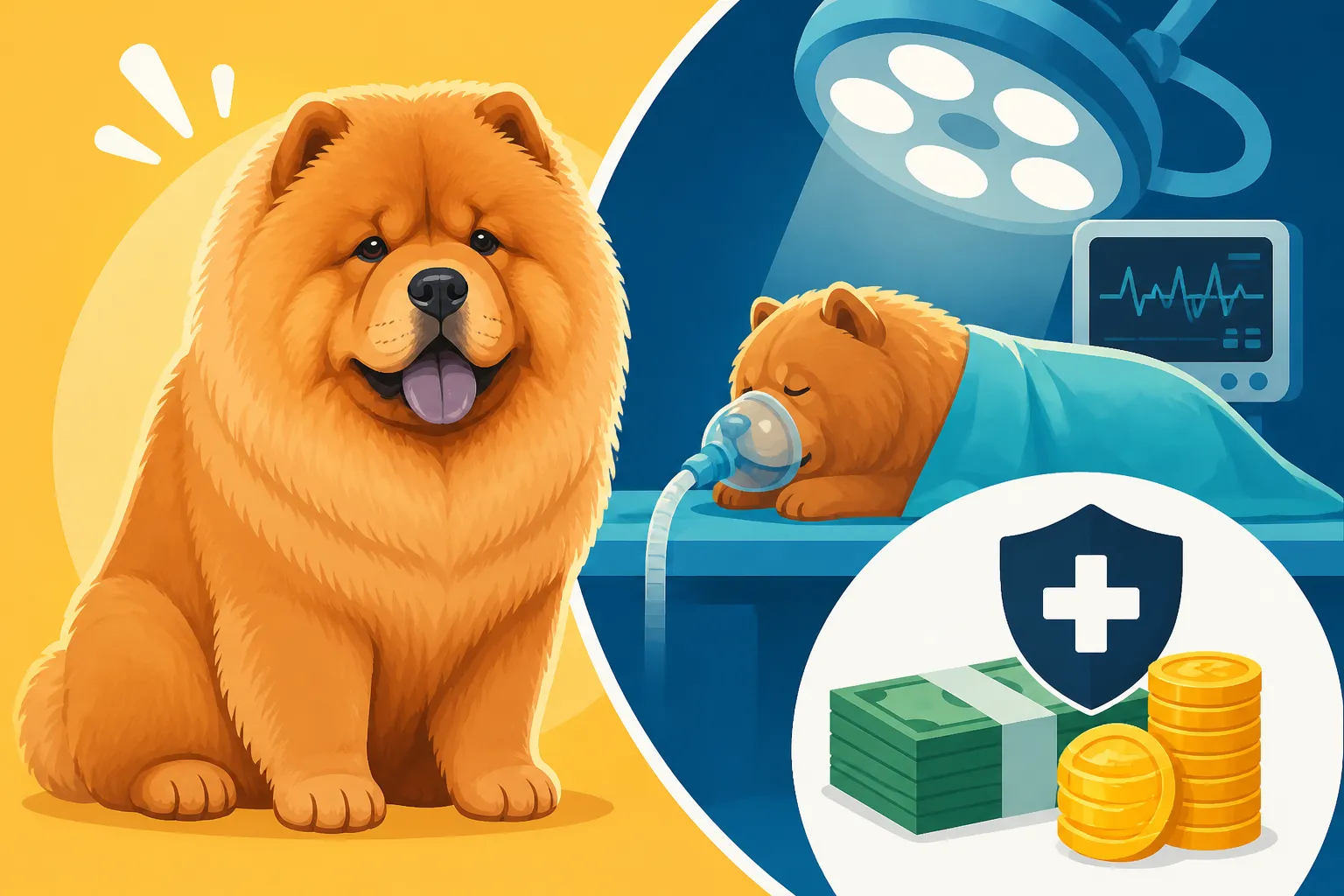
Why a Chow Chow’s Surgery Costs More Than Its Size Suggests
Many Chow Chow owners are often caught off guard by the final bill when their furry companion needs surgery. It can feel like the costs are far steeper than for a similarly sized dog, and it's not just your imagination. The unique physiological makeup and distinct temperament of the Chow Chow contribute significantly to higher veterinary expenses, particularly when a surgical procedure is involved. This guide aims to shed light on the specific factors that make a Chow Chow's surgery cost more than its size might initially suggest, helping you understand and prepare for these potential financial outlays.
The Unique Physiological Challenges of Chow Chows
Chow Chows are a breed unlike any other, known for their lion-like mane, deep-set eyes, and distinctive blue-black tongue. While these features contribute to their undeniable charm, they also come with inherent anatomical predispositions that can complicate medical procedures and increase their associated costs. It's not simply about how much they weigh; it's about the intricate details of their breed-specific biology.
Deep-Set Eyes and Eyelid Issues
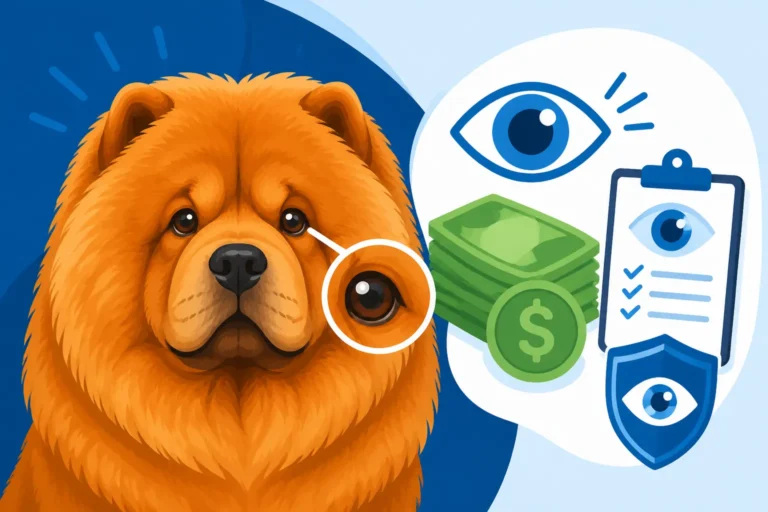
One of the most striking characteristics of a Chow Chow is their deep-set eyes, which, combined with their facial structure, often create their signature "scowl" expression. Unfortunately, this very trait predisposes them to a common and painful condition known as entropion. This is where the eyelid rolls inward, causing the eyelashes and fur to constantly rub against the sensitive surface of the cornea. This persistent irritation can lead to chronic discomfort, inflammation, tearing, and if left untreated, serious complications like corneal ulcers and even vision impairment. What Entropion Does to a Chow Chow's Eye
Corrective surgery for entropion is a delicate procedure that often requires the expertise of a veterinary ophthalmologist. The precision needed to remove just the right amount of skin and muscle to effectively evert the eyelid is critical, and sometimes, a staged approach or even a second surgery is necessary, especially if the initial repair doesn't fully resolve the issue. Whether a Chow Chow Needs Entropion Surgery Twice The cost of such specialized surgery, including pre-operative assessments, anesthesia, the procedure itself, and post-operative medications and follow-ups, naturally adds up. Compared to breeds without such an inherent eyelid issue, this common Chow Chow problem can significantly elevate their lifetime veterinary expenses. Beyond entropion, their ocular structure also puts them at higher risk for sudden and devastating conditions like glaucoma, which requires emergency intervention to potentially save vision. Glaucoma Can Blind a Chow Chow in Days
The deep-set nature of their eyes can also make routine eye examinations more challenging for a general veterinarian. Getting a clear view of the entire eye may require more time, specialized tools, or even mild sedation to ensure the dog remains still and comfortable. This additional complexity in diagnostics contributes to the overall cost, even before any surgical intervention is planned. Maintaining good eye health in a Chow Chow is an ongoing commitment that can become quite expensive.
Skeletal Structure and Joint Concerns
The Chow Chow's characteristic stilted gait, often described as a "paddle gait," is directly linked to their unique straight rear angulation. While a hallmark of the breed, this skeletal conformation can predispose them to certain orthopedic issues that might necessitate costly surgical procedures over their lifetime. Unlike many breeds that have more angulated hind limbs, the straighter alignment in a Chow Chow means less shock absorption, putting more stress on their joints. Why a Chow Chow Moves With a Stilted Gait
A prime example of a costly orthopedic problem in Chow Chows is elbow dysplasia. The breed is disproportionately affected by this complex developmental condition that can cause pain, lameness, and degenerative joint disease in the elbow. Surgical correction of elbow dysplasia can be intricate, involving arthroscopy or open surgery to address fragmented coronoid processes, osteochondritis dissecans (OCD) lesions, or ununited anconeal processes. Such specialized orthopedic surgeries are invasive, require significant post-operative care, rehabilitation, and strict activity restriction to ensure proper healing. What Elbow Dysplasia Does to a Chow Chow
Moreover, while perhaps not as common as elbow dysplasia in the breed, Chow Chows can also suffer from hip dysplasia, another inherited condition affecting the hip joints. Depending on the severity, surgical options could range from a femoral head ostectomy (FHO) to a total hip replacement, both of which are major, expensive surgeries with lengthy recovery periods. The unique mechanics of a Chow Chow's movement mean that managing and recovering from these conditions can be more challenging and require greater vigilance, often calling for specialized pain management plans and physical therapy. Hip Dysplasia in a Chow Chow
Brachycephalic Features and Anesthesia Risk
While not as severely brachycephalic as breeds like the Bulldog or Pug, Chow Chows do possess a relatively short muzzle, placing them in a category where anesthesia carries elevated risks. Their compacted facial structure can lead to narrower airways, an elongated soft palate, and smaller nostrils, all of which can impede normal breathing, especially under sedation. This makes them more susceptible to respiratory distress and overheating during and after anesthesia. Why a Chow Chow's Short Muzzle Cools Poorly
Due to these inherent risks, veterinary teams must implement additional safety protocols when anesthetizing a Chow Chow, which contributes directly to higher costs. This often includes pre-anesthetic bloodwork to assess kidney and liver function, more specialized intubation techniques, and vigilant monitoring of vital signs throughout the procedure. Continuous monitoring of heart rate, blood pressure, oxygen saturation, and carbon dioxide levels is crucial. Extended recovery time in a closely supervised environment is also typically required to ensure their airway remains clear and they can breathe effectively as the anesthesia wears off. Whether a Chow Chow Tolerates Anesthesia
These comprehensive safety measures, while absolutely necessary for your Chow Chow's well-being, add billable time, resources, and medication to the overall cost of any surgery, even routine procedures like spaying or neutering. The potential for complications, although rare with proper precautions, further underscores the need for thorough preparation and skilled veterinary care, all of which factor into the final price tag. Keeping a Chow Chow cool and calm during recovery is also essential, often requiring air-conditioned environments, which adds to the cost of ownership, especially in warmer climates. Whether a Chow Chow Needs Air Conditioning
Behavioral and Temperamental Factors Impacting Vet Care
Beyond their physical characteristics, the Chow Chow's distinctive temperament plays a substantial, though often less obvious, role in escalating veterinary and surgical expenses. Their aloof, independent nature and inherent wariness of strangers can make routine handling and medical procedures significantly more complex and resource-intensive for veterinary staff.
The Aloof Nature and Handling Difficulties
Chow Chows are not typically known for being overtly effusive or immediately friendly with strangers. They often display a dignified reserve and a strong sense of independence, bonding deeply with their primary caregiver while being indifferent or wary of others. How Aloof a Chow Chow Really Is This trait, while cherished by their devoted owners, can become a significant challenge in a bustling veterinary clinic, where strangers need to perform potentially uncomfortable procedures.
A Chow Chow that is uncomfortable or distrustful of a new vet or technician is unlikely to cooperate willingly for examinations, vaccinations, or preparatory procedures before surgery. Their inherent guarding instincts can manifest as reluctance, growling, or even snapping if they feel threatened or cornered. For the safety of both the dog and the veterinary team, this often necessitates the use of mild sedation or chemical restraint for even routine tasks like drawing blood, taking X-rays, or performing a thorough physical exam prior to surgery. Why a Chow Chow Is Hard to Examine at the Vet
The need for sedation adds several components to the bill: the cost of the sedative medications, the time required for administration and monitoring, and the recovery time in the clinic. It also means additional staff members might be required to ensure safe handling, further increasing the overall cost. While dedicated Chow Chow owners often work diligently on socialization, their innate temperament means that even well-adjusted Chows may prefer minimal interaction with strangers, which can escalate into a need for pharmacological intervention in a clinical setting. Whether a Chow Chow Needs Sedation for a Checkup
Pain Tolerance and Hiding Illness
Chow Chows are notoriously stoic, a trait that often goes hand-in-hand with their ancient working dog heritage. They are remarkably adept at masking pain or discomfort, making it incredibly challenging for owners to detect when something is truly wrong. Unlike some breeds that might whine, limp dramatically, or vocalize their distress, a Chow Chow's signs of illness or pain can be incredibly subtle – a slight decrease in appetite, a minor shift in activity level, or a more pronounced aloofness than usual. How a Chow Chow Hides Pain
This stoicism, while appearing as resilience, can unfortunately lead to delayed diagnosis. By the time an owner notices a change that warrants a vet visit, the underlying condition may have progressed to a more advanced stage, requiring more aggressive, complex, and therefore more expensive treatments. For instance, an orthopedic issue that might have been manageable with medication if caught early could now require extensive surgery due to chronic progression, or an unnoticed corneal ulcer from entropion could become severe.
The challenge of assessing pain in a Chow Chow also extends into the post-operative recovery period. Vets often need to be more proactive with pain management strategies, prescribing stronger or a broader range of pain medications, and possibly recommending longer hospital stays for observation to ensure they are comfortable and recovering well. This increased vigilance, both clinically and at home, contributes to higher costs due to medication expenses, extra vet visits, and the need for specialized recovery protocols. Owners must learn to be highly attuned to their Chow's subtle cues to prevent complications and ensure effective healing.
The Practicalities of Chow Chow Care and Surgical Costs
Beyond the breed's intrinsic physiological and behavioral traits, several practical aspects of Chow Chow ownership and veterinary care contribute to the surprisingly high costs associated with their surgeries. These include the necessity for specialized veterinary expertise, the unique demands of post-operative recovery, and the landscape of pet insurance.
Specialized Veterinary Expertise
Given the specific health predispositions and temperamental intricacies of the Chow Chow, many owners find it beneficial, and often necessary, to seek out veterinary professionals with specific experience or board certification. While a general practitioner is perfectly capable of providing excellent routine care, complex issues like advanced orthopedic surgeries, intricate ophthalmic procedures, or managing anesthesia for a brachycephalic breed often warrant the expertise of a specialist.
Board-certified veterinary ophthalmologists, orthopedic surgeons, or internal medicine specialists have undergone extensive additional training and hold advanced certifications in their respective fields. Their specialized knowledge, access to state-of-the-art equipment, and advanced facilities naturally come at a premium. For example, an elbow dysplasia surgery performed by a board-certified orthopedic surgeon might cost significantly more than if a general vet attempted it, but the likelihood of a successful outcome and fewer complications is typically much higher with the specialist. This investment in specialized expertise, while more expensive upfront, can often prevent the need for costly revisions or treatments for complications down the line. What a Chow Chow Breeder Should Have Tested
The geographical availability of such specialists can also impact costs. In areas with fewer specialized clinics, owners might need to travel further, incurring additional travel expenses, and potentially more costly overnight stays if the procedure or recovery requires being away from home for several days. Planning ahead and researching specialist options in your region is a wise step for any Chow Chow owner.
Post-Operative Care and Recovery
The recovery period following surgery is crucial for any dog, but for a Chow Chow, it presents a unique set of challenges that can further inflate the overall expense. Their dense double coat, independent nature, and stoicism all require careful consideration.
First, maintaining hygiene around a surgical incision can be tricky with a Chow Chow's thick fur. Owners might need to invest in specialized grooming tools, antiseptic wipes, or even regular trips to a professional groomer to keep the area clean and prevent matting or infection. What a Rough Coated Chow Chow Costs at the Groomer Managing an Elizabethan collar (E-collar or "cone of shame") can also be more cumbersome due to their broad ruff and deep-set eyes, sometimes requiring alternative protective garments that may be more expensive but offer better comfort and compliance. You might find some of these specialized grooming or recovery aids on sites like Chewy.
Pain management post-surgery is another significant factor. As mentioned, Chows are adept at hiding pain, making it challenging to gauge their discomfort. Vets may prescribe a longer course of pain medication, anti-inflammatories, or even mild sedatives to ensure the dog rests adequately and doesn't inadvertently harm the surgical site. Furthermore, strict activity restriction is often vital for successful recovery, especially from orthopedic surgeries. Keeping an independent Chow Chow calm and confined can be a test of patience, often requiring a secure, comfortable crate and engaging, low-energy enrichment toys to prevent boredom and potential damage to their stitches or healing bones. For highly selective eaters post-surgery, a fresh food diet like Ollie might be more palatable and easier to digest, aiding in recovery.
Pet Insurance Considerations
Given the potential for substantial veterinary bills, particularly for surgeries, pet insurance is an invaluable tool for Chow Chow owners. However, the breed's specific health profile can influence insurance costs and coverage. While pet insurance can significantly alleviate the financial burden of unexpected surgical expenses, some carriers may classify Chow Chows as a higher-risk breed due to their known predispositions to conditions like entropion, elbow dysplasia, and brachycephalic airway syndrome.
This can result in higher monthly premiums compared to breeds with fewer known genetic health issues. Some policies might also have breed-specific exclusions for certain conditions commonly seen in Chows, or longer waiting periods before coverage for these specific ailments begins. It is absolutely crucial to research and compare policies thoroughly, paying close attention to deductibles, co-pays, annual limits, and any breed-specific clauses. Companies like Healthy Paws are popular options, but always request quotes and read the fine print carefully to understand what is covered. Whether Insurance Covers a Chow Chow's Autoimmune Disease
The best strategy is to enroll your Chow Chow in a comprehensive pet insurance plan as early as possible, ideally when they are a puppy. This ensures that any conditions that may develop later are not considered "pre-existing," which are almost universally excluded from coverage. Even with insurance, you will still be responsible for a portion of the bill, so budgeting for these out-of-pocket expenses, even with a robust plan, is a responsible financial step for any Chow Chow owner. What Pet Insurance Costs on a Chow Chow at Eight
Here is a summary of key factors contributing to higher surgical costs for Chow Chows:
| Factor | Chow Chow Specific Impact | General Dog Breed Impact (Similar Size) | Cost Implication |
|---|---|---|---|
| Anesthesia Risk | Brachycephalic airway, requiring enhanced monitoring and extended recovery. | Lower risk for non-brachycephalic breeds, standard monitoring. | Higher due to increased resource allocation and vigilance. |
| Eye Conditions | High predisposition to entropion and glaucoma, often requiring specialist surgery. | Less frequent occurrence of complex inherited eye conditions requiring surgery. | Higher due to delicate, specialized ophthalmic procedures. |
| Orthopedic Issues | High incidence of elbow dysplasia, unique straight rear leg exacerbates joint wear. | Variable incidence; hip dysplasia may occur, but elbow dysplasia is less common in many breeds. | Higher due to complex joint surgeries and rehabilitation. |
| Temperament/Handling | Aloof, wary of strangers, stoic; often necessitates sedation for exams/procedures. | Generally more cooperative, less likely to need sedation for routine veterinary care. | Higher due to sedation costs, increased staff time, and potential for additional calming aids. |
| Pain Hiding | Masters at masking pain; leads to delayed diagnosis and more advanced, costly treatments. | More overt pain signals, allowing for earlier detection and intervention. | Higher due to treating advanced disease states and more complex care. |
| Post-Operative Care | Dense coat complicates incision care, independent nature makes confinement difficult. | Easier coat management; often more amenable to confinement and less demanding post-op care. | Higher due to specialized grooming needs, stricter monitoring, and potential for extended recovery support. |
| Specialist Veterinarians | Often requires board-certified specialists (ophthalmologists, orthopedists). | Many common surgeries can be performed by a general veterinary practitioner. | Higher due to specialist fees, advanced equipment, and facility costs. |
| Pet Insurance Premiums | Potentially higher premiums due to breed-specific health predispositions. | Standard premiums, fewer breed-specific exclusions. | Higher monthly costs, potential for breed-specific exclusions or higher deductibles. |
Understanding these factors can help you better appreciate why surgical care for your Chow Chow might come with a heftier price tag. Being prepared, choosing a knowledgeable vet, and considering pet insurance are key steps in providing the best possible care for your unique companion.
Disclaimer
This article is for general informational purposes only and does not constitute professional advice. Laws, prices and regulations vary by location and change over time. Consult a qualified professional for guidance on your specific situation.