Which Chow Chow Bill Surprises New Owners
Bringing a Chow Chow into your life is an incredible experience, filled with fluffy cuddles and a unique companionship. However, many new owners quickly discover that the initial purchase price is just the tip of the iceberg, and some expenses genuinely catch them off guard. This guide will shine a light on the often-overlooked financial realities of Chow Chow ownership, helping you prepare for the specific bills that can surprise even the most diligent dog parent.
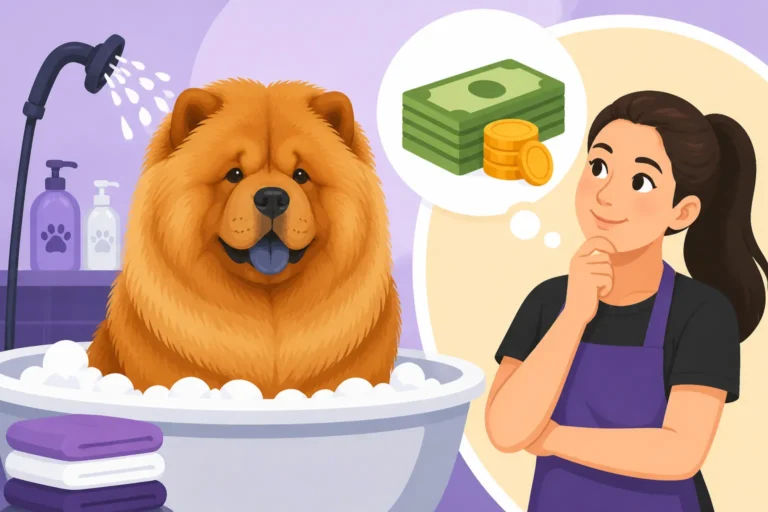
The True Cost of Their Regal Appearance: Grooming Beyond the Brush
You see that majestic lion's mane, that dense, plush coat? It's undeniably gorgeous, but it's also a full-time job. While many first-time Chow Chow owners anticipate some brushing, they often underestimate the sheer volume of coat, the specialized tools required, and the frequency of professional intervention needed to keep their Chow Chow healthy and comfortable. It's more than just a quick comb-through; it's a commitment that quickly adds up.
The Never-Ending Battle Against Mats
A Chow Chow's double coat, especially the rough coat variety, is a magnet for mats. These aren't just superficial tangles; they can quickly become dense, painful knots that pull on the skin, cause irritation, and even lead to skin infections if left unchecked. New owners are often surprised by how quickly mats can form, particularly behind the ears, in the armpits, and around the "britches" (the dense fur on their hindquarters). What starts as a small knot can escalate into a matted pelt that requires extensive professional intervention.
This isn't a simple fix at home for most people. Trying to cut out dense mats with scissors can be dangerous, risking accidental nicks to the skin. Professional groomers have the expertise and specialized tools to tackle matted coats, but this service comes at a premium. Groomers often charge extra for de-matting services due to the time and effort involved, sometimes by the hour. Regular, thorough line brushing down to the skin is essential to prevent these issues, but many new owners only brush the top layer of the coat, leaving the dense undercoat to felt and mat. How Long Brushing a Rough Chow Chow Takes might give you an idea of the commitment.
The Price Tag of Professional Grooming Expertise
Even if you're committed to home grooming, there will be times when a professional groomer is necessary. And this is where the surprise often hits hard. Because of their dense double coat, their generally reserved nature, and sometimes their reluctance to be handled by strangers, many groomers classify Chow Chows as a "difficult" or "special handling" breed, which often translates into higher fees. They require specialized techniques, equipment like high-velocity dryers (which you might also invest in for home grooming – check out Chewy for options!), and a significant amount of time to ensure they are properly bathed and dried to the skin.
During coat blows, which happen typically twice a year, the amount of shedding undercoat can be overwhelming. Professional de-shedding treatments can help manage this, but again, they are an added expense. Many owners don't realize that a proper professional groom for a Chow Chow isn't just a quick wash and trim; it's a multi-hour process that demands patience and skill. Ignoring these needs isn't just about appearance; it's about your dog's health and comfort, particularly given Why a Chow Chow's Dense Coat Hides Skin Disease.
The Unseen Health Costs: Eyes and Joints
Chow Chows, for all their stoic beauty, are predisposed to certain health conditions that can rack up significant veterinary bills. While a reputable breeder will screen for many of these, issues can still arise, and the specific nature of these problems often means specialized care that goes beyond a regular vet visit.
The Lingering Specter of Eye Conditions
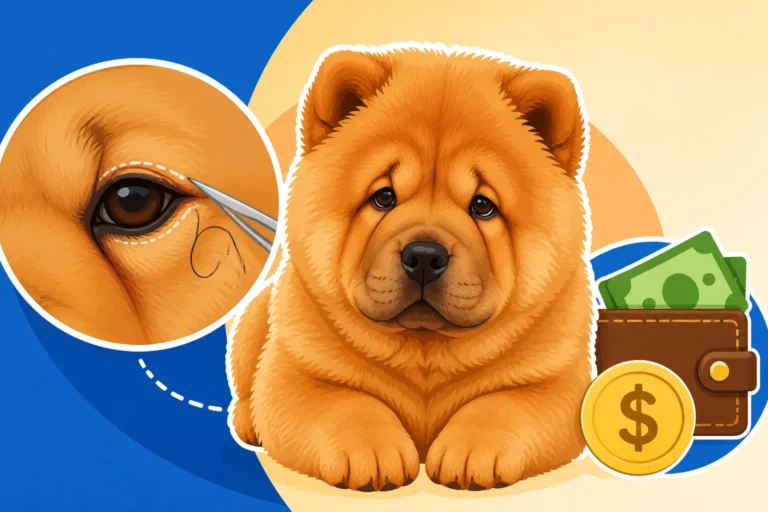
Perhaps one of the most common and surprising expenses for new Chow Chow owners revolves around their eyes. The breed's distinctive deep-set eyes, while contributing to their unique "scowl," can predispose them to conditions like entropion, where the eyelids roll inward, causing eyelashes and fur to rub against the cornea. This isn't just uncomfortable; it's incredibly painful and can lead to corneal ulcers, infections, and even blindness if untreated.
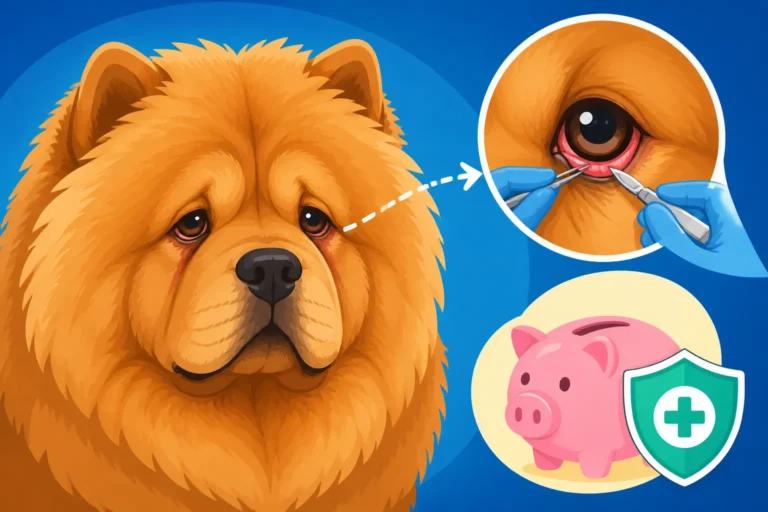
Many puppies will need temporary eyelid tacking, a procedure where stitches are placed to pull the eyelids outwards, to help them grow into their skin. This might be needed once, or even twice, during puppyhood. In many cases, entropion requires corrective surgery when the dog is older, a delicate procedure performed by a veterinary ophthalmologist. The Entropion Surgery Every Chow Chow Owner Should Budget For is a crucial read for any prospective owner. The cost isn't just the surgery itself; it includes multiple pre- and post-operative appointments, special eye drops, and potential follow-up care if complications arise or if the surgery needs to be repeated. And then there’s glaucoma, another serious eye condition that can develop rapidly and requires immediate, aggressive, and often expensive treatment to save the dog’s vision. Glaucoma Can Blind a Chow Chow in Days explains how critical these situations can be.
Joint Problems: A Silent Burden
Another area where Chows can surprise owners with costs is their joint health. They are prone to hip and elbow dysplasia, conditions where the joints don't form properly, leading to arthritis, pain, and lameness. While responsible breeders will have their breeding stock screened and certified by organizations like the Orthopedic Foundation for Animals (OFA), environmental factors and genetics can still play a role. Signs of discomfort may not be obvious until the dog is older, or after strenuous activity.
Dealing with joint issues often involves a multi-faceted approach. This can range from anti-inflammatory medications and pain management, physical therapy, joint supplements (often recommended by your vet), to potentially complex and expensive surgeries. The costs accumulate over a dog's lifetime, especially as they age and arthritis becomes more pronounced. Imagine the surprise when you realize your dignified Chow Chow needs regular veterinary hydrotherapy sessions or specific prescription diets to manage their joint pain, adding monthly costs you hadn't anticipated.
| Expense Category | Expected by New Owners | Often Surprises New Owners | Typical Intervention / Why it's Pricey |
|---|---|---|---|
| Grooming | Basic brushing | Professional de-matting | Dense double coat, matting, special handling fees, need for high-velocity dryers. |
| Occasional bath | Regular professional grooms | Time-consuming process, specialized tools, groomers charging extra for breed/temperament. | |
| Veterinary Care | Annual check-ups | Entropion surgery | Specialist veterinary ophthalmologist, multiple surgeries, post-op care, medications. |
| Vaccinations | Glaucoma treatment | Emergency care, continuous medication to manage eye pressure, potential surgery or eye removal. | |
| Routine care | Joint management | Lifelong medications, physical therapy, supplements, potential orthopedic surgery for dysplasia/arthritis. | |
| Living Expenses | Food, basic toys | Cooling costs | Air conditioning running constantly, cooling mats, specialized cooling vests, higher energy bills. |
| Leash, collar | High-quality training | Breed-specific trainers, extended sessions due to Chow Chow's independent nature, private lessons. | |
| Insurance | Pet insurance | Restricted breed premiums | Many insurers list Chows as restricted, leading to higher premiums or limited coverage. |
Hidden Costs of Lifestyle: Keeping a Chow Chow Comfortable and Safe
Beyond direct medical and grooming needs, the Chow Chow's unique physiology and temperament introduce other significant lifestyle-related expenses that many new owners simply don't foresee. These are the costs associated with simply making your home and routine suitable for this distinct breed.
The Unavoidable Air Conditioning Bill
You might think a dog with a thick coat simply needs a fan on a hot day. Oh, my friend, that's often not enough for a Chow Chow! Why a Chow Chow Overheats So Easily is something every owner learns quickly, often the hard way. Their incredibly dense double coat and their brachycephalic (short-nosed) structure make them highly susceptible to overheating and heatstroke. In many climates, particularly during warmer months, air conditioning isn't a luxury; it's a necessity for their survival and well-being.
The surprise comes when your electricity bill skyrockets because you need to keep your home comfortably cool, even when you're not there. Owners might find themselves investing in smart thermostats, cooling mats, or even dedicated room air conditioners to create a safe haven for their Chow. Skipping these measures isn't an option; heatstroke is a life-threatening emergency that can incur massive veterinary bills, if not worse.
Food and Nutrition: More Than Just Kibble
While Chow Chows aren't typically huge eaters for their size, their nutritional needs can still lead to unexpected costs. Some Chows have sensitive stomachs or develop allergies, requiring specialized diets. These prescription or limited-ingredient foods can be significantly more expensive than standard kibble. Finding a food that agrees with your Chow Chow might involve trial and error, which means buying different bags of food that ultimately go unused.
Furthermore, managing their weight is crucial, especially with their predisposition to joint issues. A high-quality diet tailored to their activity level and age is essential. Services like Ollie, which provides fresh, pre-portioned meals, or high-end brands available on Chewy, might become a preferred choice for owners looking for specific nutritional profiles, and these options often come with a higher price tag than your average pet store brand. Keeping a Chow Chow at the Weight Its Elbows Can Carry highlights the importance of this aspect.
Training and Socialization: A Critical Investment
Chow Chows are known for their independent, somewhat aloof nature. While this is part of their charm, it also means that early and consistent socialization and training are absolutely non-negotiable. Many new owners, accustomed to more biddable breeds, are surprised by a Chow Chow's stubborn streak and how quickly an undersocialized puppy can become a wary, potentially reactive adult.
This often means investing in professional training, even if you planned to do it all yourself. Puppy classes, private sessions, or even in-home consultations with a trainer experienced in working with independent guardian breeds can be a significant expense. Trying to skimp on this crucial foundation can lead to behavioral issues down the line that are far more costly to address, both financially and emotionally. A well-socialized and well-trained Chow Chow is a joy; one that isn't can be a handful, causing stress and potentially leading to unexpected behavioral intervention costs. Why Early Socialization Decides What a Chow Chow Becomes cannot be overstated.
The Long-Term Financial Planning: Insurance and Age
As your Chow Chow matures, the nature of surprising bills can shift. While puppyhood might bring surprises around eyes or unexpected training needs, the senior years often bring a different set of financial considerations that many new owners don't fully grasp.
Navigating Pet Insurance with a "Restricted" Breed
Many responsible owners consider pet insurance to help offset unexpected veterinary costs. However, Chow Chow owners often face a surprising hurdle: their breed is sometimes listed as "restricted" by certain insurance carriers. This doesn't mean you can't get insurance, but it might mean higher premiums, specific exclusions for breed-related conditions, or a more limited choice of providers.
Finding comprehensive coverage can be a challenge. You might find yourself comparing policies from companies like Healthy Paws, carefully checking the fine print for exclusions related to conditions like entropion, hip dysplasia, or autoimmune diseases. The surprise isn't just the existence of these breed-specific conditions, but the difficulty and added cost of insuring against them, especially if you wait until a problem arises. Insuring a Chow Chow When Carriers Say No delves deeper into this particular challenge.
The Cumulative Costs of an Aging Chow Chow
Watching your Chow Chow grow into a dignified senior is a privilege, but it often comes with increased veterinary expenses. Just like humans, aging dogs can develop a host of age-related conditions. Arthritis becomes more common, kidney or liver function might decline, and the risk of cancer increases. An aging Chow Chow might need more frequent vet visits, specialized blood work, prescription medications for chronic conditions, and even special diets.
The financial surprise comes from the sheer volume and ongoing nature of these costs. What might have been an annual expense can become a quarterly or monthly necessity. Caring for a Chow Chow in their later years requires not only a huge heart but also a prepared wallet, as detailed in Caring for a Chow Chow Past Eight. These are the costs that truly test a new owner's commitment, revealing the long-term financial reality of loving and caring for this magnificent breed.
Disclaimer
This article is for general informational purposes only and does not constitute professional advice. Laws, prices and regulations vary by location and change over time. Consult a qualified professional for guidance on your specific situation.