What Twelve Years of a Chow Chow Adds Up To
Bringing a magnificent Chow Chow into your life is an absolute joy, but many prospective owners grapple with the significant financial commitment beyond the initial purchase price. It’s easy to focus on the upfront cost of a puppy or adoption, but the true picture of Chow Chow ownership unfolds over their entire lifespan, which often stretches to a happy twelve years or more. This guide aims to pull back the curtain on the comprehensive costs associated with loving and caring for a Chow Chow for a full dozen years, helping you plan and budget for every stage of their life.
The Initial Investment: Bringing Your Chow Chow Home
The excitement of welcoming a new Chow Chow is undeniable, but it's quickly followed by the realities of setting up their new life. This initial stage involves more than just the cost of the dog itself; it's about creating a safe, comfortable, and well-equipped environment for them to thrive.
Purchase or Adoption Costs
Whether you choose to acquire your Chow Chow from a reputable breeder or through a rescue organization, there's an immediate financial outlay. Breeder prices can vary quite a bit, depending on the lineage, the breeder's reputation, and whether the puppy comes from show lines with extensive health testing. A well-bred Chow Chow puppy from health-tested parents will naturally command a higher price, reflecting the breeder's investment in quality, health, and responsible breeding practices. This upfront cost often includes initial vaccinations, deworming, and sometimes even microchipping. You can delve deeper into what these costs might look like by reading What a Chow Chow Puppy Costs From a Breeder.
On the other hand, adopting a Chow Chow from a rescue group is often less expensive initially, though it still involves a significant fee. These fees typically cover the rescue's expenses for spaying or neutering, vaccinations, microchipping, and any medical care the dog needed while in their care. It’s a fantastic way to give a deserving Chow Chow a second chance, and the adoption fee ensures the organization can continue its vital work. To understand the financial commitment of this route, take a look at What Adopting a Chow Chow Costs. Regardless of how your Chow Chow enters your home, remember that this is just the beginning of your financial journey together.
Initial Supplies and Setup
Once you've secured your new companion, the next step is to prepare their living space. This involves purchasing a range of essential items to ensure their comfort, safety, and well-being from day one. A sturdy crate is often a priority, providing a secure den for your Chow Chow, aiding in housetraining, and offering a safe space when you can't supervise them directly. Choosing the right size and type of crate is important, and you can explore this further in What a Crate for a Chow Chow Costs.
Beyond the crate, you’ll need food and water bowls, a comfortable bed (or several, for different areas of the house), a collar or harness, and a leash. Don't forget a collection of durable toys suitable for a strong chewer, as mental stimulation is crucial for Chows. Initial supplies of high-quality puppy food, treats, and grooming tools (brushes, combs, nail clippers) are also necessary. While these might seem like minor expenses individually, they quickly add up, easily reaching into the hundreds of dollars. Investing in good quality items from the start, perhaps from a reliable pet retailer like Chewy, can save money in the long run by reducing the need for frequent replacements.
Ongoing Care: The Day-to-Day Realities
Once your Chow Chow is settled, the routine costs of ownership begin to make themselves known. These are the expenses that will be a constant throughout their twelve years, demanding regular budgeting and planning.
Food and Nutrition
Feeding a Chow Chow effectively balances quality, quantity, and cost. While Chows aren't typically massive eaters compared to other breeds their size, they thrive on high-quality dog food. Opting for premium kibble, wet food, or even a fresh-food diet can impact your monthly budget significantly. You'll need to consider their age, activity level, and any specific dietary sensitivities they might develop. For instance, a growing puppy will have different caloric needs than a senior dog, and some Chows might require grain-free or limited-ingredient diets if they show signs of allergies. Knowing How Many Cups a Day an Adult Chow Chow Eats will give you a good starting point for budgeting.
A common misconception is that a smaller appetite means a smaller bill, but premium ingredients come at a price. Many owners choose brands like Ollie, which offers fresh, human-grade food tailored to your dog's specific needs. While such options might be pricier than standard kibble, many believe the health benefits are worth the investment, potentially reducing vet bills in the long term. Factor in treats for training and enrichment too – a Chow Chow needs mental engagement, and tasty rewards are a powerful motivator, even if they sometimes play hard to get.
Grooming Essentials
A Chow Chow's magnificent double coat is one of its most defining features, but it's also a significant grooming commitment. Both rough-coated and smooth-coated Chows require diligent care to prevent matting, skin issues, and excessive shedding. Professional grooming is an option many owners choose, especially during the biannual "coat blow" when they shed heavily. The cost of a professional groom, which includes bathing, drying, brushing out the undercoat, and nail trims, can be substantial due to the breed's size, coat density, and sometimes their reserved temperament. You can find out more about these specific costs in What Professional Grooming Costs for a Chow Chow.
Alternatively, you can commit to home grooming, which requires an investment in tools and time. A good quality slicker brush, an undercoat rake, a sturdy comb, nail clippers or a Dremel, and a high-velocity dryer are absolute necessities. Learning how to line brush your Chow Chow thoroughly to the skin is crucial. While home grooming saves on salon fees, the initial outlay for quality equipment and the time commitment—often several hours a week, and much more during a coat blow—are not insignificant. For a detailed breakdown of what you might spend, check out What Home Grooming Equipment Costs for a Chow Chow. Neglecting grooming can lead to painful mats and skin infections, ultimately resulting in expensive veterinary visits.
Routine Veterinary Care
Regular veterinary care is non-negotiable for a long, healthy life with your Chow Chow. This includes annual wellness exams, booster vaccinations, and regular parasite prevention for fleas, ticks, and heartworm. These routine visits are crucial for catching potential health issues early, which can save a lot of heartache and money down the line. A typical annual check-up involves a physical examination, and sometimes routine bloodwork, especially as your Chow Chow gets older. To prepare for these expenses, understanding What a Chow Chow's Yearly Exam Costs can be very helpful.
Vaccinations, while typically front-loaded in puppyhood, still require boosters throughout their adult life. These protect your Chow Chow from common and potentially deadly diseases. Furthermore, monthly or quarterly preventatives for internal and external parasites are essential, not just for your dog's health but also for your family's. While these costs are predictable, they are also mandatory and represent a continuous commitment over twelve years. For a comprehensive overview, read What a Chow Chow's Vaccinations Cost. It's a fundamental part of responsible pet ownership.
Health and Wellness: Anticipating the Unexpected and Age-Related Needs
One of the most significant and potentially unpredictable areas of Chow Chow ownership costs comes from their health. Like many purebred dogs, Chows are predisposed to certain genetic conditions that can become very expensive to manage.
Hereditary Health Concerns
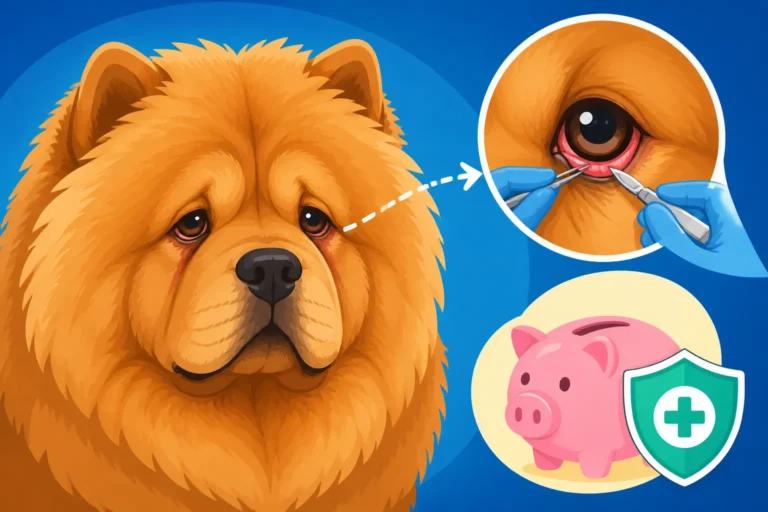
Chow Chows are known for a few specific hereditary health challenges that can significantly impact a budget. Perhaps the most well-known is entropion, where the eyelid rolls inward, causing eyelashes to rub against the cornea. This condition often requires surgery, sometimes on both eyes, and occasionally more than once. The cost of these surgical procedures can be substantial, making it a critical consideration for any Chow Chow owner. Many breeders will mention it, as it's something every Chow Chow owner should be prepared for. Take a look at The Entropion Surgery Every Chow Chow Owner Should Budget For for more insight. The impact of such surgeries is not just financial; it's also about the recovery and care involved.
Beyond entropion, Chow Chows can also be prone to conditions like elbow dysplasia and hip dysplasia, which are joint abnormalities that can lead to arthritis and require ongoing management or even surgical intervention. Glaucoma, a painful eye condition that can lead to blindness, is another serious concern that demands immediate and often costly veterinary attention. These conditions highlight the importance of choosing a reputable breeder who performs thorough health testing on their breeding stock to minimize the risk, but even then, there are no guarantees. Understanding What Entropion Surgery Costs on a Chow Chow will give you a clearer picture of potential expenses for this specific issue.
Pet Insurance Considerations
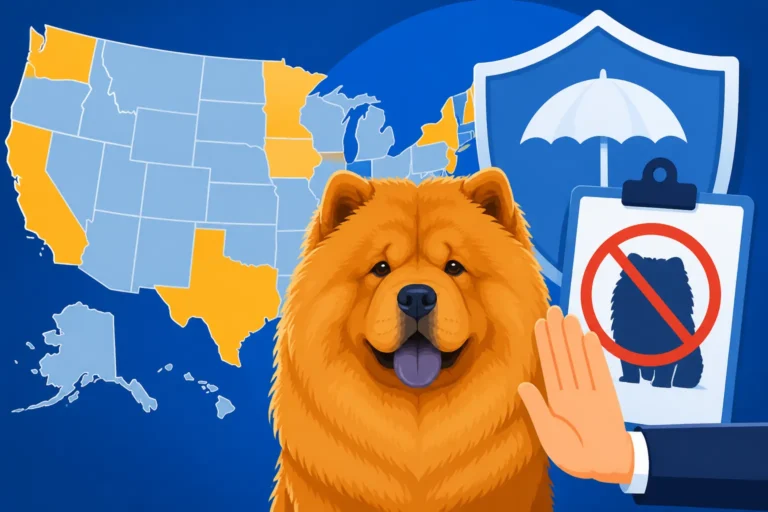
Given the potential for significant veterinary bills due to hereditary conditions or unexpected accidents, pet insurance can be a game-changer for Chow Chow owners. It's a way to mitigate the financial shock of a sudden illness or injury, allowing you to focus on your dog's health rather than the cost of treatment. However, finding the right policy and understanding its limitations is crucial. Some insurers might have breed-specific restrictions or higher premiums for Chow Chows due to their perceived health risks or temperament. It’s not always straightforward, and navigating the options can be tricky. Reading Insuring a Chow Chow When Carriers Say No might provide useful guidance on this matter.
Pet insurance policies typically work by reimbursing a percentage of your vet bills after you've met a deductible. The earlier you enroll your Chow Chow, the better, as most policies have waiting periods for certain conditions, and pre-existing conditions are usually not covered. Providers like Healthy Paws offer various plans, and it's essential to compare deductibles, reimbursement percentages, and annual limits to find a plan that fits your budget and offers adequate coverage for a Chow Chow's potential health needs. Over twelve years, the cumulative cost of premiums can be significant, but a single major illness or accident could easily exceed those payments.
Senior Care Costs
As your Chow Chow gracefully enters their senior years, typically around age eight, their care needs often change and, predictably, their associated costs tend to rise. Just like with people, older dogs require more frequent veterinary check-ups to monitor for age-related conditions. Arthritis is common, especially if they have had underlying joint issues like elbow or hip dysplasia, necessitating pain management medications, joint supplements, or even physical therapy. You can get an idea of what to expect in Caring for a Chow Chow Past Eight.
Beyond joint issues, senior Chows can develop other health problems such as kidney disease, heart conditions, diabetes, or even cognitive decline. Managing these conditions often involves prescription diets, multiple medications, and specialized diagnostic tests. These costs can accumulate rapidly, making the final years of your Chow Chow's life the most expensive. Having a clear understanding of What an Aging Chow Chow's Bills Look Like can help you financially prepare for this inevitable stage, ensuring your beloved companion receives the best possible care throughout their golden years.
| Cost Category | Initial (First Year) Estimate | Annual Ongoing Estimate | Senior Year Estimate (8+ years) |
|---|---|---|---|
| Purchase/Adoption | High (one-time) | N/A | N/A |
| Initial Supplies | High (one-time) | Low (replacements) | Low (replacements) |
| Food & Treats | Moderate | Moderate | Moderate to High (special diets) |
| Routine Vet Care | High (puppy shots) | Moderate | High (more frequent check-ups) |
| Grooming (Professional) | Moderate to High | Moderate to High | Moderate to High |
| Pet Insurance Premiums | Moderate | Moderate | High (premiums increase with age) |
| Unexpected Health Issues | Variable (potentially very high) | Variable (potentially very high) | Variable (potentially very high) |
| Training | Moderate | Low | Low |
| Boarding/Sitting | Variable | Variable | Variable |
| Miscellaneous | Low | Low | Low |
Note: These are general estimates. Actual costs will vary based on location, specific services, product choices, and your Chow Chow's individual health needs.
Lifestyle and Miscellaneous Expenses
Beyond the core essentials of food, grooming, and veterinary care, there are other costs that contribute to the overall twelve-year expense of owning a Chow Chow. These cover their behavioral needs, care when you're away, and general household adjustments.
Training and Socialization
Chow Chows are known for their independent and sometimes aloof nature, making early and consistent training and socialization absolutely paramount. Investing in puppy classes can lay a strong foundation, teaching basic manners and exposing your Chow to various sights, sounds, people, and other dogs in a controlled environment. However, due to their unique temperament, some Chow Chow owners find that professional, one-on-one training is highly beneficial, especially for addressing specific behavioral challenges or reinforcing good habits. This personalized approach can be more costly than group classes but often yields better results for this particular breed. To better understand these needs, you might want to read Whether a Chow Chow Needs a Professional Trainer Early.
Even after formal training, ongoing socialization and reinforcement of good behavior are crucial throughout your Chow Chow's life. This might involve continued engagement with a trainer, specialized workshops, or simply regular, positive exposure to the world. While you might not be paying for classes every year, the time investment is constant, and occasional refresher sessions or behavioral consultations could certainly crop up, adding to the overall cost. Preventing behavioral issues through good training can save you from potential future liabilities and stress, making it a worthwhile investment.
Boarding, Sitting, and Travel
Life happens, and sometimes you need to travel without your Chow Chow. Arranging care for your dog while you're away is another expense to factor into your long-term budget. Boarding kennels, pet sitters, or in-home care services all come with their own price tags, and costs can vary widely based on your location and the level of service provided. For a breed like the Chow Chow, which can be reserved with strangers and sometimes particular about their environment, finding a suitable and trustworthy care provider can be a challenge. Some facilities may even have restrictions on certain breeds, or charge a higher handling fee, given the Chow Chow's reputation. Knowing Whether Boarding Will Take a Chow Chow is a question many owners face.
It's wise to budget for this annually, as even a couple of short trips a year can add up. If your Chow Chow requires special medication or has specific behavioral quirks, the cost of specialized care will likely be higher. Sometimes, taking your Chow Chow with you on trips might be an option, but this then introduces expenses like pet-friendly accommodations, travel crates, and sometimes even airline fees, if applicable.
Home Adjustments and Incidentals
Living with a Chow Chow also means making certain adjustments to your home and budgeting for various incidentals over their twelve-year lifespan. A securely fenced yard is often considered essential for this independent and sometimes territorial breed, preventing them from roaming or encountering unwanted situations. The initial cost of installing or reinforcing a fence can be a substantial one-time expense. For more on this, check out What Fencing a Chow Chow Requires. Beyond fencing, you'll find yourself buying durable chew toys regularly to keep them mentally stimulated and prevent destructive chewing.
Other incidental costs include cleaning supplies for shedding (and trust me, there will be shedding!), occasional repairs for things they might chew or scratch, and potentially cooling mats or vests during warmer months to help manage their dense coat. Even small things like poop bags, shampoo, and dental chews add up over time. While individual items might seem minor, when viewed over a decade or more, these ongoing "little" expenses form a significant part of your overall financial commitment. Major pet retailers like Chewy are excellent for stocking up on these recurring necessities, often offering subscription services that can save you a bit in the long run.
Disclaimer
This article is for general informational purposes only and does not constitute professional advice. Laws, prices and regulations vary by location and change over time. Consult a qualified professional for guidance on your specific situation.