Teaching a Chow Chow to Sit
Many Chow Chow owners find themselves utterly bewildered when their seemingly intelligent and dignified dog appears to ignore basic commands, especially one as fundamental as "sit." It’s a frustrating experience, trying to teach something that feels so simple, only to be met with a blank stare or a casual stroll away. This guide is here to walk you through a Chow Chow-centric approach to teaching the "sit" cue, acknowledging their unique temperament and helping you build a positive, effective training relationship.
Understanding the Chow Chow Approach to Training
Let's be real: a Chow Chow isn't your typical golden retriever, eager to please and bouncing with enthusiasm for every command. Their heritage as ancient, independent guardians means they approach life—and training—with a certain stoicism and a "what's in it for me?" attitude. This isn't stubbornness in the traditional sense, but rather a strong sense of self-preservation and a belief that they are equal partners, not subordinates. Understanding this core characteristic is the first step toward successful training.
They aren't going to repeat a trick endlessly just because you asked nicely or because they adore you (though they certainly do adore you, in their own way!). Repetition for the sake of repetition often bores them, leading them to simply disengage. This is why you might find that Why Repetition Bores a Chow Chow. Instead, think of training as a series of negotiations and engaging puzzles rather than a strict drill. Your Chow Chow is constantly evaluating the value proposition.
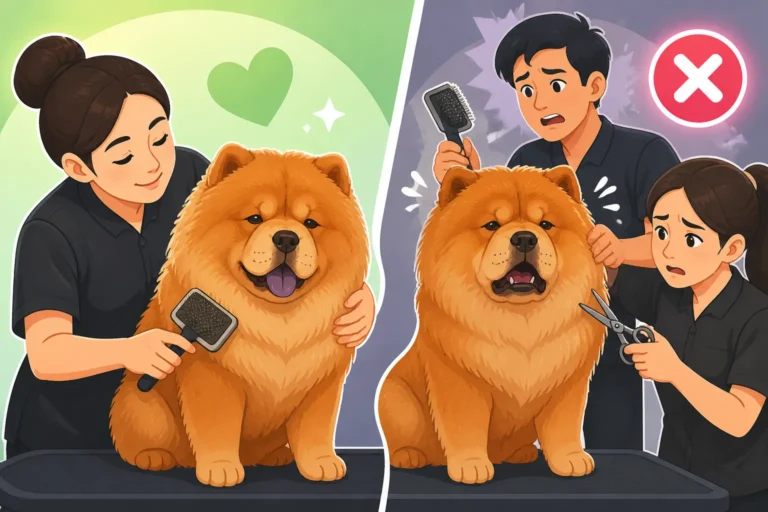
This independent streak also means that harsh corrections or an overly dominant approach will absolutely backfire. A Chow Chow will shut down, become resentful, and lose trust in you if you try to force them. They are sensitive, even behind that lion-like ruff. You'll find that Why Harsh Correction Backfires on a Chow Chow with this breed more than almost any other. Patience, consistency, and making training a rewarding experience are paramount to winning their cooperation.
Preparing for "Sit" Success
Before you even utter the word "sit," setting the stage for success is crucial. This breed thrives on routine and clear expectations, and a chaotic environment will only make them disengage faster. Think about where and when you'll be doing your training sessions.
Choosing the Right Environment
For initial training, you absolutely need a quiet, low-distraction environment. This means no other pets running around, no loud televisions, and ideally, not even other family members walking through the room. A Chow Chow needs to focus their intelligent but sometimes aloof mind entirely on you and the task at hand. Starting in a bustling living room is asking for trouble; they'll simply decide there are more interesting things to observe, or they'll get overwhelmed and shut down.
As your Chow Chow progresses, you can gradually introduce more distractions. For example, moving from a quiet room to a hallway, then to a fenced backyard, and eventually to a park during off-peak hours. The key is gradual progression, ensuring they are consistently successful at each stage before moving on. This slow build-up helps them generalize the command, understanding that "sit" means "sit" no matter where they are.
Selecting High-Value Rewards
This is perhaps the single most critical factor in motivating a Chow Chow. Standard kibble might work for a quick trick with some dogs, but for a Chow Chow, you need to bring out the big guns. Think about what your Chow Chow absolutely goes wild for. Is it small pieces of cooked chicken, cheese, hot dogs, or a special commercial treat? Whatever it is, make sure it’s easily chewable and can be given quickly.
Having a variety of treats on hand is also a good strategy because even a Chow Chow can get bored of the same thing. You might even find that rotating through a few different high-value treats keeps them more engaged. Store these treats in an easy-to-access pouch – you can find excellent treat pouches on Amazon that clip to your belt or waistband, keeping your hands free for luring and rewarding. The goal is to make the reward immediate and incredibly appealing, reinforcing the desired behavior instantly. Remember, Which Treat a Chow Chow Will Work Hardest For will likely be something truly delicious.
Step-by-Step: Teaching "Sit"
Now that we understand the Chow Chow mindset and have our supplies ready, let's dive into the actual training process. We’ll be using a method called "lure and reward," which is incredibly effective for getting dogs to understand what you want without any physical manipulation.
The Lure and Reward Method
The lure and reward method is gentle, positive, and works beautifully with the Chow Chow's independent nature. You're not forcing them into a position; you're guiding them with something they desire.
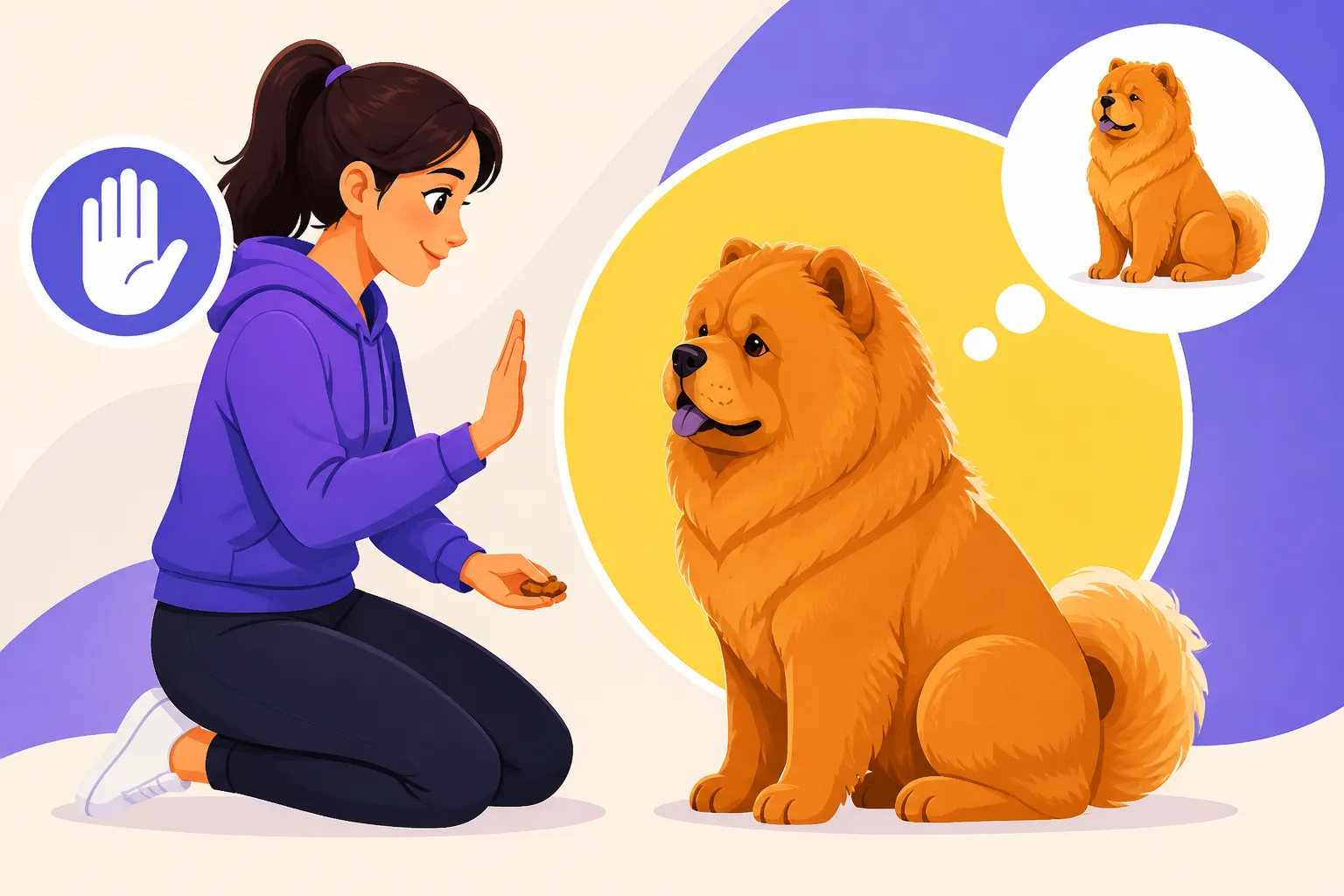
- Get Ready: Hold a high-value treat between your thumb and forefinger. Let your Chow Chow sniff it, but don't let them have it yet. Their focus should be entirely on that treat.
- The Lure: Bring the treat up and over their nose, slowly moving it towards their head and slightly backward, over their forehead. As you do this, their nose will naturally follow the treat.
- The "Sit" Action: As their nose follows the treat backward, their rear end will naturally lower to the ground into a sitting position. The moment their rear touches the ground, mark the behavior. This "mark" can be a verbal marker like "Yes!" or the click of a clicker (if you've conditioned them to a clicker).
- Reward Instantly: Immediately after marking, give them the treat. It's crucial that the reward happens the instant their rear hits the floor. Timing is everything in dog training!
- Release: After they've eaten the treat, give a release cue like "Okay!" or "Free!" and let them stand up. This teaches them that the "sit" is over and they can relax.
Repeat this process a few times. Keep sessions short – five minutes, maximum. Remember, How Long a Chow Chow's Training Session Should Be is not long at all. You want to end on a high note, before they get bored or frustrated.
Adding the Verbal Cue
Once your Chow Chow is reliably sitting when you lure them with the treat, it’s time to add the verbal cue.
- Say the Cue: Just as you bring the treat up and over their nose to begin the lure, say "Sit."
- Lure and Reward: Continue with the lure and reward as before. As their rear touches the ground, say "Yes!" (or click) and give them the treat.
- Repeat: Practice this for several sessions. The goal is for them to associate the word "sit" with the action of sitting, even before the treat fully guides them.
Eventually, you'll find that just saying "Sit" and making the luring motion will prompt them to sit. This is excellent progress!
Fading the Lure
The goal is for your Chow Chow to sit on command without needing to see a treat in your hand every time. This is called "fading the lure."
- Smaller Lures: Start by making the luring motion smaller and less obvious. Instead of moving the treat right over their head, use a smaller hand motion in the same direction, with the treat slightly hidden in your fist or just out of sight.
- Empty Hand Lure: Once they're responding to a smaller motion, try doing the motion with an empty hand. Say "Sit," make the motion, and when they sit, then retrieve a treat from your pocket or treat pouch and reward them.
- Verbal Only: Finally, try just saying "Sit." If they sit, heap on the praise and give them a treat. If they don't, go back to a subtle hand motion or an empty hand lure and try again. Don't get frustrated; this is a common step that takes patience.
The process of fading the lure can take time, but it's essential for a reliable "sit" cue.
| Step | Action | Goal |
|---|---|---|
| 1. Lure | Treat over nose, backward towards head. | Dog's rear naturally lowers into a sit. |
| 2. Mark | Immediately say "Yes!" or click the moment rear touches. | Dog associates action with positive outcome. |
| 3. Reward | Give high-value treat instantly. | Reinforce the desired behavior. |
| 4. Release | Say "Okay!" or "Free!" to end the command. | Dog understands when the behavior is no longer required. |
| 5. Add Cue | Say "Sit" as you begin the lure. | Dog connects verbal cue with the physical action. |
| 6. Fade Lure | Gradually reduce the size/visibility of the hand lure. | Dog sits on verbal cue alone, without needing a visible treat guide. |
Common Challenges and Troubleshooting
Even with the best intentions, you might hit a few bumps in the road when teaching your Chow Chow. Their unique personality often presents specific hurdles.
Lack of Motivation or Interest
If your Chow Chow seems utterly uninterested in the training session, even with high-value treats, it's easy to get disheartened. But remember, a Chow Chow’s lack of engagement usually stems from one of a few things:
- Treat Value: Are your treats truly high-value? Sometimes what we think is good, they find "meh." Experiment with different textures and flavors. Small pieces of boiled chicken or low-fat cheese often work wonders.
- Too Long: Your sessions might be too lengthy. Even five minutes can be too much for a young puppy or a particularly disengaged adult. Aim for 1-2 minutes of active training, then a break.
- Boredom: As mentioned, Chow Chows get bored with repetition. Try to make it a game. Hide-and-seek with treats, then ask for a sit. Or vary the location. If you’re using an online course, like the puppy training programs offered by BAXTER & Bella, they often provide creative ways to keep engagement high.
- Discomfort: Is your Chow Chow physically uncomfortable? Check the surface they're sitting on. Hardwood floors might be less appealing than a rug. Also, consider any underlying joint issues. A straight rear leg (Whether a Chow Chow's Straight Rear Leg Causes Problems) can sometimes make sitting for extended periods uncomfortable, so always ensure they're not in pain.
Never force your Chow Chow into a sit. This will break their trust and make them even more resistant. If they're not engaging, end the session positively and try again later with a fresh approach.
Distractions Everywhere
You've got your Chow Chow sitting perfectly in the quiet living room, but the moment you step outside, it's like they've never heard the word "sit" before. This is a classic problem.
- Gradual Progression: As discussed, you must introduce distractions slowly. Start with very minor distractions – a family member quietly walking across the room, then a soft noise, then a quiet park bench.
- Practice in New Places: Once they are reliable with minor distractions, start practicing in different locations, but keep the initial sessions short and highly rewarding. A dog that only practices "sit" in one room will only think "sit" means "sit in this room."
- Reinforce Heavily: When you introduce a new distraction or location, increase the value of your rewards. That means even tastier treats and lots of enthusiastic praise. Make it incredibly worth their while to pay attention to you despite the captivating world around them.
Consistency is key here. Don't expect perfection immediately in a new environment. Celebrate the small successes.
My Chow Chow Just Lays Down Instead!
Sometimes, when you lure your Chow Chow for a sit, they decide to lie all the way down instead. This usually means your lure is moving too far forward or too low.
- Adjust Your Lure: Make sure your treat hand is moving up and slightly back over their head, not down towards their chest. You want to lift their nose slightly, causing their rear to drop, rather than lowering their head.
- Quick Mark and Reward: The instant their rear hits the ground, even if they're about to lie down, mark and reward. This reinforces the "sit" before they can progress to a "down." If they still go into a down, gently reset them by standing up, waiting a moment, and trying again with a higher, slightly more backward lure.
Limited Vision or Hearing
Chow Chows have deep-set eyes, which can sometimes limit their peripheral vision. This might mean they don't see your hand lure if it's not directly in front of them, or they might startle if you approach them from the side while training. How a Chow Chow's Deep Set Eye Limits Its Vision can be a factor.
- Visual Cues: Always ensure you're in their direct line of sight. Make your hand signals clear and consistent.
- Verbal Clarity: Speak clearly and consistently. As they age, Chows can also develop hearing loss. For Deafness in an Aging Chow Chow, hand signals become even more critical, so it's good practice to pair verbal cues with clear hand signals from the start.
Making "Sit" a Reliable and Fun Cue
The goal isn't just to get your Chow Chow to sit once; it's to have a reliable "sit" that they will perform consistently when asked. This takes ongoing practice and reinforcement.
Generalizing the Command
"Generalization" means teaching your Chow Chow that "sit" applies everywhere, not just in your living room.
- Vary Locations: Practice in every room of your house, then your yard, then the sidewalk in front of your house, then a quiet park. Gradually increase the business of the location.
- Vary People: Have different family members ask your Chow Chow to sit (using the same cue word and hand signal you've established). This helps them understand that "sit" is a command, not just something you ask them to do.
- Vary Your Position: Ask for a sit when you're standing, sitting, or even walking a few steps away. This builds flexibility into their understanding of the command.
Every successful "sit" in a new situation or with a new person builds confidence and reliability.
Adding Duration and Distraction (Proofing)
Once your Chow Chow understands "sit" in various places, you'll want to "proof" the command. This means teaching them to hold the sit for longer and to perform it even with distractions.
- Duration: After they sit, instead of immediately rewarding, wait one second. Then two seconds. Gradually extend the time they hold the sit before getting the treat. Start small to avoid frustration.
- Distractions: Introduce distractions after they are in a sit. For example, have them sit, then gently drop a toy a few feet away. If they hold the sit, reward them. If they break, calmly reset and try again. Build up to higher-level distractions like a family member walking by, or another dog passing by (from a safe distance, of course, remembering A Chow Chow With Other Dogs).
Always reward for duration and holding the sit through distractions, especially in the early stages.
Maintaining the Behavior
Training isn't a "one and done" task; it's an ongoing conversation with your dog.
- Random Reinforcement: Once your Chow Chow is reliable, you don't need to reward every single sit with a treat. Switch to intermittent reinforcement. Sometimes they get a treat, sometimes enthusiastic praise (and How Far Praise Gets You With a Chow Chow), sometimes a quick scratch behind the ears. This keeps them guessing and working hard, as they never know when the big reward is coming.
- Keep it Fun: Continue to integrate "sit" into your daily life and make it a positive experience. Ask for a sit before putting down their food bowl, before going out the door for a walk, or before getting a favorite toy. These are all natural, low-pressure opportunities to reinforce the command.
- Short Review Sessions: Even a perfectly trained Chow Chow benefits from occasional short review sessions, especially if you haven't practiced a particular command in a while. A minute or two of quick "sits" for treats can keep the behavior sharp.
Teaching your Chow Chow to sit, and ultimately to be a well-mannered companion, is a journey that requires patience, understanding, and a willingness to adapt to their unique personality. It might not be as straightforward as with other breeds, but the bond you build through positive, respectful training will be incredibly rewarding.
Disclaimer
This article is for general informational purposes only and does not constitute professional advice. Laws, prices and regulations vary by location and change over time. Consult a qualified professional for guidance on your specific situation.