A Chow Chow With Other Dogs
Bringing a Chow Chow into a home where other dogs already live, or introducing one to canine friends on walks, can feel like navigating a minefield. Many Chow Chow owners find themselves frustrated and confused by their dog's aloofness, territorial instincts, or sudden reactivity towards other canines, often feeling like they've done something wrong. This comprehensive guide will delve into the unique behavioral traits of the Chow Chow when it comes to other dogs, offering realistic insights and actionable strategies to foster peaceful co-existence and manage interactions safely.
The Chow Chow's Instinctual Nature Towards Other Dogs
The Chow Chow is a truly ancient breed, and its history as a guardian, hunter, and all-around utility dog in China has deeply imprinted certain behaviors that manifest strongly in its interactions with other canines. Unlike many breeds specifically developed for pack work or cooperative hunting, the Chow Chow often exhibits a more solitary and self-reliant temperament. This isn't a flaw in their character; it's just who they are, and understanding this fundamental aspect is key to setting realistic expectations and managing their relationships with other dogs. They're not naturally inclined to be the life of the dog park party, and trying to force them into that role often leads to stress for everyone involved.
The Guarding Instinct and Personal Space
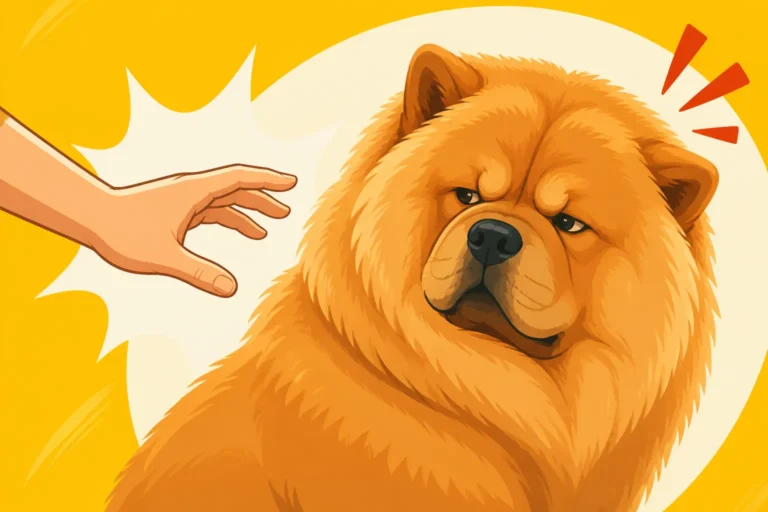
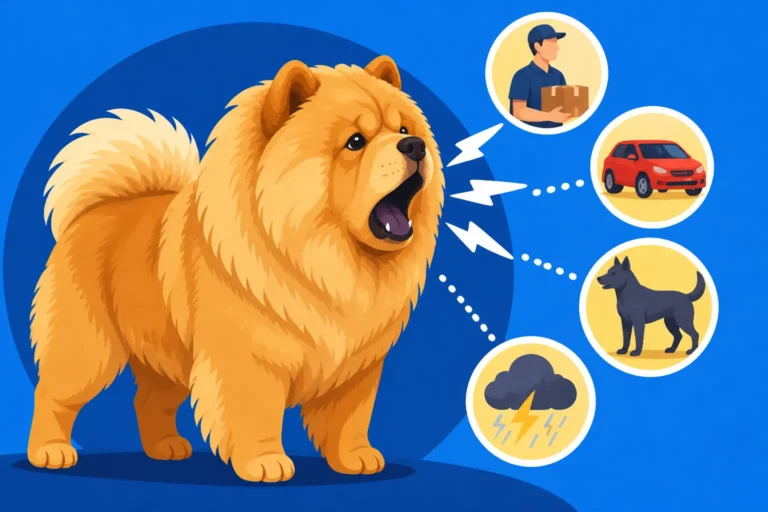
Chow Chows are inherently vigilant and possess a strong guarding instinct. This trait, while excellent for protecting their home and family, also extends to their personal space and resources when other dogs are present. They are often less tolerant of rude or overly boisterous behavior from other canines, seeing it as an intrusion or a challenge rather than playful interaction. Imagine someone constantly bumping into you and invading your bubble – that's how a Chow might perceive another dog that doesn't respect boundaries. This means that a bouncy, playful Labrador might find itself on the receiving end of a very clear, albeit sometimes silent, warning from a Chow who simply wants to be left alone. It's not necessarily aggression in the traditional sense, but a firm declaration of "my space, please respect it." This can make walks challenging, especially in busy areas where other dogs are off-leash or not under strict control.
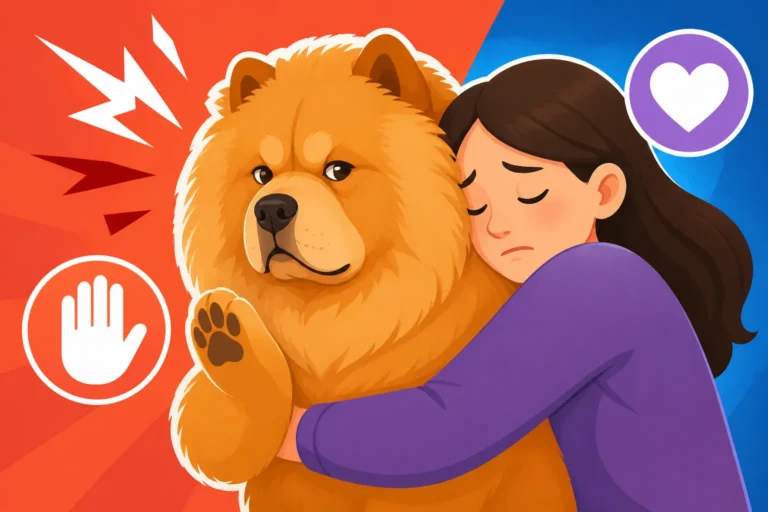
This guarding tendency can also apply to their chosen human. Many Chows are intensely devoted to one primary person, and they may be less than thrilled if another dog attempts to get too close or monopolize that person's attention. This isn't jealousy as a human would experience it, but more of a territorial assertion over their bond. It’s important to acknowledge this dynamic and ensure that all dogs in the household receive individual attention and that the Chow’s bond with its person isn't perceived as threatened by another canine. Understanding this protective streak is crucial when introducing your Chow to new environments or new dogs, as they are constantly evaluating potential threats to their perceived resources and personal safety.
Prey Drive and Small Canines
While not primarily known as a hunting breed in the same way a sighthound or terrier might be, Chow Chows do retain a degree of prey drive, a remnant of their historical roles. This instinct can sometimes be triggered by fast-moving, small animals – and unfortunately, this can sometimes include smaller, yappy dogs or puppies that dart around erratically. This isn't a universal trait, and many Chows coexist peacefully with smaller dogs, especially if raised together. However, it's a critical consideration for owners, particularly when encountering unfamiliar small dogs off-leash. A Chow Chow might view a quickly retreating small dog as prey, initiating a chase or even a more serious interaction.
This behavior isn't malicious, but rather an ancient instinct kicking in. It's why careful management, especially on walks, is paramount. If you see a small dog approaching, it's often best to calmly create distance or even step between your Chow and the other dog. For those living in multi-dog households, introducing a Chow to a much smaller dog requires extreme caution and careful, supervised integration to ensure that the size difference doesn't inadvertently trigger an unwanted response. Never assume that because your Chow is generally calm, it won't react to a small, fast-moving dog in a way you wouldn't expect.
Same-Sex Aggression: A Notable Trait
One of the more widely recognized traits in Chow Chows is their propensity for same-sex aggression, particularly between males. While not every Chow will exhibit this, it is common enough that it warrants serious consideration, especially if you are thinking of bringing a second Chow Chow into your home or already have one. This isn't unique to Chows; many independent, powerful guarding breeds can display this trait. For Chows, it often stems from their strong sense of hierarchy and unwillingness to back down from a challenge. Two intact male Chows, or even two spayed/neutered males, can find themselves in serious conflict over resources, territory, or perceived dominance. The same can apply, though often to a lesser degree, with two females.
Understanding Why Two Same Sex Chow Chows Fight is essential for responsible ownership. It's not a sign of poor training or a "bad dog," but rather a deeply ingrained breed characteristic that needs proactive management. If you have a male Chow, it's generally recommended that if you add another dog, it should be a female. If you have a female, another male is often a safer bet, although two females can also sometimes have friction, especially if one is more dominant. These are generalizations, of course, and individual personalities always play a role, but acknowledging this tendency can prevent devastating fights and serious injuries. Careful introductions, separate resources, and constant supervision are absolute necessities if you are attempting to house same-sex Chows together, and frankly, it's often best avoided entirely.
Early Socialization: The Crucial Foundation for Inter-Dog Harmony
Socialization is a word tossed around a lot, but for a Chow Chow, it's not just about letting them say "hi" to every dog they see. It's about careful, controlled, and overwhelmingly positive exposure during their critical developmental window. Without proper socialization, a Chow Chow is highly likely to develop fear-based reactivity or aggression towards other dogs, making their life, and yours, unnecessarily stressful. This isn't about making your Chow love every dog; it's about teaching them that other dogs exist, are generally neutral, and don't pose an immediate threat, allowing them to remain calm and comfortable in their presence.
The Limited Socialization Window of a Chow Chow Puppy
The period between approximately 3 to 16 weeks of age is a critical socialization window for puppies of all breeds, but it's especially vital and somewhat more limited for a Chow Chow. During this time, a puppy's brain is highly receptive to new experiences, forming associations that will shape its adult personality. For a Chow, whose natural inclination is often towards reserve and caution, positive early experiences with a wide variety of stimuli – including other well-adjusted dogs – are non-negotiable. Missing this window, or providing insufficient or negative experiences, can have lasting and difficult-to-reverse consequences.
If a Chow Chow puppy doesn't encounter a diverse range of friendly, calm dogs during this sensitive period, they are more likely to grow into an adult that views unknown canines with suspicion or fear. And an afraid Chow is a Chow that is prone to defensive snapping or lunging. The goal isn't necessarily to make them a social butterfly, but rather to teach them to be indifferent to other dogs in a variety of settings. This means exposing them to dogs of different sizes, breeds, and temperaments, but always in a safe, controlled, and positive manner. Every interaction should reinforce the idea that other dogs are not a threat. You can read more about this in When a Chow Chow's Socialization Window Closes.
Controlled and Positive Introductions
For a Chow Chow, quality always trumps quantity when it comes to socialization with other dogs. Forget the dog park free-for-all; that's almost always a recipe for disaster for this breed. Instead, focus on controlled, one-on-one introductions with known, calm, and well-socialized adult dogs. These interactions should always be supervised, brief, and end on a positive note. Think of it as carefully curated playdates rather than spontaneous encounters. A good strategy is to meet in a neutral territory, like a park neither dog considers "theirs," and start with parallel walking at a distance before allowing closer, on-leash greetings. Always keep the leashes loose; tension on the leash can transmit anxiety and make interactions worse.
When your Chow puppy is meeting another dog, ensure the other dog is friendly, patient, and not overly boisterous. If the other dog is too pushy or intimidating, it can easily create a negative association for your sensitive Chow. Offer high-value treats to your Chow every time they see another dog and remain calm. The goal is for them to associate other dogs with good things happening. Tools like long lines (always on a harness, never a collar for safety) can offer more freedom in a safe, enclosed area while maintaining control. Programs like those offered by BAXTER & Bella can provide structured guidance for these vital early interactions and help you plan your socialization adventures effectively.
Puppy Classes and Their Suitability
Many new puppy owners instinctively enroll their Chow Chow in a puppy kindergarten class, assuming it's the best way to socialize them. While puppy classes can be incredibly beneficial for many breeds, it's crucial to evaluate their suitability for a Chow Chow carefully. The environment of a typical puppy class – often a chaotic mix of overly enthusiastic puppies and varying levels of owner engagement – might not be the ideal setting for a naturally reserved and sometimes sensitive Chow. For some Chows, the sheer overwhelming nature of a free-for-all play session can be more detrimental than helpful, leading to fear or defensive behaviors. You'll often find Chows hanging back, observing, and getting stressed by the boisterous play of other puppies.
However, a well-run puppy class can be a huge asset. Look for classes with a small student-to-instructor ratio, clear rules for play, and instructors who are experienced with independent and guardian breeds. The best classes will prioritize controlled exposure, polite greetings, and positive reinforcement over unrestricted play. They should also focus on teaching owners how to read canine body language and intervene appropriately. If a class consists primarily of off-leash romping, it might be best to seek out one-on-one training or focus on highly controlled socialization with known dogs. A good puppy class will offer structured opportunities for your Chow to calmly observe and briefly interact, rather than forcing them into uncomfortable situations. Consider inquiring about Whether Puppy Class Suits a Chow Chow before enrolling.
Understanding Canine Body Language and Chow Chow Nuances
Dogs communicate constantly through their body language, and mastering the ability to read these subtle cues is invaluable when managing your Chow Chow's interactions with other dogs. However, Chows present a unique challenge because their breed-specific features can sometimes mask or even mimic common canine signals. Their deep-set eyes, ruff, and curled tail can make it difficult for both humans and other dogs to accurately interpret their intentions, often leading to misunderstandings that can escalate quickly.
Misinterpreting the Chow Chow's Stiff Demeanor
The Chow Chow's characteristic "stilted" gait and often rigid body posture can be easily misinterpreted by other dogs, and even by humans, as aggression or defensiveness. Many breeds signal their intentions with fluid movements, wagging tails, and direct eye contact. A Chow, with its stiff rear legs, curled tail (which often hides typical tail-wagging cues), and deep-set eyes, can appear unapproachable, wary, or even confrontational when it's simply walking or observing. Their natural aloofness means they don't often engage in the typical bouncy, inviting play bows or loose body language that signals friendliness to other canines. This can lead to other dogs either trying harder to "break the ice" (which can overwhelm a Chow) or, conversely, avoiding them altogether because they come across as unfriendly or intimidating.
It’s also important to consider Why a Chow Chow Snaps at Someone It Did Not See. Their deep-set eyes mean they have limited peripheral vision, making them easily startled by approaches from behind or from the side. This isn't aggression; it's a defensive reaction to being surprised, and it can occur just as readily with an unexpected dog as with a human. Understanding these physical limitations and breed characteristics is crucial for preempting potentially negative interactions. You, as their owner, become their eyes and advocate, anticipating situations where they might be startled and creating space or giving clear warnings to approaching parties.
Reading Another Dog's Signals
Just as other dogs might misread a Chow, it's vital for you to correctly interpret the body language of the dogs your Chow encounters. Look for signs of stress or discomfort in the other dog: lip licking, yawning, looking away, stiffening, growling, or attempts to create distance. If the other dog is showing these signals, it’s a clear indication that the interaction is not positive, and you need to intervene immediately by increasing distance. Conversely, a relaxed dog will have a loose body, soft gaze, and often a playful, wiggly demeanor.
Understanding these signals allows you to be proactive. If you see another dog exhibiting signs of fear or anxiety towards your Chow, you can quickly move your Chow away, preventing a potential incident. This observational skill is particularly important because Chows themselves can be subtle in their warnings, often going from still and quiet to a rapid, clear signal with very little in between. Being able to read the other dog gives you an early warning system. Many trainers, and resources like BAXTER & Bella, offer excellent guides and courses on canine body language that can significantly enhance your ability to navigate these complex social dynamics.
Recognizing Stress and Escalation
Chow Chows, with their stoic nature, can be masters at hiding discomfort until they reach their breaking point. It's rare for a Chow to give prolonged, overt warnings like a long, drawn-out growl before acting. Instead, their signals might be more subtle: a sudden stiffening of their body, a hard stare, a slight lift of the lip, or a quick flick of an ear. Their tail, often curled over their back, doesn't always provide the same clear signals as a loosely wagging tail might in other breeds. What might appear as minor annoyance in another dog can be a significant precursor to a snap or lunge in a Chow.
| Chow Chow Stress Signal (Subtle) | Typical Interpretation (Other Breeds) | Potential Escalation |
|---|---|---|
| Stiff body, head held high | Aloof, attentive, curious | Defensive snap/lunge |
| Direct, hard stare | Focused, interested | Warning growl/bark |
| Quick lip lick, yawn (out of context) | Calming signal, tired | Increased anxiety |
| Slightly flattened ears | Listening, mild apprehension | Increased irritation |
| Turning head away (then back) | Disengagement | Re-engagement with conflict |
| Minimal tail movement/stiff curl | Neutral, calm | No clear warning |
Because their warning signs can be so subtle and brief, it is paramount to intervene at the earliest sign of discomfort in your Chow or the other dog. Don't wait for a growl or a snarl. If your Chow stiffens, freezes, or gives that hard stare, it's time to create distance. Teaching yourself to be vigilant for these nuances will significantly reduce the likelihood of negative interactions and help your Chow feel safer and more confident in the presence of other dogs. Early intervention is always the best form of prevention.
Managing Multi-Dog Households with a Chow Chow
Bringing a Chow Chow into a home with existing dogs, or vice versa, requires careful planning and a deep understanding of the breed's unique needs. This isn't a "throw them together and see what happens" scenario; it's a deliberate, structured process focused on ensuring safety, harmony, and respecting each dog's individual space and personality. Many Chow Chows can live successfully with other dogs, but it often requires more active management from their human family.
Choosing a Compatible Canine Companion
If you're considering adding a second dog to a home with a Chow Chow, or a Chow to a home with another dog, the choice of companion is critical. As previously discussed, same-sex pairings, especially with intact males, are often discouraged due to the Chow's propensity for same-sex aggression. Generally, the most successful multi-dog Chow households consist of a male and a female. Beyond sex, consider temperament. A high-energy, constantly seeking play, or overly dominant dog is likely to clash with a reserved Chow.
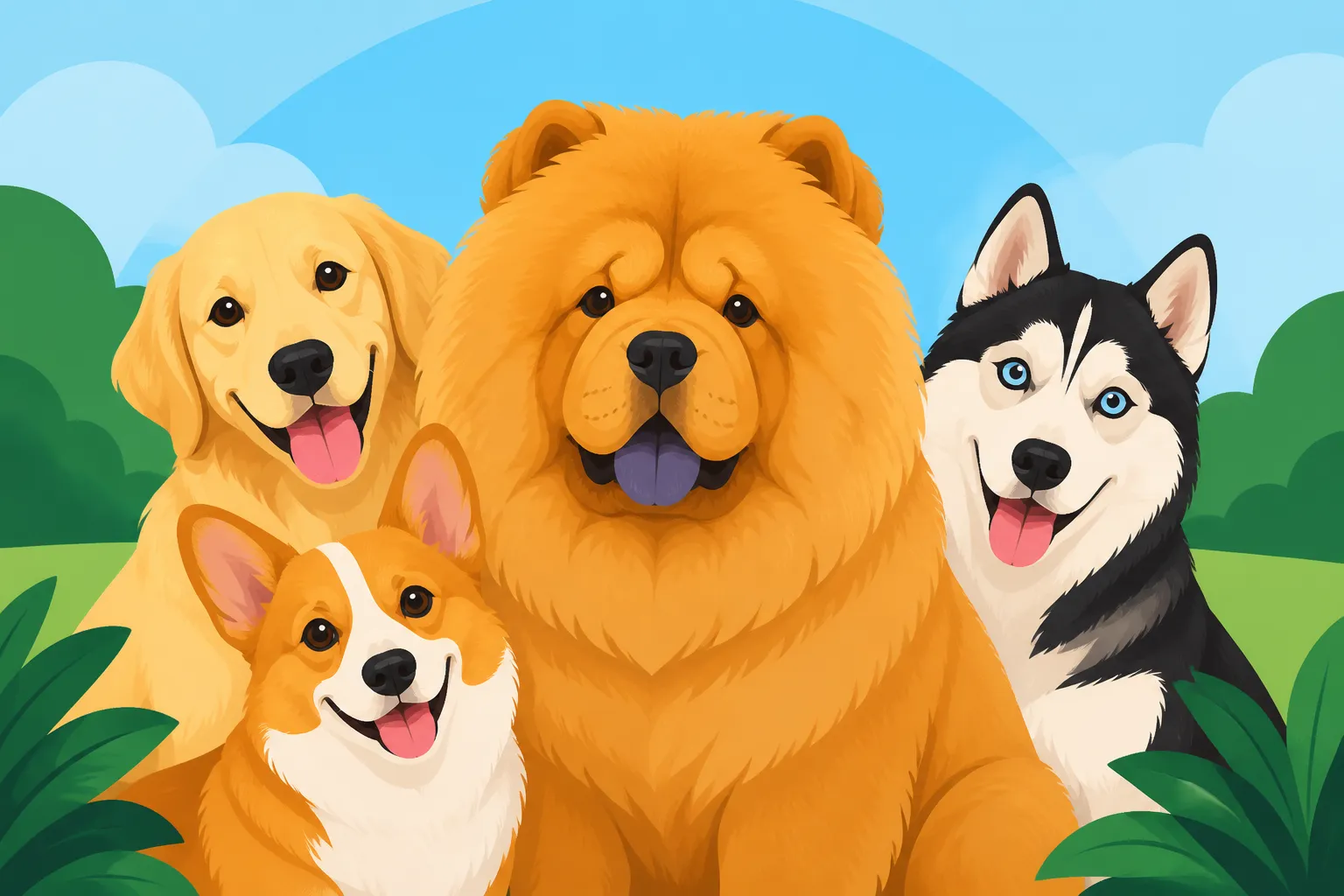
Look for a dog that is calm, respectful, and has a lower prey drive. An older, more settled dog or a breed known for its placid nature might be a better fit than a boisterous puppy. The size difference also matters; a very small, delicate dog might feel vulnerable around a Chow, while a much larger, overly dominant breed could intimidate them. It's often best to introduce them on neutral ground first and observe their interactions carefully. This isn't about finding a "best friend" immediately, but about finding a canine companion that your Chow can tolerate and coexist peacefully with. How a Chow Chow Gets Along With Other Dogs often depends heavily on these careful initial choices.
Resource Guarding Strategies
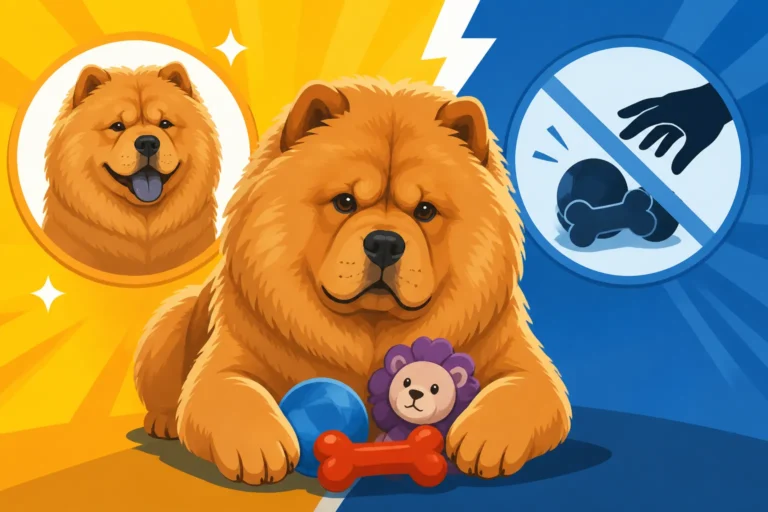
Chow Chows can be prone to resource guarding, meaning they protect their food, toys, sleeping spots, or even their people from other animals. In a multi-dog household, this can quickly lead to conflict. Proactive management is the only way to prevent these issues from escalating. First and foremost, feed dogs separately. This means each dog in its own room, crate, or behind a barrier, where they can eat their meals in peace without feeling threatened or rushed. Remove all food bowls once meals are finished to eliminate a potential source of contention.
When it comes to toys, especially high-value ones, it's often safer to offer them individually when dogs are separated, or to remove them entirely when all dogs are together unsupervised. Bones and chews should always be given when dogs are separated. Teach a "trade" cue to encourage your Chow to willingly give up items, using high-value treats as a reward. Ensure there are enough beds and resting spots for all dogs, preventing competition for comfortable areas. By meticulously managing resources, you remove many of the common triggers for conflict. This vigilance is crucial for How Territorial a Chow Chow Is and how that manifests around valued items.
Separate Spaces and Supervised Interactions
Even in the most harmonious multi-dog households, Chows benefit from having their own designated safe spaces. This could be a crate, a separate room, or a dog bed in a quiet corner where they can retreat and be undisturbed. This is particularly important for Chows who might feel overwhelmed by constant interaction or simply prefer solitude. These individual retreats prevent forced interactions and give each dog a sense of security and control over their environment.
All interactions, especially early on, should be supervised. Never leave multiple Chows, or a Chow and another dog, unsupervised until you are absolutely certain of their compatibility and trust their ability to self-regulate. Even then, it's often wise to err on the side of caution. When you're not home, separating dogs into different rooms or crates is the safest approach. This isn't about punishing them; it's about preventing potential conflicts that could lead to injury. Think of it as respectful management that caters to the Chow's need for personal space and quiet. Gradual, positive, and supervised interactions build trust and mutual respect, but vigilance should remain a constant.
Strategies for Safe Outdoor Encounters
Outdoor walks and visits to public places can be particularly challenging for Chow Chow owners. The world is full of unknown dogs, and not all of them (or their owners) understand the nuances of canine etiquette, let alone the specific needs of a Chow. Safe outdoor encounters are less about making your Chow friendly with every dog and more about skilled avoidance, management, and advocating for your dog's space.
Leash Reactivity and Management
Many Chow Chows exhibit some degree of leash reactivity towards other dogs. This isn't necessarily aggression; it's often a frustration or anxiety that stems from being unable to approach or retreat from another dog while restrained. The leash, which is meant to keep them safe, can ironically make them feel trapped, leading to barking, lunging, and growling. Their deep-set eyes, which limit their peripheral vision, can also contribute to this, as other dogs might appear to "pop up" unexpectedly, triggering a startled reaction.
Managing leash reactivity involves a multi-pronged approach. Firstly, aim for avoidance whenever possible. Change your walking route, cross the street, or turn around if you see an approaching dog that might trigger your Chow. Secondly, work on counter-conditioning and desensitization. This means creating positive associations with other dogs seen at a distance. Every time your Chow sees another dog (before they react!), immediately reward them with a high-value treat. The goal is to change their emotional response from "oh no, a dog!" to "yay, a dog means treats!" Keep interactions brief and positive. A sturdy, comfortable harness and a good quality leash are essential. Consider brands available on Amazon for these practical walking tools.
Avoiding Dog Parks
For most Chow Chows, dog parks are an absolute no-go zone. The uncontrolled environment, the mix of unknown dog temperaments, and the unpredictable nature of interactions are antithetical to a Chow's preference for order, personal space, and controlled introductions. As discussed earlier, their body language can be misinterpreted, and their guarding instincts can be easily triggered in such a chaotic setting. They are not typically dogs who enjoy rough-and-tumble group play with strangers. The risk of conflict, injury, and negative experiences far outweighs any perceived benefit of socialization in a dog park for this breed.
Instead of dog parks, focus on structured, one-on-one playdates with known, compatible dogs in a securely fenced area. These could be friends' dogs, or dogs you've carefully screened through a trusted trainer. This allows you to control the environment, the duration of play, and intervene immediately if any signs of stress or conflict arise. It's about quality interactions, not quantity. Trust me, your Chow Chow will be far happier and safer with a few select, calm canine companions than trying to navigate the unpredictable dynamics of a dog park. This is why Whether a Dog Park Suits a Chow Chow is almost always answered with a resounding "no."
Controlled Greetings and Departures
Even with careful avoidance, there will be times when your Chow Chow encounters other dogs on leash. The key is to manage these greetings and departures to be as positive and low-stress as possible. For most Chows, direct head-on greetings are too confrontational. A better approach is parallel walking at a distance, allowing them to acclimate to each other's presence before a brief, supervised side-by-side sniff. Keep greetings very short – a few seconds at most – and then calmly move on. Don't force prolonged interaction if either dog shows signs of discomfort.
Always advocate for your Chow. If another owner allows their dog to rush up to yours, be firm (but polite) in asking them to create space. Explain that your dog needs a slow introduction or prefers not to greet other dogs on leash. Have high-value treats ready to reward calm behavior or to distract if an unwanted interaction is looming. If your Chow has significant reactivity, a "yellow ribbon" campaign (a yellow ribbon on the leash to signal "needs space") can sometimes be helpful, although not universally understood. Ultimately, your goal is to be your Chow's protector and guide, making sure their outdoor experiences are as stress-free as possible. For serious challenges, considering options like Whether a Chow Chow Can Be Rehabilitated Around Dogs with a professional behaviorist can make a world of difference.
When to Seek Professional Help
While understanding your Chow Chow's breed characteristics and implementing proactive management strategies can go a long way, there are times when professional help is not just recommended, but absolutely necessary. Ignoring persistent behavioral issues, especially those involving aggression towards other dogs, can lead to serious consequences for your dog, other animals, and even humans. Recognizing when you're in over your head and reaching out to a qualified expert is a sign of responsible and loving ownership.
Identifying Persistent Behavioral Issues
It’s one thing for a Chow Chow to be aloof or reserved; it’s another for them to consistently display fear, aggression, or an inability to cope with other dogs. Persistent behavioral issues include:
- Frequent lunging, barking, or growling on walks: This isn't just an occasional lapse; it's a consistent pattern.
- Actual fights or bites: Any instance of a fight resulting in injury, even minor, is a red flag.
- Excessive stress or anxiety: If your Chow is constantly stressed by the mere presence of other dogs, to the point of showing physical signs of anxiety (panting, drooling, pacing, shaking) or refusing to eat, it needs attention.
- Resource guarding escalations: If separate feeding or toy management isn't resolving aggressive guarding behaviors.
- Inability to manage two dogs in the home: If conflict between your Chow and another dog is a regular occurrence, threatening the safety of either animal.
These are not behaviors that will "fix themselves" or that you can easily train out with basic obedience. They require targeted intervention from someone with expertise in canine behavior.
Finding a Qualified Professional
When seeking help for behavioral issues, it's crucial to find the right kind of professional. Look for a Certified Professional Dog Trainer (CPDT-KA), a Certified Dog Behavior Consultant (CDBC), or a Veterinary Behaviorist (DACVB). Avoid trainers who advocate for harsh, punitive methods, as these can severely damage a Chow Chow's trust and often exacerbate fear-based aggression, leading to a more dangerous dog. Chows shut down under pressure, and force will only make them more reactive.
A qualified professional will conduct a thorough assessment of your dog, looking at its history, temperament, and the specific triggers for its behavior. They will then develop a customized behavior modification plan that focuses on positive reinforcement, counter-conditioning, and desensitization. They will also teach you the skills to manage and train your dog effectively. Don't be afraid to ask about their methods, experience with Chow Chows or similar breeds, and certifications. A good professional will be transparent and eager to educate you.
Training Methods for Reactive Chows
Working with a reactive Chow Chow requires patience, consistency, and the right approach. The core of most effective training methods for reactivity centers on changing your dog's emotional response to other dogs. This involves:
- Management: As discussed, this means avoiding triggers whenever possible, using leashes, muzzles (if necessary and properly conditioned), and creating distance.
- Counter-Conditioning: This involves changing your Chow's negative association with other dogs into a positive one. Every time they see another dog (at a distance where they are calm), they get a high-value treat. Over time, the sight of another dog predicts something good, rather than something scary or annoying.
- Desensitization: Gradually increasing your Chow's exposure to other dogs, starting at a far distance where they are completely calm and slowly moving closer as they show positive progress. This is often done with "set-ups" with a known, calm dog at a controlled distance.
- Parallel Walking: Walking alongside another calm dog, maintaining a comfortable distance, allowing both dogs to just exist in each other's presence without direct interaction.
- Engagement/Focus Exercises: Teaching your Chow to focus on you, even with distractions present, using high-value rewards. A strong "look at me" cue or a reliable heel can be lifesavers on walks.
This process is not a quick fix. It takes time, dedication, and a commitment to understanding and meeting your Chow Chow's unique needs. But with the right professional guidance and consistent effort, you can significantly improve your Chow's comfort level around other dogs, leading to a much more peaceful and enjoyable life for everyone involved.
Disclaimer
This article is for general informational purposes only and does not constitute professional advice. Laws, prices and regulations vary by location and change over time. Consult a qualified professional for guidance on your specific situation.