Whether a Chow Chow Should Be Muzzle Trained Early
One of the most common anxieties for Chow Chow owners, or those considering bringing one into their home, is how to manage certain situations where your dog might feel overwhelmed, protective, or simply misunderstood. The idea of muzzle training can feel daunting, even a bit disheartening, as it often carries a stigma. However, for a Chow Chow, early and positive muzzle training isn't about aggression; it's a vital tool for responsible ownership, enhancing safety, reducing stress in novel situations, and fostering a lifetime of calm cooperation with vet visits, grooming, and public outings. This guide will walk you through why early muzzle training is not just beneficial, but often necessary for these magnificent, yet sometimes reserved, dogs.
Why Early Muzzle Training Is Crucial for a Chow Chow
The Chow Chow is a unique and ancient breed, known for its dignified, often aloof, temperament. While they are incredibly loyal and loving with their chosen family, their natural wariness of strangers and their protective instincts can present challenges in situations that require close contact from non-family members, such as veterinary exams or professional grooming. Moreover, their deep-set eyes can limit their peripheral vision, sometimes leading to startling when approached unexpectedly. This combination of traits makes early, positive muzzle training an invaluable part of their overall socialization and well-being.
Dispelling Muzzle Misconceptions
Let's be honest, the word "muzzle" often conjures images of aggressive dogs or punishment. This couldn't be further from the truth, especially when we're talking about responsible training. A muzzle, when introduced correctly and positively, is a safety device, much like a seatbelt in a car or a leash and harness on a walk. It prevents accidental nips or bites if a Chow Chow feels threatened or overwhelmed, which can easily happen in a high-stress environment like a vet's office or during an unfamiliar grooming procedure. It's a tool that protects everyone involved – your dog, you, the vet staff, and the groomer – by removing the risk of an unintended defensive reaction. It also allows your Chow to participate in more activities safely, without fear of misinterpretation from others.
Many owners feel that muzzle training implies their dog is "bad," but it's really about being proactive and prepared. It demonstrates that you understand your Chow Chow's breed traits and are committed to managing them thoughtfully. Think of it as part of your dog's "public manners" training, ensuring they can navigate the world with confidence and safety, even if they're naturally reserved.
The Chow Chow's Unique Temperament and Vision Needs
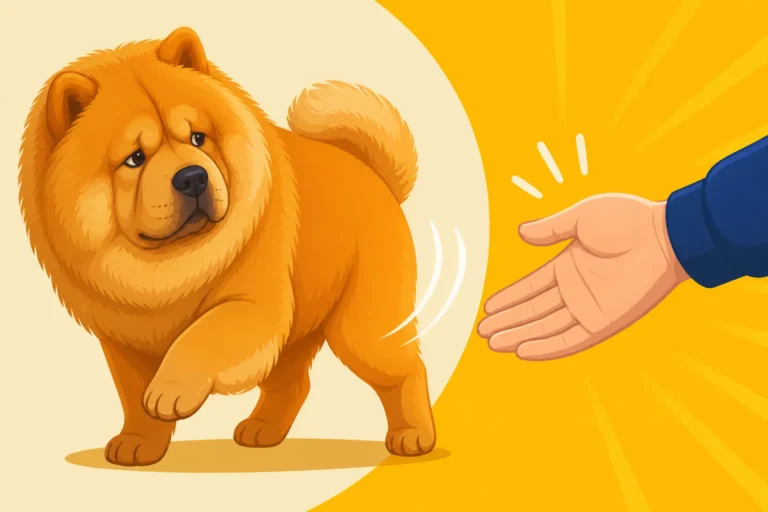
Chow Chows are not golden retrievers; they don't typically greet everyone with tail wags and slobbery kisses. Their independent and discerning nature means they often need time to assess new people and situations. This isn't aggression; it's simply how they're wired. Add to this their distinctive physical traits, like their deep-set eyes, which, while giving them that adorable scowl, actually limit their peripheral vision. This means a Chow Chow can be easily startled by unexpected movements or approaches from the side or behind, prompting a quick, defensive reaction that might be misinterpreted as aggression. This is one of the key reasons why understanding Why a Chow Chow Snaps at Someone It Did Not See is so important.
Imagine your Chow Chow, already wary of strangers, having a vet tech suddenly reach around them for a blood draw, or a groomer reaching for their rear with clippers. A dog that cannot see the approaching hand clearly might react defensively out of fear or surprise. A muzzle, in these scenarios, provides a vital safety net. It allows the necessary handling to occur without the risk of an accidental bite, which could otherwise lead to your dog being labeled as aggressive or even banned from certain services. Early positive training makes the muzzle a neutral, even pleasant, part of their routine, rather than a scary addition to an already stressful event.
Preparing for Veterinary Visits and Grooming
For many Chow Chows, vet visits and professional grooming are among the most stressful experiences. Vets and their staff need to perform hands-on examinations, give injections, draw blood, or apply treatments. Groomers need to handle their dense coat, trim nails, and clean ears – often in sensitive areas where a Chow Chow might object strongly. Without proper desensitization and safety measures, these essential activities can become battles, leading to heightened anxiety for your dog and potential danger for the humans involved. This is precisely why early muzzle training, combined with positive reinforcement, is so important. It can literally mean the difference between your Chow tolerating these necessary procedures and outright refusing them, potentially requiring sedation for even routine care. Consider this crucial information on Why a Chow Chow Fails at the Vet Without Practice.
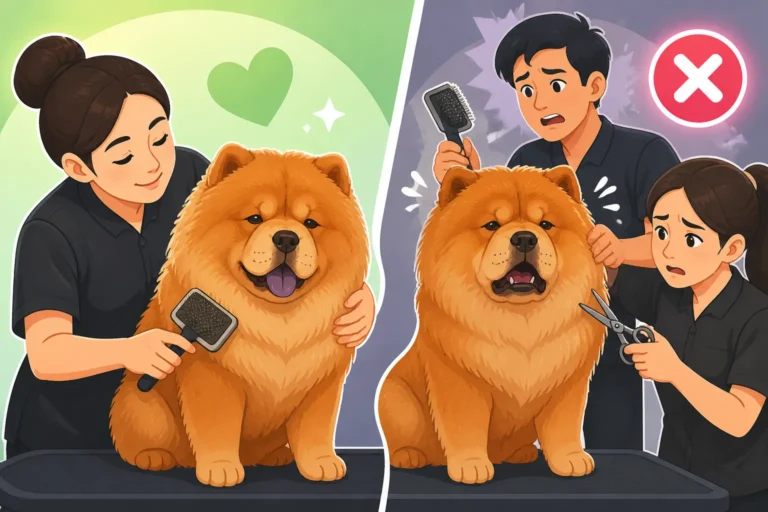
If your Chow Chow learns that the muzzle means good things – tasty treats, calm handling, and no pressure – then wearing it during these necessary but intrusive procedures becomes less traumatic. It allows the vet or groomer to safely do their job, and your Chow Chow to get the care they need without unnecessary restraint or escalation. Some veterinary practices or grooming salons may even require a muzzle for certain breeds or temperaments as a standard safety protocol, so having your Chow already comfortable with one makes you a prepared and responsible owner. Teaching a Chow Chow to accept being handled for grooming or vet visits is a continuous process, and a muzzle can be a crucial part of that training. You might also want to look into Teaching a Chow Chow to Be Brushed for specific grooming handling advice.
Choosing the Right Muzzle for Your Chow Chow
Selecting the appropriate muzzle is just as important as the training itself. A poorly fitting or uncomfortable muzzle can quickly create negative associations, making your training efforts much harder. The goal is safety and comfort, allowing your Chow Chow to breathe easily, pant, and drink water while wearing it.
Basket Muzzles vs. Fabric Muzzles
When it comes to muzzles, not all are created equal. For effective, positive training and prolonged wear, a basket muzzle is almost always the superior choice, especially for a Chow Chow.
| Feature | Basket Muzzle | Fabric Muzzle |
|---|---|---|
| Material | Plastic, wire, or silicone | Fabric (nylon, cloth) |
| Comfort/Breathing | Allows full panting, drinking, and treat-taking | Restricts panting, can cause overheating |
| Wear Duration | Can be worn for extended periods | Should only be worn for very short durations |
| Safety | Prevents bites, but dog can still open mouth | Prevents bites by holding mouth shut |
| Use Case | Vet visits, grooming, public safety, training | Emergency short-term restraint, quick procedures |
| Training | Easier for positive association with treats | Harder for positive association due to discomfort |
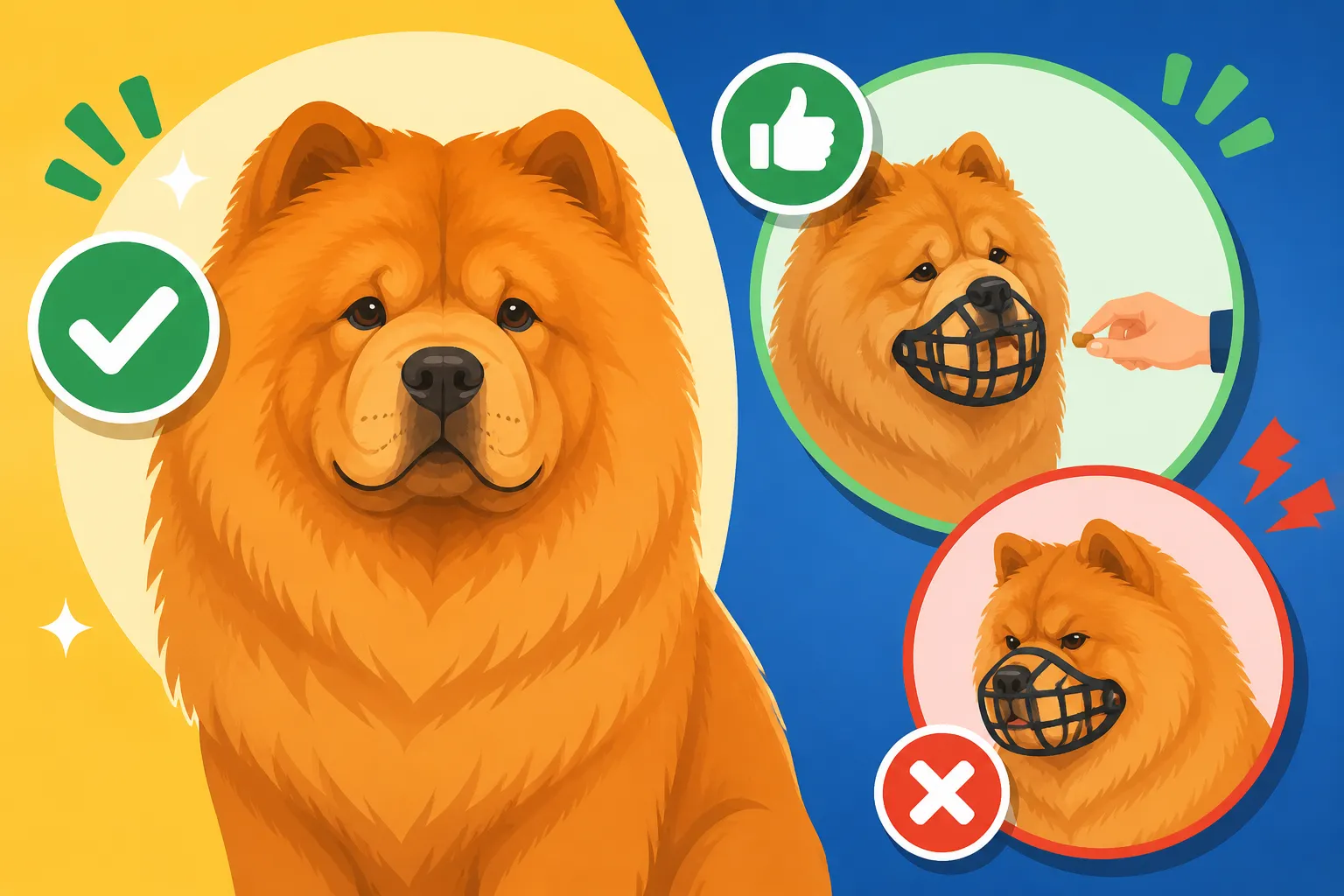
A basket muzzle, like those found on Amazon from brands like Baskerville or muzzle designs from The Muzzle Shop, allows your Chow Chow to open their mouth wide enough to pant, which is crucial for cooling, especially for a double-coated breed prone to overheating. They can also drink water and accept small, soft treats through the gaps, which is essential for positive reinforcement during training. This makes it a much more humane and comfortable option for any situation where the muzzle might be worn for more than a few minutes.
Fabric muzzles, on the other hand, restrict a dog's mouth from opening, which means they cannot pant effectively or drink. This can quickly lead to overheating and distress, especially for a Chow Chow. They are best reserved for very brief, emergency situations where a quick restraint is needed, such as during an injury assessment, and should never be used for general training, walks, or extended periods. Using a fabric muzzle for training will almost certainly create a negative association.
Getting the Perfect Fit
A muzzle is only effective and comfortable if it fits correctly. A muzzle that's too tight will chafe and cause discomfort, while one that's too loose can be removed by your Chow Chow or allow them to bite.
Here's how to measure for a basket muzzle:
- Length: Measure the distance from the tip of your Chow Chow's nose to the point just below their eyes where the muzzle would rest. You want the muzzle to extend slightly beyond the end of their nose, so it doesn't rub, but not so far that it interferes with their vision or is easily leveraged off.
- Circumference: Measure around the widest part of your Chow Chow's muzzle, usually just below the eyes. Add at least an inch (2.5 cm) to this measurement to ensure they have enough room to pant and open their mouth comfortably. This extra space is critical.
- Head Strap/Neck: For basket muzzles with an overhead strap, you'll also measure from the bridge of their nose, between their eyes, over the top of their head to behind their ears. This ensures the head strap is long enough to secure the muzzle properly without slipping.
When trying on a muzzle, ensure that:
- The basket does not press into their eyes or rub their nose.
- There's enough space (at least an inch) between the end of their nose and the front of the basket.
- They can comfortably open their mouth wide to pant and drink.
- The straps are snug enough to prevent removal but not so tight they cause discomfort or restrict breathing.
Some online retailers, like Amazon, provide detailed sizing guides and customer reviews that can help, but always double-check with actual measurements of your dog. It might take trying a couple of different brands or sizes to find the absolute perfect fit for your Chow Chow's unique head shape. Remember, their broad skull and short muzzle can sometimes make fitting tricky, so patience is key.
Step-by-Step Guide to Positive Muzzle Training
Positive muzzle training is all about building a happy association with the muzzle, so your Chow Chow views it as a source of good things, not something to be feared. This isn't a race; go at your Chow's pace, even if it means taking several days or weeks for each step.
Making the Muzzle a Positive Experience
The absolute cornerstone of successful muzzle training is positive reinforcement. You want your Chow Chow to love seeing the muzzle come out. This means pairing it exclusively with high-value treats and praise.
- Introduce the Muzzle Casually: Start by simply having the muzzle appear. Let your Chow Chow see it, sniff it. Don't push it on them. Every time they look at it, sniff it, or even just tolerate its presence, give them a high-value treat and verbal praise.
- Treats in the Muzzle: Hold the muzzle up and put a super tasty treat (think soft cheese, cooked chicken, or peanut butter) inside the basket. Let your Chow push their nose into the muzzle to get the treat. Do this multiple times. The goal is for them to voluntarily put their nose in the muzzle, associating it directly with delicious rewards. Brands like Amazon offer a huge variety of high-value training treats you can experiment with.
- Hold for Longer: Once your Chow Chow is comfortably putting their nose in the muzzle to get the treat, start holding the muzzle for a second or two while they're eating the treat. Then take it away. Gradually increase the duration.
- Practice Regularly: Short, frequent sessions (2-5 minutes, several times a day) are much more effective than one long, tedious session. Always end on a positive note, even if it means an easier step.
Never force the muzzle onto your Chow Chow. If they show any signs of stress, back up to an easier step. The moment they become uncomfortable, you risk creating a negative association that will be very hard to undo. Remember, you want them to willingly accept the muzzle as a predictor of good things.
Gradual Introduction and Desensitization
Once your Chow Chow is happy to put their nose into the muzzle for treats, you can start the process of buckling it, always incrementally.
- Buckle Briefly: With your Chow's nose in the muzzle and them enjoying a treat inside, gently bring the straps up and buckle them behind their head. Unbuckle it immediately, even before they finish the treat, and then give them another treat. The idea is to make the buckling and unbuckling so quick and seamless that they hardly notice it, focusing only on the reward.
- Increase Duration: Gradually, over many sessions, increase the time the muzzle is buckled. Start with just a few seconds, then 10 seconds, then 30 seconds, and so on. Always follow with a high-value treat after the muzzle comes off, and continue to give treats through the basket while it's on. You can distract them with a puzzle toy or a long-lasting treat when they first have it buckled for a longer period.
- Positive Activities While Muzzled: Once your Chow can wear the muzzle for a minute or two comfortably, start engaging them in positive, calm activities while they're wearing it. This could be a short training session with easy cues they already know, a brief play session, or just calmly sitting next to you while you offer treats. The online dog training program BAXTER & Bella offers fantastic resources on positive reinforcement techniques that can be applied to muzzle training. The goal is to make the muzzle just another part of their routine, not something that stops all fun.
Remember to keep the energy low and calm. If your Chow starts pawing at the muzzle or trying to rub it off, they might be going too fast. Go back to a shorter duration or an easier step.
Integrating Muzzle Wear into Daily Life
The final stage of training is to generalize the muzzle to different environments and situations, making it a normal part of your Chow Chow's life when needed.
- Short Walks: Once comfortable at home, put the muzzle on for short, calm walks around your yard or a quiet street. Continue to reward them for wearing it, and praise them for their good behavior.
- Public Places (Quiet First): Gradually introduce the muzzle in more stimulating environments, starting with very quiet public places during off-peak hours. A quiet park, a quick trip to the pet store when it's empty – these are good starting points. Always observe your Chow Chow's comfort level and be ready to remove the muzzle if they become stressed. This helps them understand that the muzzle isn't just for home, but for various outings.
- Simulate Vet/Groomer Visits: Practice having your Chow Chow wear the muzzle while you gently handle their paws, ears, or mouth. Simulate grooming sessions by brushing them gently (if they tolerate it). If they need to go to the vet for a routine check-up, have them wear the muzzle for a portion of the visit, even if it's just in the waiting room. This will greatly aid in making those visits less stressful for everyone involved. For more on preparing for these situations, see Teaching a Chow Chow to Wear a Muzzle.
The key is consistency and repetition, always paired with positive reinforcement. The more neutral or positive experiences your Chow Chow has while wearing the muzzle, the more accepting they will be of it when it's truly needed.
Common Challenges and Troubleshooting
Even with the best intentions and methods, you might encounter some bumps in the road during muzzle training. It's important to understand these challenges and have strategies to overcome them with patience and understanding.
Resistance and Negative Associations
A common challenge is if your Chow Chow resists the muzzle, tries to rub it off, or even freezes when they see it. This usually indicates that the training went too fast, or that your Chow has already formed a negative association, possibly from an earlier attempt or a previous stressful experience while muzzled. This is tough, but not insurmountable.
- Go Back to Basics: If your Chow Chow shows resistance, stop trying to buckle it. Go all the way back to simply presenting the muzzle and putting treats inside it, allowing them to voluntarily put their nose in. Build that positive foundation again, even if it feels like you're starting from scratch.
- Change Muzzles: Sometimes, the issue might be the muzzle itself. It could be uncomfortable, too tight, or the wrong material. If you've been using a fabric muzzle, switch to a well-fitting basket muzzle. If it's a basket muzzle, try a different size or brand. Comfort is paramount.
- Higher Value Rewards: Elevate your treat game! If regular kibble isn't cutting it, try boiled chicken, cheese, or even squeezed cream cheese from a tube. The reward needs to be incredibly enticing to overcome any existing apprehension.
- Shorten Sessions & Increase Frequency: Instead of one 10-minute session, try five 2-minute sessions spread throughout the day. This keeps it light, fun, and prevents your Chow from getting bored or overwhelmed.
- Consult a Professional: If you're really struggling, don't hesitate to reach out to a certified professional dog trainer or a veterinary behaviorist. They can observe your Chow Chow's body language and help you identify specific triggers or adjustments needed in your approach. They can also offer personalized guidance for dogs that are particularly sensitive or anxious about new equipment.
Remember that a Chow Chow's reserved nature means they may not communicate distress as overtly as other breeds. Learning How to Read a Chow Chow's Face and understanding their subtle cues is vital to successful training.
Maintaining Consistency and Patience
Training a Chow Chow for anything requires an abundance of patience and unwavering consistency. They are intelligent dogs, but they are also independent thinkers. What they learn one day, they might "forget" or decide to ignore the next, especially if they don't see the immediate benefit. This is particularly true for something like muzzle training, which can initially feel intrusive to them.
- Everyone on Board: Ensure that everyone in the household who interacts with your Chow Chow is following the same training protocols. Consistency in how the muzzle is presented, how treats are given, and what expectations are set is key to avoiding confusion.
- Don't Rush: It bears repeating: do not rush the process. What might take one dog a few days could take a Chow Chow several weeks or even months. Celebrate small victories – a nose voluntarily in the muzzle, a few seconds buckled without a fuss. Each positive interaction builds a stronger foundation.
- Keep it Positive, Always: Never use the muzzle as punishment or in any negative context. It should always be associated with good things, happy voices, and tasty treats. If you lose your cool or get frustrated, your Chow Chow will pick up on that emotional shift and it will derail your progress. Step away, take a breath, and come back when you're in a calm state of mind.
- Regular Maintenance: Even after your Chow Chow is comfortable wearing the muzzle, continue to have short, positive "maintenance" sessions. This ensures the positive association remains strong and prevents them from regressing. A quick minute with the muzzle on and a special treat once a week can keep them fresh and ready for when it's truly needed.
By investing the time in early and positive muzzle training, you are not only safeguarding your Chow Chow and those around them but also ensuring that they can navigate a world full of necessary vet visits, grooming appointments, and occasional public outings with greater confidence and less stress. This proactive approach is a hallmark of responsible Chow Chow ownership.
Disclaimer
This article is for general informational purposes only and does not constitute professional advice. Laws, prices and regulations vary by location and change over time. Consult a qualified professional for guidance on your specific situation.