How Often a Chow Chow Should Be Bathed
One of the biggest head-scratchers for any Chow Chow owner is figuring out how often to actually bathe that magnificent, cloud-like coat. You want your fluffy companion to be clean and smell fresh, but you've also heard tales about their unique fur and the potential pitfalls of over-bathing or, worse, improper drying. This guide is here to walk you through the nuances of Chow Chow bathing, ensuring your furry friend stays healthy, happy, and delightfully fluffy without any unintended skin or coat issues.
Understanding the Chow Chow's Unique Coat
Let's be real, a Chow Chow's coat isn't just "hair" – it's a marvel of canine engineering. It’s dense, luxurious, and provides incredible insulation, but it also demands a specific approach to grooming, especially bathing. Trying to treat it like a short-coated dog’s fur is a recipe for disaster.
The Double Coat's Purpose and Structure
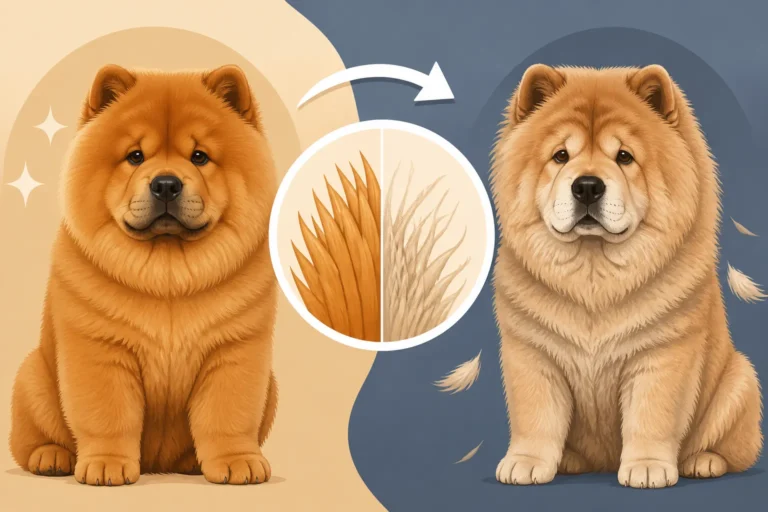
At first glance, you see the beautiful, long outer guard hairs, but beneath that lies a secret weapon: a soft, woolly undercoat. This dual-layer system is what makes the Chow Chow so distinctive and helps them thrive in colder climates. The rough-coated Chow Chow, with its abundant ruff and feathering, is particularly known for this impressive mane. The outer coat, made of coarser, straight hairs, acts as a protective barrier against dirt, moisture, and debris. It's designed to shed water and keep the elements at bay. Then there's the incredibly dense, fluffy undercoat, which provides the bulk of their insulation, keeping them warm in winter and surprisingly helping to regulate their temperature in summer by trapping a layer of cooler air against their skin.
Many new Chow Chow owners don't realize just how intricate this setup is. It's not just about looking pretty; it's functional. Understanding What a Chow Chow's Double Coat Is Made Of is crucial because it directly impacts every aspect of their grooming routine, from brushing to bathing. Without proper care, this complex coat can quickly become a tangled, matted mess, leading to discomfort and skin issues.
Why Their Coat Repels Water
You might have noticed that when your Chow Chow steps out into a light drizzle, the water often just beads up and rolls right off their outer coat. This isn't magic; it's clever design. The guard hairs are naturally somewhat oily and coarse, creating a barrier that prevents moisture from easily penetrating to the skin. This natural repellency is a huge benefit in their ancestral cold, damp environments, keeping them dry and warm.
However, this water-repelling quality also means that getting them truly wet for a bath takes effort. You can't just give them a quick rinse and expect the water to reach all the way down to their skin. It requires thorough saturation to ensure the shampoo can actually do its job. Conversely, this same property makes drying them an absolute epic undertaking, as we'll discuss later. If you just let them "air dry" after a bath, that dense undercoat will hold onto moisture for an unbelievably long time, creating a damp, warm environment ripe for bacterial growth and skin problems.
The Myth of the "Self-Cleaning" Coat
While a Chow Chow's coat is designed to be low-maintenance in some ways – the outer guard hairs do help shed some dirt and debris – it is absolutely not self-cleaning. This is a common misconception that can lead to neglect and serious problems. Sure, some mud might dry and flake off, and loose hair helps carry away some grime. But think about all the invisible things: dust, dander, pollen, skin oils, and environmental pollutants. These build up over time, not to mention the occasional roll in something truly foul!
Leaving these things to accumulate can lead to skin irritation, blocked pores, and a dull, unhealthy coat. The natural oils, while protective, can also become rancid and contribute to that "doggy odor" if not properly managed with regular, albeit infrequent, bathing. Plus, beneath that fluffy exterior, matting can silently take hold, especially in friction areas like behind the ears, armpits, and britches, further trapping dirt and moisture.
Factors Influencing Bathing Frequency
There's no single, universal answer to "how often should I bathe my Chow Chow?" It truly depends on a variety of individual factors, from their daily routine to their specific skin needs. What works for one Chow Chow might be completely wrong for another.
Lifestyle and Environment
Consider your Chow Chow's daily life. Is your companion a meticulously clean indoor dog who rarely ventures beyond a neatly manicured backyard and short leash walks on paved paths? Or do they enjoy romping through muddy fields, visiting dog parks, or exploring wooded trails? An outdoor adventurer will naturally accumulate more dirt, pollen, and environmental debris, necessitating more frequent baths.
For instance, a Chow Chow living in an urban apartment with strictly managed potty breaks on concrete might only need a bath every two or three months. Their exposure to grime is minimal. However, if your Chow Chow loves to spend hours playing in the local dog park's sandy areas or has access to a sprawling, leafy yard, they might pick up more dirt, allergens, and even pests that warrant a bath every month or even more often during certain seasons. Think about the pollen count in your area – high pollen can lead to itchy skin, making a bath a relief, not just a cleaning chore.
Skin and Coat Health Concerns
This is a big one. A Chow Chow with perfectly healthy skin and coat might do well with infrequent baths, relying on good brushing and occasional spot cleaning. But many Chow Chows can suffer from various skin issues. They are prone to things like allergies, which can manifest as itchy, flaky, or red skin. In these cases, your veterinarian might actually recommend more frequent bathing using a specialized medicated shampoo to help soothe the skin and wash away allergens.
Likewise, if your Chow Chow develops hot spots – those nasty, red, moist lesions that appear seemingly overnight – a bath with an antiseptic shampoo can be part of the treatment protocol. On the other hand, if your Chow Chow has very dry skin, excessive bathing, especially with harsh shampoos, could strip essential oils and worsen the condition. In such cases, a moisturizing shampoo and conditioner, along with a less frequent schedule, would be more appropriate. Always consult your vet if you suspect a skin condition; they can guide you on the best bathing frequency and product choices. Why a Chow Chow's Dense Coat Hides Skin Disease means you need to be extra vigilant.
Seasonal Considerations
The changing seasons play a huge role in a Chow Chow's bathing needs. The most prominent seasonal factor is the "coat blow," which typically happens twice a year, usually in spring and fall. During a coat blow, your Chow Chow will shed their entire undercoat, and it comes out in truly astonishing quantities. If you thought they shed normally, wait until you experience a full coat blow!
During this period, increased bathing can actually be beneficial. A good bath, combined with thorough brushing and a high-velocity dryer, can help loosen and remove the shedding undercoat much faster. This not only makes your life easier (less fur tumbleweeds around the house!) but also helps prevent painful matting and allows new, healthy coat to grow in. Outside of coat blows, colder, drier winter months might call for less frequent bathing to preserve natural skin oils, while warmer, wetter summer months might warrant more baths if your Chow Chow spends more time outdoors getting dirty or needs relief from allergens.
Establishing a Regular Bathing Schedule
Finding that sweet spot for bathing your Chow Chow is a bit like a dance – you learn your dog's rhythm and adjust as needed. Consistency, however, is key once you've found what works.
The "Goldilocks" Zone: Not Too Often, Not Too Little
For the average, healthy Chow Chow who primarily lives indoors and gets regular walks, a good starting point for bathing frequency is every 1 to 3 months. This range is often "just right" for most Chows. Bathing too frequently, say every week or two, can strip the natural oils from their skin and coat, leading to dryness, irritation, and even making them more prone to skin issues. It also makes the already Herculean task of drying them an unbearable chore.
On the flip side, waiting too long – beyond three or four months for an indoor dog – can lead to significant accumulation of dirt, dander, and oils, which can cause skin problems, unpleasant odor, and matting. The longer you wait, the harder it becomes to get them truly clean, and the mats will be more established and difficult to remove. A Chow Chow needs regular grooming, even if that grooming isn't always a full bath. For instance, How Often a Rough Coated Chow Chow Needs Brushing is far more frequent than their bathing schedule.
| Factor | Recommended Bathing Frequency | Notes |
|---|---|---|
| Indoor, Low Activity | Every 2-3 months | Minimal dirt exposure, focus on general freshness. |
| Indoor, Moderate Activity | Every 1-2 months | Regular walks, occasional outdoor play. May pick up more allergens. |
| Outdoor Enthusiast | Every 4-6 weeks | Frequent exposure to dirt, mud, environmental elements. Check skin often. |
| Coat Blow Season | Every 3-4 weeks | Helps remove shedding undercoat, prevents matting. |
| Skin Allergies | As directed by vet | Often more frequent (e.g., weekly) with medicated shampoo. |
| Senior/Less Active | Every 3-4 months | Less prone to getting dirty, but still needs cleanliness for comfort. |
Adapting to Your Chow Chow's Specific Needs
This isn't a one-size-fits-all situation. Pay close attention to your Chow Chow's coat condition and skin health. If you notice a "doggy" smell returning sooner than usual, or if their coat looks dull and feels greasy, it might be time for a bath. Conversely, if their skin appears dry or flaky, or they're itching more than usual, reconsider your frequency or the products you're using.
For example, a Chow Chow with a medical condition like sebaceous adenitis (though rare) or even simple dry skin might need specialized bathing products and a very specific schedule prescribed by a veterinarian. Some owners find that their Chow Chow's personality even plays a role; some Chows are meticulous about keeping themselves clean, while others are simply magnets for dirt and debris. Don't be afraid to adjust your schedule based on direct observation of your individual dog. The key is flexibility and responsiveness to their evolving needs, not strict adherence to an arbitrary timetable.
The Importance of Proper Technique
Bathing a Chow Chow isn't just about getting them wet and applying shampoo; it's a careful process, and the drying part is arguably the most critical. You absolutely must saturate the coat completely before applying shampoo, ensuring water penetrates all the way to the skin. This means working in sections, gently massaging the water through that dense undercoat. Likewise, rinsing must be meticulous to ensure no shampoo residue is left behind, which can irritate the skin.
But where many owners go wrong is the drying. How Long a Chow Chow Takes to Dry can be hours, even with professional equipment. It is non-negotiable that a Chow Chow must be dried thoroughly, down to the skin, after every bath. Leaving the undercoat even slightly damp can lead to skin infections, hot spots, and matting. This isn't just about comfort; it's a health imperative. Why a Chow Chow Must Be Dried to the Skin cannot be overstated, and rushing this step negates all the benefits of the bath itself.
The Risks of Improper Bathing or Over-Bathing
While you might think more baths equal a cleaner, healthier dog, with a Chow Chow, that's often not the case. Their unique coat and skin require a delicate balance, and going overboard or using the wrong techniques can lead to a host of problems.
Skin Irritation and Dryness
One of the most immediate consequences of over-bathing or using harsh shampoos is stripping the natural oils from your Chow Chow's skin and coat. These oils are a protective barrier, keeping the skin moisturized and healthy. Without them, the skin can become dry, flaky, itchy, and irritated. You might notice your Chow Chow scratching more, or you might see dandruff-like flakes when you brush them. This isn't just uncomfortable for them; it can also compromise their skin's barrier function, making them more susceptible to bacterial or fungal infections.
Imagine constantly washing your own hair with a harsh degreaser – your scalp would be screaming for mercy! It's similar for your Chow Chow. Their skin needs those oils. Using a gentle, moisturizing shampoo designed for dogs, followed by a good conditioner, can help mitigate some of these effects, but moderation in frequency remains crucial.
Coat Damage and Matting
You'd think a clean coat would be a healthy coat, but excessive washing, especially without proper brushing before and during, can actually promote matting. When a dense double coat gets wet, individual hairs swell and can intertwine more easily, especially if there's already some loose undercoat present. If not thoroughly brushed out before the bath, any existing tangles will tighten into rock-hard mats when wet, becoming nearly impossible to remove without cutting them out.
Beyond matting, frequent washing can damage the delicate balance of the coat itself. The outer guard hairs can become brittle, and the undercoat might lose its natural texture and insulating properties. Improper drying is a huge culprit here too. If the coat is left damp, not only does it encourage bacterial growth, but it also creates the perfect environment for mats to form and tighten as the hair dries unevenly. Why a Damp Chow Chow Gets Skin Trouble is a lesson every Chow Chow owner learns the hard way.
Stripping Natural Oils
We talked about skin irritation, but it's worth emphasizing the specific issue of stripping natural oils. Your Chow Chow's skin produces sebum, a waxy, oily substance that conditions the coat and forms a protective layer on the skin. This is their natural moisturizer and a first line of defense against environmental irritants and pathogens. Every time you bathe them, especially with detergents or shampoos not specifically formulated for dogs, you remove some of this protective layer.
While it's necessary to remove excess oil and dirt periodically, doing it too often depletes these essential oils before the skin has a chance to replenish them. This can lead to a vicious cycle: dry skin leads to itching, scratching causes microscopic abrasions, and these open the door for secondary infections. It's a delicate balance of cleanliness and preservation of natural defenses. That's why choosing the right products is just as important as choosing the right frequency.
Essential Tools and Products for Chow Chow Bathing
Bathing a Chow Chow isn't a task for the faint of heart, or for those without the right arsenal of tools. Trying to get this job done with substandard equipment will only lead to frustration for you and discomfort for your dog.
Shampoos and Conditioners Tailored for Dense Coats
Forget about human shampoo – it's simply not formulated for a dog's pH level and will likely cause skin irritation. For a Chow Chow, you need a high-quality dog shampoo that is gentle, moisturizing, and specifically designed for thick or double coats. Look for formulas that are soap-free, paraben-free, and ideally, hypoallergenic if your Chow Chow has sensitive skin. Brands like Earthbath, TropiClean, or even some veterinary lines often have excellent options. For removing loose undercoat during a coat blow, a deshedding shampoo can be incredibly helpful.
And don't skip the conditioner! A good canine conditioner is essential for a Chow Chow's coat. It helps to moisturize the skin, detangle the fur, make brushing easier, and restore some of the natural oils that the shampoo might have removed. Look for deep conditioning treatments or rinse-out conditioners that you can work thoroughly through the undercoat. Which Shampoo Suits a Chow Chow's Coat is a crucial decision that can make or break your bathing experience and your dog's skin health. After all, Whether a Chow Chow Needs Conditioner is often an emphatic yes for this breed. Many excellent options are available from retailers like Chewy or Amazon, making it easy to find what you need.
Drying Equipment: The Non-Negotiable Necessity
This is where many home groomers falter. You simply cannot air-dry a Chow Chow. As we've mentioned, their dense undercoat holds moisture for an incredibly long time, leading to skin issues and matting. A high-velocity dryer (also known as a forced-air dryer) is not a luxury; it's a necessity for any Chow Chow owner who plans to bathe their dog at home. These dryers blow air at a high speed, forcing water out of the coat rather than just using heat. They significantly cut down drying time and help "blow out" loose undercoat, which is a huge bonus during shedding season.
While a human hairdryer can be used on a very low, cool setting in a pinch for small areas, it's not powerful enough for the entire coat and can easily overheat, burning your dog's skin. Invest in a good quality high-velocity dryer. There are many reputable brands available online through retailers like Amazon. This single piece of equipment will save you immense time, prevent coat problems, and make the whole bathing process safer and more efficient.
Grooming Aids for Pre and Post-Bath
Beyond shampoo and dryer, you'll need a few other tools to ensure a smooth bathing experience.
- Undercoat Rake and Slicker Brush: Before and after a bath, thorough brushing is essential. An undercoat rake helps remove loose undercoat, preventing mats from forming during the bath. A slicker brush then smooths the outer coat. How to Line Brush a Chow Chow is a technique you'll want to master to ensure you reach down to the skin. Knowing What an Undercoat Rake for a Chow Chow Costs can help you budget for this essential tool.
- Absorbent Towels: Have several large, super-absorbent towels on hand to blot as much water as possible from the coat before you even bring out the dryer.
- Grooming Table (Optional but Recommended): A grooming table with a non-slip surface and a grooming arm can make the bathing and drying process much easier on your back and keep your Chow Chow secure.
- Ear Cleaner and Cotton Balls: After bathing, it's a good idea to gently clean their ears to prevent moisture buildup, which can lead to ear infections.
- Treats: Don't forget the power of positive reinforcement! High-value treats will help make the bathing experience more tolerable, and even enjoyable, for your Chow Chow.
The Step-by-Step Chow Chow Bathing Process
Alright, you've got your tools, you've chosen your products, and you've mentally prepared. Now, let's get into the actual bathing process. Remember, patience is your best friend when working with a Chow Chow, especially during bath time.
Pre-Bath Prep: Brushing is Key
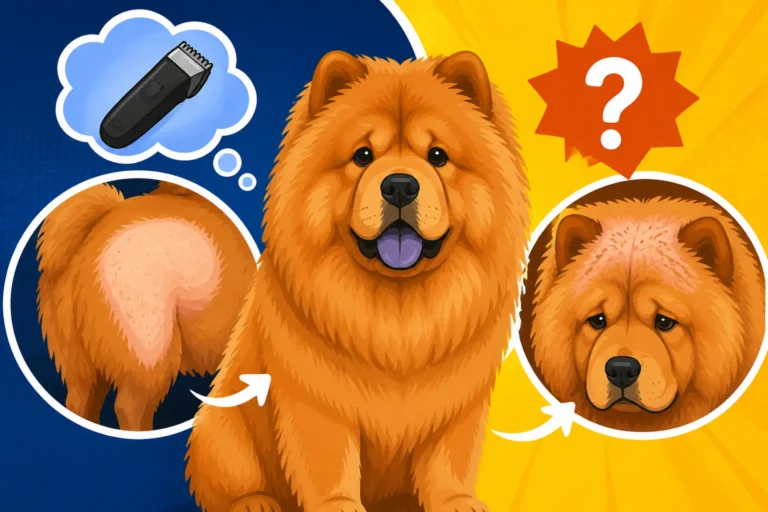
Before your Chow Chow even sees the tub, the most crucial step is a thorough pre-bath brush-out. This isn't optional; it's absolutely mandatory. Any mats or tangles present in their coat before bathing will tighten up like concrete when wet, becoming incredibly difficult, if not impossible, to brush out. This can lead to painful skin pulling and even necessitate shaving.
Use an undercoat rake to work through their dense fur, section by section, starting from the skin and working your way out. Pay special attention to areas prone to matting, such as behind the ears, in the armpits, on the britches, and under the collar. Once you’ve removed as much loose undercoat as possible and all visible tangles, follow up with a slicker brush to smooth the outer coat. This extensive brushing session might take a good hour or more for a rough-coated Chow Chow, but it will save you immense grief later. This also helps distribute natural oils and removes dead hair, making the shampoo more effective.
The Actual Bath: Soaking and Lathering
Now for the wet part! Get your Chow Chow into the tub or bathing area. Start by thoroughly saturating their coat with warm water. This is where patience truly comes in. Their water-repellent outer coat means you'll need to spend a good five to ten minutes just getting the water to penetrate all the way down to the skin. Use a shower sprayer if you have one, and massage the water deep into the undercoat. Don't rush this step; the shampoo won't work effectively if it's just sitting on the surface.
Once soaked, apply a generous amount of dog shampoo. Lather it thoroughly, again, working it deep into the undercoat. You might need to dilute the shampoo slightly to help it spread and rinse better. Pay close attention to all areas, including their chest, belly, legs, and tail. Gently wash their face with a damp cloth, avoiding getting water and shampoo directly into their eyes or ears. Rinse thoroughly, and when you think you're done rinsing, rinse again! Shampoo residue left behind can cause skin irritation and flakiness. Squeeze out excess water from their coat with your hands.
Drying Thoroughly: The Most Critical Step
This is it – the make-or-break moment for bathing a Chow Chow. As we’ve stressed, thorough drying is paramount. Start by using those absorbent towels to blot as much water as possible. Press, don't rub, to avoid tangling the coat. Once you’ve towel-dried to the best of your ability, it’s time for the high-velocity dryer.
Work in sections, starting from the back of the dog and moving forward. Use the dryer to blow the water out of the coat, directing the nozzle close to the skin. As you dry, use your slicker brush or undercoat rake to continuously brush the coat, helping to separate the hairs and ensure the air reaches every layer. This step also helps to "fluff" the coat and remove any remaining loose undercoat. This process can take anywhere from one to three hours, depending on your Chow Chow's coat density and the power of your dryer. Ensure their skin is completely dry to the touch, and check all those dense areas like the ruff, britches, and armpits. If you skip this, you risk serious skin issues and matting, even if you used the best shampoo and rinsing technique.
Disclaimer
This article is for general informational purposes only and does not constitute professional advice. Laws, prices and regulations vary by location and change over time. Consult a qualified professional for guidance on your specific situation.