Whether Post Clipping Alopecia Affects Chow Chows
It's heartbreaking to look at your beautiful Chow Chow, once a fluffy lion-dog, now sporting patchy, uneven fur after a well-intentioned summer shave. Many of us have been there, thinking we're doing our best to help our beloved companions stay cool, only to discover their magnificent coat never quite grows back the same. This isn't just an aesthetic problem; it's a common and frustrating condition known as post-clipping alopecia, and this guide will walk you through what it is, why it happens to Chows, and how to prevent and manage it without resorting to measures that can permanently damage their iconic fur.
Understanding Post-Clipping Alopecia in Chow Chows
The magnificent, dense coat of a Chow Chow is one of its most defining characteristics, but it's also the very thing that makes them susceptible to a frustrating condition known as post-clipping alopecia. This isn't just about a bad haircut; it's a physiological response that can leave your Chow with bald spots or a permanently altered coat texture.
What is Post-Clipping Alopecia?
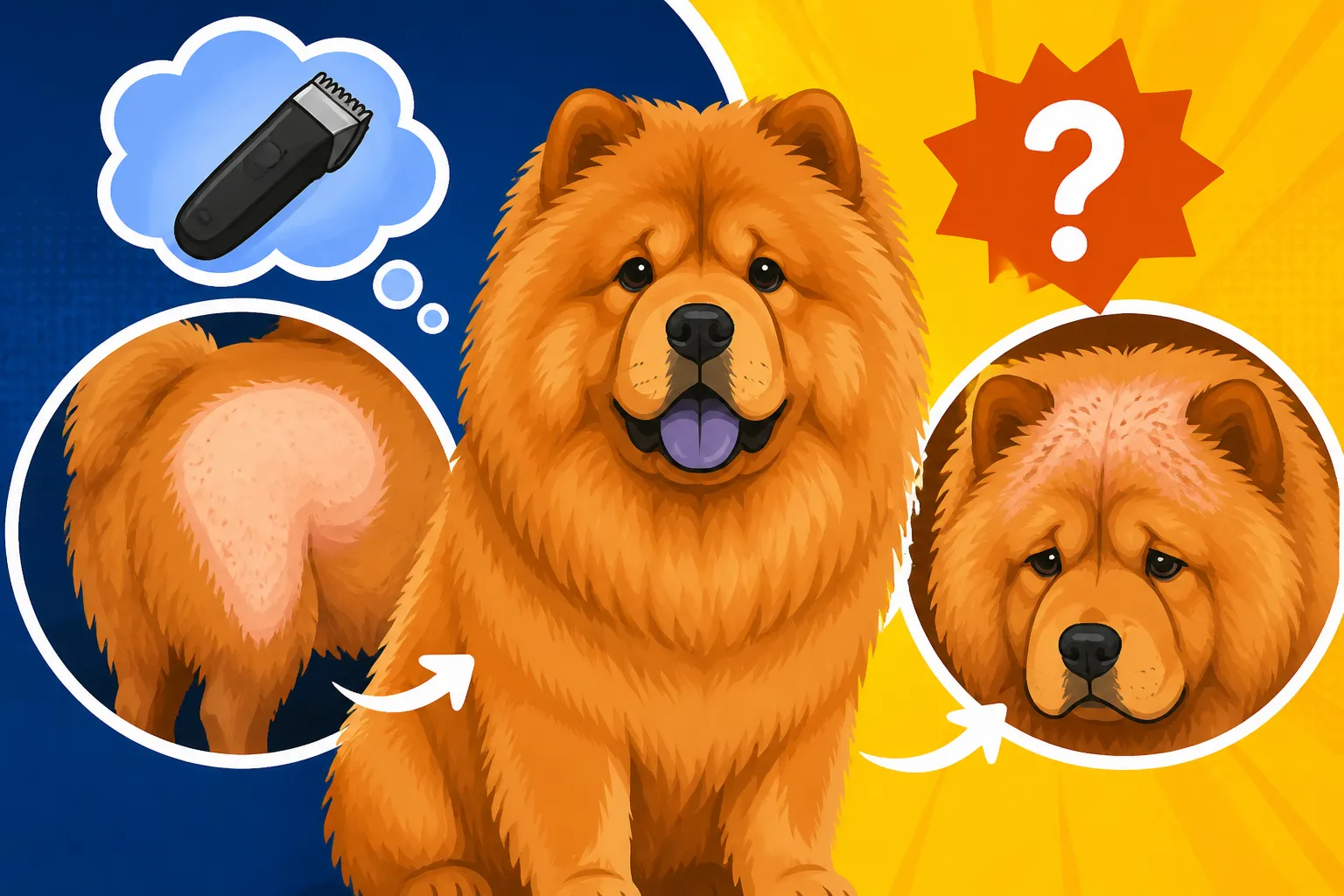
Post-clipping alopecia, sometimes called "clipper alopecia" or "coat shock," is precisely what it sounds like: a failure of the hair to regrow normally after an area of the coat has been clipped or shaved. It's a condition where the hair follicles essentially go dormant or enter an extended resting phase (telogen phase) after being cut short, particularly when the clipping is done against the natural growth cycle or in a way that traumatizes the follicle.
Imagine the hair growth cycle like a miniature factory: there's a growth phase (anagen), a transitional phase (catagen), and a resting phase (telogen). When a Chow Chow's thick coat is shaved, especially down to the skin, it can shock these delicate hair follicles. Instead of quickly returning to the growth phase, many follicles might simply stay in their resting phase for an abnormally long time, or even indefinitely. You might see entirely bald patches where the hair should be, or perhaps a very sparse, thin, wispy regrowth that bears little resemblance to the original dense undercoat and coarse guard hairs. Sometimes, the new hair might even grow back a different color or texture, often softer and finer than the original guard coat, lacking its characteristic stiffness and density. This can be incredibly disheartening for owners who were just trying to help their dog.
Why Double-Coated Breeds, Especially Chow Chows, Are Prone
Chow Chows, like many northern breeds such as Huskies, Samoyeds, and Malamutes, possess a specialized "double coat" designed for extreme climates. This isn't just a thick layer of fur; it's a sophisticated insulation system. What a Chow Chow's Double Coat Is Made Of consists of two distinct layers: a soft, dense, woolly undercoat that provides warmth and protects against cold, and a longer, coarser outer layer of guard hairs that repel water, dirt, and harmful UV rays, forming a protective barrier. These two layers work together to regulate the dog's body temperature, keeping them warm in winter and actually helping to insulate them from heat in summer by trapping a layer of cooler air next to the skin.
When you shave a Chow Chow, you strip away this entire natural insulation system. You remove the guard hairs that protect the skin and the undercoat that helps maintain a stable body temperature. This can disrupt the natural cycle of the hair follicles. It's believed that the sudden, drastic removal of this protective layer, especially down to the skin, can send the follicles into a state of shock. Some theories suggest it might interfere with the local blood supply to the skin, alter hormonal signals influencing hair growth, or simply put the follicles into such a deep resting phase that they struggle to restart. The body might interpret the sudden lack of coat as an environmental stressor, prioritizing other functions over hair regrowth.
Furthermore, Chow Chows are predisposed to certain skin and endocrine issues, which can sometimes exacerbate or mimic post-clipping alopecia. While the immediate cause of PCA is the clipping itself, underlying conditions could slow down recovery. This is why Why a Chow Chow Must Never Be Shaved is such a critical piece of advice for Chow Chow owners, despite how tempting it might be to reach for the clippers during a heatwave. Shaving not only risks PCA but also exposes their delicate skin to sunburn, insect bites, and the elements, defeating the very purpose of their natural coat.
Recognizing the Signs and Ruling Out Other Conditions
Identifying post-clipping alopecia is usually straightforward once you understand what to look for. However, because hair loss can be a symptom of various health issues, it's crucial to consult your veterinarian to rule out other potential problems.
Common Symptoms of Post-Clipping Alopecia
The most obvious symptom of post-clipping alopecia is the failure of hair to regrow in the clipped areas. You'll typically notice bald patches or extremely sparse, thin hair growth weeks or even months after your Chow Chow has been shaved. The areas most commonly affected are usually the torso, flanks, and sometimes the neck, though it can appear anywhere the coat was removed.
Here's what you might observe:
- Delayed or Absent Regrowth: While a normal hair growth cycle takes time, with PCA, the hair simply doesn't come back with its usual density or vigor, even after several months.
- Patchy Hair Loss: Instead of a uniform regrowth, you'll see distinct areas where the hair is entirely missing or very thin, often creating an uneven, moth-eaten appearance.
- Altered Hair Texture: The regrowing hair, if any, might be noticeably softer, finer, and less dense than the original coat. The characteristic coarse guard hairs might not return, leaving a coat that feels more like puppy fluff.
- Color Changes: Occasionally, the new hair might grow back a different shade than the original, sometimes lighter or even darker in patches.
- Skin Changes: The skin in the affected areas might appear thin, dry, or even develop hyperpigmentation (darkening) over time due to sun exposure or chronic inflammation from the underlying issue. The skin might also feel cool to the touch due to the lack of insulating fur.
This frustrating process can take an incredibly long time to resolve, if it ever fully does. Some owners report waiting a year or more for even partial regrowth, and for some Chows, the coat never returns to its former glory.
Differentiating from Other Causes of Hair Loss
While post-clipping alopecia is directly linked to shaving, any hair loss (alopecia) in dogs warrants a trip to the vet. It's vital to get an accurate diagnosis because many other conditions can present with similar symptoms, and some require specific medical intervention.
Your veterinarian will perform a thorough physical exam and gather a detailed history of your Chow Chow's grooming and overall health. They will want to know exactly when the clipping occurred and when you first noticed the lack of regrowth. To rule out other causes, they might recommend several diagnostic tests:
- Bloodwork: This often includes a complete blood count (CBC) and a biochemistry panel to assess general health and organ function. A crucial test will be a thyroid panel, as hypothyroidism (low thyroid function) is a common cause of symmetrical hair loss and can make dogs more prone to poor coat regrowth. What Autoimmune Thyroiditis Does to a Chow Chow can lead to these issues.
- Skin Scrapings and Fungal Cultures: These tests look for external parasites like mites (e.g., Demodex) or fungal infections (ringworm), which can cause patchy hair loss and skin irritation.
- Urinalysis: Can help evaluate kidney function and rule out other systemic diseases.
- Adrenal Function Tests: If other symptoms suggest it, tests for Cushing's disease (hyperadrenocorticism) might be performed, as this condition can also cause thinning hair and skin problems.
- Skin Biopsy: In some cases, a small sample of skin from the affected area might be taken and sent to a veterinary pathologist. This can help confirm a diagnosis of post-clipping alopecia by showing dormant hair follicles, or it can identify other skin conditions like autoimmune diseases How Pemphigus Is Diagnosed in a Chow Chow or certain types of skin infections How Often a Chow Chow Gets Hot Spots or allergies Whether a Chow Chow Gets Skin Allergies.
By systematically ruling out these other conditions, your vet can confidently diagnose post-clipping alopecia and discuss the prognosis and management strategies specific to your Chow Chow. Don't try to self-diagnose, as missing a treatable underlying condition could have serious consequences for your dog's health. Regular How Often a Chow Chow Needs a Wellness Exam is always a good idea for early detection of issues.
Managing and Preventing Post-Clipping Alopecia
Once post-clipping alopecia is diagnosed, the focus shifts to management and, most importantly, prevention. There's no quick fix, and patience is often the most important tool in your arsenal.
Treatment and Prognosis
The most challenging aspect of post-clipping alopecia is that there isn't a guaranteed "cure" or medication that will magically make the hair grow back overnight. The prognosis is variable; some Chow Chows will eventually see their coat return to normal over several months or even years, while others may experience permanent changes to their coat texture, density, or even suffer from persistent bald spots.
Here's what treatment often involves:
- Patience, Patience, Patience: This is truly the number one recommendation. Hair growth is a slow process, and with PCA, it's even slower. Owners need to understand that it can take anywhere from six months to two years, or sometimes even longer, for the coat to show significant regrowth, if it regrows fully at all.
- Supportive Therapies: While not universally effective, some veterinarians and owners have tried various supplements to encourage regrowth.
- Melatonin: This hormone, known for its role in sleep regulation, is sometimes used off-label to stimulate hair growth in dogs with certain types of alopecia, including PCA. It's thought to influence the hair follicle cycle. Your vet can advise on appropriate dosages if they believe it's worth trying.
- Thyroid Supplementation: If your Chow Chow has borderline low thyroid levels, even if not clinically hypothyroid, a trial of thyroid hormone supplementation might be considered. Improving overall metabolic function can sometimes help with coat health.
- Omega-3 Fatty Acids: Supplements containing omega-3s, like fish oil, are excellent for overall skin and coat health. While they won't directly "cure" PCA, they can support the skin's barrier function and promote healthy new hair growth. These are readily available from pet supply retailers like Chewy or through online stores like Amazon. Brands like Nordic Naturals or Zesty Paws are popular choices.
- Protecting the Skin: Until the coat regrows, the exposed skin is vulnerable. It's crucial to protect it from sunburn with dog-specific sunscreen (never human sunscreen unless specifically approved by your vet, as zinc oxide can be toxic) and from cold with appropriate doggy sweaters or coats. These items can be found on Amazon or Chewy.
It's important to have realistic expectations. While regrowth is possible, it's often a slow and sometimes incomplete process. The goal is to support the dog's overall health and protect their skin during this period.
The Best Prevention: Don't Shave Your Chow Chow
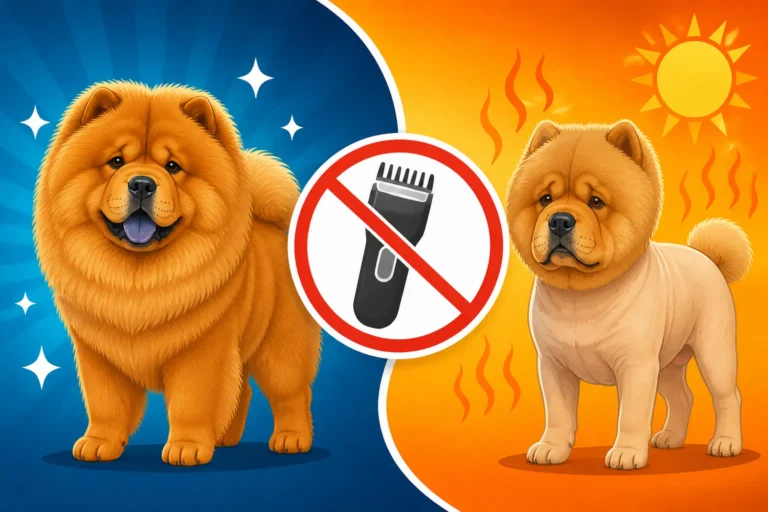
Hands down, the single most effective way to prevent post-clipping alopecia in a Chow Chow is to never shave their double coat. This is a hard truth for many owners, especially in hot climates, but it’s a non-negotiable aspect of responsible Chow Chow care. That a groomer should never shave a Chow Chow (Whether a Groomer Should Ever Shave a Chow Chow) cannot be stressed enough; their coat is designed to protect them, not hinder them.
Here’s why and what to do instead:
- The Coat is Natural Insulation: As discussed, the double coat provides an insulating layer that helps regulate body temperature year-round. In summer, it traps a layer of cooler air near the skin, protecting against direct sun and heat. Shaving removes this natural cooling system, leaving the skin exposed and actually making the dog more susceptible to overheating and sunburn.
- Proper Grooming is Key: Instead of shaving, focus on maintaining their coat through regular, thorough grooming. This means:
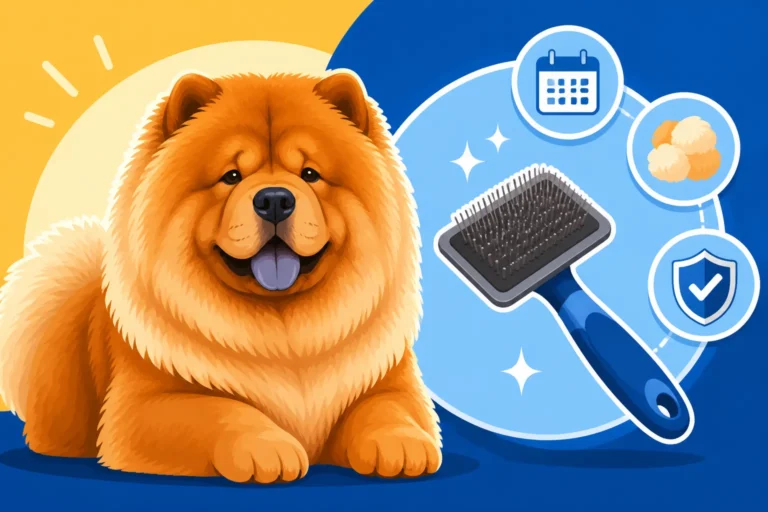
- Frequent Brushing: Daily or every-other-day line brushing down to the skin is essential to remove dead undercoat and prevent matting. A good quality slicker brush and an undercoat rake are your best friends. How to Line Brush a Chow Chow effectively removes shed hair, allowing air to circulate.
- Deshedding Treatments: Twice a year, when a Chow Chow "blows" its coat, the amount of shedding can be immense. How Much Undercoat Comes Off a Chow Chow during this time is astounding. Professional deshedding treatments or diligent home grooming with a high-velocity dryer (if your Chow tolerates it) can help remove the dead undercoat faster, allowing new hair to grow and improving air circulation without ever touching clippers.
- Professional Grooming without Shaving: Find a groomer experienced with double-coated breeds who understands the importance of not shaving. They should focus on bathing, drying, and thorough brushing to remove dead undercoat.
- Alternatives for Cooling: For cooling in summer, focus on environmental management rather than coat removal:
- Stay Indoors: Keep your Chow Chow inside during the hottest parts of the day.
- Air Conditioning: Ensure access to air conditioning. Whether a Chow Chow Needs Air Conditioning is a strong yes in many climates.
- Cooling Aids: Provide cooling mats (many available on Amazon or from pet stores like Chewy), fans, or a shallow kiddie pool for splashing.
- Appropriate Exercise: Walk your Chow Chow in the early morning or late evening when temperatures are cooler. Always carry water. For more tips, check out How to Cool a Chow Chow in Summer.
- Hydration: Always ensure fresh, cool water is available.
By committing to proper grooming and smart environmental management, you can keep your Chow Chow comfortable and healthy without risking post-clipping alopecia.
Living with a Chow Chow Affected by Post-Clipping Alopecia
Living with a Chow Chow that has post-clipping alopecia can be frustrating and even heartbreaking, especially if you feel responsible for the condition. However, it's important to remember that you acted with good intentions. Now, the focus shifts to protecting your dog and supporting them through this period.
Protecting Sensitive Skin
When your Chow Chow's dense coat fails to grow back, their skin is left exposed and vulnerable. This exposed skin is much more delicate than you might realize and requires extra care to prevent further issues.
- Sun Protection: Just like human skin, a Chow Chow's exposed skin can sunburn. This isn't just uncomfortable; repeated sunburns can lead to skin damage and even increase the risk of skin cancer. When your Chow Chow is outside, especially during peak sun hours, apply a dog-specific sunscreen to any bald or thinly haired areas. Look for products designed for pets, free from zinc oxide (which is toxic if ingested) and fragrances. Reapply as directed, particularly after swimming or heavy activity. Consider doggy sun shirts or rash guards for extended outdoor exposure, which can be found on online retailers like Amazon.
- Temperature Regulation: Without their insulating double coat, your Chow Chow will be more susceptible to both heat and cold.
- In Summer: Even with sunscreen, avoid prolonged exposure to direct sunlight. Keep them in air-conditioned environments, provide shade, and restrict outdoor activity to the coolest parts of the day. Cooling vests or cooling mats can offer additional relief.
- In Winter: The lack of undercoat means they will feel the cold much more intensely than usual. Invest in a well-fitting, warm dog coat or sweater for outdoor excursions. Ensure they have a warm, draft-free place to sleep indoors.
- Monitoring for Skin Issues: Exposed skin is also more prone to dryness, irritation, and secondary infections. Regularly check your Chow Chow's skin for any redness, flakiness, rashes, bumps, or signs of itching. If you notice any of these, consult your veterinarian. They may recommend medicated shampoos, topical treatments, or oral medications to address any infections or inflammation. Preventing Whether a Chow Chow Gets Skin Allergies from worsening is key.
Managing Expectations and Supporting Your Dog
Beyond the physical care, there's an emotional aspect to managing post-clipping alopecia for both you and your Chow Chow.
- Patience and Empathy: It's easy to feel guilty or frustrated, but remember that healing takes time. Your Chow Chow doesn't care about their appearance; they care about feeling comfortable and loved. Continue to shower them with affection and maintain their routine as much as possible.
- Realistic Expectations: Understand that the coat may never fully return to its original state. Accept the possibility of a permanently altered coat or persistent bald patches. Your Chow Chow is still the same wonderful dog underneath, regardless of their fur.
- Regular Veterinary Check-ups: Maintain a good relationship with your veterinarian. Regular check-ups are crucial to monitor skin health, address any secondary complications, and discuss any new supportive therapies that might emerge. They can also help rule out any new underlying health issues that might manifest. How Often a Chow Chow Needs a Wellness Exam should be consistent.
- Dietary Support: Ensure your Chow Chow is on a high-quality diet rich in essential fatty acids and nutrients that support skin and coat health. While diet alone won't reverse PCA, optimal nutrition can aid in healthy regrowth if and when the follicles reactivate. Brands like Ollie, known for fresh, human-grade ingredients, could be considered, though always consult your vet before making significant dietary changes.
Ultimately, living with a Chow Chow affected by post-clipping alopecia is a journey that requires patience, vigilance, and unconditional love. By providing diligent skin protection and emotional support, you can ensure your companion remains comfortable and cherished, regardless of their coat's appearance.
| Feature | Proper Grooming for Chow Chows (No Shave) | Shaving a Chow Chow's Double Coat |
|---|---|---|
| Purpose | Maintain coat health, prevent mats, allow natural temperature regulation, reduce shedding, keep skin healthy. | Attempt to "cool" the dog, reduce shedding (temporarily), or manage severe matting (often last resort). |
| Method | Regular line brushing, deshedding tools (undercoat rake, slicker brush), high-velocity dryer, professional baths. | Electric clippers remove guard hairs and undercoat, often down to the skin. |
| Temperature Control | Natural insulation; outer guard hairs reflect sun, undercoat traps cool air. Effective in both hot and cold. | Removes natural insulation, exposing skin to direct sun/heat, impairing body's ability to cool itself, increasing sunburn risk. |
| Coat Health Impact | Preserves natural texture, density, and protective qualities. Promotes healthy skin and follicle function. | Can traumatize hair follicles, disrupt natural growth cycle. High risk of post-clipping alopecia. |
| Regrowth Expectation | Continuous, healthy regrowth as part of natural shedding cycle. | Hair may regrow slowly, sparsely, with altered texture/color, or not at all (Post-Clipping Alopecia). |
| Skin Protection | Guard hairs protect from UV rays, insects, and minor abrasions. | Skin is left exposed and vulnerable to sunburn, insect bites, environmental irritants. |
| Grooming Frequency | Regular, thorough brushing 2-3 times a week (more during coat blows), professional grooming every 6-8 weeks. | Less frequent brushing needed post-shave, but underlying skin issues may be harder to spot. |
| Overall Recommendation | Highly Recommended for Chow Chows and other double-coated breeds to maintain health and well-being. | Strongly Discouraged due to significant risks to coat health and potential for permanent alopecia. |
Disclaimer
This article is for general informational purposes only and does not constitute professional advice. Laws, prices and regulations vary by location and change over time. Consult a qualified professional for guidance on your specific situation.