What Gives a Chow Chow Its Broad Skull
A Chow Chow skull gets its broad appearance from bone structure, a dense double coat, and compact facial features.
Is this the right one for you?
Origins and temperament, size and coat, what living with one is actually like, and how it compares to the breeds people weigh against it.
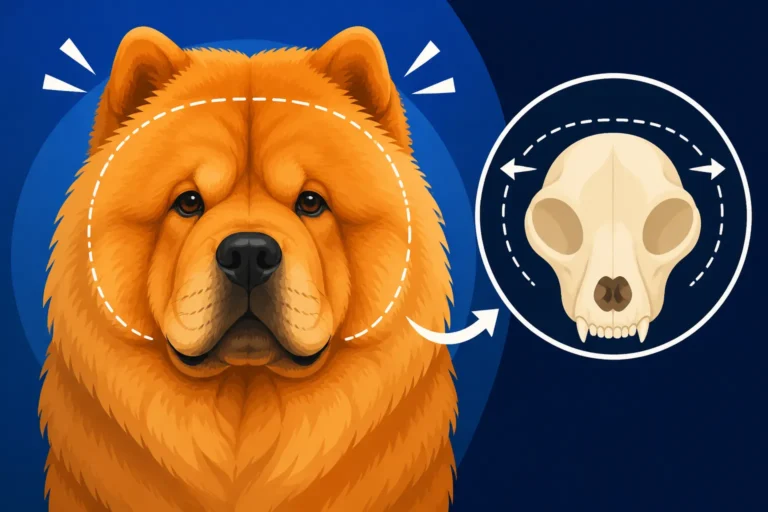
A Chow Chow skull gets its broad appearance from bone structure, a dense double coat, and compact facial features.
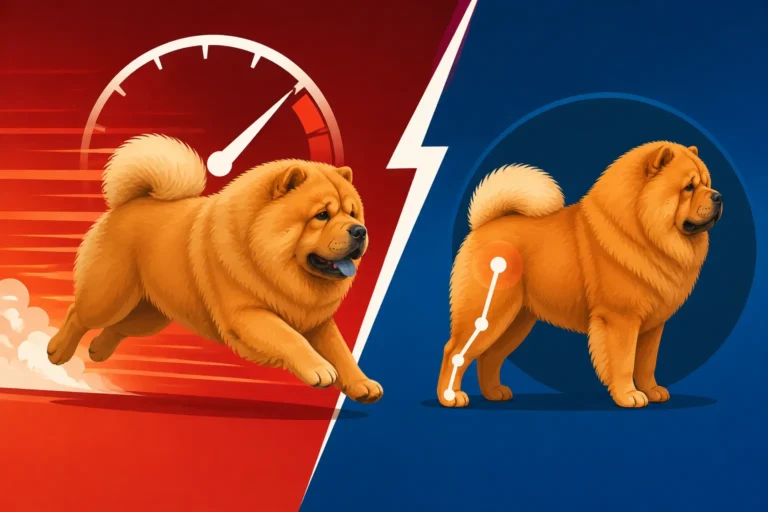
Chow Chow straight rear legs and hindquarter structure affect movement, stride, and speed, and reveal normal gait patterns.

Chow Chow movement mechanics, straight rear leg anatomy, and similar compact breeds like the Akita and Shar-Pei.
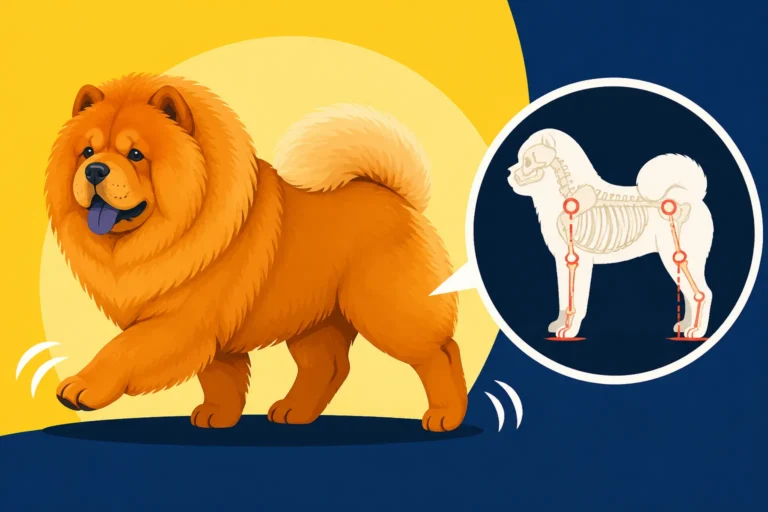
Chow Chow rear leg structure and nearly straight hind legs explain the stilted gait and help owners spot pain.
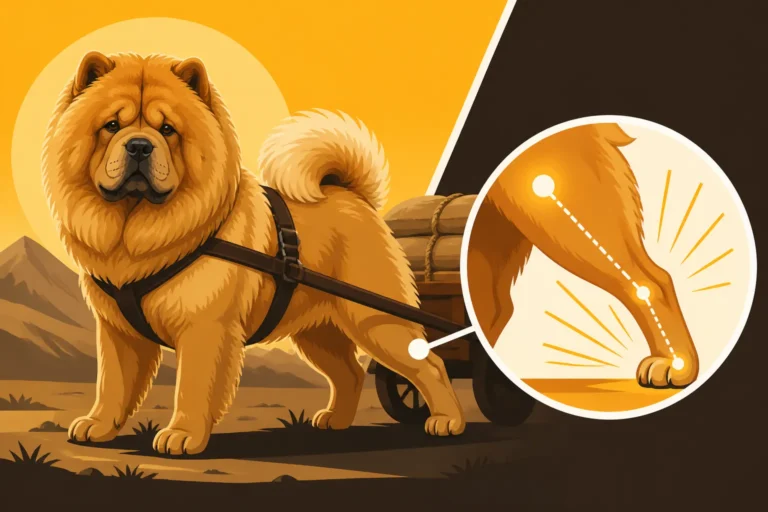
Chow Chow hindquarter anatomy and straight rear legs shape the distinct stilted gait of this working breed and affect daily movement.
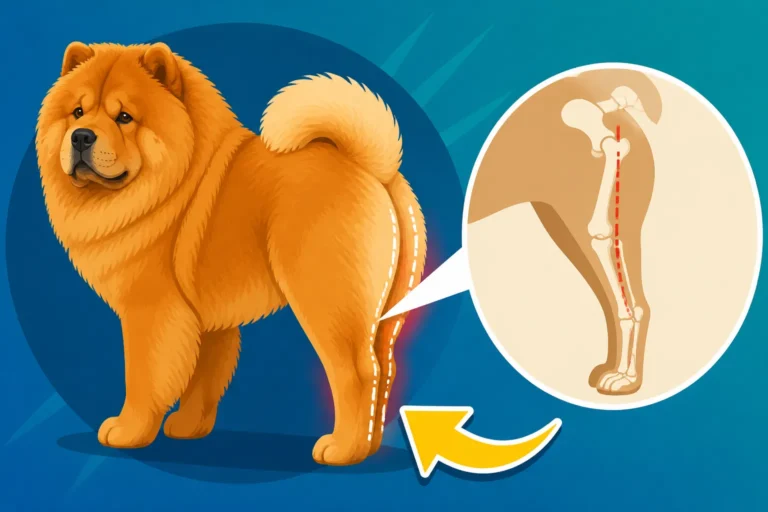
Chow Chow rear leg structure and joint angles explain the breed stilted gait, helping owners distinguish normal breed traits from injury.

Chow Chows and Shar-Peis feature blue-black tongues, while other dogs develop melanin spots or require urgent veterinary care for sudden color changes.

Shar Peis and Chow Chows share deep Chinese roots and blue-black tongues, but neither breed descends directly from the other.

Chow Chow tongue pigmentation is a normal physical trait that lacks any special cooling or protective purpose.

Chow Chow tongue legends and biological facts explain why this breed possesses a blue-black mouth instead of pink.