What Changes in an Aging Chow Chow’s Coat
Senior Chow Chow coat changes include softening guard hairs, thinning undercoats, and graying around the muzzle and eyes.
The daily stuff, done right.
Feeding amounts by life stage, coat and skin routines, dental and nail care, exercise needs, and what changes as they age.
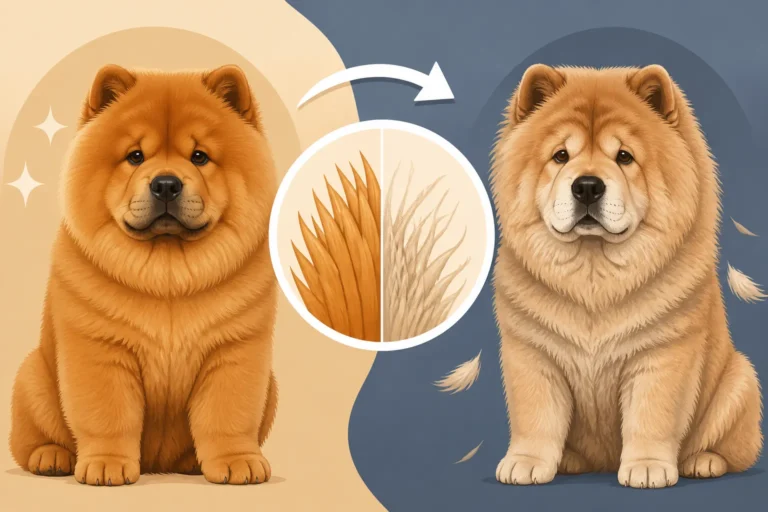
Senior Chow Chow coat changes include softening guard hairs, thinning undercoats, and graying around the muzzle and eyes.
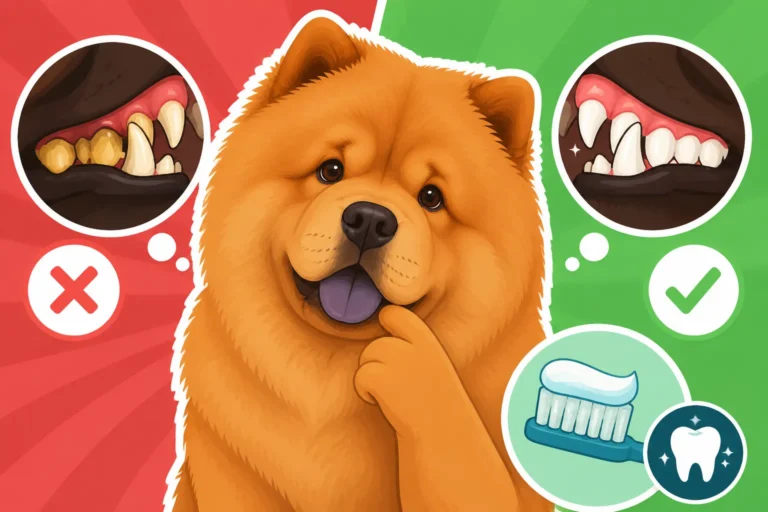
Chow Chow dental care prevents painful periodontal disease and systemic bacterial infections that damage the heart, kidneys, and liver.
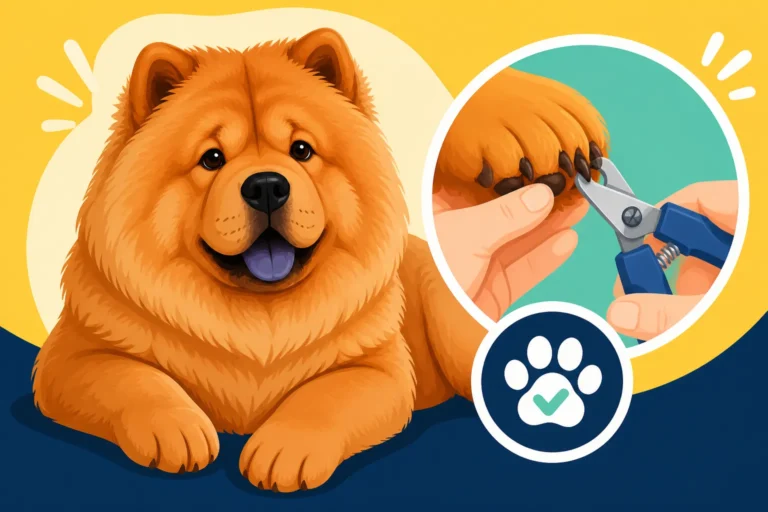
Chow Chow nail trimming schedules and dark nail anatomy explained to help owners safely manage thick claws and rear paws.
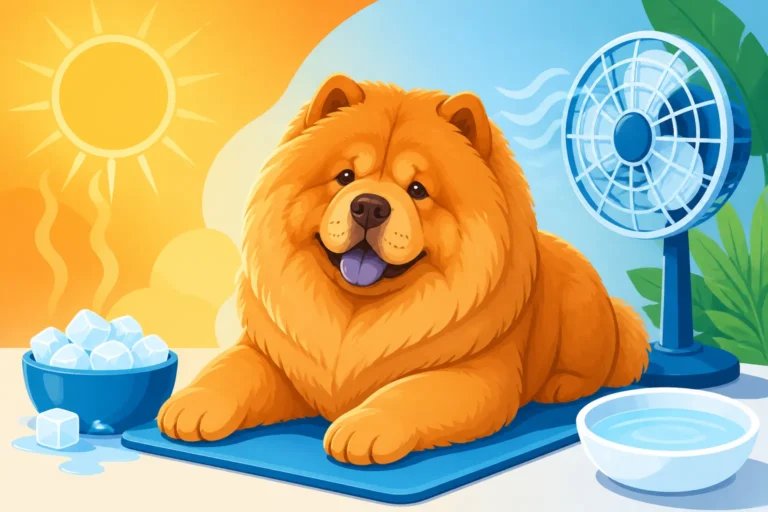
Chow Chow summer cooling strategies explain how thick double coats and short muzzles trap warm air and increase overheating risks.
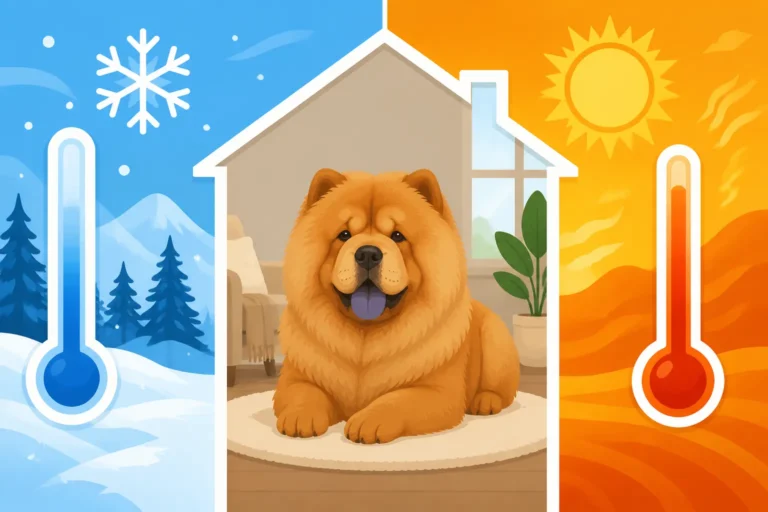
Indoor temperatures between 68°F and 72°F keep a Chow Chow comfortable because their thick double coat traps body heat.
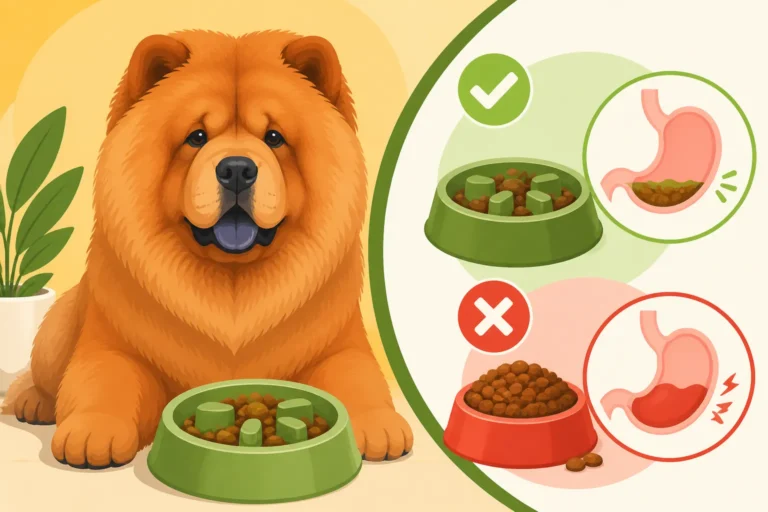
Feeding adjustments for Chow Chows explain how to prevent gastric dilatation-volvulus and reduce fatal stomach twisting risks.
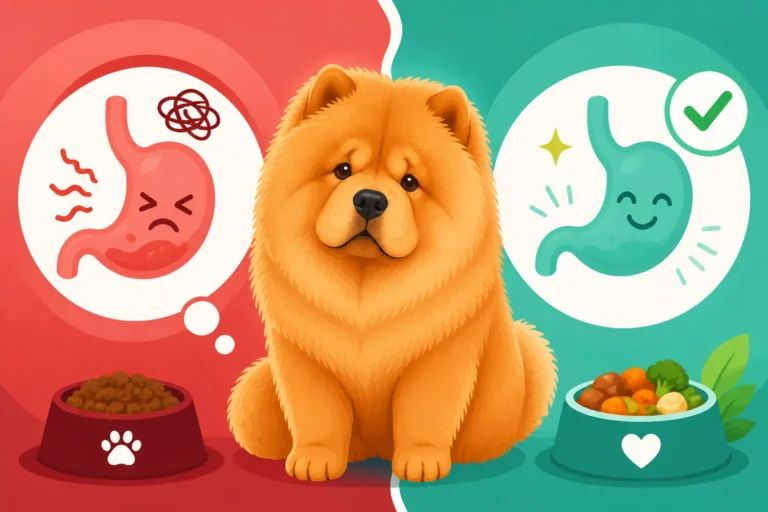
Chow Chow digestive health issues, vomiting, and food sensitivities explained with signs of stomach discomfort.
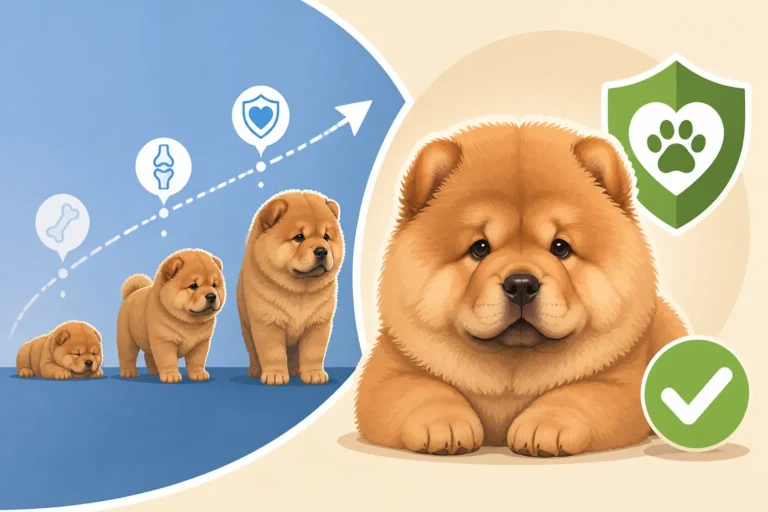
Chow Chow puppy skeletal development requires slow growth to prevent hip dysplasia, joint stress, and orthopedic health issues.
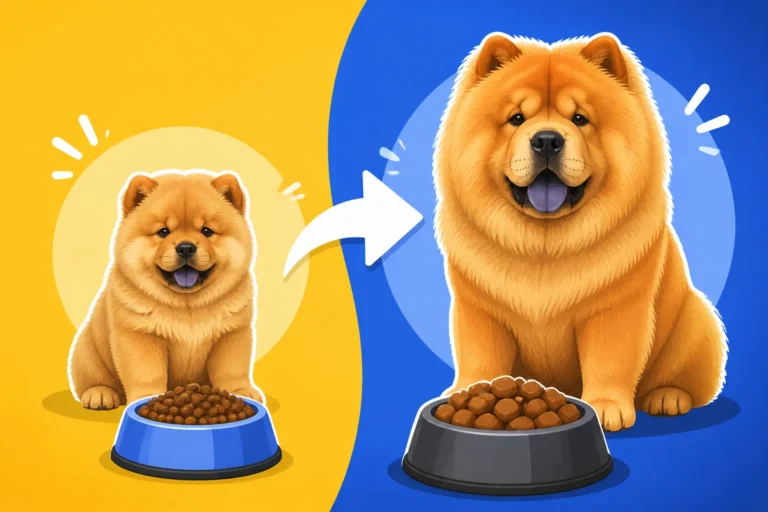
Chow Chow puppy dietary transition timing depends on reaching skeletal maturity between twelve and eighteen months of age.
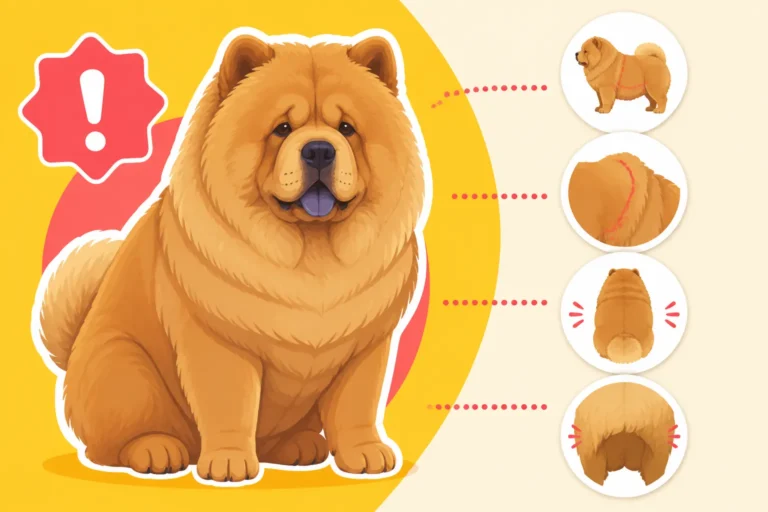
Chow Chow body condition assessment signs help owners identify hidden excess weight that worsens joint issues, heat intolerance, and diabetes.