The Temperature a Chow Chow Should Stay Indoors
One of the most common worries I hear from fellow Chow Chow parents, especially as the temperatures climb, is how to keep these gorgeous, fluffy companions comfortable and safe inside the home. It’s a real challenge, isn’t it? Their thick coats and unique physiology mean that what feels pleasant to us can quickly become dangerously warm for them. This guide is dedicated to helping you understand why your Chow Chow feels the heat more acutely than many other breeds, how to pinpoint the ideal indoor temperature, and what practical steps you can take to ensure your beloved companion stays cool, calm, and healthy, no matter what the thermometer says outside.
Understanding the Chow Chow's Unique Heat Challenges
It's not just about the fluff, though that's certainly a big part of it. Our Chow Chows come from a lineage that thrived in colder climates, and their bodies are simply not designed for the sustained heat that many modern homes can accumulate. Understanding these fundamental physiological quirks is the first step in creating a truly comfortable and safe environment for them.
The Insulating Double Coat
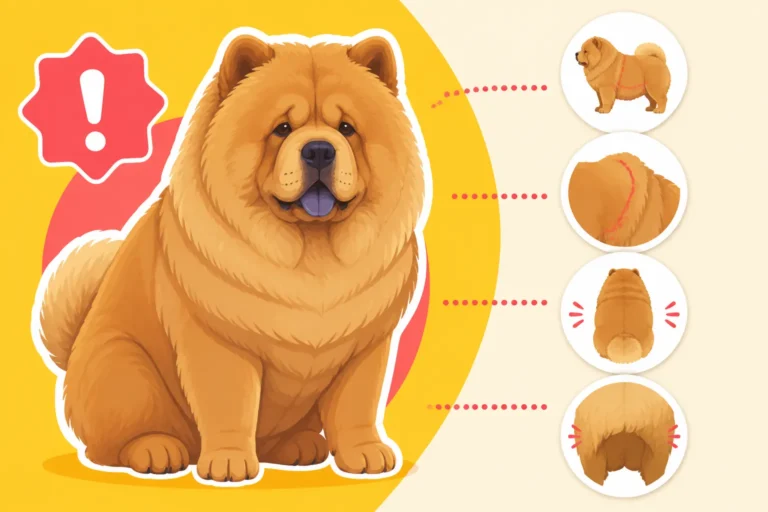
Let's be honest, that magnificent coat is what often draws us to Chows in the first place, isn't it? That dense, plush undercoat and the coarse, protective outer coat are a marvel of nature. But while it's fantastic for keeping them toasty in freezing temperatures, it works just as effectively at trapping heat in when the weather turns warm. It's like wearing a heavy winter parka in July – you just can't shed it.
Many new Chow owners, understandably, think that shaving their dog will solve the problem. However, this is a common misconception and can actually be detrimental. The double coat helps regulate body temperature by trapping a layer of cooler air next to the skin, and when you shave it, you remove this natural insulation. Not only can it lead to sunburn, but it can also interfere with their ability to cool themselves effectively, and the coat might even grow back unevenly or with a coarser texture. It's a tricky balance, but one we absolutely have to respect for their well-being. This is a critical point that many owners grapple with, and it highlights Why Shaving Does Not Cool a Chow Chow.
Brachycephalic Breathing and Cooling Limitations
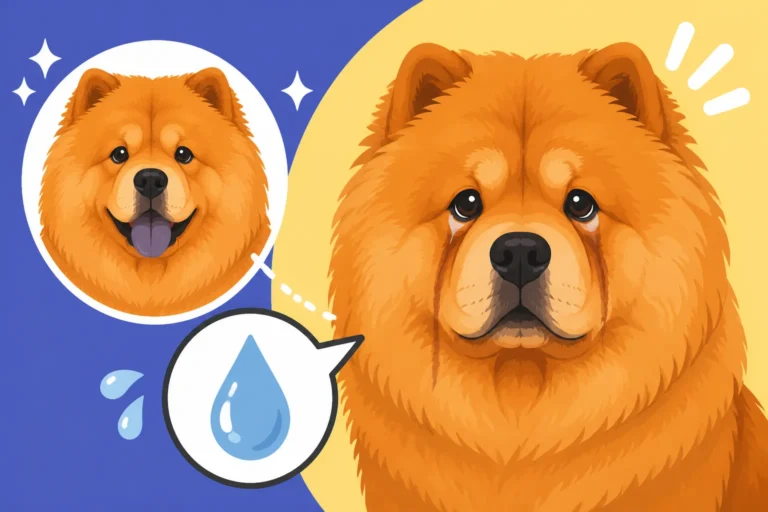
Beyond the coat, our Chows have another characteristic that makes them especially vulnerable to heat: their unique facial structure. They are considered a brachycephalic breed, meaning they have a relatively short muzzle and a somewhat flattened face. While undeniably charming, this structure significantly impacts their ability to cool themselves. Dogs primarily regulate their body temperature through panting. As they pant, air passes over the moist surfaces of their tongue and respiratory tract, and the evaporation of that moisture helps cool their blood.
For a Chow Chow, that shorter muzzle means they have less surface area for evaporation, and their narrower airways make it harder for air to flow freely. Imagine trying to breathe deeply through a straw during a hot workout – that's somewhat akin to what a Chow experiences in high heat. This anatomical reality is why Why a Chow Chow's Short Muzzle Cools Poorly is so crucial to understand. It means they have to work harder to breathe, which in turn generates more body heat, creating a dangerous cycle. This also impacts their ability to tolerate exercise in warm conditions, making even a short walk a potential hazard if not carefully timed.
Defining the Ideal Indoor Climate for Your Chow Chow
Given their inherent challenges with heat, setting the right indoor temperature isn't just about comfort; it's about their health and safety. You want to aim for a consistent, cool environment that minimizes their effort to regulate body temperature.
The Comfortable Temperature Zone
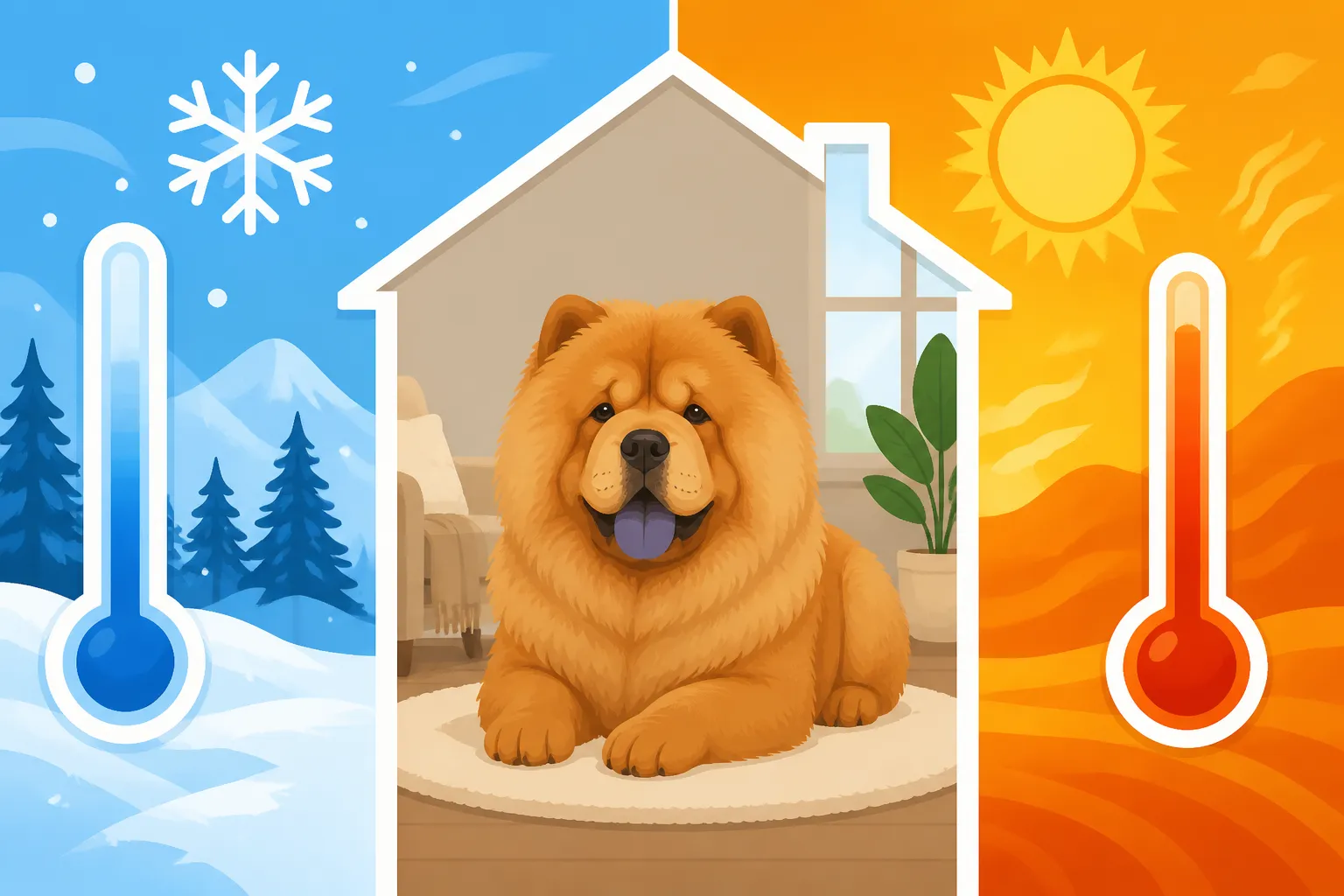
Generally speaking, a Chow Chow will be most comfortable indoors when the temperature is between 68°F (20°C) and 72°F (22°C). This range allows them to relax without constantly panting or searching for a cool spot. It’s a sweet spot that mimics the cooler climates their ancestors adapted to, providing relief from the insulating qualities of their magnificent coat. Some Chows, particularly those with very dense coats, might even prefer it a touch cooler, perhaps dipping down to 65°F (18°C), especially if they are particularly active indoors.
It’s important to remember that this isn't just about the number on the thermostat; humidity plays a significant role too. High humidity makes it much harder for a dog to cool down through panting because the air is already saturated with moisture, reducing the efficiency of evaporative cooling. So, in areas with high humidity, you might need to lean towards the lower end of that comfortable temperature range, or utilize a dehumidifier to help your Chow feel better. Paying attention to their individual cues – are they settled, or are they constantly shifting, panting lightly, or seeking out tile floors? – will tell you if you've hit the mark.
Recognizing Unsafe Indoor Temperatures
While we might find a home at 75°F (24°C) perfectly pleasant, for a Chow Chow, this temperature is already pushing into a potentially uncomfortable zone, and anything above that can quickly become dangerous. Once the indoor temperature climbs above 76°F (24.4°C), your Chow Chow is at an increased risk of overheating, especially if there's also high humidity or limited air circulation. Temperatures exceeding 80°F (26.7°C), even indoors, should be considered alarming and require immediate intervention. This is the point where heat stress can rapidly escalate into heatstroke.
Think about it: they're essentially wearing a permanent fur coat. If you were wearing a heavy wool sweater and a parka indoors, how would you feel at 80 degrees? You'd be miserable and possibly in distress. For our Chows, the stakes are even higher due to their limited ability to cool down. It's crucial to understand What Temperature Is Too Hot for a Chow Chow because their stoic nature might not always show immediate, dramatic signs of distress until it's an emergency. They might try to hide their discomfort, making it even more important for us to be proactive in managing their environment.
Here’s a quick reference for indoor temperature and your Chow Chow's comfort:
| Indoor Temperature Range | Chow Chow Comfort Level | Key Considerations |
|---|---|---|
| Below 68°F (20°C) | Very Comfortable | Monitor for chilliness in older or less active Chows. |
| 68-72°F (20-22°C) | Comfortable | Ideal general range; good air circulation is beneficial. |
| 73-76°F (23-24°C) | Tolerable but Watchful | Pay close attention to panting, water intake; use fans and cooling aids. |
| 77-80°F (25-27°C) | Increased Risk | High potential for discomfort/overheating; requires active cooling. |
| Above 80°F (27°C) | Dangerous | Immediate action needed; seek veterinary attention if signs of distress. |
Essential Tools and Strategies for a Cool Home
Ensuring your Chow Chow lives in a consistently cool indoor environment might require some adjustments and investments, but their health and comfort are absolutely worth it. It’s about creating a multi-layered approach to beat the heat.
Harnessing Air Conditioning and Smart Home Tech
For most Chow Chow owners, especially in warmer climates, air conditioning isn't a luxury; it's a necessity. Central air conditioning provides the most consistent and effective cooling for your entire home. If central air isn't an option, strategically placed window or portable AC units can create cool zones where your Chow Chow can retreat. Remember to ensure these units are properly sized for the space and regularly maintained to operate efficiently. Whether a Chow Chow Needs Air Conditioning is not really a question in hotter regions; it's a statement of fact.
Beyond basic AC, smart thermostats can be a game-changer. These devices allow you to monitor and adjust your home's temperature remotely via your phone, which is incredibly helpful if you're out during the day. You can program schedules to ensure the house is cool before you arrive home or if there's an unexpected heatwave. Some models can even sense when your home is empty and adjust temperatures to save energy, while allowing you to override for your furry friend. Products found on platforms like Amazon or Chewy can often integrate with these systems, creating a truly connected and climate-controlled home. You can even set up alerts if the temperature in your home rises above a certain threshold, giving you precious time to react.
Utilizing Fans, Cooling Beds, and Mats
While air conditioning is paramount, supplementary cooling tools can make a significant difference in your Chow Chow's comfort. Fans, for instance, don't actually lower the air temperature, but they create a wind-chill effect by moving air across your Chow's body, which helps evaporate moisture and makes them feel cooler. Strategically placing floor fans or tower fans in areas your Chow Chow frequents can be very effective.
Cooling mats are another fantastic option. These mats often contain a pressure-activated gel or water that absorbs body heat, providing an immediate cool surface for your dog to lie on. You can find a wide variety of these on Amazon or Chewy, from simple gel mats to more advanced water-cooled pads. Paired with an elevated dog bed, which allows air to circulate underneath, these can provide significant relief. Many Chows love to sprawl out on a cool tile or linoleum floor, so these products replicate that sensation perfectly. It’s often asked Whether a Cooling Mat Actually Helps a Chow Chow, and for many, the answer is a resounding yes, offering a personal cool spot even if the ambient air is still a bit warm.
Vigilance: Monitoring for Overheating Indoors
Because Chow Chows can be quite stoic and their thick coats can mask some physical cues, it’s absolutely vital for us to be vigilant and know what to look for when it comes to overheating. Waiting until obvious signs of distress appear can be too late.
Subtle Signs Your Chow Chow is Too Warm
Your Chow Chow might not be panting like a freight train right away, but there are subtle indicators that they're getting uncomfortably warm indoors. The first thing you might notice is an increase in panting, even when they haven't been exercising. It might start as soft, shallow pants, but it's a clear signal their body is working to cool down. They might also become restless, constantly shifting positions, trying to find a cooler spot on the floor or by an air vent. Some Chows might start seeking out cooler, darker rooms or corners of the house.
Another sign is a decrease in energy or an unusual reluctance to play or engage. If your normally playful Chow is lying around more than usual, even in a seemingly cool room, it could be a sign of heat discomfort. Their gums might appear a darker red than normal, though this can be subtle. Pay attention to their breathing patterns – if it's becoming labored or noisy, or if their panting doesn't seem to be slowing down even when resting, it’s time to take action. These indoor signs are often a precursor to what you might observe if Signs a Chow Chow Is Overheating on a Walk. Remember, early detection is key to preventing a minor discomfort from escalating into a serious health crisis.
Emergency Response to Indoor Heat Stress
If you suspect your Chow Chow is truly overheating, even indoors, you need to act quickly and decisively. Don't wait. The first step is to immediately move them to the coolest area you can find – ideally a room with strong air conditioning. Offer them fresh, cool (not ice-cold) water. Don't force them to drink, but make it readily available.
Next, begin to cool their body directly. You can use cool, damp towels placed on their head, neck, armpits, and groin area. These are areas where large blood vessels are close to the surface, and cooling them directly helps cool the blood circulating throughout their body. A fan directed at them can also aid in evaporative cooling. If you have a kiddie pool, or even just a bathtub, you can let them stand in a shallow amount of cool water. Avoid ice baths or extremely cold water, as this can cause their blood vessels to constrict, actually hindering heat dissipation. Call your veterinarian immediately, even if your Chow seems to be improving. Heatstroke is a medical emergency, and even if they appear to recover, internal damage might be occurring. How to Cool a Chow Chow Down Fast provides more detailed steps for these critical moments. Be aware that treating full-blown heatstroke can be very costly, so prevention is always the best approach, which is why understanding What Heat Stroke Costs to Treat in a Chow Chow can be a sobering reality.
Holistic Approaches to Chow Chow Heat Management
Beyond simply adjusting the thermostat, a comprehensive approach to heat management for your Chow Chow involves looking at their diet, grooming, and daily routines. All these elements work together to ensure your fluffy friend can navigate warmer times comfortably and safely.
Hydration and Diet in Warm Weather
Hydration is paramount for a Chow Chow in any temperature, but especially when it's warm. Always ensure your Chow has access to fresh, cool water. Consider placing multiple water bowls around the house, especially near their favorite lounging spots. Adding ice cubes to their water bowl can make it more appealing and help keep the water cool longer. For Chows who aren't big drinkers, you can also consider a pet drinking fountain, as some dogs are enticed by moving water. It's often surprising How Much Water a Chow Chow Drinks in Summer – they really need to keep that fluid intake up.
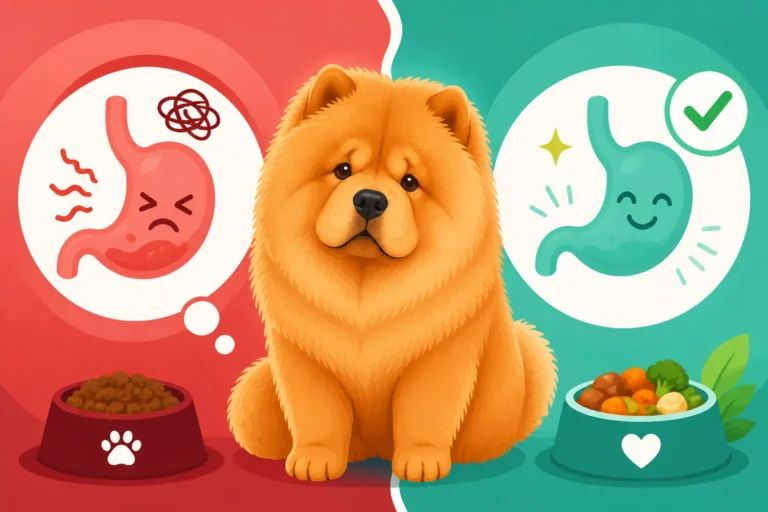
When it comes to diet, feeding lighter meals during the hottest parts of the day can be beneficial, as digestion itself generates a small amount of body heat. Some owners find that incorporating fresh or wet food options, like those from a brand such as Ollie, can increase their Chow's overall hydration, simply because the food itself contains more moisture than traditional kibble. You can even add a bit of water or broth to their kibble to make it more hydrating. Avoid heavy, calorie-dense meals right before or after any activity, especially if it's warm.
Grooming and Daily Routine Adjustments
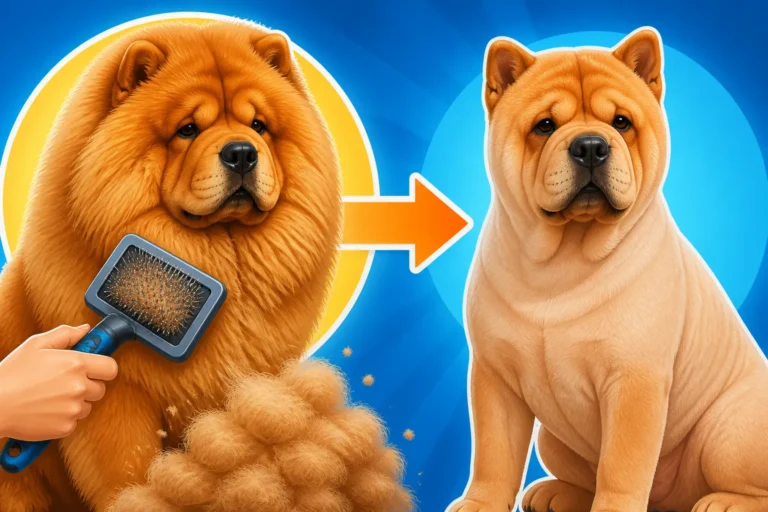
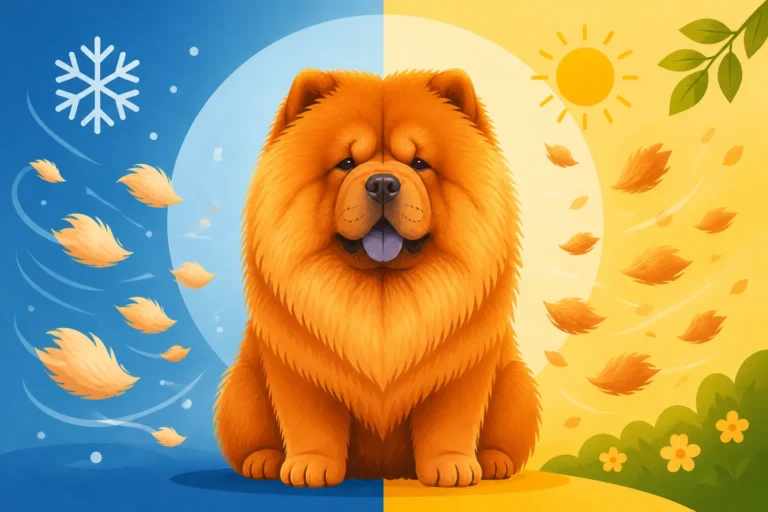
Regular grooming is absolutely critical for a Chow Chow's heat management. That dense double coat, while beautiful, needs consistent attention to prevent matting and to allow for proper air circulation. Frequent brushing, using appropriate tools like an undercoat rake, helps remove dead and loose undercoat, which can otherwise trap heat close to their skin. Aim for thorough line brushing sessions, making sure you get down to the skin to remove all shed fur. This process is fully detailed in Brushing a Chow Chow's Mane Down to the Skin. During their seasonal "coat blows," which happen roughly twice a year, this grooming effort becomes even more intensive, as they shed massive amounts of undercoat.
Beyond grooming, adjust your daily routine to accommodate the heat. Schedule walks and outdoor potty breaks for the coolest parts of the day – early mornings and late evenings. Avoid mid-day sun, even if it "doesn't feel that hot" to you. Paved surfaces can absorb and retain heat, making them dangerously hot for paw pads, so always check the asphalt with the back of your hand. Consider getting a cooling vest if you must take your Chow out during warmer periods, as this can provide a layer of evaporative cooling. What a Chow Chow's Cooling Vest Costs might seem like an extra expense, but it's a small price to pay for their safety and comfort. This holistic approach, combined with diligent indoor temperature control, will help your Chow Chow thrive, even through Getting a Chow Chow Through an American Summer.
Disclaimer
This article is for general informational purposes only and does not constitute professional advice. Laws, prices and regulations vary by location and change over time. Consult a qualified professional for guidance on your specific situation.