How to Cool a Chow Chow in Summer
For anyone who shares their home with a magnificent Chow Chow, the arrival of summer often brings a unique sense of dread. Their dense, beautiful coats, while perfect for colder climates, turn into a furry furnace when temperatures rise, leaving our beloved companions panting and struggling. This guide is here to walk you through comprehensive strategies and practical tips to ensure your Chow Chow stays cool, comfortable, and safe throughout the warmest months, helping you navigate the very real challenges of summer ownership.
Understanding Why Chow Chows Overheat So Easily
It's not just their impressive fluff that makes Chow Chows prone to overheating; it's a combination of unique physical traits that, while contributing to their iconic look, also make them particularly vulnerable in hot weather. Understanding these factors is the first step in effectively protecting them from the summer sun.
The Double Coat's Role in Trapping Heat
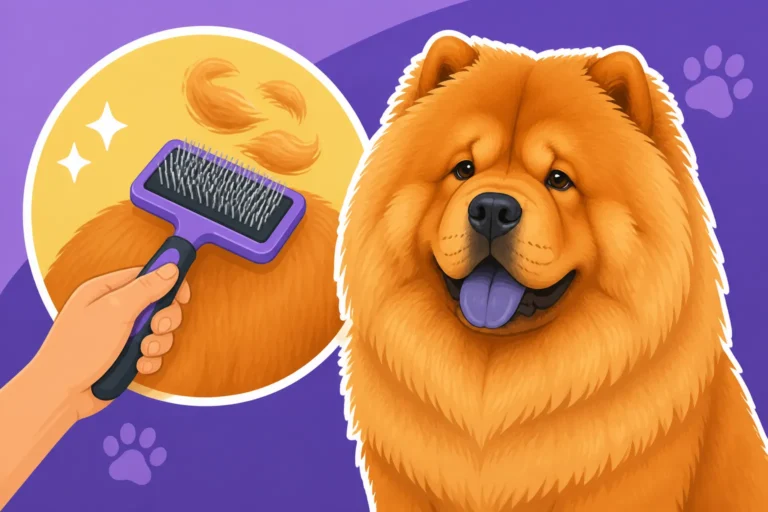
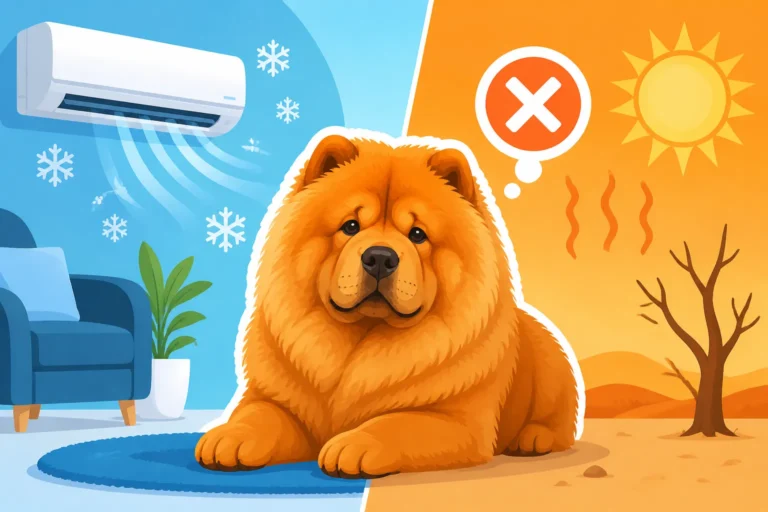
Ah, that glorious double coat! It’s what makes a Chow Chow so striking, resembling a fluffy lion or a walking cloud. But beneath that plush exterior lies a significant challenge when the mercury climbs. This coat isn't just one layer; it’s a thick, insulating outer coat with a dense, woolly undercoat that acts like nature’s perfect thermal blanket. In winter, it's a blessing, keeping them toasty warm against icy winds and snow. In summer, however, it’s a trap.
Instead of allowing heat to escape easily from their skin, the double coat traps a layer of warm air close to their body. Think of it like wearing a heavy winter parka in July – you’d be sweltering! This design, while historically beneficial in their colder origins, now means they struggle to dissipate heat efficiently. Many new owners mistakenly believe shaving their Chow Chow will solve this, but that often does more harm than good, disrupting the natural insulation and potentially leading to sunburn and poor coat regrowth. Knowing Why a Chow Chow's Double Coat Traps Heat is crucial to understanding why other cooling methods are so important.
Brachycephalic Features and Respiratory Challenge
Beyond the coat, a Chow Chow’s distinctive flat face, or brachycephalic features, presents another significant hurdle for cooling. Dogs cool themselves primarily through panting, using the evaporation of moisture from their tongues and respiratory tracts to regulate body temperature. A longer-snouted dog has more surface area for this cooling process to occur.
Chow Chows, with their compact muzzles and often constricted airways, don't have this luxury. Their shorter snouts mean less surface area for effective heat exchange, making their panting less efficient. This anatomical quirk makes them work much harder to cool down, especially when they're already warm. It's why even moderate activity can quickly push a Chow Chow into dangerous overheating territory, and why you need to be extra vigilant. You might hear Why a Chow Chow's Short Muzzle Cools Poorly from your vet, and it's a critical piece of information.
The Chow Chow's Body Structure and Movement
Even the way a Chow Chow is built and moves contributes to their heat intolerance. They are stout, heavily boned dogs with a somewhat stilted gait due to their straight rear legs. While this gait is part of their unique breed standard, it means they don't move with the same fluid efficiency as some other breeds. Any physical exertion generates body heat, and a less efficient movement can mean more energy expended for the same distance, leading to faster heat accumulation.
Couple this with their generally reserved nature – they’re not usually high-energy, constantly running dogs – and you have a dog that can quickly become exhausted and overheated even with seemingly mild activity. They are not built for sustained running or intense play in warm weather. Owners often observe Why a Chow Chow Moves With a Stilted Gait, and understanding this can help manage their activity levels in the heat.
Creating a Cool Environment Indoors for Your Chow Chow
Since your Chow Chow is battling against their own physiology in the summer, creating an optimal indoor environment is paramount. This isn't just about comfort; it's about survival when temperatures soar outside. Your home becomes their sanctuary, and every little bit helps.
Air Conditioning and Strategic Cooling
Let’s be honest: in many parts of the country, air conditioning isn't a luxury for a Chow Chow in summer; it's a necessity. Their dense coats and brachycephalic traits mean they simply cannot dissipate heat effectively on their own when the ambient temperature rises. If you have central air, wonderful! Keep it running, perhaps even a degree or two lower than you might for your own comfort, especially during the hottest parts of the day. For those without central air, window units or portable AC units in the rooms your Chow Chow frequents most are crucial.
Consider placing your Chow Chow's bed or favorite resting spot near an AC vent. If you're out during the day, remember to leave the AC running. Turning it off to save a few dollars can be a life-threatening decision for your dog. A good benchmark for The Temperature a Chow Chow Should Stay Indoors is generally below 75°F (24°C), but for many Chows, even cooler is better. It's a significant consideration in What Keeping a Chow Chow Cool Costs in Summer.
The Benefits of Cooling Mats and Elevated Beds
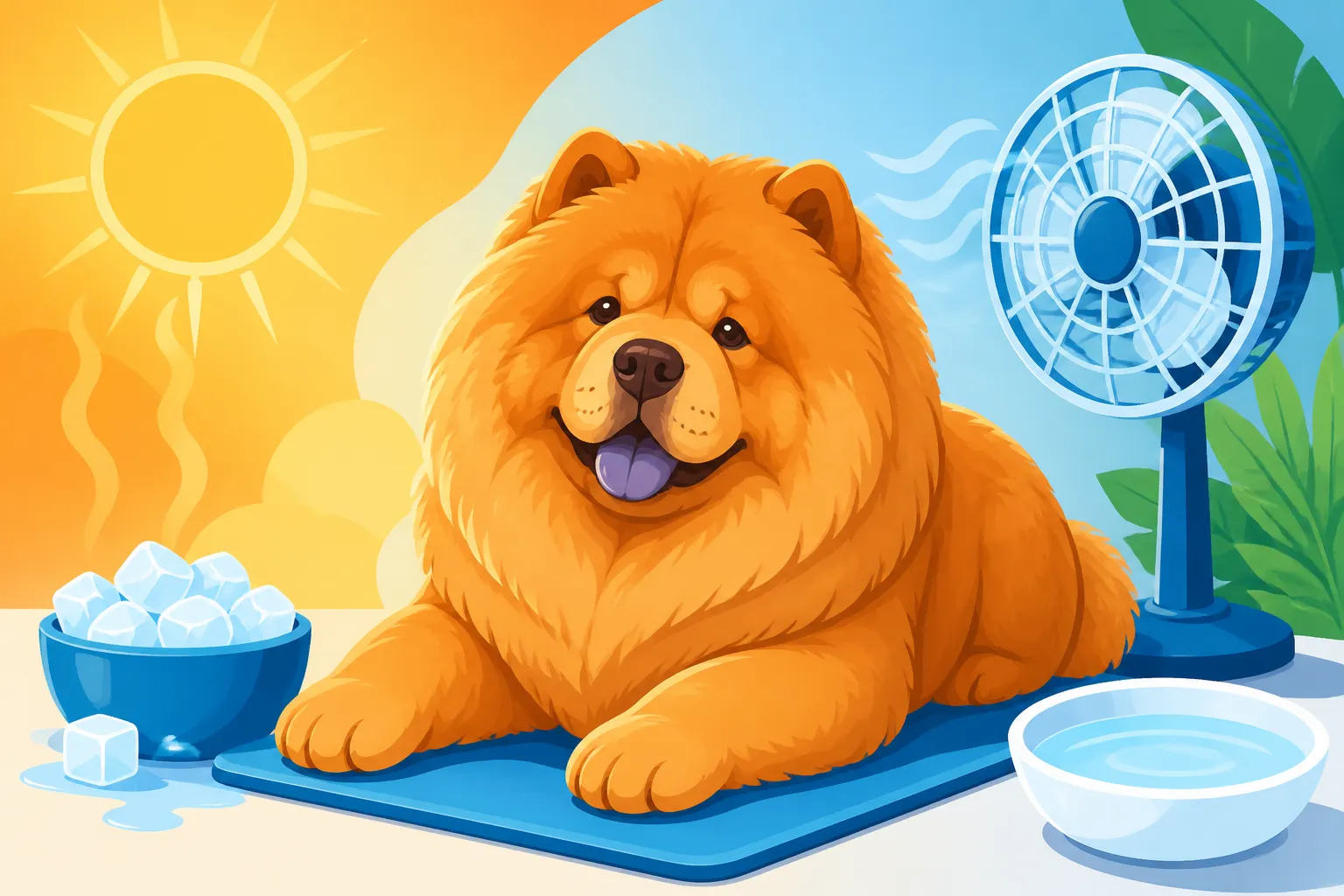
Even with air conditioning, adding passive cooling aids can make a huge difference. Cooling mats are fantastic for Chow Chows. These mats typically contain a gel that activates with pressure, absorbing body heat and providing a cool surface without needing refrigeration or electricity. Place one in your Chow Chow's favorite napping spot, or even multiple mats around the house. They offer a direct, localized cool zone that your dog can seek out on their own.
Elevated beds, often made with mesh fabric, also provide a valuable cooling benefit. By lifting your Chow Chow off the floor, they allow air to circulate underneath their body, preventing heat from building up against the ground. This simple airflow can make a surprising difference in their overall comfort. You can often find a variety of these at online retailers like Chewy or Amazon, making it easy to pick one that suits your dog's size and your budget. Many owners wonder Whether a Cooling Mat Actually Helps a Chow Chow, and the answer is a resounding yes for many.
Managing Indoor Activity and Stimulation
Just because your Chow Chow is indoors in the cool doesn't mean they should be engaging in vigorous play. Even inside, activity generates body heat. During the hottest parts of the day, encourage calm, quiet behavior. This might mean moving playtime to early mornings or late evenings when the house is coolest. Instead of a boisterous game of fetch, opt for puzzle toys that engage their minds without excessive physical exertion.
Mental stimulation is just as important as physical for a Chow Chow, and it can be a great way to keep them entertained without risking overheating. Kongs stuffed with frozen treats (peanut butter, yogurt, or wet food) can keep them occupied for a good while and provide a cooling effect as they work. Rotate their toys and offer new challenges to keep them mentally engaged. Remember, a bored Chow Chow might become destructive, but a physically exhausted one in the heat is in danger.
Safe Outdoor Activities and Management
When the sun is shining and you want to enjoy the great outdoors with your Chow Chow, extreme caution is required. Their unique physiology means that standard advice for other breeds often falls short. Every outdoor excursion needs careful planning and a constant awareness of their limits.
Timing Walks and Avoiding Peak Heat
This is perhaps the single most critical piece of advice for Chow Chow owners in summer: timing is everything. Forget mid-day walks. Even in what seems like mild heat, direct sun or high humidity can quickly turn a pleasant stroll into a dangerous situation. Schedule walks for the very early morning, just after sunrise, or late in the evening, well after the sun has begun to set and the asphalt has cooled.
Before you even step out, check the temperature and humidity. If it’s already pushing into the 80s (27°C) or higher, or if the humidity is stifling, seriously reconsider whether a walk is necessary. A short potty break in a shaded yard might be the safest option. Knowing What Temperature Is Too Hot for a Chow Chow is vital; it's often lower than you might think. Even a quick 10-15 minute walk can be too much if the conditions are wrong.
Hydration and Shade on Outdoor Excursions
Never, ever leave the house with your Chow Chow for an outdoor activity without a portable water supply. A collapsible bowl and a bottle of fresh, cool water are absolute essentials, not optional extras. Offer water frequently, even if your dog doesn't seem overtly thirsty. Encouraging them to drink small amounts often is better than waiting until they're parched.
Seek out shade at all times. Walk on the shady side of the street, stick to trails that offer tree cover, or plan outings to parks with abundant shade trees. If you pause for a break, make sure it's in a shaded spot. Remember that the ground can radiate heat, so even if the air feels okay, direct sunlight on their fur can quickly elevate their body temperature. Always be on the lookout for Signs a Chow Chow Is Overheating on a Walk.
Recognizing Dangerous Surfaces
It's not just the air temperature you need to worry about; it's the ground beneath their paws. Asphalt, concrete, and even artificial turf can absorb and retain an incredible amount of heat, becoming scorching hot long after the air temperature has dropped. Imagine walking barefoot on a blacktop parking lot in July – that's what your Chow Chow's paw pads are experiencing.
A simple test is to place the back of your hand on the pavement for five to seven seconds. If it’s too hot for your hand, it’s too hot for their paws. This can lead to painful burns, which are not only uncomfortable but can also make them reluctant to walk, impacting their overall health. Opt for grassy areas, natural dirt trails, or, if absolutely necessary, use paw protection booties to shield their sensitive pads from hot surfaces.
Cooling Gear and Accessories That Actually Help
While common sense and a cool indoor environment are your first lines of defense, there's a fantastic array of specialized gear designed to give your Chow Chow an extra edge against the heat. These products can make a real difference in their comfort and safety.
Cooling Vests and Bandanas
Cooling vests and bandanas work on the principle of evaporative cooling. These items are typically soaked in cold water, wrung out, and then placed on your dog. As the water evaporates from the fabric, it draws heat away from your Chow Chow's body, helping to lower their core temperature. Vests cover a larger surface area, often focusing on the chest and back, where major blood vessels are close to the surface. Bandanas, while smaller, can be effective around the neck, providing localized cooling to the carotid arteries.
When choosing one, look for designs that are lightweight, breathable, and easy to wet and re-wet. Some use special wicking fabrics to enhance the evaporative effect. Brands available on sites like Amazon or Chewy offer a wide selection. Always ensure a comfortable fit – too tight and it can restrict movement or breathing, too loose and it won't be as effective. Monitor your dog closely, and if the vest or bandana starts to dry out, re-soak it to maintain its cooling properties. Curious about What a Chow Chow's Cooling Vest Costs? You'll find a range of options for every budget.
Portable Water Solutions and Bowls
We touched on this earlier, but it's worth expanding. Having immediate access to fresh, cool water is non-negotiable. Beyond the basic collapsible bowl and water bottle, consider insulated bottles that keep water colder for longer, especially if you're out for an extended period. Some portable bowls are designed to attach directly to water bottles, making dispensing quick and easy.
For home use, ensure multiple water bowls are scattered throughout the house, filled with fresh, cool water. Add ice cubes to their water if they enjoy it. Some dogs are enticed to drink more from pet fountains, which keep water circulating and aerated. Brands like Chewy offer a fantastic range of hydration solutions, from travel bowls to insulated water dispensers, ensuring your Chow Chow is never far from a refreshing drink. Remember, How Much Water a Chow Chow Drinks in Summer is significantly more than in cooler months.
The Effectiveness of Fans and Sprinklers
While they don't offer the same dramatic cooling as air conditioning, fans and sprinklers can still be valuable tools for Chow Chows. A simple oscillating fan placed near your Chow Chow's favorite resting spot can help circulate air and promote evaporative cooling from their fur and respiratory tract. Just ensure the fan is secure and the cords are out of reach.
For outdoor use, a gentle sprinkler or a misting system can provide a fun and effective way for your Chow Chow to cool down. Many Chows enjoy a light spray from a hose or running through a kiddie pool with a small amount of cool water. However, always supervise them closely to prevent them from drinking too much chlorinated water from a pool or getting waterlogged. Also, ensure they don't get too wet to the skin without thorough drying afterward, as trapped moisture can lead to skin issues in their dense coat.
Emergency Preparedness: Recognizing and Responding to Heat Stroke
This is the serious part. Heat stroke is a life-threatening emergency for any dog, and Chow Chows are at a particularly high risk due to their breed-specific vulnerabilities. Being able to recognize the signs and act quickly can literally save their life.
Early Signs of Overheating
It’s crucial to catch overheating before it progresses to full-blown heat stroke. Early signs often include excessive panting, which will be much heavier and more rapid than usual. Your Chow Chow might also drool more than normal, and their tongue might appear a darker red or even purple-tinged. They might seem agitated, restless, or anxious, trying desperately to find a cooler spot.
Other subtle indicators can include staggering or a general lack of coordination, unusual weakness, or an inability to settle down. Their gums might appear very red, and their skin might feel unusually hot to the touch, especially around their ears or inner thighs. Don't dismiss these signs as just "being hot" – they are warnings that your Chow Chow's body is struggling to cope.
Immediate First Aid Steps
If you suspect your Chow Chow is overheating, time is of the essence. Your immediate goal is to lower their body temperature safely and steadily.
- Move them to a cooler environment immediately. Get them into an air-conditioned room, a shaded area, or even in front of a fan.
- Apply cool (not ice cold) water. Use cool water to wet their coat, especially on their paws, ear flaps, and the groin/armpit areas where blood vessels are close to the surface. You can use towels soaked in cool water and gently lay them over these areas. A kiddie pool with a few inches of cool water can also work wonders if they are able to stand. Do NOT use ice water, as this can cause blood vessels to constrict, trapping heat inside their body, or even lead to shock.
- Offer small sips of cool water. Don't let them gulp large amounts, as this could lead to vomiting or bloat.
- Monitor their temperature. If you have a rectal thermometer, aim for a gradual decrease. Once their temperature drops to around 103°F (39.4°C), stop active cooling to prevent hypothermia.
Remember, even if they seem to recover quickly, How to Cool a Chow Chow Down Fast is often followed by a necessary vet visit, as internal damage may not be immediately apparent.
When to Seek Veterinary Care
Always, always, always contact your veterinarian immediately if you suspect heat stroke, even if you’ve managed to cool your Chow Chow down. Heat stroke can cause serious internal damage to organs like the kidneys, liver, and brain, and these effects might not be visible until hours or even days later. Your vet will want to perform a thorough examination, including blood tests, to check for any underlying issues or organ damage.
When transporting your Chow Chow to the vet, continue cooling measures in the car. Keep the air conditioning on high, and if possible, continue applying cool, wet towels. Be prepared for the possibility that your Chow Chow may need intravenous fluids, medication, or even hospitalization to fully recover. Understanding What Heat Stroke Costs to Treat in a Chow Chow can be sobering, but prompt veterinary care is critical and lifesaving.
Nutrition and Hydration Strategies for Summer
Beyond just providing water, there are several nutritional strategies you can employ to help your Chow Chow stay hydrated and comfortable during the summer months. It's about more than just their food bowl.
Encouraging Water Intake
Some dogs are just not great drinkers, even when they should be. For Chow Chows, it’s vital to encourage them to drink as much as possible. As mentioned before, multiple bowls of fresh, cool water around the house can help. Adding ice cubes can make it more appealing for some dogs, and the clinking sound might even pique their interest.
You can also try adding a splash of low-sodium chicken or beef broth (ensure it's onion and garlic-free) to their water, or offering specific "hydration solutions" formulated for dogs. These often come in palatable flavors designed to encourage drinking. Some owners find that switching to a canned or raw food diet during the summer, which naturally has higher moisture content, can help with overall hydration. Just remember to introduce any dietary changes gradually to avoid stomach upset.
Adjusting Feeding Schedules
During the hottest parts of the day, your Chow Chow might lose their appetite, or eating a large meal could generate additional body heat. Consider adjusting their feeding schedule to cooler times of the day. Instead of one large meal in the afternoon, try feeding smaller portions earlier in the morning and later in the evening, when temperatures are lower.
If your Chow Chow is a notoriously slow eater, or if they tend to leave food in their bowl for extended periods, it might be beneficial to pick up their food after about 15-20 minutes. This not only encourages them to eat when the food is freshest but also prevents food from sitting out and potentially spoiling in warmer temperatures, which could lead to digestive upset.
Frozen Treats and Hydrating Snacks
Frozen treats are a fantastic way to both hydrate and entertain your Chow Chow while providing a cooling sensation. You can get creative here!
- Ice Cubes: Plain ice cubes are a simple, refreshing treat.
- Frozen Kongs: Fill a Kong with peanut butter (xylitol-free!), plain yogurt, wet dog food, or a mix of kibble soaked in broth, then freeze it. This provides a long-lasting, cooling snack.
- Fruit Pops: Blend dog-safe fruits like watermelon (seedless), blueberries, or bananas with a little water or plain yogurt, and freeze in ice cube trays or silicone molds.
- Lick Mats: Spread a thin layer of frozen pumpkin puree or plain yogurt on a lick mat for a mentally stimulating and cooling treat.
Always ensure any human foods you offer are safe for dogs and given in moderation as treats. For specific dog-formulated frozen treats, check out options from brands like Ollie or those available on Chewy, which are designed to be both delicious and safe for your furry friend. These little gestures can make a big difference in keeping your Chow Chow comfortable and happy during the summer months.
Comparative Overview of Chow Chow Cooling Methods
Here's a quick look at various cooling methods, their benefits, and important considerations for your Chow Chow.
| Cooling Method | Primary Benefit | Key Considerations | Safety for Chow Chows |
|---|---|---|---|
| Air Conditioning | Constant, ambient temperature control | Essential for survival in hot climates; energy cost; need to maintain when away | Highest safety and effectiveness |
| Cooling Mats | Localized body cooling | Pressure-activated gel (no electricity); portable; good for resting spots; check for durability | Very safe and highly recommended |
| Elevated Beds | Improved airflow beneath body | Prevents heat retention from ground; durable mesh fabric; easy to clean | Safe and comfortable |
| Cooling Vests/Bandanas | Evaporative cooling | Requires wetting/re-wetting; covers key body areas; good for short outdoor trips | Safe if fit properly and re-wet regularly; monitor for dryness |
| Fans/Misting | Air circulation, surface cooling | Augments AC; provides direct breeze; outdoor misting for play; ensure safety of cords/water | Safe with supervision |
| Strategic Walk Timing | Avoids peak heat exposure | Critical for preventing overheating; early morning/late evening only; check pavement temperature | Absolutely essential for outdoor safety |
| Portable Water Supply | Constant hydration | Must be carried on all outings; insulated bottles keep water cooler; offer frequently | Non-negotiable for all outdoor activity |
| Frozen Treats | Hydration & internal cooling | Offers mental stimulation; variety of dog-safe options; moderation is key | Safe and highly enjoyable |
| Shaving the Coat | (Perceived cooling) | Disrupts natural insulation; risks sunburn; can damage coat regrowth; not recommended | Generally unsafe and not recommended |
Remember, a multi-faceted approach, combining several of these methods, will always be the most effective way to keep your Chow Chow safe and happy when the temperatures rise.
Disclaimer
This article is for general informational purposes only and does not constitute professional advice. Laws, prices and regulations vary by location and change over time. Consult a qualified professional for guidance on your specific situation.