Whether a Chow Chow’s Tail Tells You Anything
Chow Chow tail genetics and anatomy explain why this iconic, tightly curled breed feature shows very few reliable emotional signals.
Work with the temperament you have.
House-training and crate work, recall, leash manners, separation anxiety, and the behaviors this breed is wired for.
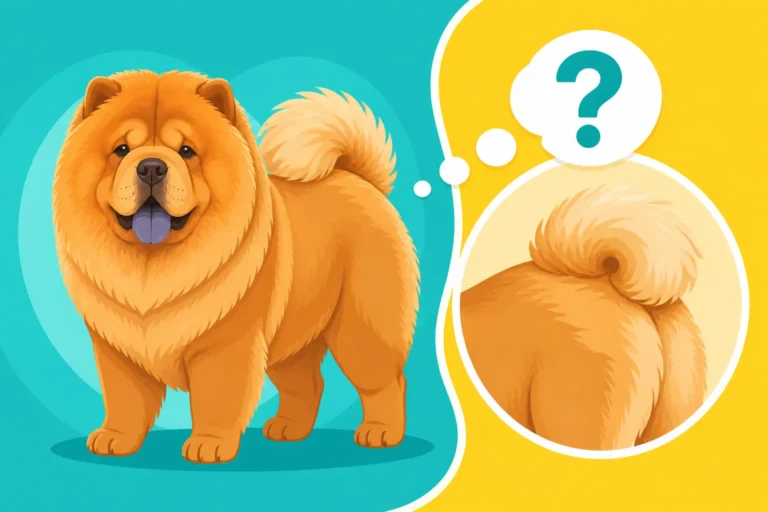
Chow Chow tail genetics and anatomy explain why this iconic, tightly curled breed feature shows very few reliable emotional signals.
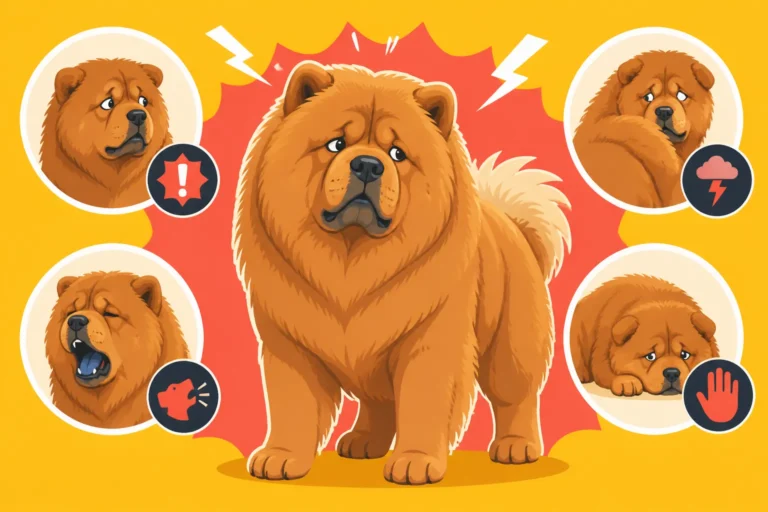
Chow Chow body language signs reveal hidden stress despite deep set eyes, a misleading scowl, thick fur, and limited tail motion.
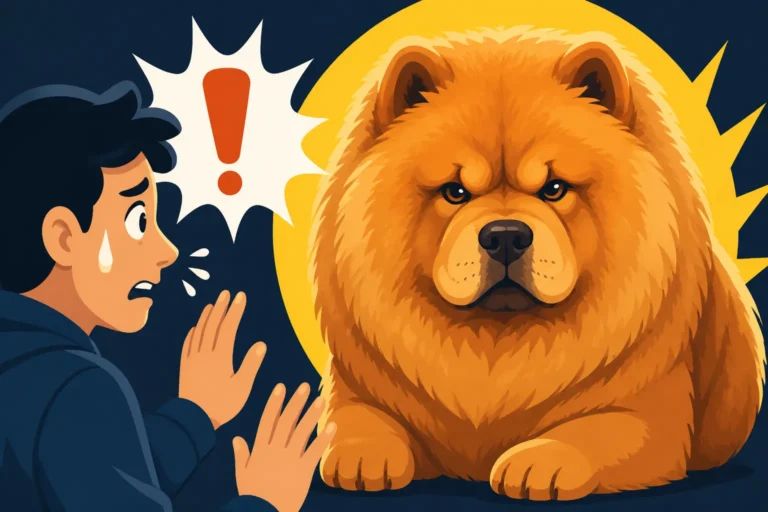
Chow Chows often give sudden reactions because dense fur and deep set eyes hide subtle body language signals like a tensed jaw or shift in weight.

Deep-set eyes partly hidden by fur and facial folds mask emotion, so owners must look past the stoic scowl to subtler cues that reveal the dog’s mood.

Deep-set eyes, prominent brows, and facial folds create the permanent Chow Chow scowl rather than any actual anger or boredom.
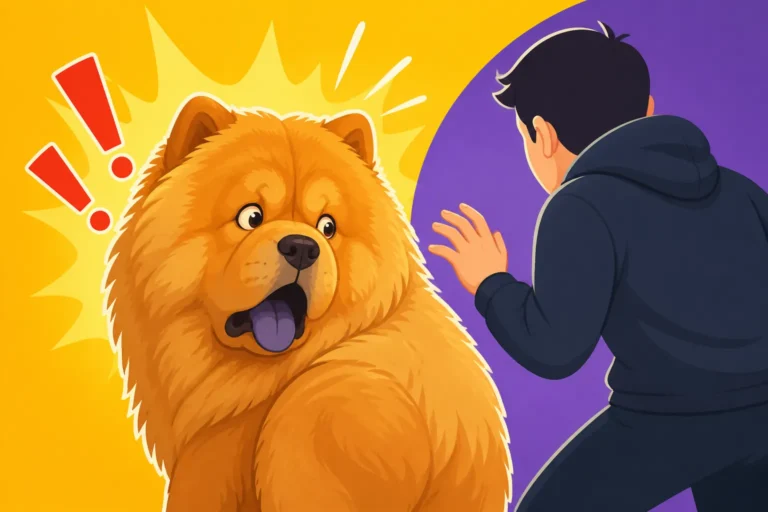
Chow Chow physical traits, such as deep-set eyes and facial folds, create blind spots causing defensive startle reactions.
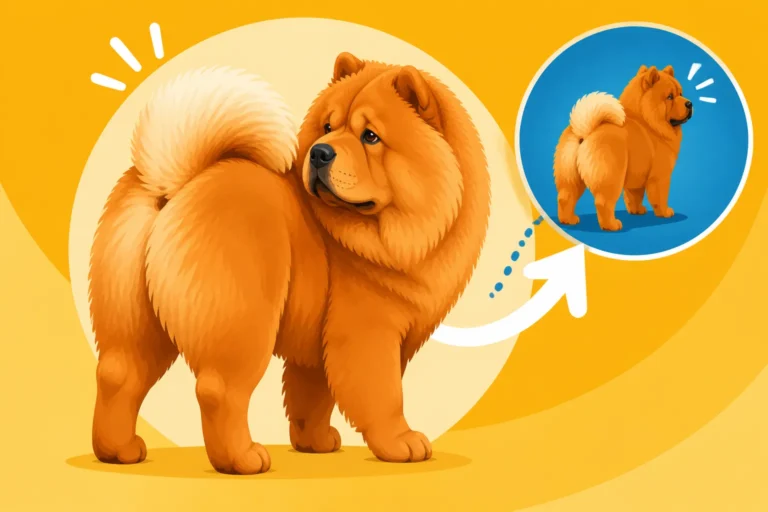
Chow Chow body turns stem from deep set eyes and facial structures that limit peripheral vision and require full head movement.
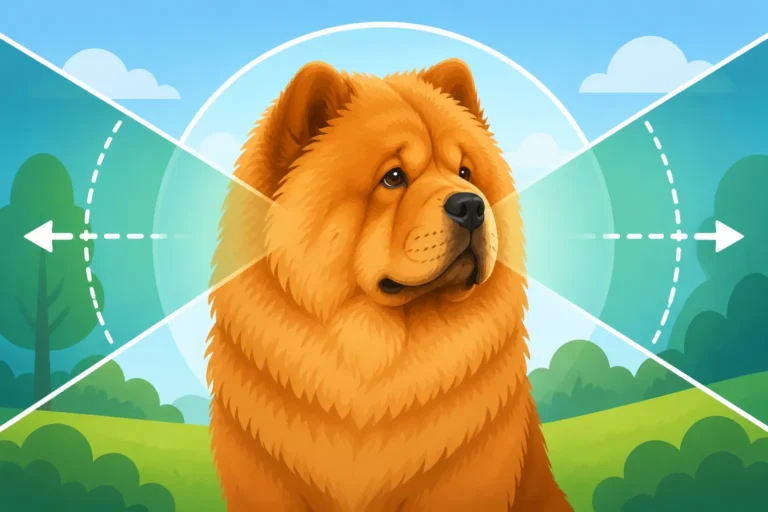
Chow Chow side vision is restricted to a narrower field than most dogs by deep-set eyes, facial folds, and dense fur, creating blind spots.
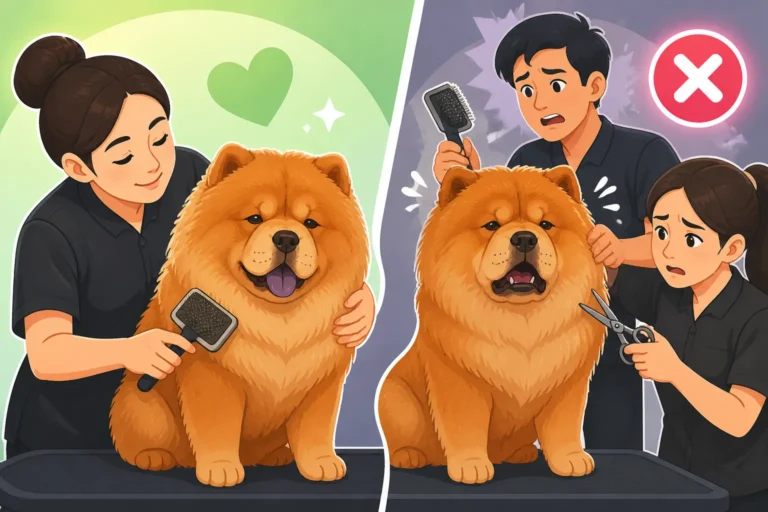
Consistent groomers reduce stress for reserved Chow Chows, accommodating their limited peripheral vision and deep-set eyes.

A preliminary groomer meeting reduces stress for a Chow Chow with a dense double coat and deep-set eyes that limit peripheral vision.