Signs a Chow Chow Has Had Enough Handling
Subtle body language signals help owners recognize when a Chow Chow dog has experienced enough handling and needs space.
Work with the temperament you have.
House-training and crate work, recall, leash manners, separation anxiety, and the behaviors this breed is wired for.
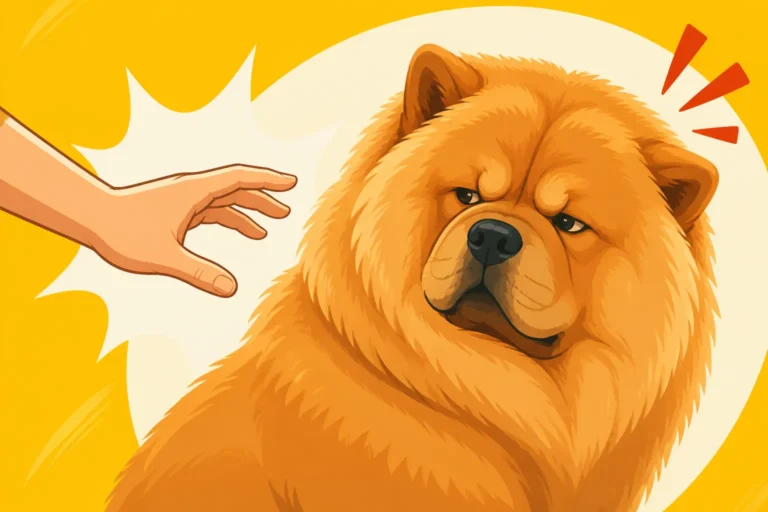
Subtle body language signals help owners recognize when a Chow Chow dog has experienced enough handling and needs space.
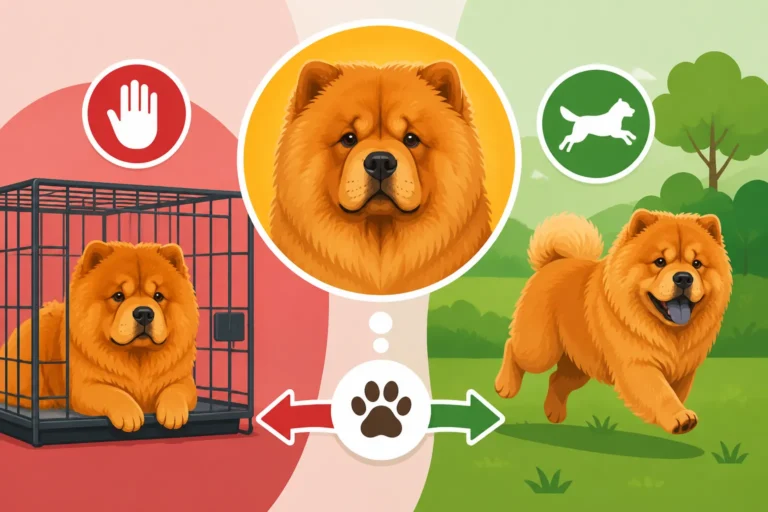
Chow Chow handling strategies explain when to restrain or release the independent guardian breed for safety and comfort.
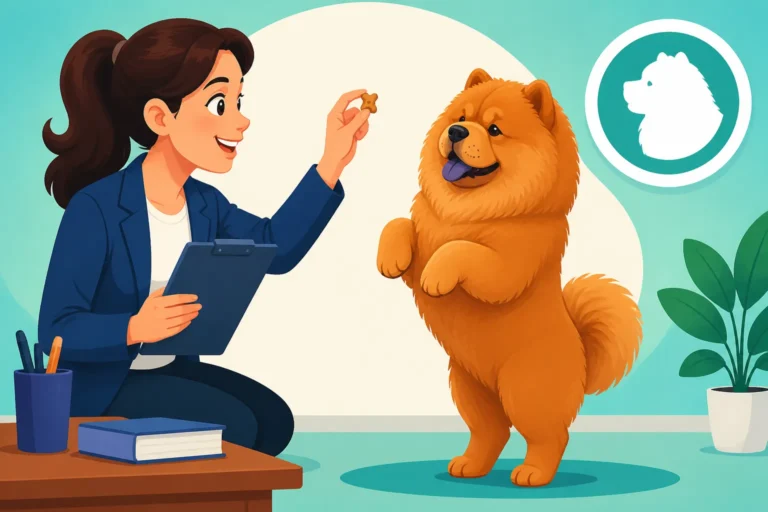
Training strategies help Chow Chows stand calmly and cooperatively during routine veterinary examinations and health checks.
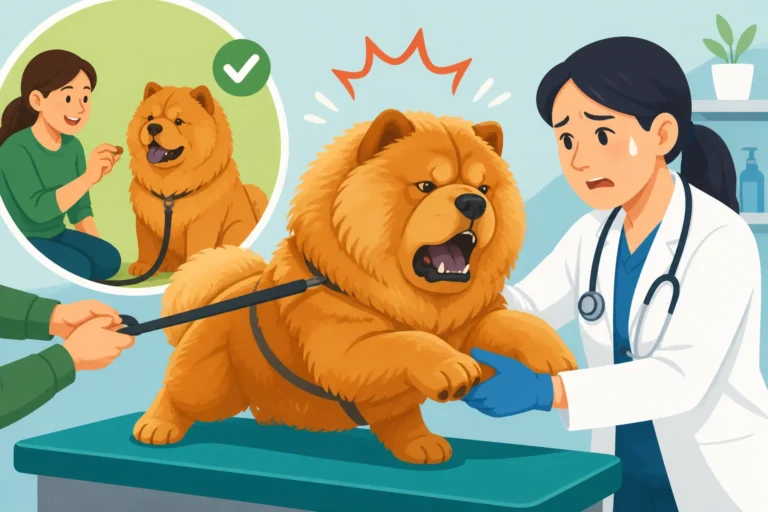
Chow Chow veterinary anxiety stems from aloofness, a strong one-person bond, and a lack of early home practice for examinations.
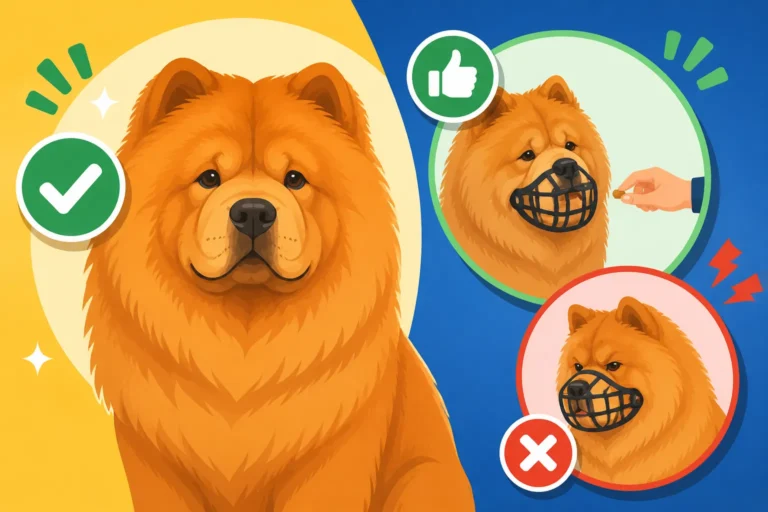
Early positive muzzle training for a Chow Chow prevents bites during vet exams, grooming, and public outings, protecting everyone.
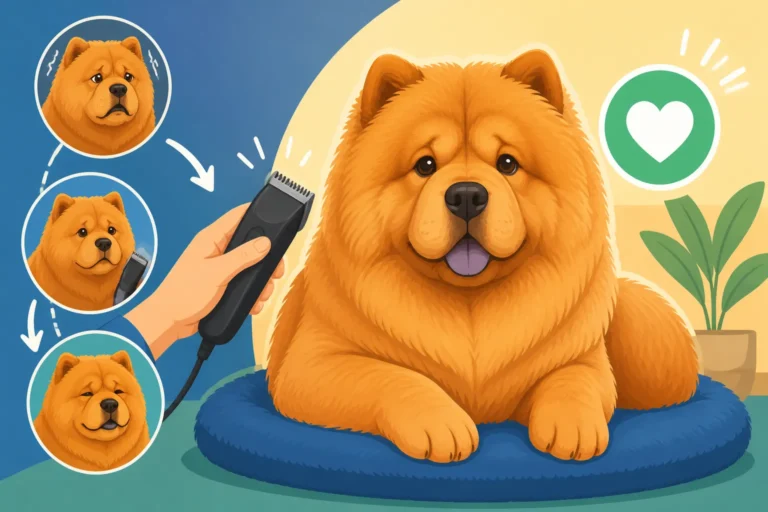
Desensitization steps help Chow Chows accept electric clippers, reducing grooming stress on sensitive paw pads and rear ends.
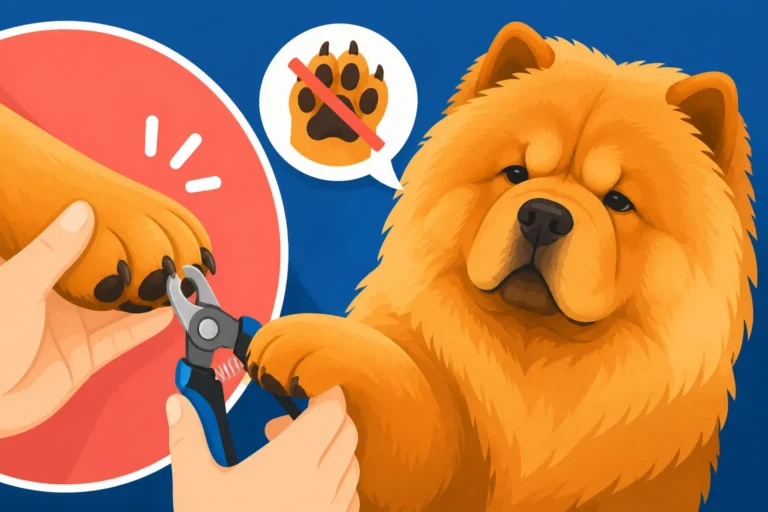
Chow Chow nail trimming challenges, dark nails, and sensitive paws explained with strategies to make grooming less stressful.

Chow Chow eye cleaning requires gentle handling techniques to manage deep-set eyes, sensitive skin, and natural defensiveness.
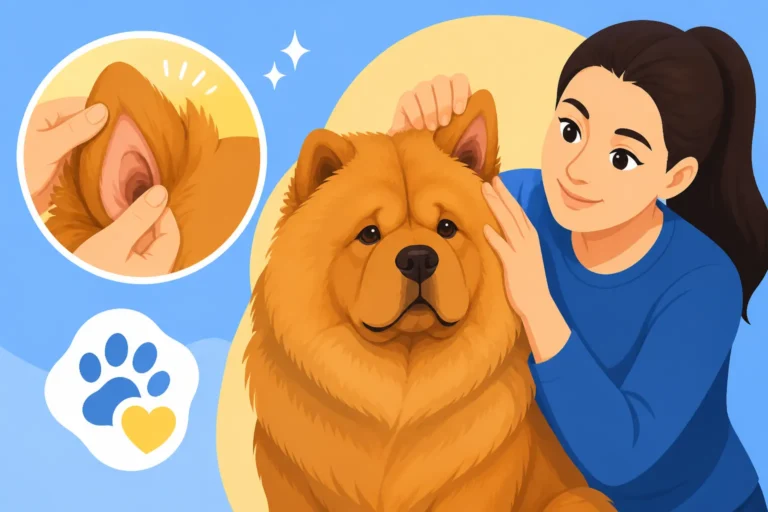
Chow Chow ear check training methods help owners build trust and reduce stress during health examinations and veterinary visits.
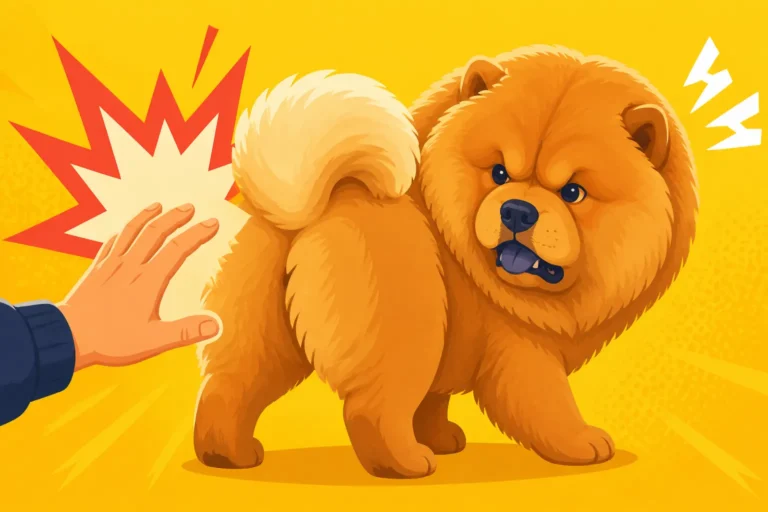
Chow Chow rear touch aversion stems from independent temperament, limited peripheral vision, and physical discomfort or joint pain.