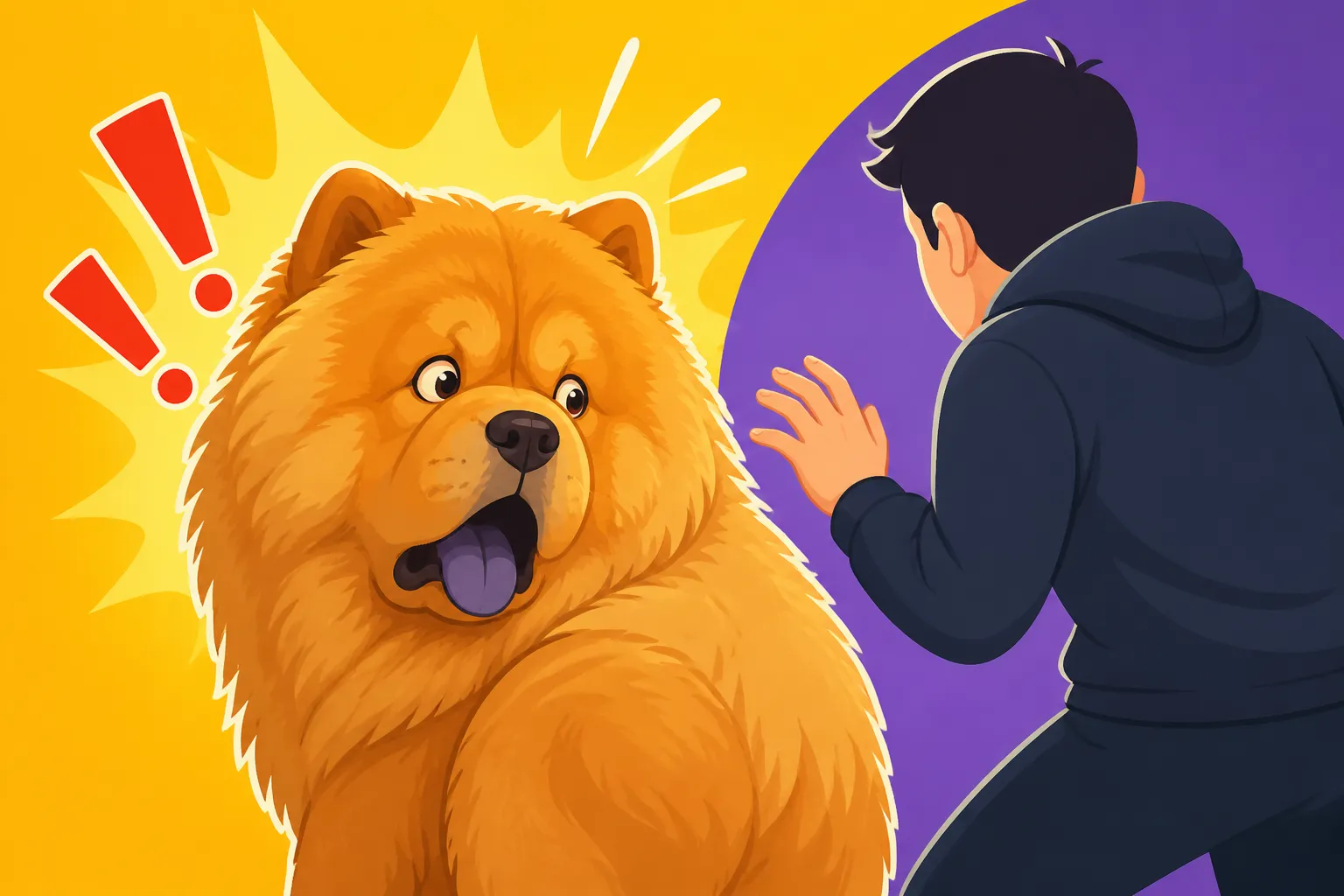
Why a Chow Chow Startles When Approached From Behind
It's incredibly frustrating and even a little scary when your beloved Chow Chow suddenly startles and snaps because you approached them from behind. This isn't just a quirky behavior; it's often rooted in their unique physical characteristics and deep-seated instincts. This guide will delve into why your Chow Chow reacts this way and offer practical, empathetic strategies to help both you and your furry companion navigate these interactions more smoothly, ensuring a safer and happier home for everyone.
Understanding the Chow Chow's Unique Anatomy and Vision
One of the most defining features of the Chow Chow, beyond their fluffy coats and majestic ruffs, is their distinctive head structure. While these features contribute to their iconic "lion's mane" appearance, they also have significant implications for how they perceive the world around them. It's not just about what they choose to see, but what their physical makeup allows them to see.
The Deep-Set Eyes and Limited Peripheral Vision
Chow Chows are known for their deep-set, almond-shaped eyes. While beautiful, this particular eye placement, combined with their broad skull and prominent brow, drastically limits their peripheral vision. Imagine trying to see what's happening to your sides or directly behind you without turning your head — that's essentially what a Chow Chow experiences. They have blind spots that most other breeds simply don't.
Because their eyes are so recessed and their facial structure is quite dense, their field of vision is narrower than many other dogs. This means that anything or anyone approaching them from the side or, especially, from directly behind them, can easily enter their blind spot completely unnoticed. It's not that they're ignoring you; they literally didn't perceive your presence until you were right on top of them. This can be startling for any creature, but for a dog with an already reserved and sometimes wary nature, it can trigger an immediate defensive reaction. Understanding Why a Chow Chow's Deep Set Eye Limits Its Vision is crucial for empathetic ownership. They truly need to turn their whole body to see what's happening, a behavior you might notice as How a Chow Chow Turns Its Whole Body to Look.
The Chow Chow's Facial Structure and "Scowl"
Adding to the visual challenges is the Chow Chow's characteristic facial structure, often described as a "scowl." This expression, created by the natural folds and muscles around their muzzle and brow, can make them appear perpetually serious or even grumpy. While it's simply a breed trait and not necessarily indicative of their mood, it can further obscure their vision. These folds can physically impede their line of sight, especially upwards and to the sides, narrowing an already restricted visual field.
This combination of deep-set eyes and facial folds means that a Chow Chow needs more than just a quick glance to assess a situation. They often have to fully orient themselves to an approaching person or object. When someone steps into their space without prior auditory warning, the sudden appearance in their restricted visual field can be genuinely alarming. This physical limitation, paired with their stoic demeanor, can also make it difficult for people to read their intentions, leading to misunderstandings. They're not always giving the obvious "warning growl" or "tail wag" that other breeds might.
Behavioral Aspects and Instinctual Responses
Beyond their unique physical traits, the Chow Chow's rich history and inherent temperament play a huge role in their reactions to being approached from behind. These aren't just modern quirks; they are echoes of centuries of breeding and purpose, shaping how they interact with their world.
Guarding Instincts and Historical Role
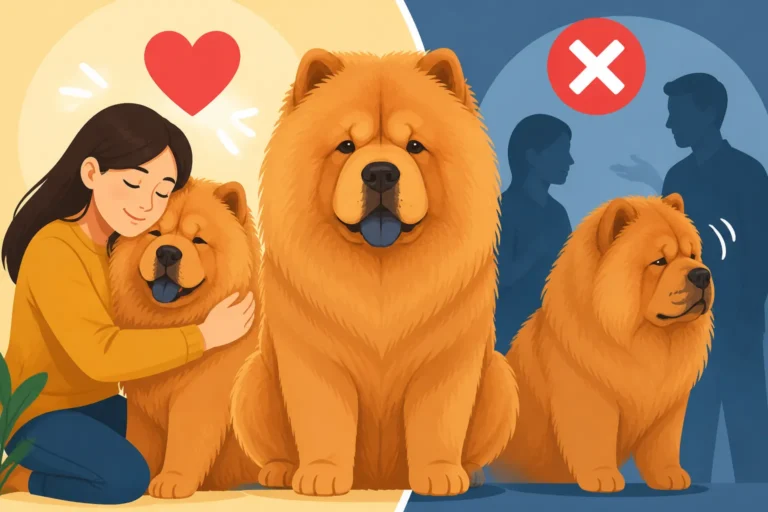
Chow Chows were originally bred in China for a variety of demanding roles, including guarding temples, livestock, and homes. This history instilled in them strong guarding instincts and a naturally wary disposition towards strangers. They are watchful, independent, and discerning, typically forming an intensely strong bond with one primary person and being quite aloof or indifferent to others. The Chow Chow Bonds to One Person and Tolerates the Rest is a well-known trait for a reason.
Because of this protective nature, an unexpected approach, especially from behind where they can't see, can be perceived as a threat. Their instinct is not to run or play, but to defend. They might startle, jump, or even snap in self-defense, not out of malice, but because their hardwired guarding instinct kicks in. They don't have the luxury of knowing it's just you coming to give them a treat; their brain's immediate response is to protect themselves and their perceived territory. This is why Why a Chow Chow Snaps at Someone It Did Not See is so often rooted in their protective past.
The Importance of Early Socialization and Handling
While genetics provide a blueprint, a Chow Chow's individual temperament and reactivity are also heavily shaped by their early experiences. Proper, positive socialization during their critical development period is paramount. This means exposing a puppy to a wide variety of sights, sounds, people, and other animals in a controlled and positive manner. Without this crucial early exposure, a Chow Chow can become even more sensitive and wary, making them more prone to startling and defensive reactions later in life.
If a Chow Chow puppy isn't gently handled from a young age – having their ears, feet, and rear touched regularly and positively – they may grow up to be extremely uncomfortable with such interactions. This discomfort can manifest as a defensive response if someone attempts to touch them unexpectedly, especially from behind. An adult rescue Chow Chow, particularly one with an unknown history, may require even more patient and consistent positive reinforcement to overcome past deficiencies in socialization. It's often asked Whether an Adult Rescue Chow Chow Can Change, and while progress is possible, it takes dedication.
Even simple things like riding in the car can be part of early socialization. Think about How Many Car Rides a Chow Chow Puppy Needs to get comfortable with the outside world. The goal is to build confidence and positive associations with various stimuli, making them less likely to perceive novel or unexpected approaches as threats.
Practical Strategies for Approaching a Chow Chow Safely
Living with a Chow Chow means learning to respect their boundaries and understanding their unique communication style. It's not about changing who they are, but about adapting your behavior to make interactions safe and comfortable for everyone involved. These strategies are all about clear communication and building trust.
Announce Your Presence Clearly
This is probably the most crucial step when approaching a Chow Chow, especially from behind or the side where their vision is limited. You need to give them an audible cue that you're there before they see you. A simple, calm vocal cue like "Hello, boy!" or "Coming through!" can make all the difference. Avoid sneaking up on them or making sudden movements without warning.
Think about it like this: if someone suddenly appeared next to you without any sound, you'd likely jump! Your Chow Chow is no different. A soft, steady voice is much better than a sudden, loud sound that could startle them further. Always try to approach from the front or at a wide angle from the side so they can see you coming. This also gives them time to process who you are and what you're doing. For more on safe introductions, refer to How to Introduce a Chow Chow to a Stranger.
Reading Their Body Language
Chow Chows are not always as outwardly expressive as some other breeds, which can make reading their cues a bit challenging. They don't typically wag their tails profusely or offer wide, happy grins. Their communication can be subtle, and it's essential to learn what your specific Chow Chow is trying to tell you. Look for subtle signs of tension or discomfort:
- Stiffening: Their body might become rigid.
- Head turn: They might turn their head slightly away, signaling they want space.
- Ears flattening: Their small, rounded ears might go back slightly.
- Lip lick: A quick lick of the lips can indicate stress.
- Yawn: Sometimes a yawn is a calming signal, not a sign of tiredness.
If you observe any of these Signs a Chow Chow Is Uncomfortable, it's vital to give them space. Pushing past their comfort zone can escalate a situation. Respecting these signals builds trust and reinforces that you understand their needs. Learning How to Read a Chow Chow's Face is a skill every Chow Chow owner needs to develop. They are often described as Why a Chow Chow Is Called Cat Like due to their independent and sometimes inscrutable nature.
Creating a Predictable and Positive Environment
Chow Chows thrive on routine and predictability. A consistent environment helps reduce anxiety and makes them feel more secure. This means maintaining regular feeding schedules, consistent walk times, and predictable interactions. When your Chow Chow knows what to expect, they are less likely to be on high alert for surprises.
Positive reinforcement is key. Always associate your presence and approaches with good things. This could be a favorite treat, a gentle scratch (in a place they enjoy, usually not the rear!), or a calm word of praise. Avoid any punishment or harsh corrections, especially if they startle, as this can break trust and make them even more wary. Every interaction, even a simple approach, is an opportunity to strengthen your bond and reinforce positive associations. This helps them understand that your presence, even if unexpected, is always a positive event.
Training and Management Techniques
Training a Chow Chow is a unique experience. They are intelligent but often described as independent and strong-willed, rather than blindly obedient. They respond best to positive reinforcement and a sense of partnership, rather than drill-sergeant commands. These techniques focus on building confidence and trust, making them less reactive to unexpected situations.
Desensitization and Counter-Conditioning
This is a powerful technique for helping your Chow Chow become more comfortable with approaches from behind. It involves gradually exposing them to the trigger (someone approaching from behind) while simultaneously associating it with something positive.
- Start Small: Begin by approaching from a visible angle, slightly behind them but still within their peripheral vision, saying your verbal cue ("Coming!") softly. As you take one step, immediately toss a high-value treat past them, so they have to turn and move to get it.
- Gradual Progression: Over many sessions, slowly decrease the angle of your approach, moving closer to directly behind them. Each time, pair your verbal cue with a delicious treat. The goal is for them to hear your voice, know a treat is coming, and choose to turn and face you for the reward, rather than being startled.
- Consistency is Key: Everyone in the household needs to practice this. Consistency ensures your Chow Chow learns that an approach from behind, preceded by a verbal cue, always means good things.
For high-value treats, many owners find great success with freeze-dried liver, small pieces of cooked chicken, or training treats easily found on platforms like Amazon. These are novel and exciting enough to hold a Chow Chow's attention. If you're looking for structured guidance, online training platforms like BAXTER & Bella offer comprehensive resources and live online classes that can walk you through these techniques step-by-step, providing expert support tailored to your needs.
Safe Handling and Grooming Practices
A Chow Chow who is comfortable with being handled is less likely to react defensively to unexpected touches. This is particularly important for grooming, vet visits, and general care. Start early, start gently, and make it positive.
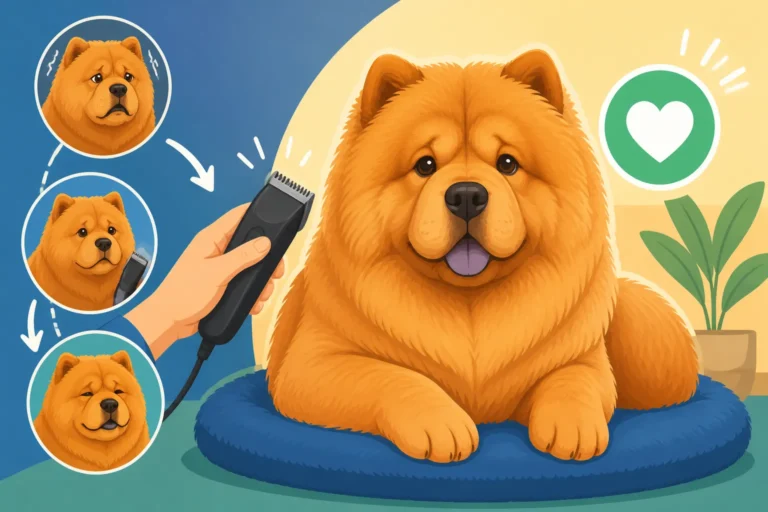
- Regular, Gentle Brushing: Begin with short, positive grooming sessions from puppyhood. Focus on making it a pleasant experience with treats and praise. Gradually work your way to handling their feet, ears, and, yes, their rear. For rough-coated Chows, this is a major undertaking, but even smooth coats need regular attention. You can find excellent deshedding brushes and grooming gloves on Amazon that make these sessions more comfortable for your dog. For more detailed advice, read Teaching a Chow Chow to Be Brushed.
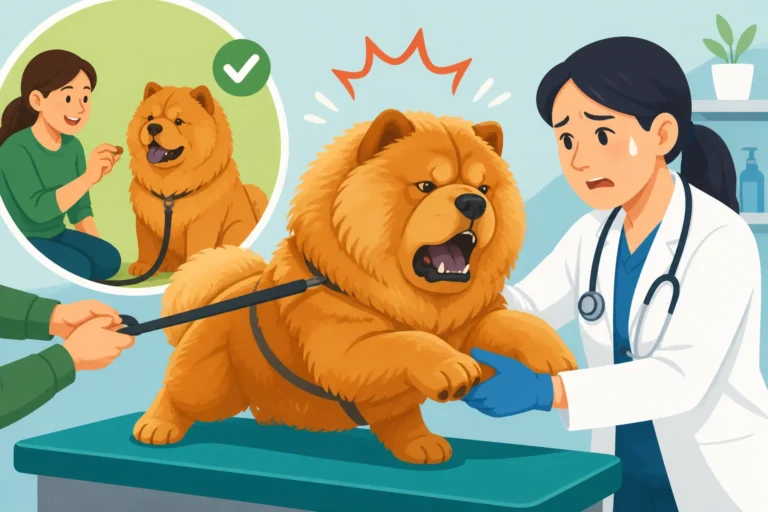
- Positive Vet Visits: Instead of only going to the vet when they're sick, make occasional "happy visits" where your Chow Chow just gets treats and praise for walking in and being briefly handled, then leaves. This helps desensitize them to the clinic environment. Knowing Why a Chow Chow Objects to Its Rear Being Touched helps you approach these sensitive areas with extra care and positive reinforcement.
- Muzzle Training: While not directly related to startling, teaching your Chow Chow to willingly wear a muzzle can be a crucial safety tool. If they are prone to snapping when startled, a muzzle can prevent accidents during vet visits or when guests are over, allowing you to manage situations safely while you continue training. Always introduce the muzzle positively, pairing it with treats.
Essential Tools and Aids
Beyond training methods, certain tools can make managing a Chow Chow's reactivity easier and safer for everyone.
- Long Line/Leash: When outside, a longer leash can give your Chow Chow more room to move and observe their surroundings without feeling cornered, reducing the likelihood of being startled. However, remember they aren't always great off-leash due to their independent nature.
- Harness vs. Collar: A well-fitting harness can provide better control than a neck collar, especially if your Chow Chow tends to pull or react suddenly. It distributes pressure more evenly and prevents strain on their neck. Again, Amazon offers a wide selection of comfortable, well-reviewed harnesses for all sizes.
- Training Classes/Online Resources: Enrolling in a positive reinforcement training class or utilizing online platforms like BAXTER & Bella can provide invaluable guidance. Professional trainers can observe your Chow Chow's specific behaviors and offer tailored advice, helping you implement desensitization and counter-conditioning more effectively. Sometimes, simply having an expert eye on your handling techniques can make a huge difference. These resources often provide comprehensive curricula, from basic obedience to advanced behavior modification, that are fantastic for breeds like the Chow Chow who need consistent, thoughtful guidance.
- Clear Communication in the Home: Establish clear rules for everyone in the household, especially children, about how to approach and interact with the Chow Chow. This might include always using a verbal cue, approaching from the front, and never disturbing the dog while it's sleeping or eating. It's also important to remember How a Chow Chow Hides Pain, so always be gentle and observe them closely.
Here's a quick summary of how to approach your Chow Chow:
| Do's | Don'ts |
|---|---|
| Always announce your presence verbally | Sneak up or approach silently |
| Approach from the front or side | Approach directly from behind |
| Speak in a calm, soothing voice | Make sudden, loud noises |
| Offer a high-value treat | Reach for them without warning |
| Read their body language and give space | Force interactions if they're uncomfortable |
| Maintain consistent routines | Allow unpredictable interactions |
By combining an understanding of their physical limitations and historical instincts with consistent, positive training and clear communication, you can help your Chow Chow feel secure and confident, minimizing those startling reactions and strengthening the unique bond you share. Patience, empathy, and consistency are your best friends when living with this magnificent breed.
Disclaimer
This article is for general informational purposes only and does not constitute professional advice. Laws, prices and regulations vary by location and change over time. Consult a qualified professional for guidance on your specific situation.