Whether a Chow Chow Has a Prey Drive
Chow Chow prey drive manifests as an instinct to chase fast-moving animals due to their ancient working history in China.
Work with the temperament you have.
House-training and crate work, recall, leash manners, separation anxiety, and the behaviors this breed is wired for.
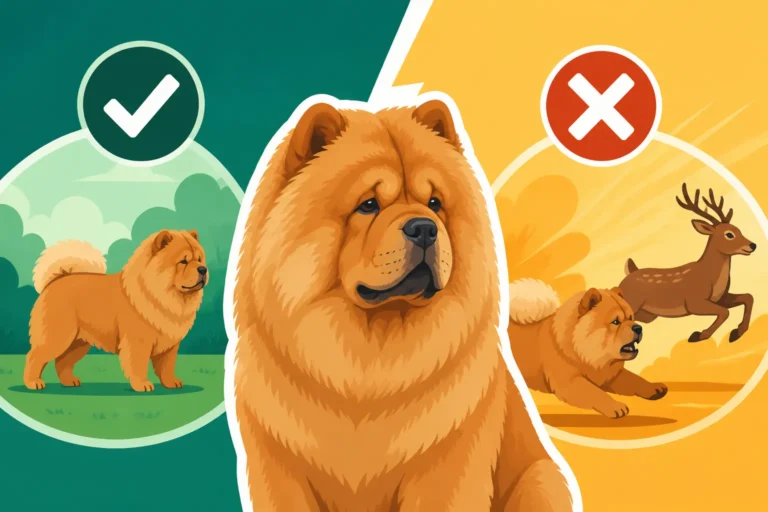
Chow Chow prey drive manifests as an instinct to chase fast-moving animals due to their ancient working history in China.
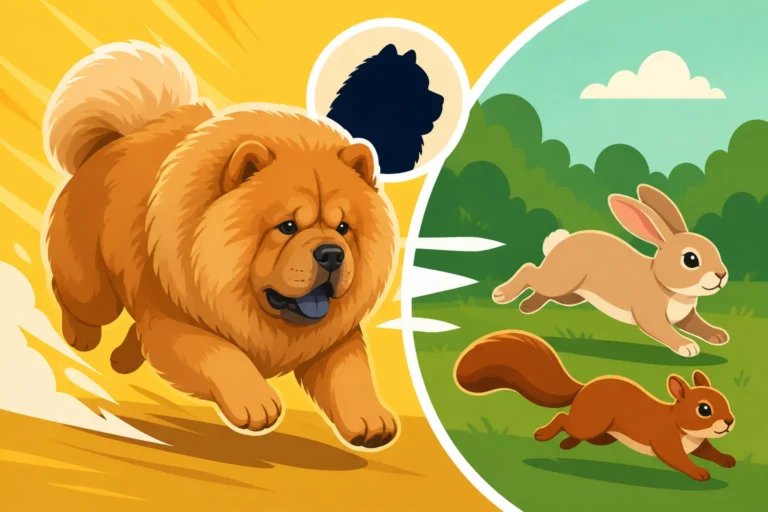
Chow Chow hunting instincts and ancient working roots explain how these dogs react to squirrels, rabbits, and other small animals.
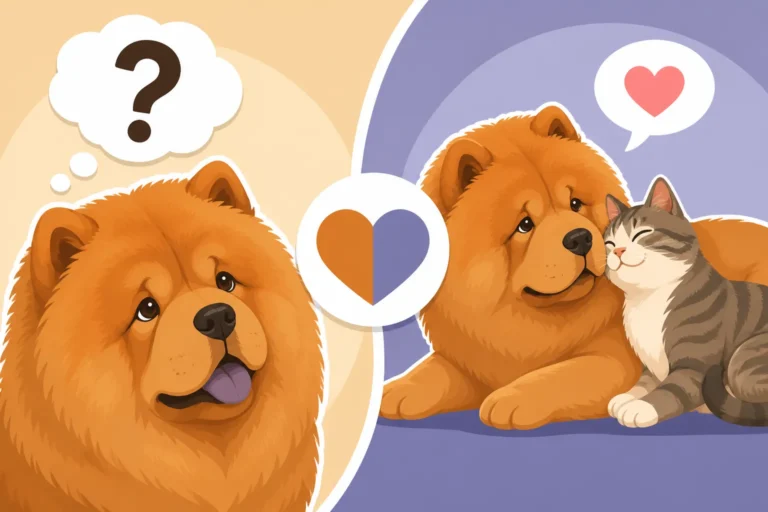
A hunting and guarding history gives a strong prey drive, so a fast-moving cat can trigger a chase instinct; socialization and upbringing shape acceptance.
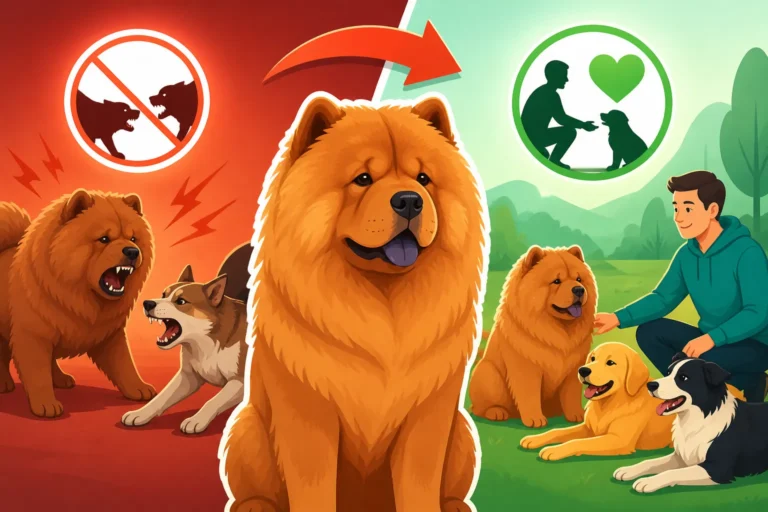
Chow Chow dog rehabilitation around other canines explains history, instincts, signs of discomfort, subtle signals, and direct reactivity.
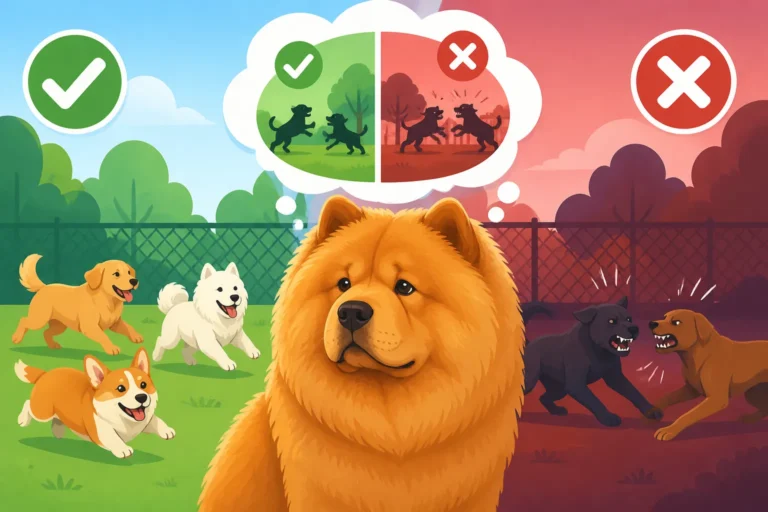
Chow Chow temperament and limited peripheral vision explain why public dog parks create risks, stress, and potential altercations.
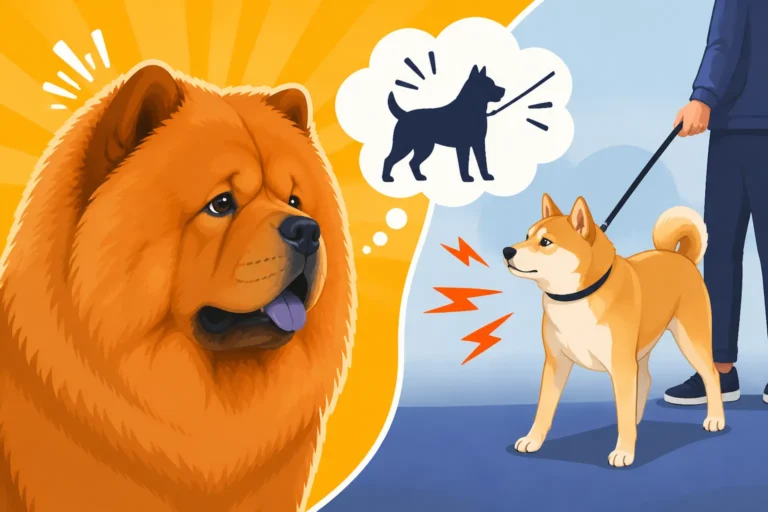
Chow Chow leash reactivity stems from ancient guarding traits and deep set eyes limiting vision, causing defensive barking.

Chow Chow compatibility with multi-pet households, families with children, and other dogs requires careful planning and early socialization.

Two Chow Chows living together requires managing territorial instincts, resource guarding, and opposite-sex pairing dynamics.
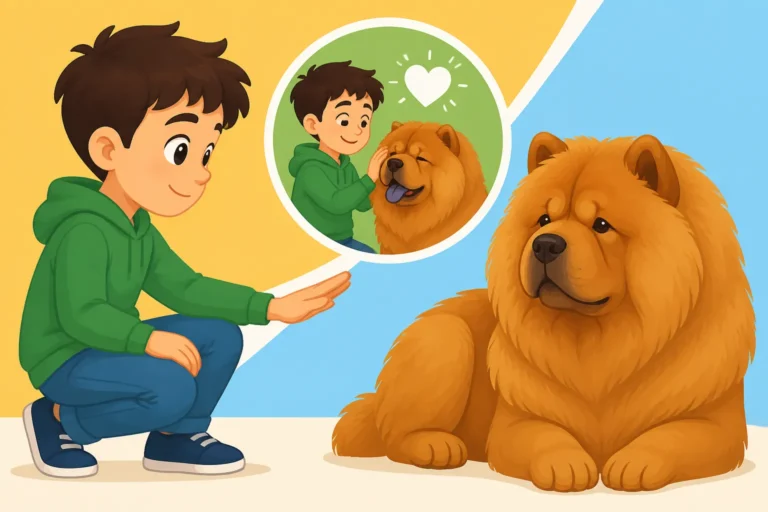
Chow Chow guarding instincts and independent temperament require specific techniques to teach children safe approaches and personal space.
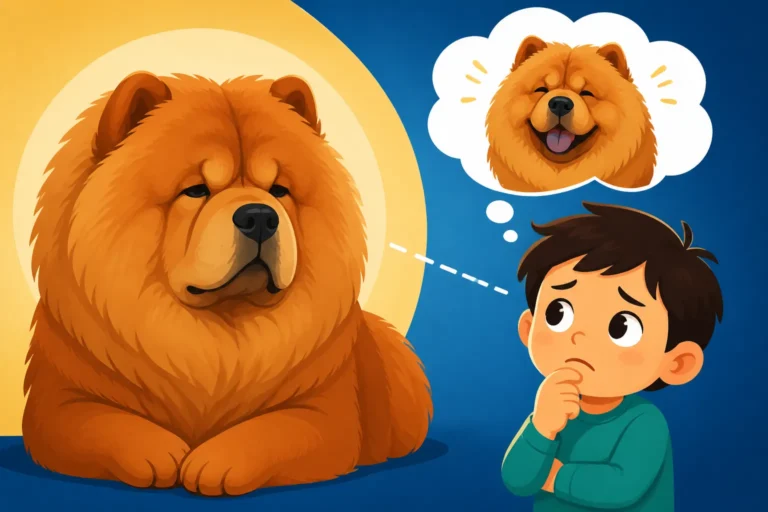
Chow Chow communication styles and limited peripheral vision explain why children frequently misinterpret subtle warnings and startle the dogs.