How Much a Chow Chow Wants to Be Petted
It’s a common scenario: you see a fluffy, majestic Chow Chow, and your first instinct is to reach out and bury your hands in that glorious coat. After all, most dogs thrive on physical affection, right? You expect a wagging tail, a happy lean, maybe even some enthusiastic licks. But with a Chow Chow, you might be met with a stoic indifference, a subtle turn of the head, or even a low growl. This can be truly perplexing and even a little disheartening if you’re used to more demonstrative breeds. This guide is here to shed light on exactly how much a Chow Chow truly wants to be petted, helping you understand their unique language of affection and build a respectful, loving bond.
Understanding the Chow Chow's Unique Affection Style
Chow Chows are a breed unlike many others when it comes to expressing and receiving affection. They aren't typically the type to demand constant cuddles or flop over for belly rubs from strangers. This isn't a flaw in their character or a sign they don't love you; it's simply a fundamental aspect of their ancient, independent nature. Getting to know a Chow Chow means understanding that their love runs deep, but it’s often shown in ways that are far more subtle and reserved than most people anticipate. You might find yourself constantly wondering, How Much a Chow Chow Wants to Be Petted.
The "Cat-Like" Dog Stereotype and Its Reality
You’ll often hear Chow Chows described as "cat-like" dogs, and honestly, it’s a pretty accurate comparison in many respects. Just like a feline friend, a Chow Chow appreciates companionship, but often on their own terms. They might enjoy being in the same room as you, perhaps even stretched out across your feet, without demanding constant physical interaction. This independent streak means they typically aren't seeking endless petting sessions or effusive displays of physical adoration. If you're used to a Golden Retriever or a Labrador who lives for a good snuggle, the Chow Chow's aloofness can come as quite a shock. It's not that they don't value your presence; they just don't always feel the need to express that value through continuous physical touch.
This "cat-like" quality extends to their personal space. They have a clear boundary, and they expect it to be respected. While some dogs might lean into a stroke or nudge your hand for more, a Chow Chow is more likely to move away if they’ve had enough. This isn't a rejection, but rather a gentle (or sometimes not-so-gentle) request for space. Their affection is a slow burn, built on trust and mutual respect, rather than instant, overflowing enthusiasm. Understanding this fundamental difference is the first step in truly connecting with your Chow Chow and appreciating the unique bond you can form. Don't be fooled by their serious expression or deep-set eyes; beneath that lion-like mane lies a loyal heart, it just expresses itself differently. Why a Chow Chow Is Called Cat Like is a question many owners ponder, and this independent nature is a huge part of the answer.
Bonding, Not Cuddling: How a Chow Chow Shows Love
So, if they don’t always want to be petted, how do Chow Chows show affection? Their love is often demonstrated through quiet companionship and unwavering loyalty. They might choose to simply lie near you, follow you from room to room without being underfoot, or greet you with a subtle tail wag and a soft glance. These are their expressions of devotion, far more significant to them than boisterous displays. They might even engage in what’s called "lean-on" affection, where they lean their body against your leg or side while sitting, offering their weight as a comforting presence.
For a Chow Chow, consistency and predictability are key. They thrive on routine and knowing they can trust you. A quiet evening spent together, with you reading and them napping nearby, might be their ideal bonding scenario. This type of affection requires you to pay attention to subtle cues, rather than expecting overt signals. They might bring you a toy, not to play, but as an offering of their prized possession. They might also let you know they love you by calmly accepting your presence during mundane tasks, or simply by observing you with a serene, watchful gaze. The bond with a Chow Chow is incredibly strong once earned, but it's often more about shared space and quiet understanding than enthusiastic physical contact. This distinct way of expressing their feelings is why many ask, How Affectionate a Chow Chow Is.
Reading Your Chow Chow's Cues for Petting
Because Chow Chows aren't typically the kind of dog to vocalize or dramatically signal their desire for affection, learning to read their subtle body language is absolutely paramount. Misinterpreting their signals can lead to discomfort for them and potentially a strained relationship with you. They have a very clear "personal bubble," and knowing when they're inviting you in versus asking for space is crucial for fostering trust and ensuring a positive interaction. This is especially true given Why a Chow Chow Gives Little Warning when they're pushed too far.
Signs Your Chow Chow is Open to Touch
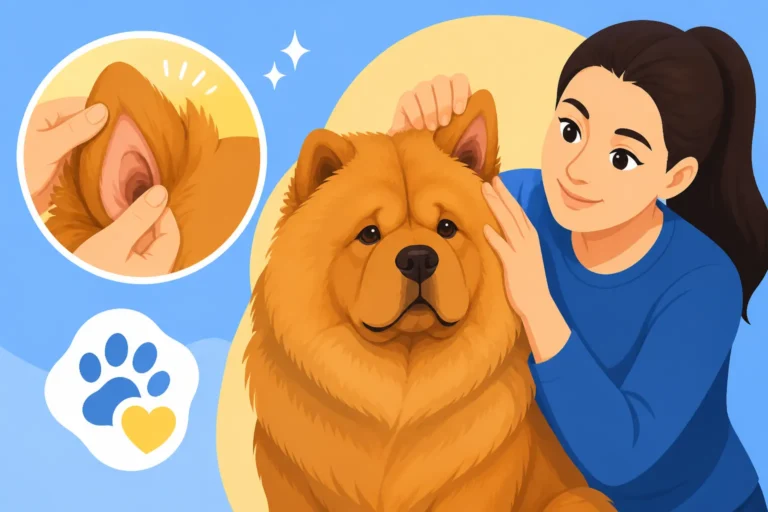
When a Chow Chow is open to being petted, their body language will tell you, but you have to look closely. Their signs are usually subtle and invitation-based. You might notice them relaxing their posture, perhaps a softening of their deep-set eyes, or a gentle lean against your hand if you offer it. They might even nudge your hand with their head or nose, which is a clear invitation for a brief, gentle pet. This is not a demand for endless scratches, but an acknowledgment of your presence and a moment of shared connection.
Other subtle cues can include a relaxed mouth, with their tongue perhaps slightly visible, or a slow, even tail wag that isn't overly exuberant. If they come to you and settle down nearby, or even rest their head on your lap, these are strong indicators that they are comfortable with your proximity and might appreciate a quiet, gentle stroke on their chest or along their shoulders. The key is that they initiate the contact or clearly respond positively when you offer the opportunity. Think of these moments as precious, small windows of opportunity rather than an open invitation for a lengthy petting session. Often, these moments occur when you're both relaxed, like after a quiet walk or during an evening winding down.
Signs Your Chow Chow is Not Interested (or Worse)
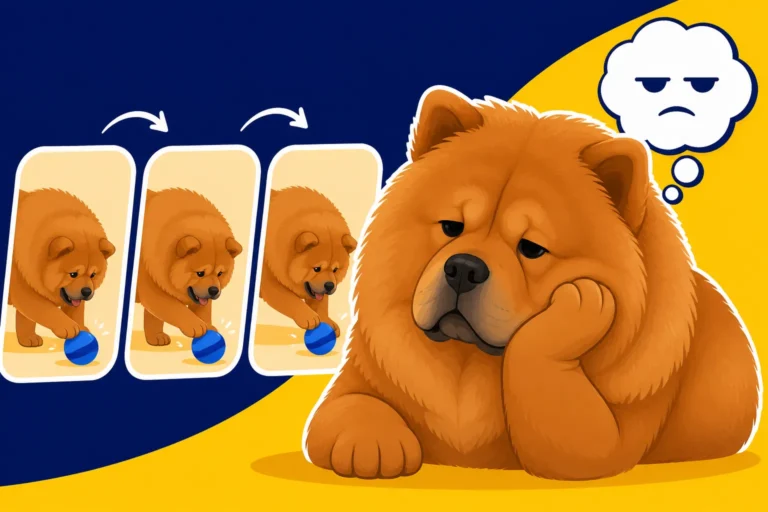
Just as crucial as recognizing an invitation is identifying when your Chow Chow is not interested in being touched, or when they are actively uncomfortable. Ignoring these signals can quickly escalate the situation and damage the trust between you. A Chow Chow will often start with very subtle cues of discomfort: a slight stiffening of their body, turning their head away, avoiding eye contact, or a quick lip lick. Their ears might flatten slightly, or they might shift their weight as if preparing to move away.
If these initial subtle warnings are ignored, the signs can become more pronounced. You might see a hard stare, a wrinkling of the muzzle, or even a low growl. This is their way of saying, "I've had enough, please stop." Given their unique facial structure and deep-set eyes, it can sometimes be harder to read their expressions than other breeds. Why a Chow Chow's Deep Set Eyes Limit What It Sees can also contribute to them being easily startled, making it even more important to respect their personal space. Pushing past these clear warning signs, whether subtle or overt, is a recipe for disaster. It not only erodes their trust in you but can also lead to them feeling cornered and resorting to more direct means of defense, such as snapping or biting. Always respect their "no" – it's a vital part of having a harmonious relationship with this proud breed.
| Body Language Cue | Interpretation | Action |
|---|---|---|
| Relaxed Posture | Open to interaction | Offer a hand, gentle stroke chest/shoulder |
| Soft Gaze, Blinking | Comfortable, calm | Continue if dog remains relaxed |
| Lean-in or Nudge Hand | Inviting touch | Pet gently for a few moments |
| Stiffening Body | Uncomfortable | Stop petting, give space |
| Head Turn, Averting Eyes | Asking for space | Withdraw hand, do not pursue |
| Lip Licking, Yawning | Stress/Anxiety signals | Stop all interaction immediately |
| Ears Back, Low Tail Wag | Unhappy, uneasy | Create distance, observe |
| Growl, Muzzle Wrinkle | Clear warning | Stop immediately, respect boundary |
Approaching a Chow Chow for Affection
The way you approach a Chow Chow for physical affection is paramount to gaining their trust and ensuring a positive interaction. It's not about forcing cuddles or demanding attention, but rather about inviting interaction and respecting their choice. Think of it as a dance where they lead, and you follow. This mindful approach will deepen your bond far more than any amount of uninvited petting ever could.
The "Consent Test": Always Ask First
The best rule of thumb when it comes to petting a Chow Chow (or any dog, for that matter, but especially this independent breed) is the "consent test." This means you always ask for permission before you pet them, and you respect their answer. Here's how it generally works:
- Offer a calm hand: Extend your hand slowly, palm down, towards their shoulder or chest area, not over their head. Allow them to sniff and assess.
- Wait for a response: Do they lean in? Nudge your hand? Relax their body? These are "yes" signals. If they turn their head away, stiffen, or walk off, that’s a "no."
- Pet briefly, then pause: If they give you a "yes," give them a few gentle strokes in an acceptable spot like their chest, under their chin, or the side of their neck. Then, pause and remove your hand.
- Re-assess: Does your Chow Chow re-engage? Do they lean back into your hand or look at you with soft eyes? If so, you can offer a few more strokes. If they remain still, turn away, or show any signs of discomfort, the session is over.
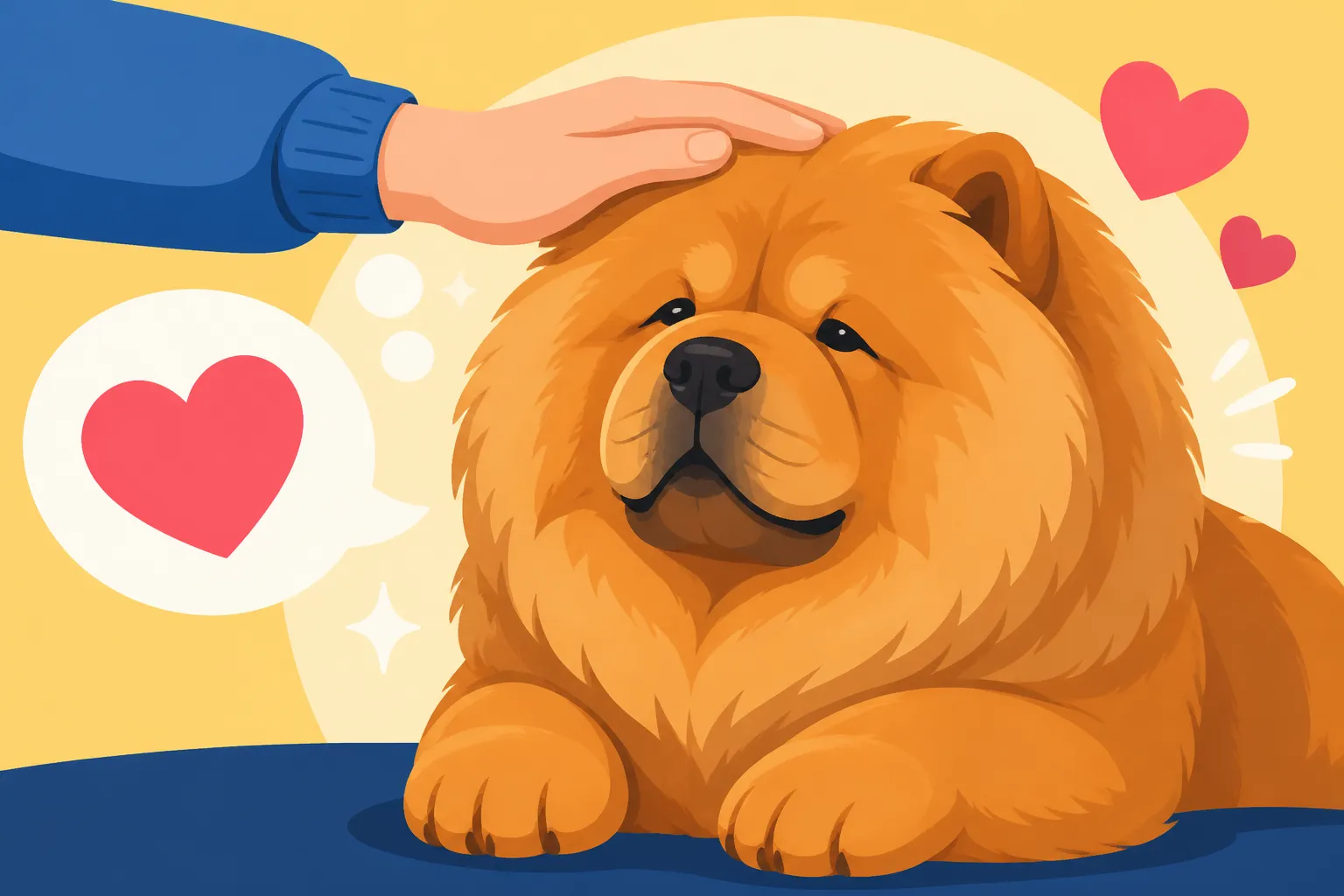
This continuous process of asking and respecting ensures that your Chow Chow always feels in control of the interaction. Never reach over their head to pet them, as this can be perceived as threatening, especially given their limited peripheral vision due to their deep-set eyes and ruff. Training tools and programs, such as those offered by BAXTER & Bella, often emphasize positive reinforcement and consent-based handling, which can be incredibly beneficial for building a strong, respectful relationship with a Chow Chow. They help teach owners how to communicate effectively and build a solid foundation of trust, reinforcing good behavior without intimidation.
Short, Sweet, and on Their Terms
When a Chow Chow does invite you for a pet, remember that "short and sweet" is often the best approach. Unlike many breeds who revel in extended petting sessions, a Chow Chow typically prefers brief, low-pressure interactions. A few gentle strokes, a scratch behind the ears if they allow it, and then withdrawing your hand allows them to indicate if they'd like more or if they've had their fill. This also reinforces the idea that you respect their boundaries and aren't going to overstimulate them.
Focus on quality over quantity. Those moments when your Chow Chow chooses to solicit affection are golden opportunities to reinforce your bond, but they shouldn't be prolonged. Think of it like a brief, meaningful conversation rather than a long, rambling monologue. Some Chows might even prefer gentle brushing as a form of physical contact. A good quality undercoat rake, which you can find easily on Amazon, used gently and regularly, can be a mutually enjoyable activity. It provides physical contact in a controlled way, helps manage their incredible double coat, and often feels good to them without being overly intrusive. Remember, a Chow Chow's affection is earned, not given freely, and respecting their terms for physical touch is a cornerstone of that earning process.
Managing Expectations and Educating Others
Living with a Chow Chow means consistently managing expectations – not just your own, but those of friends, family, and strangers who might encounter your dog. Their unique temperament and approach to physical affection are often misunderstood, leading to potentially uncomfortable or even dangerous situations if not properly managed. Taking the time to educate those around you about your Chow Chow's boundaries is a vital part of responsible ownership.
Explaining to Visitors and Children
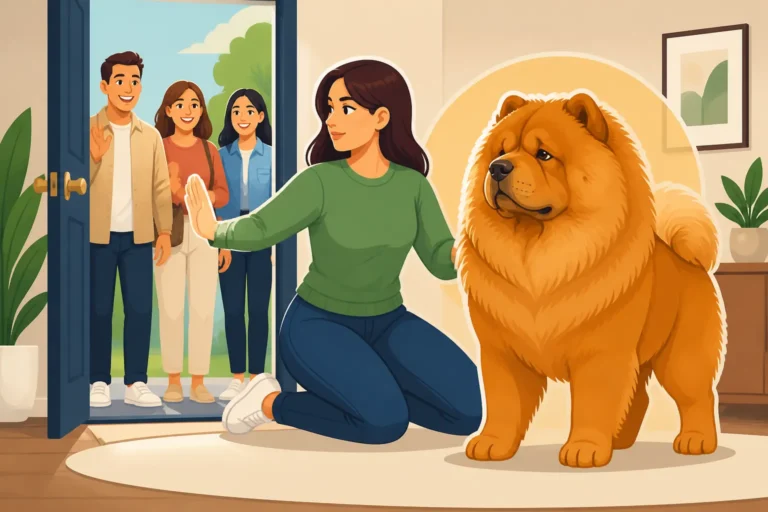
One of the biggest challenges Chow Chow owners face is explaining to well-meaning visitors or curious children that their dog isn't a "hugger" or a "pet me all the time" kind of canine. It can be hard for people to grasp that a dog can be loving and loyal without constantly seeking physical attention. When guests come over, be proactive in setting boundaries. Explain simply, "My Chow Chow prefers quiet greetings and isn't a fan of too much petting, especially from people they don't know well." You might suggest they offer a hand for sniffing rather than immediately reaching out, and always instruct them to watch for the dog's subtle cues.
Children, in particular, need careful guidance. Their natural exuberance and tendency to hug or lean on dogs can be overwhelming and even frightening for a Chow Chow, who might see such actions as an invasion of their personal space. Teach children how to approach a dog safely, always with an adult supervising, and emphasize the "consent test." Explain that a Chow Chow's expressions might be harder to read, and it's always best to err on the side of caution. How to Teach a Child to Approach a Chow Chow is an essential skill for any Chow Chow owner with young ones in their life or who frequently hosts families. Consider having a designated "safe space" for your Chow Chow where they can retreat if visitors become too much, such as their crate or a quiet room.
Building a Relationship Beyond Cuddles
It's crucial for Chow Chow owners to understand that a deeply loving and fulfilling relationship with their dog doesn't have to revolve around constant physical affection. Their loyalty and bond are expressed in myriad other ways. Focus on activities that you both enjoy and that reinforce your connection without requiring constant physical touch. This could include quiet walks in peaceful environments, engaging in short, fun training sessions, or simply enjoying each other's company in the same room.
Training is an excellent way to bond with a Chow Chow. They are intelligent dogs, and while they can be stubborn, they respond well to positive reinforcement and consistent, fair training methods. Brands like BAXTER & Bella offer online puppy and dog training programs that can help you build communication and trust, making training a positive bonding experience. Interactive toys and puzzle feeders, readily available on Amazon, can also be a wonderful way to engage your Chow Chow mentally and physically, creating shared positive experiences. Remember, a Chow Chow's love is profound and lasting. It might not look like the Hollywood version of dog affection, but it is deeply rewarding in its own unique, dignified way. Appreciating their quiet companionship and respecting their boundaries will forge a bond that is truly special.
Disclaimer
This article is for general informational purposes only and does not constitute professional advice. Laws, prices and regulations vary by location and change over time. Consult a qualified professional for guidance on your specific situation.