Whether a Chow Chow Should Be Crated for Visitors
When visitors come to your home, the joyous chaos for many dog owners can quickly turn into a stressful tightrope walk for those of us with Chow Chows. Our beloved, dignified companions, with their naturally reserved and often wary nature, don't always take kindly to new faces in their personal space, leading to anxiety for everyone involved. This guide is dedicated to exploring whether crating your Chow Chow when guests arrive is a helpful solution, how to implement it effectively, and what other strategies can make these social occasions a breeze for both your dog and your human company.
Understanding Your Chow Chow's Instincts Around Strangers
Let's be honest, Chow Chows aren't typically the life of the party when it comes to meeting new people. Their aloofness isn't a flaw; it's a deeply ingrained part of their heritage and temperament. Understanding these core traits is the first step in managing visitor interactions successfully. Trying to force a Chow Chow to be something they're not usually leads to more stress, not less.
The Chow Chow's Natural Wariness
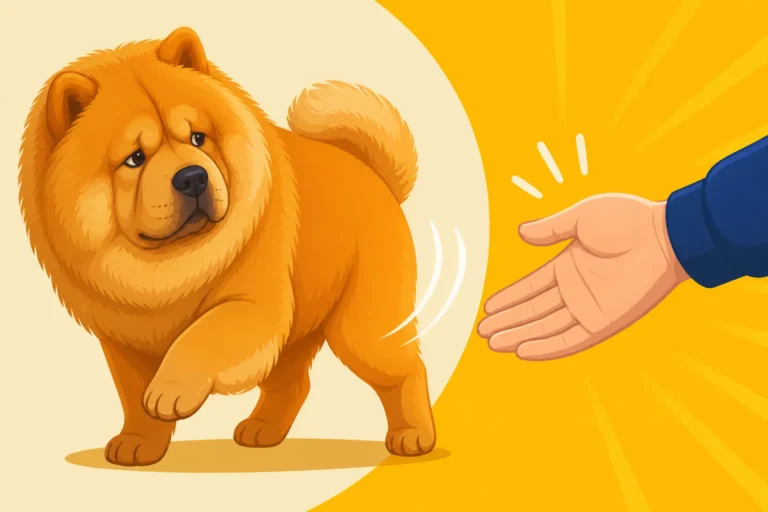
Your Chow Chow isn't being rude; they're being a Chow Chow. This breed is known for its independent spirit and profound loyalty to its primary person or family. This means that while they might tolerate other family members, strangers are often met with a distinct lack of enthusiasm, if not outright suspicion. They don't usually jump for joy or ask for belly rubs from someone they just met. In fact, many Chow Chows view new people with a keen, watchful eye, evaluating them rather than seeking interaction. This natural wariness means that having unfamiliar faces enter their home, a place they consider their sanctuary, can be incredibly unsettling for them. They thrive on routine and predictability, and visitors disrupt that. Expecting them to instantly warm up to an unknown person is often unrealistic and can set both you and your dog up for failure. How Aloof a Chow Chow Really Is touches on this perfectly – it's a defining characteristic.
Territorial Tendencies and Resource Guarding
Beyond general wariness, many Chow Chows possess strong territorial instincts. Their home is their territory, and you are one of their most precious resources. When strangers arrive, it can feel like an invasion to them. They might see these guests as intruders or competitors for your attention, space, or even their favorite napping spot. This territoriality can manifest as growling, stiff body language, or even attempts to put themselves between you and your guests. It’s not necessarily aggression in the malicious sense, but rather a strong desire to protect their perceived domain and their people. This protective instinct is why What a Chow Chow Guards and Why is such an important read for Chow Chow owners. They might guard anything from their food bowl to their preferred couch cushion, and adding new variables like guests can heighten these tendencies significantly.
Limited Peripheral Vision and Startle Reflex
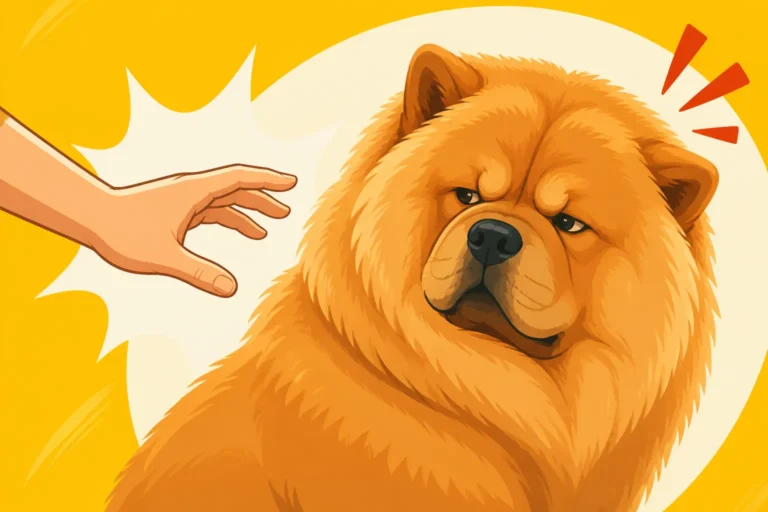
Here's something many people don't consider: a Chow Chow's unique anatomy impacts how they perceive their environment. Their deep-set eyes, combined with their dense facial fur and often pronounced "scowl," can actually limit their peripheral vision. This means they might not see someone approaching from the side or behind as readily as other breeds. Imagine how unsettling it would be if people kept appearing in your blind spots! This limited vision can contribute to a heightened startle reflex. A guest reaching out to pet them unexpectedly, or simply moving quickly into their field of vision, could cause your Chow Chow to react defensively because they genuinely didn't see it coming. This isn't them being "mean," but rather reacting out of surprise and a perceived threat due to their visual limitations. Understanding Why a Chow Chow Snaps at Someone It Did Not See is crucial for preventing incidents.
The Benefits of Crating Your Chow Chow When Guests Arrive
Given their inherent nature, territorial instincts, and visual quirks, it's clear that visitor arrivals can be a high-stress event for many Chow Chows. This is where a well-implemented crating strategy can become your best friend, offering a multitude of benefits for everyone involved.
Providing a Safe Haven for Your Dog
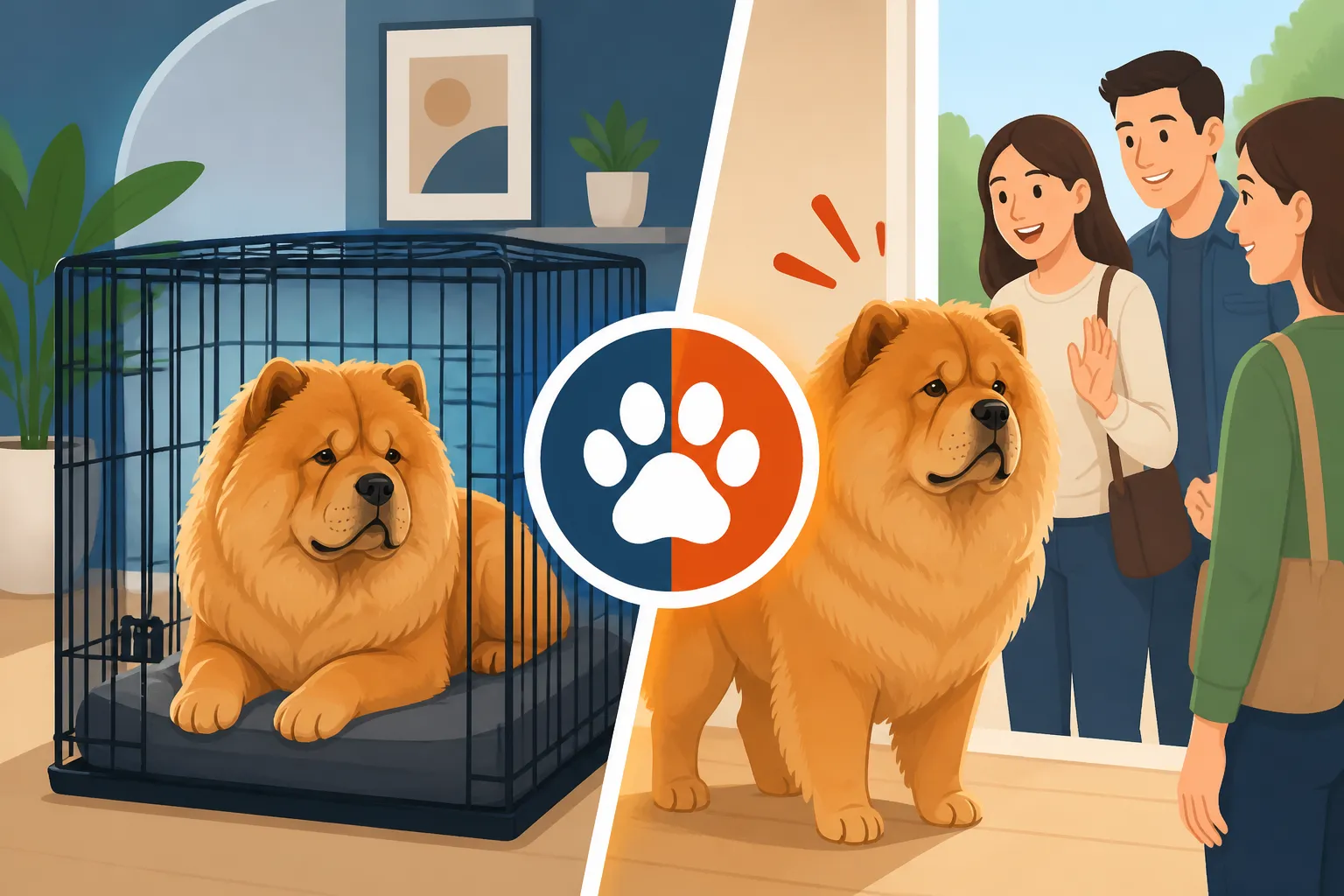
Think of the crate not as a punishment, but as your Chow Chow's personal, cozy apartment. When strangers are in the house, the crate offers a predictable, secure, and quiet space where your dog can retreat from the commotion. It's a place where they don't have to be "on guard" or worry about unexpected interactions. Filled with their favorite blanket, a chew toy, and a fresh bowl of water, it becomes their den – a comforting sanctuary. This is especially true if you have a dog that's prone to anxiety or overstimulation. Rather than being overwhelmed by new smells, sounds, and people, they can relax in their familiar space. This can drastically reduce their stress levels, helping them feel safe and in control of their immediate environment, even when the rest of the house is buzzing with activity. How Well a Chow Chow Copes Alone can offer insight into their general temperament regarding solitude, which ties into how they might perceive their crate as a safe retreat.
Ensuring Guest Comfort and Safety
Let's be frank: not everyone is a dog person, and even dog lovers can be intimidated by a large, reserved, and potentially wary Chow Chow. When your guests arrive, you want them to feel welcome and relaxed, not nervous about a dog whose intentions they might misinterpret. Crating your Chow Chow removes any ambiguity. Guests can enter and enjoy themselves without worrying about being barked at, guarded, or potentially snapped at if they inadvertently cross a boundary your dog has set. This is particularly important if you have children visiting, who might not understand dog body language or proper etiquette around unfamiliar dogs. By crating your Chow Chow, you eliminate any risk of accidental nips or lunges, ensuring a safe environment for everyone. It allows your guests to relax and focus on the visit, knowing that the dog is secure and content.
Reducing Stress for Everyone
Ultimately, a well-placed crate can be a huge stress reliever for everyone. For you, the owner, it means you don't have to constantly monitor your Chow Chow's interactions, anticipate potential problems, or apologize for their less-than-effusive greetings. You can actually engage with your guests without feeling torn between your dog and your company. For your Chow Chow, it means escaping the overstimulation, the strange smells, and the constant need to assess newcomers. They can chew on a Kong, nap, and simply be a dog in peace. And for your guests, it means a truly comfortable visit, free from apprehension. It transforms a potentially tense situation into a calm, controlled, and enjoyable experience for all parties. Think of it as hitting the "mute" button on potential social anxieties – everyone wins.
Preparing Your Chow Chow for Crate Time During Visits
Simply throwing your Chow Chow into a crate minutes before guests arrive is a recipe for disaster. The crate should already be a positive, welcoming place for them, not a sudden, frightening confinement. Preparation is key to making this strategy successful and stress-free.
Making the Crate a Positive Place
The most crucial step is to ensure your Chow Chow loves their crate. This isn't just a cage; it's their personal den. Start by placing it in a busy but not overwhelming area of your home, like the living room or a quiet corner of the kitchen, so they feel part of the family without being constantly disturbed. Make it incredibly comfortable. A soft bed, a cozy blanket, and some of their favorite toys should always be inside. Never use the crate for punishment. If they associate it with bad things, they'll resist it fiercely when you truly need them in there. Feed them meals in the crate, and occasionally toss high-value treats inside for them to discover. The goal is for them to choose to go in their crate, viewing it as a safe and rewarding space. You want them to think, "Oh, goodie, my private spa!" not, "Oh no, the jail cell!"
Gradual Introduction and Desensitization
Crate training is a process, not a one-time event. Begin by leaving the crate door open and allowing your Chow Chow to explore it at their leisure. Encourage them with treats and praise when they go inside. Once they're comfortable entering and exiting, start closing the door for very short periods, gradually increasing the duration. Stay in the room at first, then leave for a few minutes, always returning before they show signs of distress. Use a consistent cue like "crate time" or "go to bed."
Practice this regularly, even when you don't have visitors. This desensitization process helps them understand that being in the crate is a normal, pleasant part of their routine, regardless of whether someone is knocking on the door. Many online resources, like those offered by BAXTER & Bella, provide structured crate training programs that can be incredibly helpful, guiding you through each step. Regular, positive practice makes a world of difference when the real event arrives.
Essential Crate Setup for Comfort
Beyond just a comfy bed, think about what else makes the crate a truly inviting spot. A durable chew toy, especially one filled with something delicious like peanut butter or frozen yogurt, can be a fantastic distraction and a positive association. Lick mats are also excellent for calming. Consider a dark, breathable cover for the crate. Chows often appreciate a den-like atmosphere, and a cover can reduce visual stimulation and make them feel more secure, like a little cave. You can find a variety of crate covers and comfortable beds on Amazon, which can significantly upgrade your Chow Chow's personal space. Always ensure there's plenty of fresh water available, either in a spill-proof bowl or a crate-attached water bottle, especially if they'll be in there for an extended period.
Here’s a quick checklist for a comfortable crate setup:
| Item | Purpose | Notes |
|---|---|---|
| Comfortable Bedding | Soft surface for rest and sleep | Washable, durable, thick enough for joint support |
| Favorite Toy/Chew | Distraction, mental stimulation, comfort | Durable, non-choking hazard, consider a puzzle toy with treats |
| Water Source | Hydration | Spill-proof bowl or crate-mounted bottle |
| Crate Cover | Creates den-like environment, reduces stimulation | Breathable fabric, fits snugly, helps with anxiety |
| Treats (occasional) | Positive reinforcement | High-value, used sparingly for successful crate entry |
| Safe Location | Sense of inclusion without overwhelm | Away from direct foot traffic, but still near family activity |
Alternatives and Best Practices for Managing Visitors
While crating can be an excellent solution for many Chow Chows and their owners, it's not the only option, nor is it always the right one. It's important to have a range of strategies and know when to apply them.
Leashing and Supervised Interactions
For some Chow Chows, especially if they are well-socialized and accustomed to a variety of people, a leashed introduction might be a good middle ground. This allows your dog to be present but under your direct control. Keep them on a leash, perhaps a long line, with you holding the other end, so you can easily manage their movements and prevent them from getting too close to guests or from guarding. Ensure your guests are briefed beforehand: "Please let my Chow Chow come to you, don't reach out first, and definitely no sudden movements." A gentle, calm introduction in a controlled environment can sometimes work. If your Chow Chow shows any signs of stress – lip licking, yawning, turning away, growling – immediately guide them away or back to their safe space.
It’s about reading your dog’s signals and respecting their boundaries. Some Chows might eventually relax enough to lay quietly near you while on a leash, feeling secure in your presence. However, this requires a confident owner who can effectively advocate for their dog and manage both ends of the leash and the human interaction. For an even more detailed approach to successful introductions, learning How to Introduce a Chow Chow to a Stranger can provide invaluable guidance.
Utilizing a Separate, Secure Room
If your Chow Chow isn't crate-trained, or if you simply prefer not to use a crate, dedicating a separate, secure room can serve a similar purpose. This could be a spare bedroom, a laundry room, or even a large bathroom. The key is that it must be a space where your Chow Chow feels comfortable, has access to water, a comfy bed, and a long-lasting chew or puzzle toy. Ensure the room is completely dog-proofed – no accessible electrical cords, toxic plants, or anything they could destroy or ingest.
Before guests arrive, lead your Chow Chow to this room, give them their special treat, and close the door. It's vital that this isn't seen as a punishment. Just like with crate training, this room should be a familiar and pleasant space they associate with good things. You can even try playing some calming music or leaving a radio on low to muffle the sounds of your guests. This method provides the same benefits of safety and stress reduction for everyone, without the need for a crate itself. Just be sure to check on them periodically and let them out for potty breaks in a quiet moment.
When Crating Might Not Be the Right Solution
While crating is highly effective for many, it's not a universal panacea. If your Chow Chow has severe separation anxiety, panics in a crate, or has never been positively crate trained, forcing them into one during a stressful event will only make things worse. A dog that is barking, frantically trying to escape, or showing signs of extreme distress in the crate is experiencing significant fear and discomfort, and this approach is counterproductive.
In such cases, it’s far better to use a secure room, potentially with a dog sitter who can take them to another location for the duration of the visit, or to simply limit the number and duration of your home visits until you can work on these underlying issues with a professional trainer. Never push a dog past their breaking point, especially a Chow Chow, whose trust is hard-won and easily lost. If your Chow Chow fights the crate vehemently, consider working with a certified professional dog trainer to build positive associations over time. The goal is always to reduce stress, not exacerbate it. A guide on whether a professional trainer suits a Chow Chow offers great advice on finding the right help.
Ultimately, managing your Chow Chow around visitors is about understanding their unique needs and preparing proactively. Whether you choose the crate, a separate room, or a controlled leashed introduction, the aim is to ensure your stoic, loyal companion feels safe and respected, and your guests feel comfortable and welcome. Finding that balance takes effort and empathy, but it makes all the difference for a harmonious home life.
Disclaimer
This article is for general informational purposes only and does not constitute professional advice. Laws, prices and regulations vary by location and change over time. Consult a qualified professional for guidance on your specific situation.