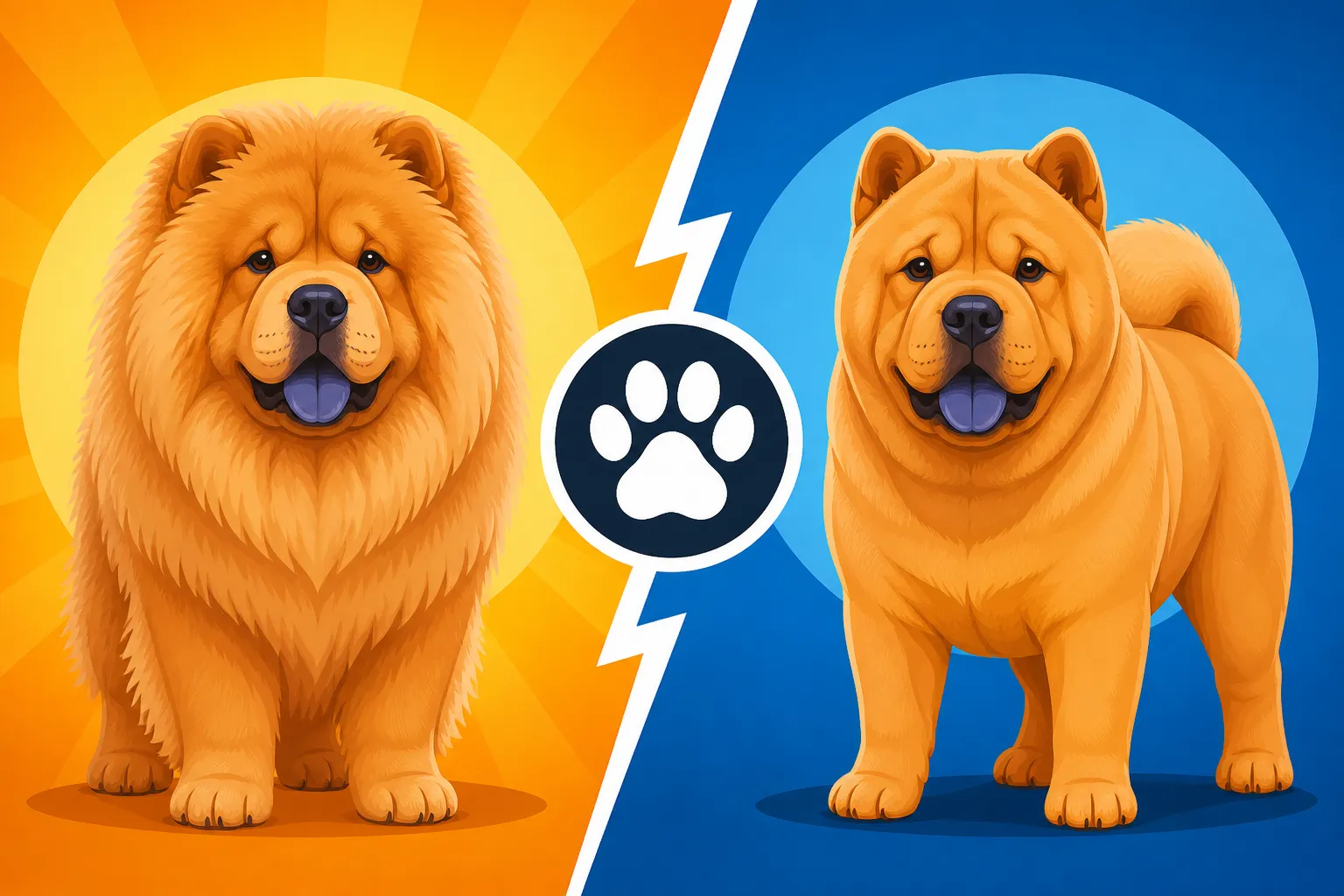
How a Rough Chow Chow Differs From a Smooth
One of the most frequent questions I get from folks considering a Chow Chow, or even those who already have one, revolves around their magnificent coats. It’s easy to get a little lost in the terminology – rough coat, smooth coat, what's the real difference? This guide will dive deep into the fascinating world of Chow Chow fur, helping you understand the distinct characteristics, care requirements, and everyday implications of both the rough and smooth varieties.
The Fundamental Differences in Chow Chow Coat Structure
When you picture a Chow Chow, chances are you're imagining that glorious, voluminous mane that makes them look like a tiny lion. That's the rough coat, but it's important to remember that not all Chows sport such an extravagant display. There's also the less commonly seen, but equally beautiful, smooth coat. Both types are undeniably Chow Chow, but their structure dictates a lot about their appearance and care.
Understanding the Rough Coat: A Lion's Mane
The rough coat is, without a doubt, the more iconic of the two types. It's characterized by its immense density and length, creating that distinctive "lion's mane" around the head and shoulders. Imagine fur that seems to stand out from the body, giving the dog a majestic, almost cuddly, but certainly imposing silhouette. This isn't just fluffy top hair; it's a deep, rich coat with a coarser outer layer and a soft, thick undercoat. The length is pronounced on the body, but it truly excels in areas like the ruff (around the neck), the feathering on the legs, and the britches on the hindquarters. Owners often marvel at the sheer volume of fur, which can make their Chow Chow appear larger than they actually are. It’s a coat that commands attention and requires a significant commitment to upkeep.
Unpacking the Smooth Coat: Sleek and Dense
Then there's the smooth coat. When people first see a smooth Chow Chow, they sometimes do a double-take, wondering if it's even the same breed! But indeed, it is. The smooth coat is much shorter, lying flatter against the body, giving the dog a more streamlined, almost athletic look. Don't mistake "smooth" for thin or sparse, though. This coat is still incredibly dense, possessing the same crucial double-layer structure as the rough coat, just in a shorter format. While it lacks the dramatic ruff and feathering, it still has a plush, thick feel when you run your hand against the grain. It emphasizes the Chow Chow's sturdy build and dignified posture, rather than obscuring it behind a cloud of fur. The visual difference is striking, moving from a lion-like appearance to something more akin to a powerful, compact bear. What a Smooth Coated Chow Chow Looks Like provides a great visual if you're curious!
The Double-Coated Reality for Both
Regardless of whether a Chow Chow has a rough or a smooth coat, one thing remains constant: they are a double-coated breed. This means they have two distinct layers of fur, each serving a vital purpose. The outer coat, often called guard hairs, is coarser and provides protection from the elements – rain, snow, and even harsh sunlight. Beneath this lies the undercoat, a soft, dense, woolly layer that acts as insulation, keeping them warm in winter and actually helping to cool them in summer by creating an air barrier. What a Chow Chow's Double Coat Is Made Of explains this in more detail. It's this double-coat system that is fundamental to the breed's ability to thrive in varied climates and why processes like "coat blowing" are so significant for both rough and smooth varieties. Misunderstanding this double-coat reality can lead to significant grooming mistakes, especially when it comes to the ever-present temptation to shave.
Visual Distinctions: More Than Just Length
While the length of the fur is the most obvious difference, the two coat types also create very distinct overall impressions and emphasize different features of the Chow Chow's unique anatomy. It’s not just a haircut; it’s a different silhouette altogether.
The Iconic Ruff, Feathering, and Britches of the Rough Coat
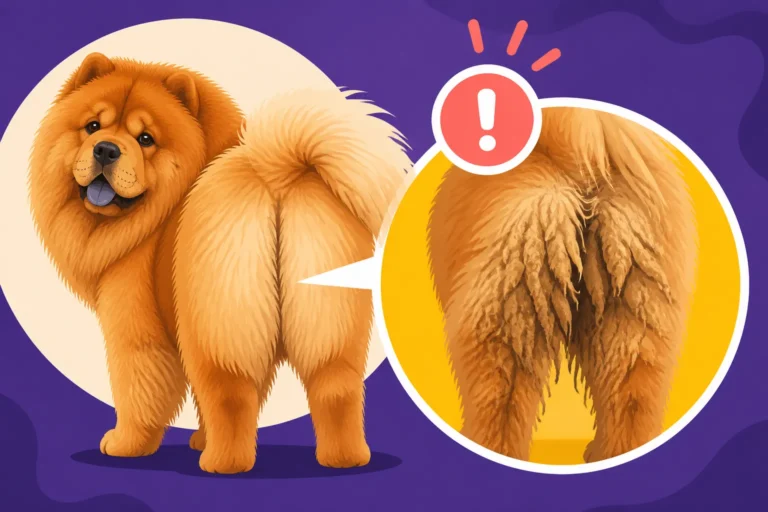
The rough coat truly sculpts the Chow Chow's appearance. The thick, stand-offish fur forms a magnificent "ruff" around the neck and shoulders, almost like a natural cape, contributing heavily to their lion-like image. You'll also see elegant "feathering" on the back of their legs and a luxurious "plume" for a tail, which curls over their back. The "britches," the longer fur on their hindquarters, add to the impressive volume. These features aren't just decorative; they historically provided extra protection in harsh climates. However, these areas are also prime real estate for mats and tangles, a constant battle for rough-coat owners. The deep-set eyes, a hallmark of the breed, can sometimes appear even more so when surrounded by such a profusion of fur.
The Streamlined Silhouette of the Smooth Coat
In contrast, the smooth coat presents a much cleaner, more compact profile. Without the long ruff, the strong, broad skull and unique scowl of the Chow Chow are more pronounced. The short, dense fur hugs the body, highlighting their sturdy bone structure and powerful build. The tail still curls over the back, but it's a sleek, well-furred plume rather than a long, flowing one. The absence of extensive feathering means their powerful, straight rear legs are more visible, contributing to their somewhat stilted, proud gait. It truly accentuates their primitive, robust physique, giving them a distinct and dignified appearance that many find equally captivating, albeit less common. Whether a Smooth Chow Chow Still Has an Undercoat is a good read if you're wondering about the density despite the lack of length.
Observing the Puppy Coat's Development
When you're looking at a Chow Chow puppy, it can sometimes be a bit tricky to tell definitively which coat type they'll develop into. Rough-coated puppies typically start to show signs of longer fur, especially around the neck and on their legs, relatively early. Their fur will often feel softer and fluffier than an adult rough coat, a characteristic known as the "puppy fluff." Smooth-coated puppies, on the other hand, will maintain a consistently shorter, denser coat from a young age. Their fur will feel robust and thick, lying close to their body even as juveniles. The transition from puppy coat to adult coat can be a messy affair for both types, but especially for rough coats, as they "blow" their softer puppy fur to make way for the adult guard hairs. This process usually begins around 4-6 months of age and can take several months to complete. When a Chow Chow's Puppy Coat Changes delves into this fascinating developmental stage.
Grooming Demands: A Tale of Two Brushes
Here’s where the rubber meets the road, or rather, the brush meets the fur! While both coats demand attention, the sheer volume and texture of the rough coat elevate its grooming needs to another level. This is often the deciding factor for many potential owners.
The Intensive Routine for a Rough Coated Chow Chow
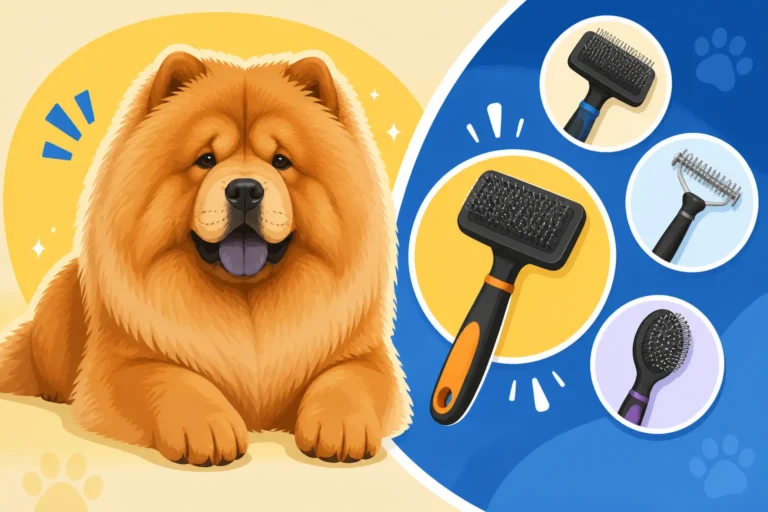
Owning a rough-coated Chow Chow means signing up for a regular, intensive grooming schedule. We're talking several times a week, if not daily, especially for puppies and during shedding seasons. The goal is to get down to the skin with your brushes to prevent matting, which can quickly become a painful and serious health issue. Imagine spending an hour or more every few days meticulously line-brushing through all that dense fur. A good slicker brush, a sturdy pin brush, and a strong steel comb are your essential tools. Areas like the ruff, behind the ears, armpits, and britches are notorious mat magnets. During their seasonal "coat blow," which happens twice a year, the amount of fur that comes out is truly staggering. You'll need a high-velocity dryer and an undercoat rake to help push out all that dead fur. Skipping these sessions isn't just about aesthetics; neglected rough coats can lead to skin infections and discomfort. How Often a Rough Coated Chow Chow Needs Brushing really unpacks the time commitment. You can find excellent grooming tools, from sturdy brushes to high-velocity dryers, on platforms like Amazon.
Managing the Maintenance of a Smooth Coated Chow Chow
While significantly less demanding than its rough-coated counterpart, the smooth Chow Chow still requires consistent grooming. Don't fall into the trap of thinking "short hair, no fuss." Their coats are still incredibly dense, and they possess that thick undercoat. Regular weekly brushing, perhaps 2-3 times, is crucial to remove dead hair and distribute natural oils. A good rubber curry brush or a slicker brush works wonders for removing loose fur, and a shedding blade can be very effective during seasonal shedding. While matting is less of a concern than with a rough coat, neglected smooth coats can still develop thick, impacted undercoats that prevent air circulation and can lead to skin problems. They also shed, perhaps not in dramatic clumps like a rough coat, but a consistent "tumbleweed" effect that requires daily vacuuming. How Often a Smooth Coated Chow Chow Needs Brushing outlines a sensible routine for these beautiful dogs.
The Universal Challenge of the Coat Blow
Both rough and smooth Chow Chows experience what's known as a "coat blow" twice a year, typically in spring and fall. This is when they shed their entire undercoat to prepare for the change in seasons. For a rough-coated Chow, this can look like a snowstorm of fur, sometimes lasting for several weeks. For smooth coats, it's still significant, but perhaps less visually dramatic in terms of individual clumps. During a coat blow, your grooming efforts need to double, or even triple. Failure to remove the dead undercoat can lead to uncomfortable matting (especially for rough coats), skin irritation, and even overheating. A thorough bath followed by a high-velocity dryer is often the most effective way to loosen and remove the shedding fur. Investing in a good vacuum cleaner, and maybe even a backup, is a must! The Twice a Year a Chow Chow Blows Its Coat explains why this is such a critical time for their health and hygiene.
Lifestyle and Climate Considerations
The Chow Chow's unique coat types don't just affect grooming; they also play a significant role in how these dogs handle different environments and the general impact they have on a household.
Heat Tolerance and the Double Coat Dilemma
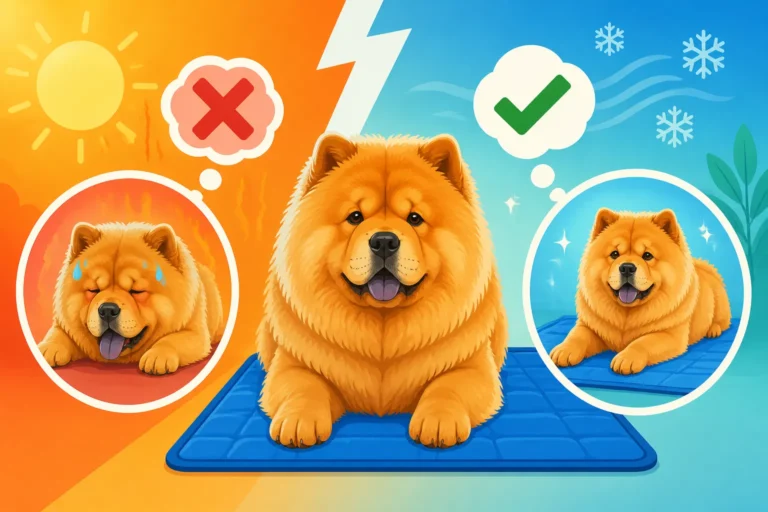
Both rough and smooth Chow Chows are notoriously susceptible to heat, largely due to their dense double coats. This isn't just about insulation against cold; the undercoat also traps a layer of air that helps regulate body temperature. However, in hot, humid climates, this can quickly become a liability, making them prone to overheating. A rough coat, with its greater volume, might theoretically trap more heat, but the difference between the two in extreme heat is marginal. The crucial point is that neither coat type makes them suitable for strenuous activity in warm weather. Shaving them, while it might seem like a logical solution, is actually detrimental to their ability to regulate temperature and can damage the coat's regrowth. Why a Chow Chow's Double Coat Traps Heat clarifies the biological function behind this. Instead of shaving, focus on keeping them indoors with air conditioning, ensuring plenty of fresh water, and limiting outdoor exercise to the coolest parts of the day.
Perceived Shedding: What to Expect
Let's be frank: Chow Chows shed. A lot. But there's a perceived difference between the rough and smooth coats. With a rough coat, the shedding is often more noticeable as large clumps of hair, sometimes described as "tumbleweeds" or "dust bunnies" that gather in corners. It’s dramatic, especially during a coat blow. You'll find long strands of guard hairs and soft undercoat everywhere. The smooth coat, while shedding consistently, tends to have shorter hairs that are less visible individually but can still accumulate into a fine layer of Chow Chow glitter over everything. Some owners might argue that the smooth coat sheds more consistently year-round, while the rough coat has more intense, concentrated shedding periods. Ultimately, if you're looking for a low-shedding dog, a Chow Chow – of either coat type – is probably not the right fit for you. Be prepared for fur, daily vacuuming, and lint rollers as your new best friends. Whether a Smooth Chow Chow Sheds Less is a common misconception that needs to be addressed.
Adaptability to Different Living Situations
The coat type can subtly influence a Chow Chow's suitability for various living arrangements, mostly due to grooming needs. A rough-coated Chow Chow requires dedicated space and time for regular grooming. If you live in a smaller apartment, dealing with the sheer volume of shed hair and the space needed for a full grooming session (especially with a high-velocity dryer) might be more challenging. For a smooth-coated Chow Chow, while shedding is still present, the grooming sessions are often quicker and less involved, making them slightly more adaptable to compact living spaces where extensive grooming equipment isn't easily stored. However, both still require mental stimulation and moderate exercise, regardless of coat. And let's not forget that both need to be kept cool in warmer climates, making air conditioning less of a luxury and more of a necessity.
Health and Skin Implications of Each Coat Type
While genetics play the primary role in a Chow Chow's health, their coat type can certainly influence how certain issues manifest or how easily they are detected and managed. Proper coat care is directly linked to skin health.
Matting Risks and Skin Health in Rough Coats
The rough coat's luxurious density comes with a significant drawback: a high propensity for matting. Mats aren't just unsightly; they pull on the skin, causing pain, irritation, and can even cut off circulation. They also trap moisture and debris against the skin, creating a perfect breeding ground for bacteria and yeast, leading to hot spots and severe skin infections. Common matting areas include behind the ears, in the armpits, on the britches, and under the collar. Preventing mats requires diligent, deep brushing all the way to the skin. If a rough coat becomes severely matted, professional grooming often involves shaving the entire dog down, which can be traumatic for the dog and owner, and can sometimes lead to Whether Post Clipping Alopecia Affects Chow Chows. Regular, thorough brushing is not just cosmetic; it's a critical preventative health measure. Consider durable, high-quality brushes and combs from pet suppliers like Chewy for effective mat prevention.
Identifying Skin Issues Under Dense Smooth Coats
While less prone to severe matting, the dense smooth coat can present its own challenges when it comes to skin health. The very density that makes it so plush can also hide skin issues from an owner's view. Hot spots, fungal infections, and parasitic infestations can brew beneath that thick fur, only becoming apparent when they are quite advanced. It's crucial for smooth-coat owners to regularly part the fur and visually inspect the skin, feeling for any bumps, redness, or tenderness. Pay close attention to areas like the armpits, groin, and under any skin folds, as these are common spots for issues to start. Regular grooming sessions for a smooth coat aren't just about removing loose fur; they're also an opportunity for a "health check" of the skin underneath.
Common Grooming-Related Health Concerns
Beyond specific coat type challenges, there are general grooming-related health concerns that apply to both rough and smooth Chow Chows. Eye irritation is common, especially with their deep-set eyes, which can accumulate debris. Regular, gentle wiping around the eyes is important. Ear health is also critical; their small, rounded ears can trap moisture and debris, leading to infections if not regularly checked and cleaned. Both coat types require regular nail trims – often a battle with a Chow Chow, as they can be particular about their feet being handled. Overgrown nails can lead to pain, splayed feet, and difficulty walking. Ultimately, consistency is key. A well-groomed Chow Chow, regardless of coat type, is a healthier, more comfortable Chow Chow. Don't forget their signature "scowl," which can be misinterpreted; consistent handling from puppyhood can help with vet visits where physical examinations are necessary. Teaching a Chow Chow to Have Its Ears Checked and similar articles can help you establish a routine.
Availability, Breeding, and the Show Ring
The differences between rough and smooth coats extend beyond appearance and grooming to influence breeding practices, availability, and even how these dogs are perceived in the world of conformation showing.
Rarity and Demand for Smooth Coated Chows
Historically, the rough coat has been the more popular and recognized variety, almost synonymous with the breed itself. This means that smooth-coated Chow Chows are significantly rarer. If you're specifically looking for a smooth Chow, you might have a longer wait for a puppy from a reputable breeder. Their relative scarcity can sometimes lead to slightly different pricing or specific breeder waiting lists. However, their unique, streamlined appearance has garnered a growing fan base among those who appreciate their distinctive look and potentially reduced grooming time. The demand for smooth Chows is increasing as people become more aware of their existence and charm. Which Chow Chow Coat Is Easier to Keep is a question many potential owners ask, and the smooth coat often wins for practical reasons.
Coat Genetics and How Litters Present
The coat type in Chow Chows is determined by a simple recessive gene. This means that a rough-coated Chow Chow carries at least one dominant gene for the rough coat (R). A smooth-coated Chow Chow, however, must inherit two copies of the recessive gene for the smooth coat (r). If two rough-coated Chows carry the recessive smooth gene (Rr x Rr), they can produce both rough and smooth puppies in the same litter (with a 25% chance of smooth). If one parent is rough (RR) and the other is smooth (rr), all puppies will be rough-coated but will carry the smooth gene (Rr). This genetic factor means that even from a litter of outwardly rough-coated parents, you can still find smooth-coated puppies, which often surprises new owners! This genetic interplay adds to the unique characteristics of Chow Chow breeding.
How the Coats are Judged in Conformation
In the world of dog shows and conformation, both rough and smooth Chow Chows are recognized varieties and are judged equally. There isn't a separate class for each coat type; they compete alongside each other. The breed standard describes both coats in detail, emphasizing the desired texture and density for each. For a rough coat, judges look for a dense, straight, stand-off coat with a pronounced ruff and distinct feathering. For a smooth coat, the standard calls for a short, dense, coarse coat with a plush texture. Neither is preferred over the other, as long as they meet their respective descriptions in the standard. This means a well-conditioned, well-presented smooth Chow Chow has just as much a chance of winning as a rough one, provided it embodies all the other characteristics of the breed.
Comparative Table: Rough vs. Smooth Chow Chow Coats
| Feature | Rough Coated Chow Chow | Smooth Coated Chow Chow |
|---|---|---|
| Appearance | Long, dense, coarse outer coat with thick undercoat. Prominent ruff, feathering, and britches. Lion-like. | Short, dense, coarse outer coat with thick undercoat. Lies flat to body. Streamlined, bear-like. |
| Grooming Frequency | Several times a week, often daily (especially during coat blow). | 2-3 times a week, more during coat blow. |
| Matting Risk | High, particularly in ruff, behind ears, armpits, britches. Requires diligent prevention. | Low, but can still have impacted undercoat. |
| Shedding | Heavy, with dramatic "coat blows" twice a year. Large clumps of fur. | Consistent shedding, less dramatic but still significant. Shorter hairs. |
| Heat Tolerance | Poor, due to dense double coat. | Poor, due to dense double coat. |
| Rarity | Common and widely recognized. | Rarer, but increasing in popularity. |
| Visual Emphasis | Volume, majesty, dramatic silhouette. | Sturdy build, dignified posture, strong features. |
Disclaimer
This article is for general informational purposes only and does not constitute professional advice. Laws, prices and regulations vary by location and change over time. Consult a qualified professional for guidance on your specific situation.