How Fast a Chow Chow Housetrains
Bringing a new Chow Chow puppy home is incredibly exciting, but the immediate reality for many new owners is the looming question of housetraining. You might be wondering just how quickly your new fluffy companion will grasp the concept of "going outside," and let's be honest, cleaning up accidents inside is nobody's favorite pastime. This guide dives deep into the Chow Chow's unique traits that influence housetraining, offering practical strategies and insights to help you navigate this essential stage with confidence and minimize those unwelcome surprises on your rug.
The Chow Chow's Innate Cleanliness: A Head Start in Housetraining
One of the most heartwarming truths about Chow Chows, and a significant relief for new owners, is their reputation for being remarkably clean dogs. Unlike some breeds that seem perfectly content to relieve themselves wherever they please, Chow Chows often show an inherent desire to keep their den — your home — spotless. This natural inclination can give you a real head start in the housetraining process.
Why a Chow Chow Values a Clean Space
This inherent cleanliness isn't just a happy accident; it's deeply rooted in their history and instincts. For centuries, Chow Chows lived closely with their human families, often in more confined spaces than large sporting breeds might have. Developing an instinct to keep their living quarters clean would have been highly advantageous for both dog and human. They simply don't enjoy soiling the area where they eat, sleep, and play. This translates directly to an easier time with potty training because you're working with their natural instincts, not against them.
Think of it this way: your Chow Chow puppy likely avoids messing its sleeping area in the whelping box, even before it comes home to you. That same principle extends to your entire house as soon as they understand it's their new "den." This strong desire for cleanliness often means they're quicker to understand the concept of "outside is for potty" than many other breeds. In fact, many Chow Chow owners will tell you that their pups were reliably housetrained within weeks, sometimes even faster, provided the right approach was taken. You might even find your Chow Chow holding it longer than you'd expect because of this ingrained preference. This trait is often why people marvel at How Fast a Chow Chow Housetrains.
The Role of Maternal Influence
Beyond genetics, the early days with their mother and littermates play a crucial role. A good breeder will start introducing puppies to designated potty areas, often away from their sleeping space, even before they go to their new homes. The mother dog herself is a diligent cleaner, instinctively teaching her pups not to soil their immediate environment. This early exposure to cleanliness, combined with their breed's natural disposition, sets the stage for a relatively smooth housetraining journey.
When you bring your Chow Chow puppy home, you're building on this foundation. They've already learned the basic concept of separating living from eliminating. Your job is to simply expand that "den" concept to your entire house and consistently show them where the acceptable elimination spot is. This built-in preference for tidiness is a huge asset, making the housetraining journey less of a battle and more of a guided lesson.
Key Factors Influencing Housetraining Speed
While Chow Chows have a great head start with their natural cleanliness, several factors will influence just how quickly your individual pup becomes reliably housetrained. It's never a one-size-fits-all timeline, and understanding these variables can help you tailor your approach.
Consistency in Routine
This is, without a doubt, the single most critical factor for any dog, but especially for a Chow Chow. They thrive on routine and predictability. If your schedule for taking them out is haphazard, they'll struggle to understand what's expected. Imagine trying to learn a new skill when the rules keep changing! A consistent schedule helps your puppy develop predictable bathroom habits. This means taking them out at regular intervals: first thing in the morning, after every meal, after naps, after playtime, and right before bed.
It also means using the same door, going to the same spot in the yard, and using the same verbal cue every single time. "Go potty," "outside," "do your business" – pick one and stick to it. Every family member needs to be on the same page, too. If one person uses a cue and another doesn't, or if outings are inconsistent, it creates confusion for the puppy and prolongs the training process. Establishing a rigid, predictable routine early on will fast-track your Chow Chow's understanding significantly.
Proper Confinement and Supervision
A Chow Chow puppy allowed to roam freely throughout the house before being reliably housetrained is a recipe for accidents. They learn by doing, and if "doing" means peeing behind the sofa because they had unsupervised access, that habit will be much harder to break. This is where crate training becomes an invaluable tool. A crate taps into their natural denning instinct – most dogs will instinctively avoid soiling their sleeping area.
When they are outside the crate, constant supervision is key. This means eyes on them at all times. If you can't actively watch them, they should be in their crate or on a leash tethered to you. This might sound extreme, but it prevents accidents from happening indoors, which is crucial for building good habits. Every successful outdoor potty trip reinforces the desired behavior; every indoor accident sets you back. Consider a playpen or a baby gate to limit access to certain areas of your home. The goal is to set your Chow Chow up for success by preventing opportunities for mistakes.
Age of the Puppy
The age at which you begin housetraining your Chow Chow will naturally affect the speed of the process. Very young puppies (8-12 weeks) have small bladders and less bladder control. They need to go out much more frequently – sometimes every 30-60 minutes when awake, and immediately after waking from a nap or finishing a meal. As they get older, their bladder muscles strengthen, and they can hold it for longer periods.
While an older puppy might grasp the concept quicker due to increased control and cognitive ability, an adult Chow Chow who has developed bad habits or lived in an uncontrolled environment (like a puppy mill) might take longer. They'll need to unlearn old behaviors before they can learn new ones. Generally, starting with a young puppy and implementing a consistent, proactive approach yields the fastest results.
Positive Reinforcement
Chow Chows, like many intelligent breeds, respond best to positive reinforcement. Harsh corrections, scolding, or punishment for accidents will only teach them to fear you or to hide their accidents, making the problem harder to solve. Instead, focus on rewarding the desired behavior enthusiastically.
Every single time your Chow Chow eliminates outside in the designated spot, shower them with praise, a special treat, and perhaps a quick, exciting play session. Make it the most wonderful thing that has happened all day! This strong positive association tells them exactly what you want them to do. If you catch them having an accident inside, interrupt them gently (a clap or "oops!") and immediately usher them outside to their potty spot. If they finish there, praise and reward. If not, just clean up thoroughly without fuss. Consistency in positive reinforcement ensures they understand and want to repeat the right action.
Effective Housetraining Strategies for Chow Chows
Leveraging the Chow Chow's natural tendencies and combining them with proven training methods will make the housetraining journey much smoother. It’s all about clear communication and building good habits.
Crate Training as a Foundation
Crate training is often the cornerstone of successful housetraining for Chow Chows. Because they inherently want to keep their sleeping area clean, a properly sized crate becomes their personal den where they are unlikely to eliminate. The crate should be just large enough for them to stand up, turn around, and lie down comfortably – if it's too big, they might use one end as a bathroom. You can find excellent, sturdy crates on Amazon that come with dividers, allowing you to adjust the size as your puppy grows.
Introduce the crate positively, making it a safe, comfortable space filled with soft bedding and toys. Never use the crate as punishment. When your puppy is in the crate, they are less likely to have accidents, teaching them to "hold it" until they are let out. The moment they are released from the crate, take them directly outside to their designated potty spot. This creates a strong association: crate time means holding it, release time means going outside. Whether a Chow Chow Will Soil Its Crate depends heavily on how you introduce and utilize this tool.
Scheduled Potty Breaks and "Go Potty" Cue
As mentioned, a consistent schedule is paramount. For a young Chow Chow puppy, this means taking them out every 1-2 hours while awake, immediately after they wake up from a nap, within 10-15 minutes of eating or drinking, and certainly before bedtime. Keep a log if it helps you track their patterns.
Every time you go out, take them to the same spot in the yard. Stand patiently with them on a leash (even in a fenced yard, to keep them focused) and use your chosen "go potty" cue. When they eliminate, praise them lavishly and give them a high-value treat. This positive reinforcement solidifies the connection between the action, the location, and the cue. Avoid letting them play until they've done their business; make potty time potty time first, then reward with playtime. This structure helps them understand the purpose of the outing.
Supervising and Interrupting Accidents
Vigilant supervision is critical during the initial housetraining phase. When your Chow Chow is out of their crate, they should be either actively playing with you, on a leash attached to you (a "umbilical cord" method), or in a designated puppy-proofed area like a playpen. This constant awareness allows you to catch any pre-potty signals – sniffing around, circling, sudden interest in a corner.
If you see your Chow Chow starting to squat or eliminate indoors, interrupt them immediately with a sharp, but not angry, sound like "Ah-ah!" or a clap. Do not scold or scare them. Scoop them up (if they're small enough) or lead them quickly outside to their designated potty spot. If they finish eliminating outside, shower them with praise and treats. If they don't, bring them back inside and put them back in their crate for 10-15 minutes, then try again. The key is to prevent them from finishing an accident indoors and to redirect them to the correct location.
Thorough Cleaning of Accidents
Accidents will happen, even with the best intentions. When they do, the most important thing is how you clean them. Dogs are drawn back to areas where they've previously eliminated by scent. Even if you can't smell it, your Chow Chow certainly can.
Use an enzymatic cleaner specifically designed for pet odors. These cleaners break down the uric acid crystals in urine, completely neutralizing the scent and removing the attraction for future accidents. Standard household cleaners might mask the smell to humans but won't eliminate it for your dog. Make sure to blot the area first, then apply the cleaner generously, letting it sit according to the product's instructions before wiping it away. Cleaning thoroughly helps prevent repeat offenses in the same spot.
Common Housetraining Challenges and Solutions
Even with the best preparation, housetraining a Chow Chow can present a few bumps in the road. It's important to remember that these are often normal parts of the learning process and not a sign that your Chow Chow is "untrainable." Patience and consistency are your greatest allies.
Stubbornness or Refusal to Go Outside
Chow Chows are known for their independent and sometimes stubborn nature. This trait can manifest in housetraining as a refusal to "perform" on cue outside, even if you know they need to go. They might just stand there, look around, or decide to sit down and be aloof. Then, five minutes after coming back inside, they might have an accident.
Solution: This often comes down to your consistency and making the outside experience rewarding. First, ensure you're using a short leash and standing in the designated potty spot, limiting distractions. Don't engage in play or long walks until they've done their business. Use your consistent verbal cue ("Go Potty!") and be patient, but firm. If they don't go within 5-10 minutes, bring them back inside and put them immediately into their crate for 15-20 minutes, then try again. Repeat this cycle until they go outside. The moment they do, throw a party! Massive praise, high-value treats, and then immediate fun playtime or a walk. They need to understand that going outside unlocks the good stuff. Sometimes, a hesitant Chow Chow just needs a bit more time to feel comfortable or decide it's their idea to go.
Regression After Initial Success
It's heartbreaking when your Chow Chow seems perfectly housetrained for weeks, only to suddenly start having accidents indoors again. This regression is common and can be caused by several factors, including changes in routine, new environments, or underlying health issues.
Solution: First, rule out medical issues. A sudden increase in accidents, especially if accompanied by changes in thirst or appetite, warrants a vet visit to check for urinary tract infections or other problems. Once medically cleared, treat it like you're starting from scratch. Re-implement the strict schedule, diligent supervision, and crate training. Think about any recent changes: new furniture, visitors, a shift in your work schedule, or even a different brand of cleaner. A Chow Chow is very sensitive to its environment. Revisit the basics, prevent accidents, and heavily reward successful outdoor eliminations. Don't get discouraged; it's a phase, not a permanent setback. How Many Hours a Chow Chow Can Be Left might be a factor if schedules have changed.
Marking Behavior
Some Chow Chows, particularly intact males, might start marking territory inside the house once they reach sexual maturity (around 6-12 months). This is different from a typical accident; it's usually small amounts of urine sprayed on vertical surfaces.
Solution: The most effective solution for marking behavior is often neutering. This can significantly reduce, though not always eliminate, hormonal marking. For existing marking, thorough enzymatic cleaning of all marked spots is crucial to remove the scent. Increase outdoor potty breaks, especially in areas where they might want to mark. Supervise intensely indoors, and if you see them sniffing or lifting a leg, interrupt immediately and redirect outside. You might also need to restrict their access to certain rooms or areas where marking has occurred until the behavior is under control. Consider working with a professional trainer if the marking persists, especially if it's accompanied by other territorial behaviors. What a Chow Chow Guards and Why can sometimes lead to marking indoors if they perceive a threat to their territory.
Excitement Urination
Some puppies, especially when they're very young and easily overstimulated, might urinate a little when they get overly excited, like when you first come home or when guests arrive. This isn't usually a behavioral issue but rather a temporary lack of bladder control due to excitement.
Solution: The best approach is prevention and management. When you arrive home or when guests enter, keep greetings low-key and calm. Don't overstimulate your Chow Chow immediately. Take them straight outside before any exciting interactions. Have guests ignore them for a few minutes until the puppy calms down, then allow for a calm greeting. This behavior usually resolves itself as the puppy matures and gains better bladder control.
Tools and Resources to Aid Housetraining
You don't have to go it alone! There are many fantastic tools and resources available that can significantly assist in your Chow Chow's housetraining journey, making it easier for both of you.
Crates and Playpens
As we've discussed, a good crate is invaluable. Look for one that is well-ventilated, easy to clean, and sized appropriately. Many crates, like those you can easily order from Amazon, come with a divider panel so you can adjust the interior space as your Chow Chow grows, ensuring it’s never too large to encourage accidents. A soft, washable bed inside makes it a more appealing den.
Playpens are another excellent tool, particularly for when you need to keep your puppy contained but want to give them a bit more space than a crate. They are perfect for kitchen areas or other easy-to-clean spaces. A playpen can be used for supervised playtime, short periods when you can't give 100% attention, or to keep your puppy away from hazards. Ensure the pen is secure and tall enough for your Chow Chow, as they can be surprisingly agile. What a Crate for a Chow Chow Costs can vary, but it's an investment worth making.
Enzymatic Cleaners
We can't stress this enough: enzymatic cleaners are not optional; they are essential. Products specifically formulated to neutralize pet odors by breaking down organic matter are far superior to standard carpet cleaners. They eliminate the scent markers that can draw your Chow Chow back to the scene of a previous accident. Keep a large bottle on hand for those inevitable mishaps. Spray generously, let it soak, and blot it up.
Puppy Pads and Indoor Potty Solutions
While the goal is to get your Chow Chow reliably housetrained outdoors, puppy pads or indoor grass patches can be useful in specific situations:
- Young Puppies: For very young puppies who can't hold it for long, pads can be a stop-gap for overnight or when you're briefly away.
- Apartment Living: If you live in a high-rise apartment and getting outside quickly is a challenge, a designated indoor potty spot can prevent urgent accidents.
- Inclement Weather: On days with extreme weather (blizzards, scorching heat, heavy storms), an indoor option offers a temporary relief.
If you use puppy pads, place them in a consistent, easily accessible spot away from their food and bed. The challenge with pads is transitioning from them to entirely outdoors. If you start with pads, slowly move the pad closer to the door, then outside the door, and eventually phase it out completely. Some trainers advise against pads entirely if outdoor training is your sole goal, as it can confuse the puppy about acceptable indoor elimination.
Online Training Programs and Books
Sometimes, a little extra guidance makes all the difference. Online puppy training programs can provide structured lessons, video demonstrations, and support from experienced trainers. Services like BAXTER & Bella offer comprehensive resources that cover everything from housetraining to basic obedience, socialization, and managing common puppy behaviors. These programs can be particularly helpful for Chow Chow owners who want to understand the breed's unique training needs.
There are also many excellent books on puppy raising and housetraining that offer detailed, step-by-step advice. Reading up on different methods can help you find an approach that resonates with your training philosophy and your Chow Chow's personality. What Puppy Socialization Classes Cost a Chow Chow Owner might be something to consider, as many classes also incorporate basic housetraining advice.
What to Expect in the Long Run
Housetraining isn't just about getting through the puppy stage; it's about establishing long-term habits and understanding how your Chow Chow continues to grow and change.
Maintaining Good Habits
Once your Chow Chow is reliably housetrained, you'll find that maintaining those good habits is relatively easy, especially with their natural inclination for cleanliness. However, consistency still matters. Stick to a generally predictable schedule for outdoor breaks, even if it's less frequent than during puppyhood. Regular walks and yard access are crucial.
Be mindful of changes in routine. If you go on vacation, move to a new house, or have a schedule disruption, your Chow Chow might need a brief refresher course. Don't assume they'll automatically transfer their habits to a completely new environment without a little guidance. Revert to more frequent outings and supervision initially to reinforce the rules in the new setting.
Recognizing Subtle Signals
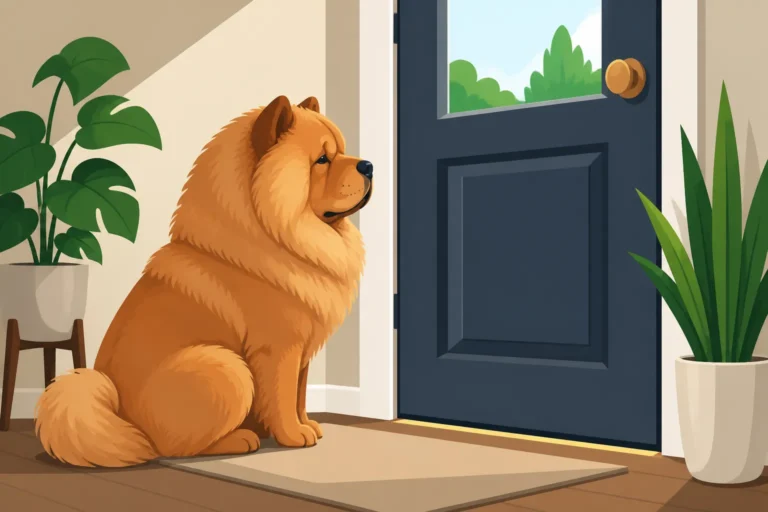
As your Chow Chow matures, you'll learn to recognize their subtle signals for needing to go out. They might not always bark or stand by the door. Some Chow Chows will pace, sniff the ground, or simply look at you with an expectant gaze. Pay attention to these non-verbal cues. The better you are at reading their body language, the fewer accidents you'll have. This is part of the deep bond you'll build with your companion.
For example, a Chow Chow might not pace frantically, but instead, shift their weight from foot to foot slightly, or turn their head towards the door then back at you. They are not always demonstrative. Their deep-set eyes can sometimes make their expressions harder to read for the uninitiated, so tuning into their full body language is key. How to Read a Chow Chow's Face can be a challenge, but you'll learn their nuances over time.
Managing Expectations for Senior Chows
As your Chow Chow enters their senior years, usually around 8 years old, you might see some changes in their bladder control or habits. Older dogs can develop incontinence, especially if they have underlying health issues like kidney disease, diabetes, or cognitive dysfunction. It's a sad reality of aging, but one that can be managed.
Solution: If an older Chow Chow starts having accidents, the first step is always a vet visit to rule out medical causes. Many conditions are treatable or manageable with medication. If it's age-related incontinence, increasing the frequency of outdoor potty breaks can help. Doggy diapers or washable belly bands can also be a lifesaver for protecting your home while still allowing your senior Chow Chow comfort and dignity. Remember, it's not their fault; they need your understanding and support as they age. Caring for a Chow Chow Past Eight often means adjusting expectations around their physical capabilities, including bladder control.
| Factor | Impact on Housetraining Speed | Chow Chow Specific Considerations |
|---|---|---|
| Natural Cleanliness | FASTER | Inherent desire to keep their den clean, making them less likely to soil their living space. |
| Consistency of Routine | CRITICAL | Thrive on predictability; inconsistent schedules cause confusion and slow learning. Every family member must be on board. |
| Supervision & Confinement | CRITICAL | Prevents indoor accidents, which can derail progress. Crate training leverages their denning instinct. Lack of supervision leads to habit-forming mistakes. |
| Age of Puppy | VARIABLE | Younger puppies (8-12 weeks) have less bladder control, requiring frequent outings. Older pups may grasp concepts faster but may also have established bad habits if not trained previously. |
| Positive Reinforcement | ESSENTIAL | Chow Chows respond very well to praise and treats. Harsh corrections are counterproductive, leading to fear or hidden accidents. |
| Stubbornness/Independence | POTENTIAL SLOWDOWN | Can refuse to perform on cue if not properly motivated. Requires patience, firm consistency, and high-value rewards to show them it's their idea to comply. |
| Health Issues | SIGNIFICANT SLOWDOWN | UTIs, diabetes, or other medical conditions can cause sudden onset of accidents in dogs of any age, requiring vet intervention. |
| Environmental Changes | POTENTIAL SLOWDOWN | Moves, new people, schedule changes can cause regression. Requires returning to basics and reinforcement in the new context. |
Disclaimer
This article is for general informational purposes only and does not constitute professional advice. Laws, prices and regulations vary by location and change over time. Consult a qualified professional for guidance on your specific situation.