How Much Yard a Chow Chow Needs
It’s a common misconception that if you have a big enough yard, your dog won’t need much else in terms of exercise or mental stimulation. For many breeds, this is a dangerous assumption, and for a Chow Chow, it’s a recipe for a bored, possibly territorial, and certainly overheated dog. The truth is, while a secure outdoor space is incredibly beneficial, simply having a yard doesn't automatically fulfill a Chow Chow's unique needs. This guide will walk you through exactly what kind of outdoor space a Chow Chow thrives in, what features are essential, and how to balance yard time with other crucial activities to ensure your furry companion is happy and well-adjusted.
The Myth of the "Backyard Dog" Chow Chow
Many people fall into the trap of believing that a large yard equals a happy dog, especially with breeds known for being somewhat independent or low-energy, like the Chow Chow. They envision their Chow trotting around, exploring, and getting all the exercise it needs simply by virtue of having space. The reality, however, is often very different and can lead to behavioral issues and an unhappy dog.
Why Space Alone Isn't Enough for a Chow Chow
A Chow Chow, despite its often reserved demeanor, needs more than just square footage. They are intelligent dogs, and while not typically high-energy, they require mental engagement and interaction with their human family. Leaving a Chow Chow in a yard for extended periods without supervision or interaction can lead to boredom, which often manifests in destructive behaviors like excessive barking, digging, or even trying to escape. They might develop strong territorial instincts over the yard itself, which can make interactions with visitors or even family members challenging. It’s not just about physical space; it’s about quality of interaction within that space. A Chow Chow thrives on routine and knowing its place within the family, not on being a solitary outdoor ornament.
The Pitfalls of Unsupervised Yard Time
Unsupervised yard time carries several risks beyond just boredom. Chows, with their dense double coats, are highly susceptible to overheating, especially in warmer climates or during summer months. A large yard without adequate shade or access to cool water can quickly become a dangerous environment. Why a Chow Chow Overheats So Easily Furthermore, a Chow Chow’s independent nature and deep-set eyes mean they might not see someone approaching from the side, leading to startling and potential reactivity if they feel threatened. Leaving them alone can also invite unwanted interactions with wildlife or even people who may not understand the breed's reserved temperament. It truly takes an attentive eye to ensure their safety and well-being even in a seemingly secure outdoor space.
Why Size Doesn't Dictate Yard Needs for a Chow Chow
It's tempting to think that a bigger dog needs a bigger yard, but for a Chow Chow, this isn't necessarily the case. Their exercise requirements are moderate, and their temperament leans more towards dignified ambles than high-intensity sprints. What truly matters isn't the sheer size of the plot, but how well the yard is designed and managed to meet their specific breed characteristics.
Understanding a Chow Chow's Exercise Requirements
Chow Chows are not built for endurance running or prolonged strenuous activity. Their unique straight rear leg assembly gives them a somewhat stilted gait, which, while distinctive, isn't ideal for long-distance jogging. Instead, they typically prefer shorter, purposeful walks and a bit of dignified pottering around the yard. How Much Exercise a Chow Chow Actually Needs A couple of 20-30 minute walks a day, combined with some supervised yard time, is often more than sufficient to keep them physically fit. The emphasis should be on consistency and controlled exercise, rather than expecting them to "run off energy" in a vast space. An overly large yard might even lead to them becoming more sedentary if there's no incentive for structured activity.
The Importance of Security and Containment
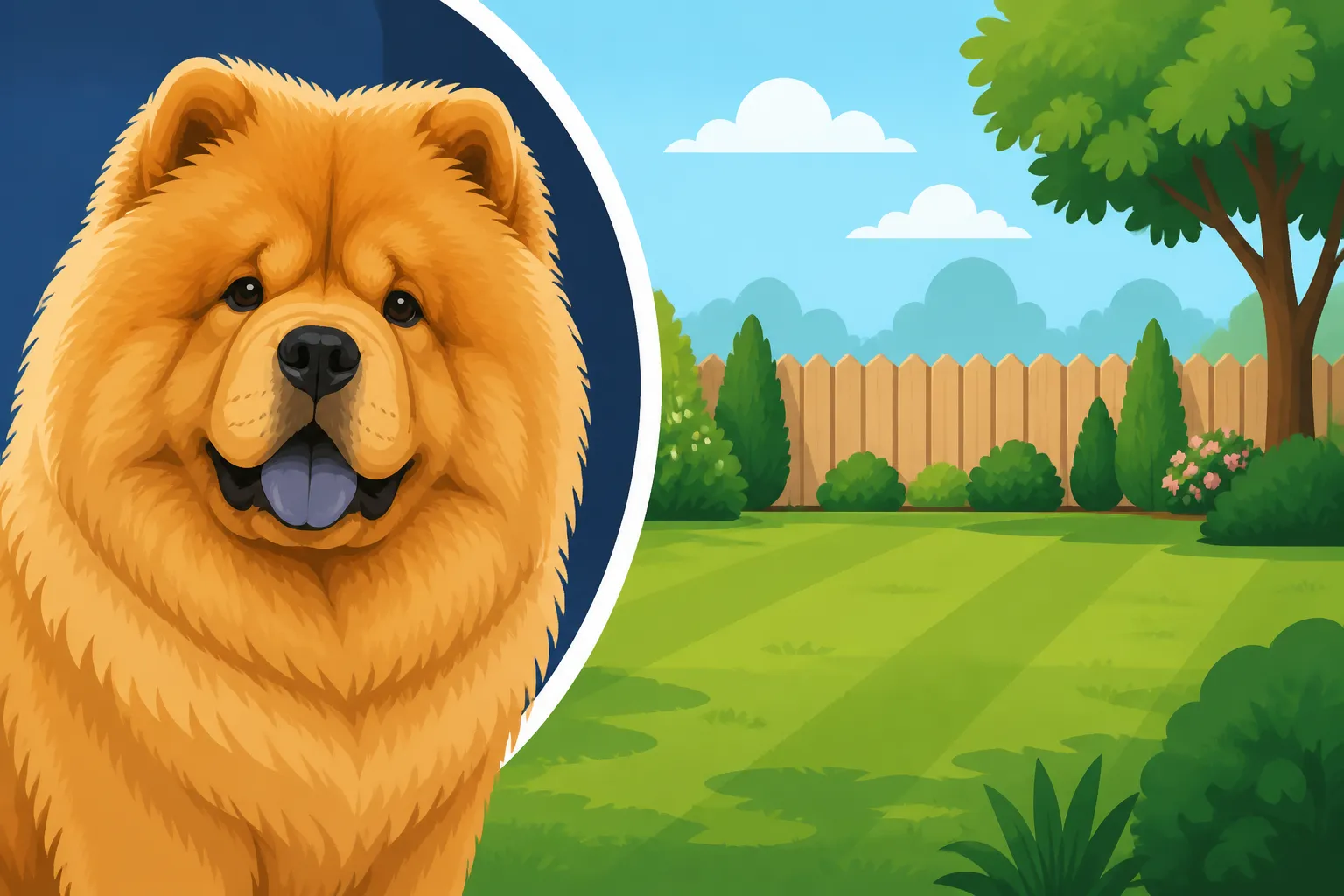
Regardless of size, the absolute most critical aspect of any yard for a Chow Chow is its security. These dogs are intelligent, can be independent thinkers, and historically were not bred for off-leash obedience or immediate recall in the face of an interesting smell or sight. A secure fence is non-negotiable. We're talking about fences that are not just tall, but also robust and preferably dig-proof at the bottom, as some Chows can be surprisingly good at excavating if motivated. Fencing a Chow Chow Requires A chain-link fence might be too easy for them to climb or damage, and even a seemingly sturdy wooden fence needs to be regularly inspected for weaknesses. Their desire to patrol their territory means they will test boundaries, and a lapse in security can quickly lead to a missing dog or an unwelcome encounter with a stranger.
Essential Features of a Chow Chow-Friendly Yard
Beyond just having a fence, certain features can transform an ordinary yard into a safe, comfortable, and stimulating environment for your Chow Chow. These considerations are vital for their physical health and mental well-being, especially given their unique breed traits.
Shade, Water, and Temperature Control
This cannot be stressed enough: a Chow Chow needs constant access to shade and fresh, cool water when outdoors. Their thick double coat, while beautiful, makes them extremely prone to overheating. Even on a seemingly mild day, direct sun exposure can quickly become dangerous. What Temperature Is Too Hot for a Chow Chow
Ideally, your yard should have natural shade from trees or a covered patio. If not, consider investing in a large, sturdy shade sail or an outdoor canopy. A robust kiddie pool filled with a few inches of water can be a godsend on hot days, allowing them to cool their paws and belly. Many owners find effective cooling mats helpful, too, which you can often find on platforms like Amazon. Always have multiple water bowls available, perhaps even a continuously flowing water fountain designed for pets, to ensure they stay hydrated. Monitoring them closely for signs of overheating is paramount.
Digging Prevention and Safe Zones
Chow Chows can be enthusiastic diggers, especially if bored or trying to create a cool spot in the dirt during warm weather. To protect your landscaping and prevent escapes, consider reinforcing fence lines with buried wire or concrete blocks. Providing a designated "digging pit" filled with sand or loose soil in a shaded area can be a great outlet for this natural behavior, diverting their attention from your prize-winning petunias. This also offers a safe, cool spot for them to relax.
Beyond digging, consider the overall safety of the yard. Are there any toxic plants they might chew on? Are garden tools or chemicals safely stored away? Is there any exposed wiring or dangerous debris? Chows can be quite stoic and might not show immediate signs of discomfort or injury, making prevention all the more crucial.
Sensory Enrichment and Safe Play
While Chows aren't typically "fetch" fanatics, they still benefit from mental stimulation in their yard. Scattering high-value treats for them to sniff out can engage their minds, as can durable chew toys. A "snuffle mat" or puzzle feeder can provide entertainment and a sense of accomplishment. You might also consider varied textures in the yard – a patch of grass, a small area of smooth stones, or a designated sandpit – to provide different sensory experiences.
For play, focus on interactive games that don't involve prolonged strenuous activity. Short bouts of "find the toy" or gentle tug-of-war can be fun ways to bond. Remember, a Chow Chow often bonds very deeply with one person and tolerates the rest, so these interactive sessions are crucial for strengthening that primary relationship and ensuring they feel connected even in a large space. The Chow Chow Bonds to One Person and Tolerates the Rest
When a Yard Isn't Enough: Supplementing Outdoor Space
While a well-equipped yard is a wonderful asset for a Chow Chow, it should never be the only source of their outdoor activity and stimulation. True well-being comes from a balanced approach that includes walks, structured training, and responsible socialization outside the home perimeter.
The Indispensable Daily Walk
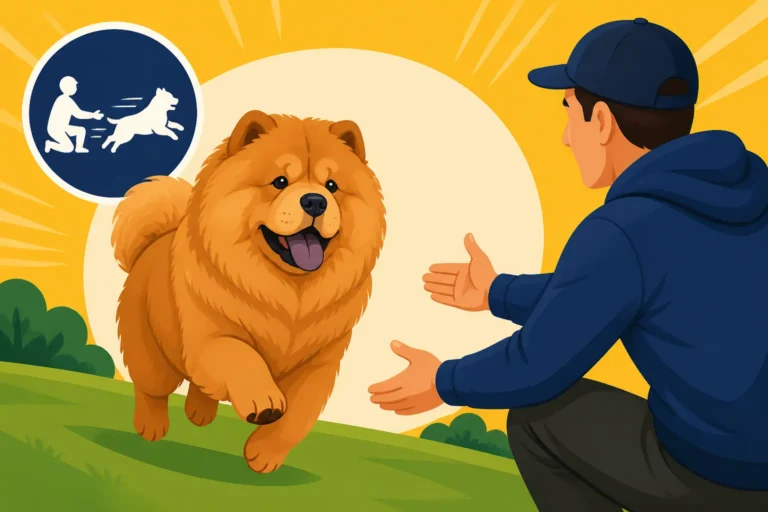
No matter how large your yard, daily walks are non-negotiable for a Chow Chow. These aren't just for physical exercise; they are crucial for mental enrichment. Walks provide opportunities to explore new sights, sounds, and smells – a canine equivalent of reading the newspaper. This mental stimulation is vital for preventing boredom and developing a well-adjusted dog. For a breed that can be reserved, a structured walk, where you are the leader, reinforces good behavior and strengthens your bond. It also allows them to practice leash manners in different environments, preparing them for encounters with strangers or other dogs. How to Introduce a Chow Chow to a Stranger Always use a secure harness and leash, and be mindful of their independent nature; a reliable recall is often a lifelong training endeavor.
Socialization Beyond the Fence Line
A Chow Chow's natural wariness and territorial instincts mean that early and ongoing socialization is paramount. While they may guard their yard diligently, they need to learn appropriate behavior in the wider world. This doesn't mean dog parks (which are often ill-suited for the breed), but rather controlled exposures to different environments, sounds, and calm people and dogs. When a Chow Chow's Socialization Window Closes Puppy classes, like those offered by BAXTER & Bella, can be incredibly valuable for laying a foundation of positive experiences in a structured setting. Even as adults, regular, positive outings to quiet parks, pet-friendly stores (if they are comfortable), or walks in different neighborhoods can help them remain confident and less reactive to novel situations. The yard is their fortress, but the world outside it is where they learn to be a part of human society.
Mental Stimulation and Training Activities
Even the most perfect yard can become monotonous if there's no brain engagement. Chows are smart, and like all intelligent dogs, they thrive on mental challenges. Incorporate short, positive training sessions into your daily routine, even just 5-10 minutes. Work on basic obedience cues, trick training, or scent games. These activities build confidence, reinforce your leadership, and provide an essential mental workout. Rotate toys, introduce new puzzle feeders, and engage them in short bursts of interactive play. A tired mind is often as important as a tired body for a Chow Chow.
Here's a quick comparison of various outdoor scenarios for a Chow Chow:
| Outdoor Scenario | Pros for Chow Chow | Cons for Chow Chow | Key Considerations |
|---|---|---|---|
| Large, Unsecured Yard | Ample space to roam (initially seems good) | High escape risk, territorial issues, unsupervised dangers | Requires immediate security upgrades (tall, dig-proof fence). High owner involvement for supervision and enrichment. |
| Small, Secure Yard | Easier to manage and secure, often more direct supervision | Limited physical space for running, can feel confined | Absolute necessity for daily walks and mental stimulation. Must have excellent shade and water. Focus on vertical space and engaging toys. |
| No Yard (Apartment) | Forces owner to provide ample walks and engagement | No quick potty breaks, requires constant leash walking | Daily, frequent walks are critical. A solid house-training routine is paramount. The Chow Chow Is One of the Easiest Breeds to Housetrain. Consider indoor play and mental games. |
| Community Dog Park | Potential for varied smells and sights | High risk of negative encounters, disease, overheating | Generally NOT recommended for Chows due to their temperament and vulnerability to overheating. Focus on structured, one-on-one socialization instead. |
| Controlled Outings | Positive socialization, mental stimulation | Requires owner vigilance and planning | Essential for a well-adjusted Chow. Focus on quiet areas, short visits, and positive reinforcement. Builds confidence and reduces reactivity. |
Apartment Living with a Chow Chow: Making it Work
The idea that a Chow Chow absolutely needs a huge yard is simply not true. While a secure yard can be a convenience, many Chow Chows thrive in apartments or homes with small outdoor spaces, provided their owners are committed to meeting their needs through other means. It truly comes down to the owner's dedication and lifestyle, not the square footage of the backyard.
Maximizing Small Spaces
If your outdoor space is limited, or non-existent, you'll need to be extra diligent in providing mental and physical stimulation for your Chow Chow. Indoor games can be a lifesaver. Scent work, where you hide treats around the house for your Chow to find, is a fantastic way to engage their powerful noses and minds without much physical exertion. Puzzle toys, interactive feeders, and short training sessions in the living room can keep them entertained.
For potty breaks, a quick trip outside on a leash is perfectly fine. The key is consistency and ensuring they have plenty of opportunities throughout the day. For those without any outdoor access, some owners successfully train their Chows to use indoor potty pads or turf patches, especially useful for puppies or older dogs. This option might not work for every Chow, but it's something to consider.
The Commitment to Regular Outings
Without a yard for casual sniffing and lounging, regular walks become even more crucial. Think of them as their primary access to the "outside world." Plan for at least two to three purposeful walks daily, tailored to your Chow Chow's energy levels and the weather. These walks are not just for potty breaks; they are their opportunity to explore, engage their senses, and burn off any pent-up energy.
Vary your walking routes to keep things interesting. Explore different neighborhoods, quiet parks, or even stroll through a pet-friendly shopping area if your Chow is well-socialized and comfortable. This exposure helps them stay accustomed to various sights, sounds, and smells, which is vital for preventing them from becoming overly wary or reactive to new stimuli. A well-socialized Chow Chow is a much happier Chow Chow, and these regular outings are key to that.
Addressing Noise and Territorial Instincts in Shared Living
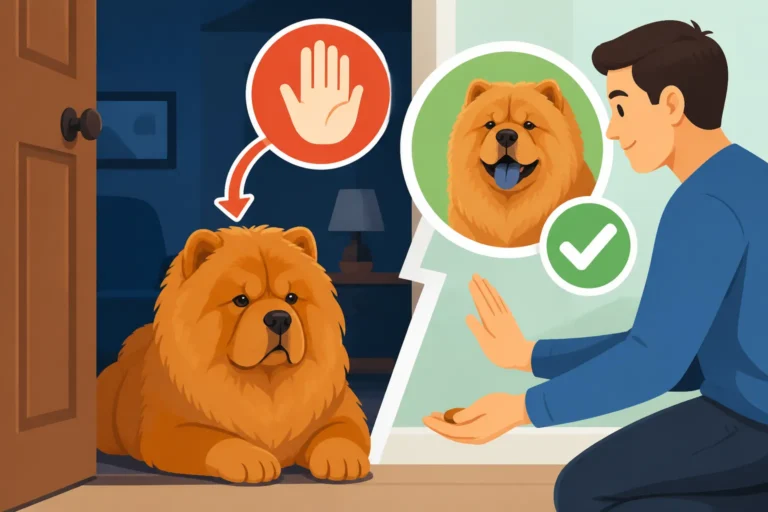
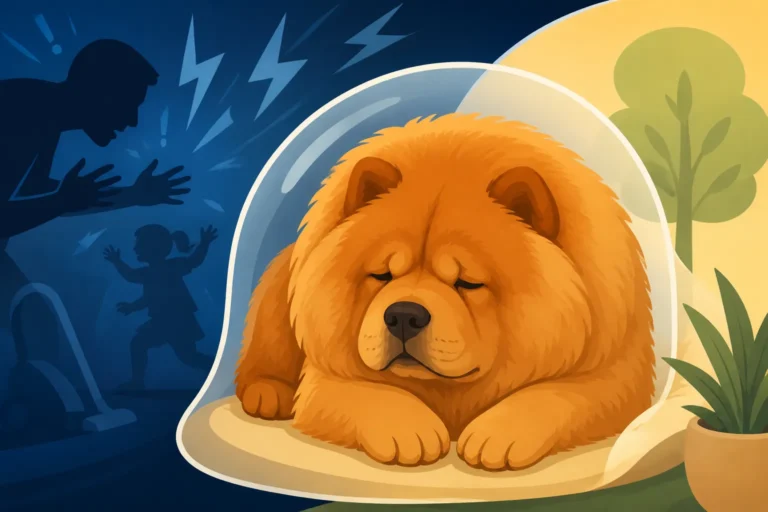
Apartment living often means shared walls and common areas, which can present unique challenges for a breed like the Chow Chow with its guarding tendencies. They might bark at sounds they hear from neighbors or become territorial over the hallway. Early and consistent training is essential here. Teaching a "quiet" command, managing greetings at the door, and making sure they feel secure in their own designated space (like a crate or a comfortable bed in a quiet corner) can go a long way.
Positive reinforcement training, perhaps with resources from online platforms like BAXTER & Bella, can help you manage these instincts and teach your Chow appropriate responses to urban living. Remember, every positive interaction with a new person or sound helps to build their confidence and reduce the likelihood of unwanted guarding behaviors. Your presence and calm guidance are their best defense against feeling overwhelmed or needing to "protect" their small domain.
Disclaimer
This article is for general informational purposes only and does not constitute professional advice. Laws, prices and regulations vary by location and change over time. Consult a qualified professional for guidance on your specific situation.