Which Pairing Works Best for a Chow Chow
Bringing a Chow Chow into your home is an incredible journey, but it’s one filled with unique considerations, especially when it comes to who or what else shares that space. Many prospective owners struggle with understanding how these distinctive dogs will integrate into a multi-pet household or a family with children, fearing clashes or an unhappy companion. This guide will walk you through the nuances of Chow Chow compatibility, helping you determine which pairings are most likely to lead to a harmonious home for everyone involved.
Understanding the Unique Chow Chow Dynamic
Chow Chows aren't like many other breeds you might have encountered; they possess a truly unique personality that deeply influences their relationships with both humans and other animals. Their history as versatile working dogs in ancient China, often guarding temples or property, has ingrained a strong sense of independence and a reserved nature that shapes their interactions.
The "One-Person Dog" Myth and Reality
You've probably heard the term "one-person dog" tossed around when discussing Chow Chows, and while it's not entirely a myth, it's more nuanced than it sounds. It’s true that a Chow Chow will often form an incredibly deep, unwavering bond with one particular human in the household. This chosen person becomes their anchor, their confidant, and the one they seek out for subtle affection and attention. This isn't to say they dislike or ignore other family members, but their expressions of affection might be more reserved. They will typically tolerate the rest of the family, acknowledging them, enjoying their presence, and perhaps accepting pets or attention on their own terms, but the profound connection is often singular. Why a Chow Chow Picks One Person delves deeper into this fascinating aspect of their personality. This dynamic means that while they might live happily in a family, they might not engage with every member equally, which can sometimes be a surprise to those expecting a universally demonstrative dog.
Why Early Experiences Shape Everything
For a breed as inherently reserved and often wary of strangers as the Chow Chow, early socialization isn't just important—it's absolutely critical. Why Early Socialization Decides What a Chow Chow Becomes can't be stressed enough. The period between 3 and 16 weeks, often referred to as a puppy's critical socialization window, is when they are most open to new experiences and learning what is "normal" in their world. During this time, carefully introducing them to a wide variety of sights, sounds, people, and appropriate dogs can help them develop into more well-adjusted adults. Without this crucial foundation, a Chow Chow is more likely to grow into an overly fearful or defensively aggressive dog, making multi-pet or child-filled homes particularly challenging. Exposure to different surfaces, noises, and gentle handling from various people sets the stage for a dog that is less likely to react negatively to the unexpected later in life. This foundation is especially vital when considering how they will interact with other living beings in their environment.
Chow Chows and Other Canine Companions
Introducing a Chow Chow into a home with existing dogs, or bringing a second dog into a Chow Chow's domain, requires careful planning and a deep understanding of their innate traits. They aren't always the most natural "pack players."
Navigating Multi-Dog Households
Chow Chows can, and often do, live successfully with other dogs, but it's rarely a free-for-all friendly romp. Their generally independent and sometimes dominant nature means that they often prefer a companion who is either very submissive or equally confident but respects boundaries. A boisterous, overly playful dog might quickly get a growl or a snap from a Chow Chow who isn't in the mood for games. It’s often said that Whether Two Chow Chows Can Live Together depends heavily on their individual personalities and the owner's management.
When considering a multi-dog home, matching temperaments is paramount. A calm, respectful canine companion who understands subtle cues and gives space when needed will likely fare much better than one who constantly pushes boundaries. Introductions must be slow, controlled, and always supervised. Neutral territory for initial meetings, short positive interactions, and ensuring separate resources (food bowls, resting spots, toys) can prevent conflict. Even in established multi-dog homes, vigilance is key, especially around high-value items or perceived threats. Many Chow Chow owners find that careful management, like using pet gates from Amazon to provide separate spaces, helps maintain peace.
The Gender Question: Same-Sex Dynamics
This is where Chow Chows can present a significant challenge. It's a commonly observed trait that Why Two Same Sex Chow Chows Fight is often a reality, particularly between two females, and sometimes between two males, especially if both are intact. There seems to be an inherent drive for dominance and territoriality that can escalate into serious fights if not managed. This isn't unique to Chows, but it's certainly pronounced in the breed.
If you are considering a multi-Chow household, a male-female pairing (with both spayed/neutered to mitigate hormonal aggression) often has the best chance of success. Even then, individual personalities will dictate the true dynamic. Bringing a younger opposite-sex puppy into an established Chow's home can also work, as the older dog might view the puppy as less of a threat to their status. However, never underestimate the need for constant supervision and readiness to intervene, particularly during the critical developmental stages of the younger dog when they might test boundaries.
Chow Chows and Feline Friends
The idea of a Chow Chow coexisting peacefully with a cat might seem like a stretch to some, given their history and independent nature. However, it's often more achievable than a multi-dog household, provided the right conditions are met.
Starting Young: The Best Chance for Harmony
The absolute best scenario for a Chow Chow and a cat to become companions is if the Chow Chow puppy is raised with the cat from a very young age. This early exposure helps the Chow Chow learn that the cat is part of the "pack" and not prey. A Chow Chow puppy introduced to a confident, dog-savvy cat will often integrate them into their understanding of household members. Whether a Chow Chow Raised With a Cat Accepts It largely hinges on this early exposure and consistent positive reinforcement.
Even with early introduction, constant supervision is crucial, especially during the puppy's boisterous phases. Teaching the Chow Chow appropriate interactions and rewarding calm behavior around the cat helps solidify their bond. Ensure the cat has safe, elevated escape routes where the dog cannot reach, giving them autonomy and reducing stress. Platforms, cat trees, and shelves available on sites like Amazon can be lifesavers for your feline friend.
Managing Established Multi-Species Homes
If you're introducing a Chow Chow into a home with an existing cat, or vice-versa, the challenge increases, but it's not impossible. The Chow Chow's prey drive, while not as pronounced as some other breeds, can still be a factor, especially if Whether a Chow Chow Chases Small Animals is observed. Older, more settled Chow Chows might be less inclined to chase, but instincts are powerful.
Slow, supervised introductions are the name of the game. Keep the Chow Chow leashed initially and reward calm behavior in the cat's presence. Use baby gates or separate rooms to allow them to smell and hear each other without direct contact. Gradually increase supervised interaction time. Never leave them unsupervised until you are absolutely certain of their peaceful coexistence. Even then, always provide the cat with safe spaces. A professional trainer, perhaps found through resources like BAXTER & Bella, could offer invaluable guidance for managing these delicate introductions.
Chow Chows and Children: A Delicate Balance
This is perhaps one of the most frequently asked questions and one that requires the most honest and realistic answer. Chow Chows are not typically a breed recommended for homes with small children, or for families without extensive dog experience and a deep understanding of Chow Chow behavior.
Teaching Mutual Respect and Boundaries
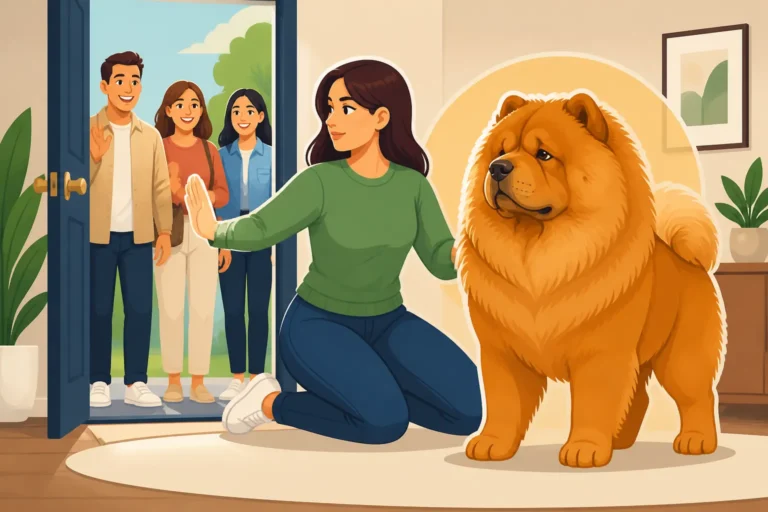
Chow Chows are generally tolerant rather than overtly playful or cuddly with children. They appreciate respect and quiet interactions. Small children, with their unpredictable movements, loud noises, and tendency to invade personal space, can easily overwhelm a Chow Chow. This can lead to fear, irritation, and potentially, defensive snaps. It's critical to understand How a Chow Chow Behaves With Children and to manage expectations.
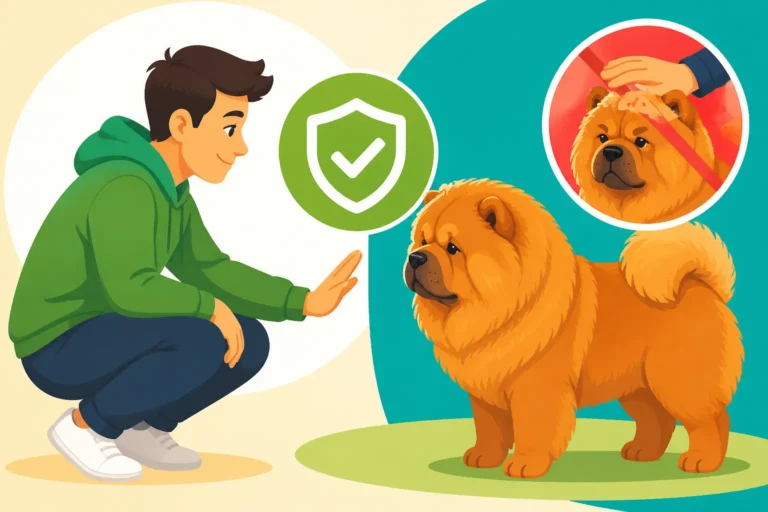
Success in a home with children hinges entirely on meticulous management and education. Children must be taught from the very beginning How to Teach a Child to Approach a Chow Chow with respect: no pulling fur, no disturbing a sleeping or eating dog, no sudden hugs. Parents must always be the advocates for the dog, ensuring its boundaries are respected and providing safe retreats where the Chow can go undisturbed. For instance, a crate in a quiet room, or a designated "dog bed" that is off-limits to children, is essential.
Supervision is Non-Negotiable
With Chow Chows and children, supervision isn't a suggestion; it's a strict requirement. Never, ever leave a Chow Chow unsupervised with infants or small children, even for a moment. Even with older, well-behaved children, vigilance is necessary. Their deep-set eyes and dense ruff can make it difficult to read a Chow Chow’s facial expressions, and they are known for giving little to no warning before reacting if their patience runs out.
As children grow, continuous education is needed to reinforce respectful interaction. For families determined to have both a Chow Chow and children, consider adopting an adult Chow Chow from a reputable rescue that has a clear history of living successfully with children, or bringing a Chow Chow puppy into a home where children are older and can understand and adhere to strict rules. The commitment to training both dog and child must be unwavering.
The Ideal Human Pairing for a Chow Chow
So, who makes the best human companion for a Chow Chow? It truly comes down to experience, understanding, and a commitment to meeting their specific needs.
Experience and Understanding are Key
A Chow Chow is definitely not a dog for everyone, and Whether a Chow Chow Suits a First Time Owner is a question that usually leans towards "no." They require an owner who understands dog behavior, especially the nuances of a more independent, sometimes stubborn, and often reserved breed. Someone who appreciates their cat-like independence and doesn't demand constant affection will likely thrive with a Chow. They don't need or want to be the center of attention all the time, preferring to observe from a distance.
Ideal Chow Chow owners are confident, consistent, and patient. They understand that positive reinforcement and a strong, fair leadership are paramount. They can read subtle canine body language and anticipate potential issues before they escalate. A Chow Chow respects a calm, assertive leader, not a harsh or overbearing one. A well-socialized Chow with a knowledgeable owner is a loyal, dignified, and loving companion, but they require a confident hand.
Lifestyle Considerations: Quiet Homes vs. Busy Hubs
Chow Chows generally do best in quieter households. They aren't typically the dog to bring to crowded dog parks or bustling street festivals. Their preference for a calm environment extends to their human companions.
Here’s a breakdown of ideal human pairings:
| Pairing Type | Pros | Cons | Key Considerations |
|---|---|---|---|
| Single Individual | Can foster a deep, singular bond, often forming the "one-person dog" ideal. Less household commotion. | Requires significant time commitment from one person; no backup for care/training. | Ideal for experienced owners who enjoy a close, quiet bond. Must provide consistent routine. |
| Couple (No Children) | Shared responsibility for training, exercise, and care. Can offer a richer social environment for the dog. | Chow may still bond strongest with one, requiring the other to accept a more "tolerated" status. | Both partners must be on board with consistent training and understanding Chow traits. |
| Family with Older Children (Teens+) | Older children can be taught appropriate interaction and even assist with care under supervision. | Still requires vigilant adult supervision; teens may still forget boundaries. | Children must be mature, respectful, and well-educated on dog etiquette. |
| Quiet, Experienced Family (No Small Children) | Can provide a stable, loving environment. Shared care and attention can benefit the Chow. | Chow may still be reserved with some family members. | Family members must be calm, consistent, and committed to socialization and training. |
The best pairing for a Chow Chow is truly an individual who appreciates their dignified, independent nature, understands the commitment to socialization and consistent training, and is willing to respect their boundaries. It's about finding harmony through understanding, not forcing a square peg into a round hole.
Disclaimer
This article is for general informational purposes only and does not constitute professional advice. Laws, prices and regulations vary by location and change over time. Consult a qualified professional for guidance on your specific situation.