What an Adult Chow Chow Should Weigh
It can be incredibly tricky to figure out if your fluffy Chow Chow is at a healthy weight, can't it? Their magnificent double coat is a blessing for warmth and beauty, but it's also a master of disguise, making it tough to judge what’s underneath. Many new Chow Chow owners find themselves second-guessing whether their beloved companion is a bit too hefty or perhaps a touch too thin. This comprehensive guide is here to demystify the ideal weight for an adult Chow Chow, helping you understand how to assess your dog’s condition, recognize the hidden dangers of an unhealthy weight, and provide the best care to keep them thriving.
The Standard Weight Range for Adult Chow Chows
Understanding the breed standard is always a great starting point, though it’s important to remember that every dog is an individual. The Chow Chow standard provides a general guideline for what a well-bred, healthy adult Chow should weigh and stand.
Breed Standard Expectations
For an adult Chow Chow, the breed standard generally calls for a sturdy, compact, and square-bodied dog. In terms of weight, adult males typically fall into a range of 55 to 70 pounds (approximately 25-32 kg), while adult females are usually a bit lighter, ranging from 45 to 60 pounds (approximately 20-27 kg). This range isn't just about the number on the scale; it's about the overall balance and proportion of the dog. A Chow Chow should look powerful and dignified, not lean or delicate, nor overly bulky. The standard also specifies height, usually around 17 to 20 inches at the shoulder for both sexes, which helps to give context to the weight. A taller Chow might carry its weight differently than a shorter one, even if the number on the scale is the same.
It’s easy to get caught up in these numbers, but think of them as a compass, not a rigid map. A Chow Chow on the lower end of the weight spectrum might still be perfectly healthy if they are taller and have a lean, muscular build. Conversely, a Chow at the higher end could be overweight if they are on the shorter side or lack muscle tone. What’s most important is how that weight is distributed and what it means for your individual dog's health and mobility.
Individual Variations and Factors
Just like people, not all Chow Chows are built exactly the same, even within the breed. Several factors can influence where your Chow falls within or even slightly outside these standard weight ranges. Genetics play a huge role; some lines simply produce bigger, more heavily boned Chows, while others are a bit more refined. For example, a larger-boned male might easily hit 75 pounds and still be perfectly fit, whereas a smaller-boned female might be ideal at 40 pounds. Think about how your Chow's parents or other relatives looked if you have that information.
Beyond genetics, age is a significant factor. Puppies are constantly growing and their weight will fluctuate, while senior Chows may naturally lose some muscle mass or gain a bit of weight due to decreased activity. The Age a Chow Chow Is Considered Senior details how their needs change. Activity level also plays a crucial part; a Chow Chow that gets regular, appropriate exercise will likely have a different body composition than one that leads a more sedentary life. Even the type of coat can create an illusion – a particularly dense, rough-coated Chow might look heavier than a smooth-coated one of the same build. All these elements create a unique puzzle for each Chow Chow, which is why a holistic assessment is always best.
Beyond the Scale: Understanding Body Condition in a Chow Chow
Given their magnificent fur, simply weighing your Chow Chow on a scale often doesn't tell the whole story. You really need to learn how to "read" their body under all that fluff. This is where body condition scoring (BCS) comes in, helping you assess their fat reserves and muscle mass.
The Challenge of the Double Coat
The Chow Chow's dense double coat is truly stunning, but it's also a master of camouflage. A thick outer coat and plush undercoat can hide pounds of extra weight or mask a dog that's actually too thin. You might look at your Chow and think they appear well-rounded and robust, only to find they're carrying too much fat when you get your hands on them. Conversely, a seemingly "fluffy" dog could be surprisingly lean underneath. This unique challenge means relying solely on visual cues can be misleading.
Imagine trying to assess a heavily blanketed sheep – you wouldn't know its true shape until you got your hands on it. The same goes for your Chow. This is why learning to feel your dog's body, rather than just looking, is paramount. Many owners are genuinely surprised once they start feeling for ribs, waist, and spine, discovering their visual assessment was off. It’s not your fault; the breed’s coat is designed to make this tricky! Why a Chow Chow's Double Coat Traps Heat and Why a Chow Chow's Dense Coat Hides Skin Disease further illustrate just how much their coat influences their care and health.
The Rib Test and Waist Check
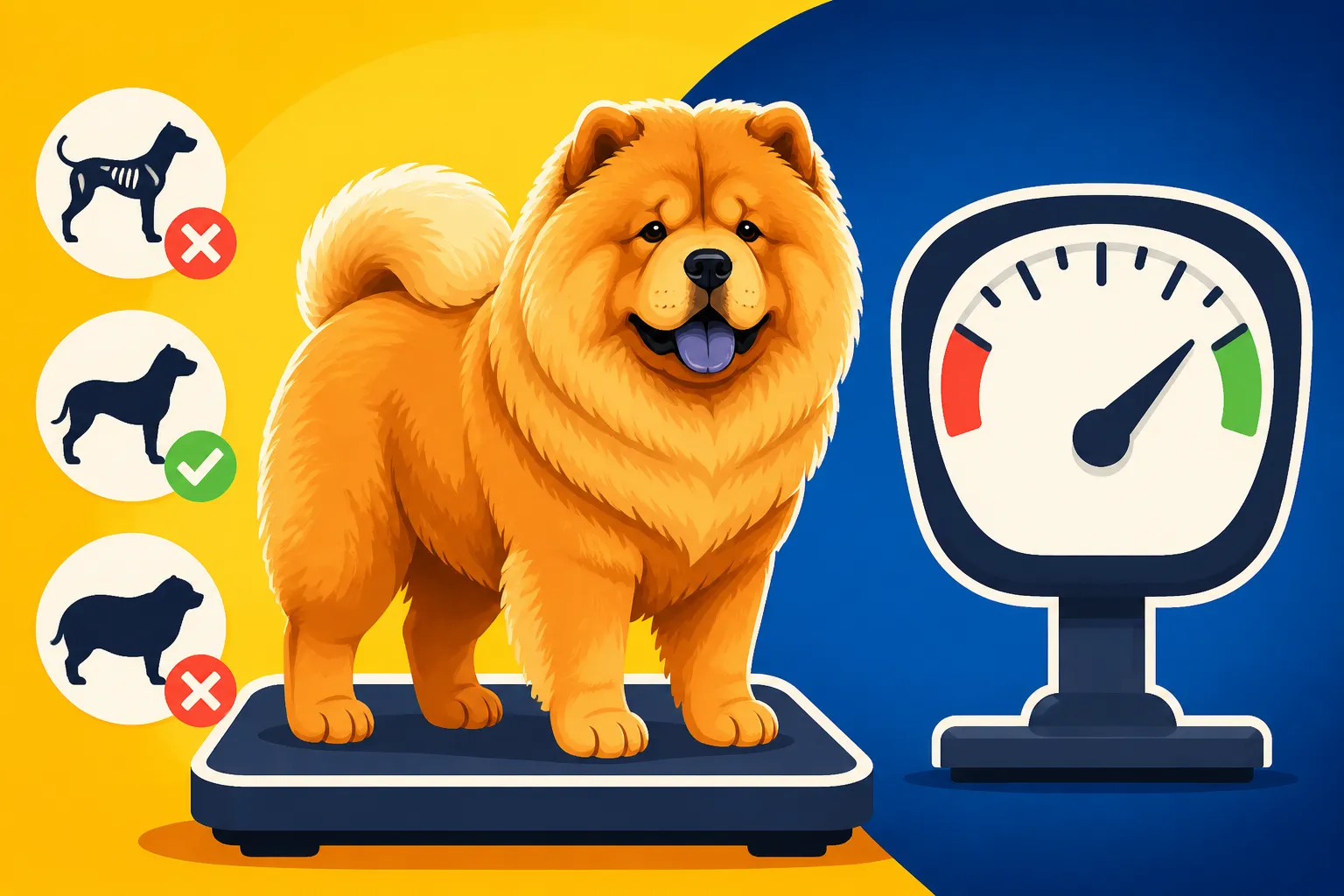
The most crucial step in assessing your Chow Chow’s body condition is the "rib test." Gently run your fingers along their sides, feeling for their ribs. You should be able to feel them quite easily, much like feeling the knuckles on the back of your hand, without having to press hard. If you can't feel the ribs at all without really pushing, your Chow Chow is likely carrying too much fat. If you can see the ribs distinctly without even touching, your dog is probably too thin. The goal is to feel them, but not see them.
Next, move to the "waist check." While Chows are compact and often have a more rectangular build than some breeds, they should still have some evidence of a waist or tuck-up when viewed from above and the side. Looking from above, after their rib cage, there should be a slight inward curve before their hips. From the side, their abdomen should gently tuck up, not hang low or be parallel to the ground. This can be harder to discern with their heavy coat, but if you dampen the fur slightly or gently part it, you might get a better visual.
The Lumbar Touch and Tail Base Assessment
Beyond the ribs and waist, feeling the lumbar area (lower back) and the base of the tail offers more clues. When you run your hands along your Chow Chow's spine, you should be able to feel the individual bumps of the vertebrae without them being sharply prominent. If the spine feels like a washboard or is clearly visible through the fur, your dog is likely underweight. If you can't feel the spine at all, just a smooth, padded surface, then they are probably carrying excess weight.
The tail base is another key indicator. Feel around the area where your Chow Chow's tail connects to its body. This area should not be overly padded or squishy. If there's a significant amount of fat accumulation here, it's a strong sign of being overweight. A healthy Chow Chow will have a firm, muscular tail base, with very little extra padding. Regularly performing these hands-on checks, perhaps once a week during grooming, will help you become attuned to your individual dog’s healthy body condition.
Here's a simple Body Condition Score (BCS) table to guide your assessment for your Chow Chow:
| Score (1-9) | Condition | Visual Cues (Difficult for Chows) | Palpable Cues (Essential for Chows) |
|---|---|---|---|
| 1-2 | Too Thin | Ribs, spine, hip bones easily visible. No body fat. | Ribs, spine, hip bones feel sharp, no fat padding. |
| 3 | Underweight | Ribs, spine, hip bones prominent. Minimal fat. | Ribs easily felt with minimal fat. Spine and hip bones distinct. |
| 4-5 | Ideal Weight | Ribs, spine, hip bones not visible but easily felt. | Ribs easily felt without pressure, like knuckles. Visible waist/tuck-up. |
| 6-7 | Overweight | Ribs felt with moderate pressure. Waist less apparent. | Ribs felt with difficulty, requires firm pressure. Slight fat padding on spine/tail base. |
| 8-9 | Obese | Ribs not palpable. No waist/tuck-up. Obvious fat deposits. | Ribs very difficult/impossible to feel due to thick fat layer. Heavy padding on spine/tail base. |
Health Implications of an Unhealthy Weight
Maintaining an ideal weight isn't just about aesthetics for your Chow Chow; it's profoundly linked to their overall health and lifespan. Both being overweight and underweight come with their own set of serious risks.
Overweight Risks: Joints, Heart, and Heat Sensitivity
Being overweight is a common problem in many dog breeds, and Chow Chows are no exception. The extra pounds put significant stress on their joints, especially their elbows and hips, which are already prone to conditions like Elbow Dysplasia Ranks the Chow Chow Near the Top and Hip Dysplasia in a Chow Chow. This can lead to or worsen arthritis, causing pain, stiffness, and reduced mobility as they age. Imagine carrying a heavy backpack all day, every day – that's what extra weight feels like for your dog's joints.
Beyond joint issues, an overweight Chow Chow faces a higher risk of heart disease, diabetes, and certain cancers. Their respiratory system also works harder, which is particularly concerning for a breed known for its Why a Chow Chow's Short Muzzle Cools Poorly. Excess fat acts as insulation, making them much more susceptible to overheating and heatstroke, especially in warmer climates or during exercise. Heat Is the Chow Chow's Most Immediate Danger describes just how critical this can be. They'll have less stamina, breathe heavier, and their quality of life can significantly decrease, even shortening their already The Eight to Twelve Years a Chow Chow Gets.
Underweight Concerns: Nutrition and Underlying Issues
While less common than obesity, an underweight Chow Chow is also a cause for concern. If your Chow is too thin, it could indicate a lack of proper nutrition – perhaps they aren't getting enough food, or the food isn't nutrient-dense enough for their needs. This can lead to a weakened immune system, poor coat quality, and a lack of energy. They might struggle to maintain body temperature, especially in colder weather.
More seriously, being underweight can be a red flag for underlying health problems. Conditions like parasites, dental disease, inflammatory bowel disease, or even more serious issues like kidney disease (Familial Renal Dysplasia Kills Young Chow Chows) or certain cancers can all cause unexplained weight loss despite adequate food intake. If your Chow Chow is losing weight without a change in diet or exercise, or if they appear too bony despite eating, a veterinary check-up is absolutely essential to rule out any serious medical conditions. Catching these issues early can make a huge difference in their long-term prognosis.
Strategies for Managing Your Chow Chow's Weight
Successfully managing your Chow Chow's weight involves a thoughtful combination of diet, exercise, and consistent monitoring. It's a long-term commitment that pays off in a happier, healthier dog.
Portion Control and Quality Nutrition
When it comes to feeding your Chow Chow, portion control is key. It's very easy to overfeed, especially if you're measuring by eye. Always use a proper measuring cup, and stick to the recommended guidelines on your dog food bag, adjusting as necessary based on your vet's advice and your Chow's individual activity level and metabolism. Remember, the feeding guide on the bag is a starting point, not a strict rule. You might find your Chow Chow eats less than you expect for a dog of their size, as they can be somewhat particular eaters. How Many Cups a Day an Adult Chow Chow Eats goes into more detail on this.
Choosing a high-quality dog food is equally important. Look for formulas with real meat as the first ingredient and limited fillers. If your Chow needs to lose weight, your vet might recommend a specific weight-management or lower-calorie formula. Some owners find success with fresh food diets, such as those offered by companies like Ollie, which can provide precise portioning and excellent nutritional value. For general dog food and supplies, many people rely on stores like Chewy for a wide selection. Don't forget treats! They add calories quickly, so factor them into your Chow's daily intake, or opt for low-calorie options like small pieces of carrot or green beans.
Appropriate Exercise Without Overheating
Chow Chows are not high-energy dogs, but they do require regular, moderate exercise to maintain muscle tone and a healthy weight. Daily walks are crucial, but the intensity and duration need to be tailored to your individual Chow's age, fitness level, and the weather. Two shorter walks a day might be better than one long one, especially for puppies or seniors. Remember, their unique build, including their straight rear legs, means they don't move with the same efficiency as many other breeds, so intense running or agility isn't typically suitable. How Far a Chow Chow Should Walk Daily offers more specific advice.
Due to their dense coat and brachycephalic (short-nosed) features, Chow Chows are highly susceptible to overheating. This means exercise must be carefully planned, especially during warmer months. Early morning or late evening walks are best in summer, avoiding the midday heat completely. Always carry water and be vigilant for signs of overheating, such as excessive panting, lethargy, or stumbling. Signs a Chow Chow Is Overheating on a Walk can help you recognize these crucial warnings. A cooling vest or mat, perhaps sourced from Amazon, can be a helpful tool for keeping them comfortable and allowing for safe activity. Never push your Chow Chow beyond their comfort zone, especially in heat.
Regular Veterinary Check-ups
Regular veterinary check-ups are fundamental for managing your Chow Chow's weight and overall health. Your vet can accurately assess your dog's body condition, weigh them, and discuss any concerns you might have. They can help you establish a realistic target weight and create a tailored diet and exercise plan. These check-ups are also vital for catching any underlying medical conditions that might be contributing to weight gain or loss.
During these visits, don't hesitate to ask your vet to demonstrate how to properly perform the body condition assessment (rib test, waist check, tail base). They can give you hands-on guidance, which is incredibly valuable given the Chow Chow's challenging coat. As your Chow Chow ages, their metabolism and activity levels will change, necessitating adjustments to their diet. Caring for a Chow Chow Past Eight discusses how their needs evolve. Your vet can guide you through these transitions, ensuring your beloved companion stays at their healthiest weight throughout their life.
Recognizing Weight Changes and When to Seek Help
Staying vigilant about your Chow Chow's weight means paying attention to subtle clues that might indicate a problem, and knowing when it's time to call in the professionals.
Subtle Signs of Fluctuation
Because of their thick coats, weight changes in Chow Chows can be quite insidious. It's not always as obvious as a shrinking waistline or ribs suddenly poking out. Instead, look for more subtle indicators. If your Chow is gaining weight, you might notice they're becoming slower on walks, less enthusiastic about play, or struggling a bit more to get up from a lying position. Their coat might seem to "spread out" more when they lie down, or their harness or collar might start to feel tighter. On the other hand, if they're losing weight, you might see them finish their food faster, or even try to steal food more often. Despite their plush coat, you might notice a slight dullness in their fur, or they might seem less energetic than usual.
Regular grooming sessions are a fantastic opportunity for a hands-on weight check. As you brush them, make it a habit to feel their ribs, spine, and tail base. This allows you to catch small changes before they become big problems. Keep a log of their weight if you can weigh them at home (or ask your vet to record it during visits), and monitor their food intake. Even small shifts can be telling when consistent over time. How a Chow Chow's Coat Hides Weight Loss highlights this particular challenge for Chow owners.
When to Consult Your Vet About Weight
Don't hesitate to contact your veterinarian if you have any concerns about your Chow Chow's weight. If you've tried adjusting their diet and exercise but aren't seeing results, or if you notice sudden, unexplained weight gain or loss, it's definitely time for a professional opinion. A significant change in weight (more than 10-15% of their body weight) over a short period should always prompt a vet visit.
Other red flags include changes in appetite (eating much more or much less), excessive thirst, changes in urination, vomiting, diarrhea, or a noticeable decrease in energy that accompanies the weight change. These symptoms, combined with weight fluctuations, could indicate a serious underlying health issue that needs immediate attention. Your vet can perform diagnostic tests, such as bloodwork or urinalysis, to pinpoint any medical causes. Early intervention is always best for your Chow Chow's long-term health and well-being.
Disclaimer
This article is for general informational purposes only and does not constitute professional advice. Laws, prices and regulations vary by location and change over time. Consult a qualified professional for guidance on your specific situation.