What Shaving Does to a Chow Chow’s Undercoat
It’s a common dilemma, especially when summer rolls around and your fluffy Chow Chow looks like a walking fur coat: you think, "Wouldn't it be kinder to shave them?" The image of a sleek, cooler dog might dance in your head, but the reality for a double-coated breed like a Chow Chow is that shaving their beautiful, dense fur can actually do more harm than good. This guide will dive deep into exactly what happens when you shave a Chow Chow's undercoat and why it's a decision that often leads to unexpected problems.
The Unique Design of a Chow Chow's Coat
Understanding why shaving is detrimental requires a good grasp of what makes a Chow Chow's coat so special in the first place. These aren't just pretty locks; they're a marvel of natural engineering, designed over centuries to protect and regulate.
The Double Coat Explained
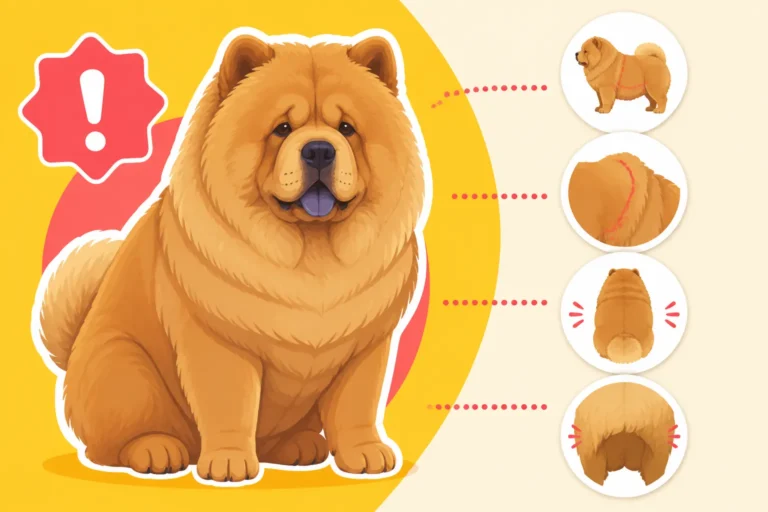
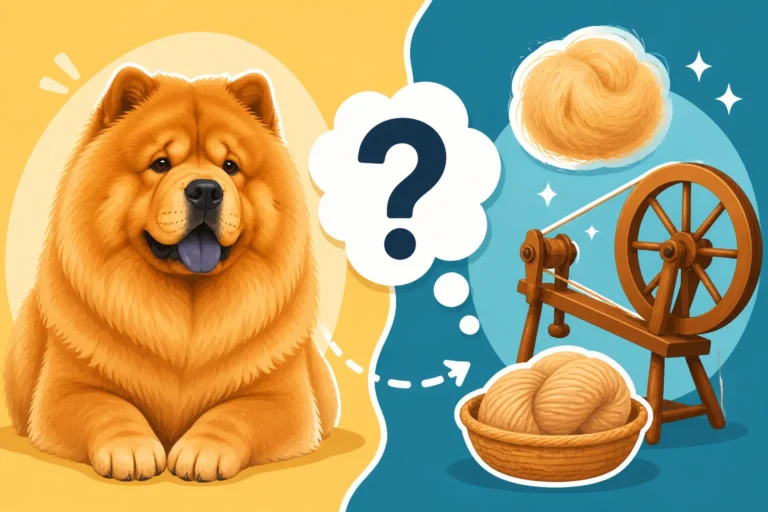
Your Chow Chow is blessed with what's known as a double coat, a characteristic shared with many Arctic breeds. This isn't some random evolutionary quirk; it's a highly functional design. The coat is composed of two distinct layers, each with its own crucial job. First, you have the soft, dense undercoat. Think of this as your dog's personal thermal underwear – it's incredibly fine, woolly, and grows close to the skin. Its primary role is to provide insulation. Beneath the ruff and britches, where the fur is longest, this undercoat can be incredibly thick, almost like a sheep's fleece.
Above this plush insulation lies the second layer: the outer coat, or guard hairs. These hairs are coarser, longer, and more protective. They act like a weather-resistant shell, shielding the delicate undercoat and skin from the elements. The guard hairs are what give the Chow Chow its distinctive lion-like appearance, especially in the rough-coated variety. They're designed to repel water, dirt, and even block harmful UV rays. Each hair type plays a specific, interdependent role, working together seamlessly. This dual system is exactly Why a Chow Chow Has an Outer and an Under Coat, providing comprehensive protection.
How the Coat Regulates Temperature
It feels counterintuitive, doesn't it? A dog covered in so much fur, in warm weather, must surely be hot. But that double coat is actually the secret to their natural air conditioning system. The dense undercoat isn't just for keeping warm; it also traps a layer of air close to the skin. This trapped air acts as a buffer, preventing external heat from reaching the body in summer and keeping warmth in during winter. It's like the insulation in your home – it works both ways.
When you shave away this protective layer, you remove their natural climate control. Suddenly, their skin is exposed directly to the elements. Without the undercoat to provide that insulating air pocket, their body has to work harder to maintain a stable temperature. The coarse guard hairs, meant for protection, also contribute to cooling by creating air circulation above the skin. It's a finely tuned system, and when you disrupt it, you leave your Chow Chow vulnerable. This intricate system is also why Why a Chow Chow's Double Coat Traps Heat can be a concern if not properly managed, but shaving isn't the answer.
The Damaging Effects of Shaving the Undercoat
While the intention behind shaving a Chow Chow is almost always good – a desire to make them more comfortable – the reality is that it often backfires, creating more problems than it solves. It's a common misconception that simply removing the fur will cool them down.
Disrupting Natural Insulation and Temperature Control
When you shave a Chow Chow, you strip away both layers of its unique coat. This leaves their skin completely exposed. In the summer, this means direct sunlight can hit their skin, leading to severe sunburn. Imagine going out in peak summer without any sun protection; that's what you're doing to your Chow. Sunburn isn't just painful; it can increase their risk of skin cancer. More critically, by removing that insulating air layer, you hinder their ability to regulate their body temperature. This makes them more susceptible to overheating and heatstroke, not less. They lose the buffer that protected them from the ambient heat.
Conversely, in cooler weather, without the undercoat to trap warmth, they can get cold very quickly. While the initial thought might be for summer comfort, the long-term effects on their temperature regulation are significant. Many owners report that after being shaved, their Chow Chows seem uncomfortable in a wider range of temperatures than before. This is a primary reason Why Shaving Does Not Cool a Chow Chow as effectively as one might hope.
Coat Regrowth Issues and Texture Changes
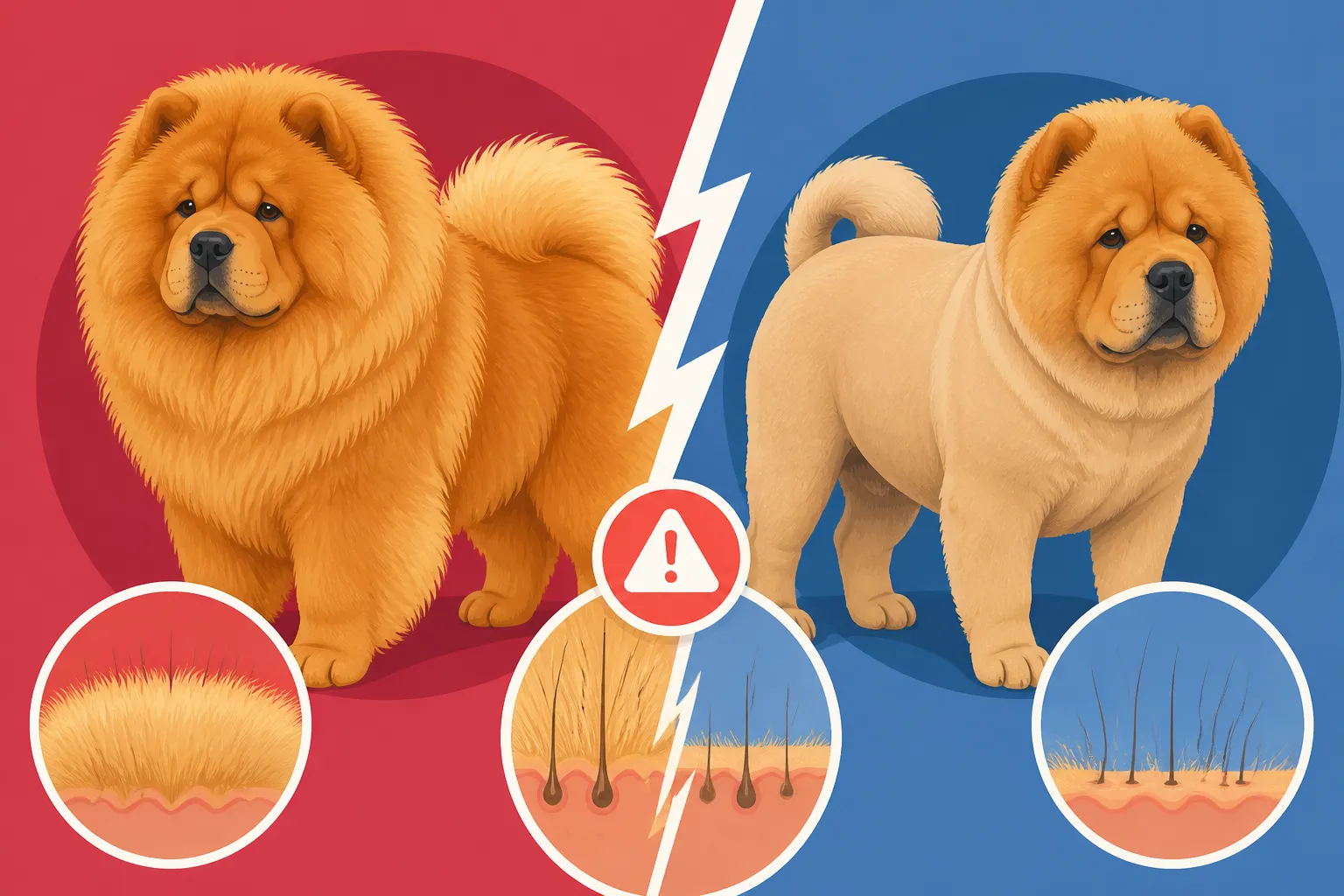
One of the most disheartening consequences of shaving a double-coated breed is the potential for permanent damage to the coat's structure, often referred to as "post-clipping alopecia" or "clipper alopecia." What happens is that the guard hairs and the undercoat often grow back at different rates, and sometimes, the undercoat grows back thicker and softer, while the coarser guard hairs struggle to return to their original length and texture. This can result in a coat that feels "cottony," is sparse in places, and is highly prone to matting.
The original texture, designed to repel dirt and water, might be lost forever, making future grooming much more challenging. The coat can become coarse and brittle in some areas, and soft and fluffy in others, creating an uneven, unhealthy appearance. It can also lose its vibrant color, appearing duller or patchier. This uneven growth can also lead to the very problem you were trying to avoid – discomfort. The new, irregular growth can hinder air circulation and make them even hotter. If you're wondering Whether a Shaved Chow Chow's Coat Grows Back normally, the answer is often, unfortunately, no. It can take a very long time for some semblance of the original coat to return, and for some Chows, it never does. Whether Post Clipping Alopecia Affects Chow Chows is a real and serious concern for owners considering this option.
Increased Risk of Skin Problems
With the natural protection of their double coat gone, a Chow Chow's delicate skin becomes incredibly vulnerable. We've already touched on sunburn, which is a major concern, but it's far from the only issue. The exposed skin is an open invitation for insect bites, leading to irritation, itching, and potential infections. Allergens in the environment that were once largely blocked by their dense fur now have direct access to the skin, potentially triggering allergic reactions and skin sensitivities.
Furthermore, the shaving process itself can sometimes damage hair follicles, leading to ingrown hairs or conditions like folliculitis. As the coat attempts to grow back unevenly, it can create areas where air circulation is severely compromised, especially if the new growth quickly mats. This damp, warm environment close to the skin is a perfect breeding ground for bacteria and yeast, leading to painful and persistent hot spots. Instead of solving a heat problem, shaving often creates a whole host of dermatological challenges. It's a harsh lesson in why Why a Chow Chow's Dense Coat Hides Skin Disease is not an invitation to shave it off, but a reminder to be diligent in regular checks and grooming.
| Feature | Unshaven Chow Chow Coat | Shaven Chow Chow Coat |
|---|---|---|
| Layers | Double coat: dense undercoat, protective guard hairs | Single layer or patchy regrowth |
| Insulation | Excellent; traps air to regulate temperature (hot/cold) | Poor; direct exposure to elements, less temperature control |
| Protection | Shields from sun, rain, insects, dirt | Minimal; high risk of sunburn, bug bites, allergens |
| Regrowth | Consistent, healthy growth cycle | Often uneven, cottony, sparse, prone to matting ("clipper alopecia") |
| Skin Health | Well-protected, good air circulation (with proper grooming) | Exposed, higher risk of hot spots, infections, irritation |
| Appearance | Full, dense, true to breed standard | Patchy, dull, altered texture |
Proper Coat Care Alternatives to Shaving
So, if shaving is out, what's a loving Chow Chow owner to do, especially when the mercury rises or when dealing with a challenging coat? The answer lies in consistent, proper grooming and smart heat management strategies that work with their natural coat, not against it.
Regular and Thorough Brushing
The absolute cornerstone of managing a Chow Chow's coat, and indeed keeping them comfortable year-round, is diligent and regular brushing. This isn't just a quick once-over; it's a commitment to line brushing, working section by section to reach all the way down to the skin. The goal is to remove dead undercoat, which is what truly insulates and traps heat when it's matted and dense. When this dead fur is removed, it allows air to circulate freely close to the skin, providing that much-needed cooling effect.
You'll need specific tools to do this effectively. An undercoat rake is invaluable for getting deep into the thick undercoat, gently pulling out loose hairs without damaging the healthy outer coat. A good quality slicker brush can then smooth and further aerate the coat. For longer furnishings and the ruff, a wide-toothed comb helps prevent tangles. You can find excellent grooming tools from online retailers like Chewy or Amazon, making it easy to stock up on everything you need. Establishing a routine, even a few minutes every day or two, makes a world of difference. It’s particularly important during the twice-a-year "coat blow" periods when they shed profusely. This isn't just about aesthetics; it's vital for their skin health and comfort. Regular brushing helps prevent mats, which can pull at the skin and create painful hot spots. The essential technique is covered in detail in How to Line Brush a Chow Chow. When your Chow Chow is When a Chow Chow Blows Its Coat, you'll be amazed how much fur comes out, and how much cooler they feel afterward.
Professional Grooming and Deshedding Services
While home grooming is essential, sometimes a professional touch is needed, especially for those who find the sheer volume of Chow Chow fur daunting. A professional groomer who is experienced with double-coated breeds can perform a thorough deshedding treatment that goes beyond what most owners can achieve at home. These services often include specialized shampoos and conditioners designed to loosen dead undercoat, followed by high-velocity drying that literally "blows out" vast amounts of loose fur. This process dramatically improves air circulation and can leave your Chow Chow feeling significantly lighter and cooler.
It's crucial to find a groomer who understands the Chow Chow's unique coat and will explicitly not shave them unless there's a medical necessity advised by a vet, such as severe matting that can't be brushed out. Always communicate your preferences clearly and ensure they are well-versed in double-coat grooming techniques. A good professional groomer will prioritize the health and integrity of the coat. Finding a Groomer Who Will Take a Chow Chow and understanding What a Rough Coated Chow Chow Costs at the Groomer are important steps for owners considering this option.
Managing Heat Without Shaving
Beyond grooming, there are many practical ways to keep your Chow Chow comfortable in warm weather without resorting to shaving. Thoughtful management of their environment and activities can make all the difference.
- Timing Walks: Avoid the hottest parts of the day. Early mornings and late evenings are much safer and more comfortable for a Chow Chow. Pay attention to paw pad temperature on asphalt – if it's too hot for your hand, it's too hot for their paws.
- Shade and Water: Always ensure your Chow has access to plenty of fresh, cool water, both indoors and outdoors. Provide ample shade in your yard or during outdoor excursions.
- Cooling Gear: There are many products designed to help. Cooling mats, often filled with a gel that cools on contact, can be a godsend for Chows looking for a cool spot to lie down. Cooling vests, which you dampen with water, can also help regulate their core temperature, especially during walks. Both of these can be easily found on Amazon.
- Indoor Climate Control: For many Chow Chows, air conditioning is not a luxury but a necessity during peak summer months. Keep your home comfortably cool to prevent overheating. Whether a Chow Chow Needs Air Conditioning is a question many owners face, and for their comfort and safety, it's often yes.
- Diet and Hydration: Ensure your Chow Chow is on a high-quality diet that supports overall health and hydration. Some owners find that incorporating wet food or adding water to kibble can help increase their fluid intake. Brands like Ollie offer fresh food options that are naturally higher in moisture.
- Limit Strenuous Activity: During hot weather, swap intense play sessions for shorter, calmer activities indoors or in cool, shaded areas. Remember, Why a Chow Chow Overheats So Easily isn't just about their coat; their brachycephalic (short-nosed) structure also makes breathing harder in heat.
By focusing on these proactive measures – thorough grooming, professional deshedding, and smart environmental management – you can ensure your Chow Chow remains comfortable, healthy, and happy, all while preserving the integrity of their magnificent, naturally insulating coat. How to Cool a Chow Chow Down Fast is about a combination of these methods, not quick fixes like shaving.
Disclaimer
This article is for general informational purposes only and does not constitute professional advice. Laws, prices and regulations vary by location and change over time. Consult a qualified professional for guidance on your specific situation.