What Glaucoma Does to a Chow Chow’s Eye
It's absolutely heartbreaking to think of your beloved Chow Chow in pain, especially when it comes to their precious eyes. Many of us don't realize how quickly serious eye conditions can escalate, and glaucoma is one of those terrifying realities that can steal a dog's sight in a shockingly short amount of time. This comprehensive guide is here to shed light on exactly what glaucoma does to a Chow Chow's eye, helping you understand this devastating disease, spot the crucial warning signs, and empower you to act swiftly to protect your furry family member.
The Unseen Threat: How Glaucoma Develops in a Chow Chow's Eye
Glaucoma is not just a problem for humans; it's a significant health concern for many dog breeds, and unfortunately, Chow Chows are particularly predisposed. It's a condition rooted in the delicate balance of fluid within the eye, and when that balance is disrupted, the consequences can be dire. Understanding the mechanics behind it is the first step toward recognizing its insidious nature.
Understanding Intraocular Pressure IOP and Its Critical Role
Imagine your Chow Chow's eye as a tiny, perfectly engineered sphere. To maintain its shape and function, it relies on a constant flow of a clear liquid called aqueous humor. This fluid is continually produced inside the eye, nourishes various structures, and then drains out through a specialized meshwork located in the angle between the iris and the cornea, known as the drainage angle or iridocorneal angle. This constant production and drainage maintains what's called intraocular pressure (IOP), which is essentially the pressure inside the eyeball. In a healthy dog, this pressure stays within a very specific, normal range, ensuring everything works as it should. Think of it like a perfectly inflated tire – just the right amount of pressure keeps it running smoothly.
However, if something goes wrong with this delicate drainage system, the fluid can't escape as fast as it's produced. The aqueous humor starts to build up, and like water filling a balloon, the pressure inside the eye begins to climb rapidly. This increased intraocular pressure is the hallmark of glaucoma. For Chow Chows, their unique anatomical structure, particularly their deep-set eyes and thick facial folds, can unfortunately contribute to a narrower drainage angle, making them inherently more susceptible to this problematic fluid buildup.
The Chow Chow's Predisposition: Primary Angle-Closure Glaucoma PACG
While there are different types of glaucoma, Chow Chows are primarily at risk for what's known as Primary Angle-Closure Glaucoma (PACG). This specific form is considered an inherited condition, meaning it's something they are born with, even if the symptoms don't appear until later in life. The root cause lies in the structure of that crucial drainage angle we just discussed. In Chow Chows, this angle is often abnormally narrow or simply doesn't develop correctly, making it inherently inefficient at draining the aqueous humor. You can learn more about Why a Chow Chow's Drainage Angle Is Narrow.
Because the drainage pathway is physically compromised, it's like having a clogged sink. The fluid keeps flowing in, but it can't get out effectively, causing the pressure to build. This genetic predisposition means that even without any obvious injury or underlying illness, a Chow Chow can suddenly develop glaucoma simply because their eye's natural plumbing system is flawed. It's a cruel twist of genetics for this otherwise magnificent breed, making regular eye health screenings a critical part of their care.
The Acute Attack: When Pressure Spikes Dangerously
The most terrifying aspect of primary angle-closure glaucoma in Chow Chows is often its sudden and severe onset. Unlike some other forms of glaucoma that might progress slowly, PACG can strike with an acute crisis, where the intraocular pressure skyrockets dramatically within a matter of hours. This isn't a gradual increase; it's often a sudden, painful surge that immediately puts the eye at extreme risk.
During an acute attack, the normal balance is completely thrown off. The eye struggles to cope with the immense internal pressure, and this sudden elevation begins to damage the delicate internal structures almost immediately. This rapid increase in pressure is what often leads to irreversible vision loss if not addressed with extreme urgency. Owners might go to bed with a seemingly normal dog and wake up to a painful, cloudy, and potentially blind eye. This rapid progression is precisely why knowing the signs and being prepared for an emergency veterinary visit is absolutely non-negotiable for Chow Chow owners.
The Devastating Cascade: Damage Within the Eye
When glaucoma takes hold, it doesn't just make the eye uncomfortable; it initiates a destructive chain reaction that impacts every delicate component responsible for vision. The prolonged or sudden spike in pressure physically crushes and starves the very structures that allow a Chow Chow to see the world around them.
Impact on the Retina and Optic Nerve
At the back of your Chow Chow's eye lies the retina, a layer of light-sensitive tissue that functions much like the film in an old camera. It captures images and sends them as electrical signals down the optic nerve, which acts as the main cable connecting the eye to the brain. This is where the magic of vision truly happens. However, both the retina and the optic nerve are incredibly fragile and highly sensitive to pressure.
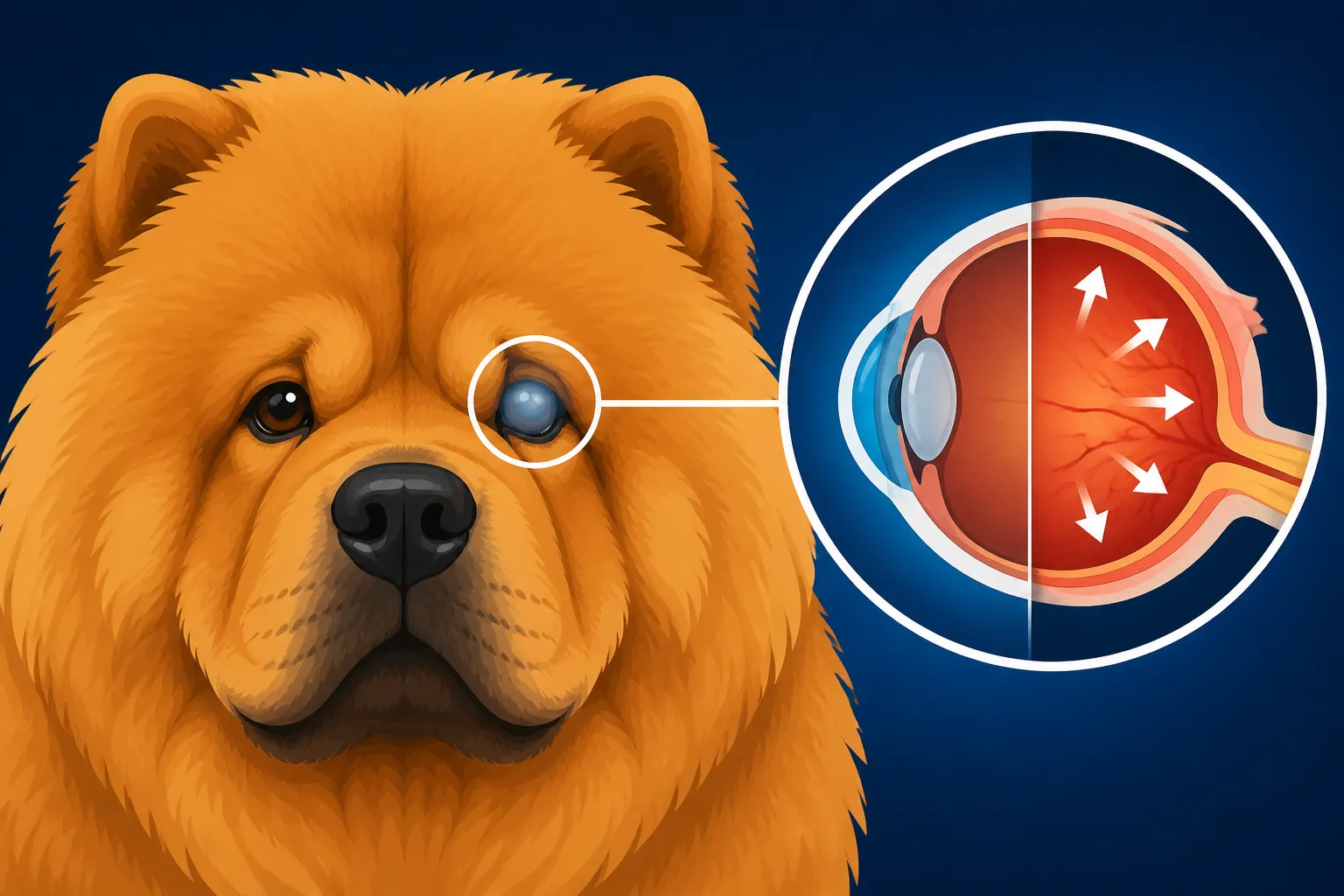
When intraocular pressure remains elevated, it directly compresses the tiny blood vessels that supply oxygen and nutrients to the retina and optic nerve. This compression cuts off their vital blood supply, leading to a cascade of cellular damage and death. Nerve fibers begin to wither and die, and once this damage occurs, it is irreversible. The optic nerve can swell, and its delicate fibers can be irreversibly crushed, severing the connection between the eye and the brain. This is the direct cause of vision loss and blindness in glaucoma patients, and tragically, once these nerve cells are gone, they cannot regenerate. This is why a prompt diagnosis and treatment are critical to try and save any remaining sight.
Changes to the Cornea: Hazy Appearance and Pain
The cornea is the clear, dome-shaped front surface of the eye, akin to a window. It needs to be perfectly transparent for light to enter and focus properly on the retina. In a healthy eye, the cornea is maintained in a state of relative dehydration, which is essential for its clarity. However, when intraocular pressure rises significantly due to glaucoma, this delicate balance is disrupted.
The increased pressure forces fluid into the corneal tissue, causing it to swell. This swelling is known as corneal edema. When the cornea becomes edematous, it loses its beautiful transparency and starts to appear cloudy, hazy, or even a milky blue. This haziness doesn't just look alarming; it severely interferes with vision by scattering light and making it difficult for the dog to see clearly. Moreover, the stretching and swelling of the cornea can be incredibly painful, contributing to the intense discomfort your Chow Chow will experience during a glaucoma attack. This corneal cloudiness is often one of the first visually obvious signs to owners that something is seriously wrong.
Lens Luxation and Other Secondary Complications
The initial damage from glaucoma can, unfortunately, lead to a host of other serious secondary complications within the eye, making an already dire situation even worse. One significant issue is lens luxation or subluxation. The lens, normally held in place by tiny ligaments, can be displaced or dislodged from its proper position due to the intense internal pressure. If the lens moves forward, it can completely block the drainage angle, exacerbating the glaucoma and making treatment even more challenging. If it moves backward, it can still cause inflammation and further damage.
Beyond lens problems, sustained high pressure can also lead to other devastating issues such as retinal detachment, where the light-sensitive retina separates from its underlying support structures, causing immediate and complete blindness in that eye. Chronic inflammation, cataract formation (clouding of the lens), and even changes to the size and shape of the eyeball itself (buphthalmia, an enlarged eye) can occur with long-standing or untreated glaucoma. These secondary conditions underscore the importance of aggressive and timely intervention, as the longer the pressure remains high, the more widespread and irreparable the damage becomes.
Recognizing the Red Flags: Signs and Symptoms
One of the greatest challenges with glaucoma in Chow Chows is that its early signs can be incredibly subtle, easily mistaken for minor irritation or even overlooked entirely. Their stoic nature and deep-set eyes can further mask discomfort, making it crucial for owners to be vigilant and know what to look for.
Subtle Early Indicators That Are Easy to Miss
Before an acute crisis hits, your Chow Chow might exhibit very subtle signs that something isn't quite right with their eye. These can be fleeting and might come and go, making them difficult to pinpoint. You might notice a slight squinting, almost as if they're bothered by bright light – a condition called photophobia. They might blink more frequently, or perhaps rub at their eye with a paw or against furniture, trying to alleviate an unknown discomfort.
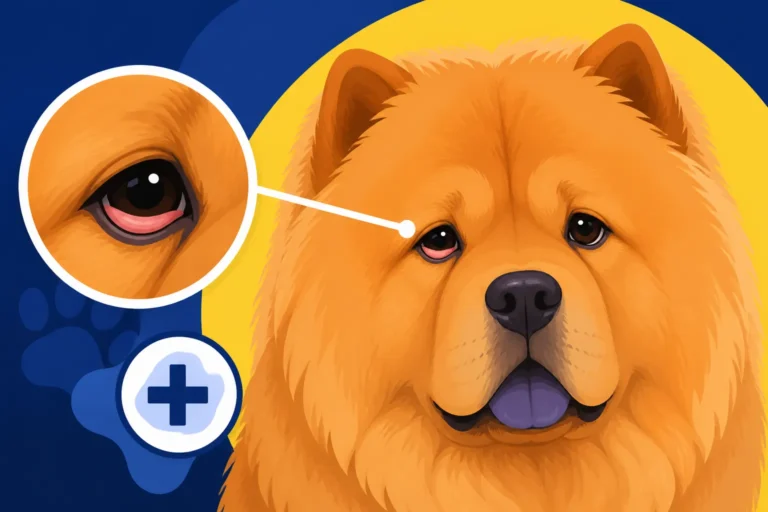
The eye might appear slightly watery, with a clear discharge, which can easily be dismissed as allergies or dust. Sometimes, you might catch a glimpse of mild redness in the whites of the eye or around the eyelid margins. The pupil might seem just a touch more dilated in one eye compared to the other, or less responsive to light. Because these signs are often vague and can mimic so many other minor issues, it’s easy for even the most attentive owner to miss them or attribute them to something less serious. This is precisely why regular veterinary check-ups, including thorough eye exams, are so important for a predisposed breed like the Chow Chow. For a deeper dive, check out Signs a Chow Chow Has Glaucoma.
Acute Crisis: Unmistakable Warning Signs
While the early signs can be tricky, an acute glaucoma attack often presents with unmistakable, severe symptoms that demand immediate attention. This is when the pressure has spiked dangerously, and your Chow Chow will likely be in significant pain. You might observe a sudden onset of severe discomfort, which could manifest as yelping, pawing at the eye relentlessly, rubbing their head against the ground, or even pressing their head into corners. They might become withdrawn, refuse to eat, or appear lethargic due to the intense pain.
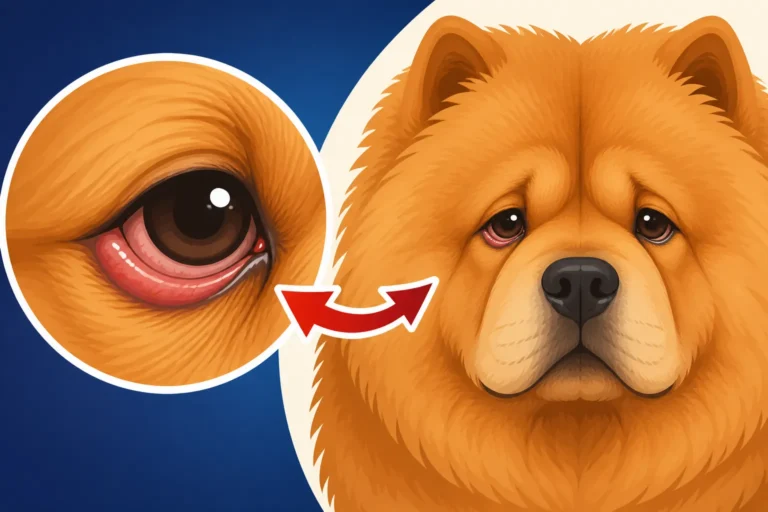
Visually, the affected eye will show dramatic changes. The pupil will often be widely dilated and unresponsive to light, giving the eye a dark, almost vacant look. The white part of the eye (sclera) will be noticeably red and inflamed, often referred to as "red eye." Critically, the cornea, that clear front surface, will take on a cloudy, bluish, or even hazy appearance due to the corneal edema we discussed earlier. In some severe cases, the entire eyeball might appear enlarged or bulging compared to the other eye. If you see any combination of these acute signs, consider it a dire emergency and seek veterinary care immediately.
Monitoring Your Chow Chow's Eyes at Home
Given the Chow Chow's predisposition and the rapid, devastating nature of glaucoma, it falls to us as owners to be incredibly diligent in monitoring their eye health. Make it a routine practice to gently examine your Chow Chow's eyes daily. Choose a quiet moment when they are relaxed, perhaps during a cuddle session. Gently lift their eyelids and look closely.
Pay attention to:
- Clarity: Is the cornea perfectly clear, or does it look hazy, cloudy, or bluish?
- Color: Are the whites of the eyes bright white, or are they red and inflamed?
- Pupils: Are both pupils the same size? Do they react equally to light?
- Behavior: Is your Chow Chow squinting, blinking excessively, pawing at their eye, or showing any signs of pain or discomfort?
- Symmetry: Most importantly, compare both eyes. Often, early glaucoma might affect one eye first, making subtle differences between the two a critical clue.
It's also a good idea to ensure your Chow Chow receives Whether a Chow Chow Needs a Yearly Eye Exam. If you spot any of the subtle or acute signs, even if you're not sure, don't hesitate. Call your vet right away. A quick phone call could literally save your Chow Chow's sight.
The Race Against Time: How Fast Glaucoma Blinds a Chow Chow
The urgency of glaucoma cannot be overstated. It's often referred to as an ophthalmological emergency for a very good reason: time is literally vision. Every hour that intraocular pressure remains elevated, more damage occurs, bringing your Chow Chow closer to irreversible blindness.
The Rapid Progression of Blindness
This is the hard truth about acute glaucoma in Chow Chows: without immediate and aggressive treatment, vision can be completely lost in the affected eye within a matter of hours to a few days. We're not talking weeks or months here; it's a critically short window. The delicate cells of the retina and the fibers of the optic nerve cannot withstand sustained high pressure for long. They are starved of blood flow and literally crushed, leading to their rapid destruction.
Imagine a sudden, brutal blow to the head – that's essentially what the internal eye structures are experiencing. This rapid progression is what makes glaucoma so terrifying and why it's categorized as a true emergency. If you suspect glaucoma, delaying even for a few hours to "see if it gets better" can mean the difference between saving some vision and losing it entirely. Owners must understand that the longer they wait, the higher the likelihood of permanent blindness. You can explore How Fast Glaucoma Blinds a Chow Chow for more detail on this critical timeline.
The High Risk to the Second Eye
One of the most disheartening aspects of Primary Angle-Closure Glaucoma in Chow Chows is its typically bilateral nature, meaning it will eventually affect both eyes. Even if only one eye shows symptoms first, the underlying anatomical predisposition is usually present in both. While the "unaffected" eye might seem fine, it is often simply a matter of time before it, too, succumbs to the same pressure build-up.
This means that while your vet is scrambling to save the vision in the acutely affected eye, they will also be very concerned about the long-term health of the second eye. Often, prophylactic (preventative) treatment with eye drops is started in the healthy eye to try and delay or prevent the onset of glaucoma. However, despite these efforts, How Often a Chow Chow Loses the Second Eye due to the inherent genetic predisposition. This makes managing a Chow Chow with glaucoma a continuous and challenging journey, even after the initial crisis in one eye has been addressed.
Irreversible Damage: Why Early Intervention is Key
It bears repeating: the damage caused by glaucoma, particularly to the optic nerve, is irreversible. Once those nerve fibers are destroyed, they are gone forever. This is why early intervention isn't about restoring lost vision; it's about preserving whatever remaining vision your Chow Chow still has at the time of diagnosis. Think of it as hitting the brakes to stop a car from going over a cliff – you can stop the car, but you can't magically put back the part that's already fallen.
The primary goal of emergency treatment is to rapidly lower the intraocular pressure to a safe level, thereby halting the progression of nerve damage. While some initial haziness of the cornea might resolve, and the eye might become less painful, any vision already lost due to optic nerve atrophy cannot be regained. This sobering fact underscores the absolute necessity of taking every subtle sign seriously and seeking immediate veterinary attention at the slightest suspicion of glaucoma. Every minute counts when it comes to preserving your Chow Chow's precious eyesight.
Diagnosis and Management: What to Expect at the Vet
Facing a potential glaucoma diagnosis can be terrifying, but knowing what to expect at the veterinary clinic can help you navigate this stressful time more effectively. The veterinarian's focus will be on confirming the diagnosis, rapidly reducing the pressure, and developing a long-term management plan.
Measuring Intraocular Pressure
When you arrive at the vet with concerns about your Chow Chow's eye, the very first and most crucial diagnostic step will be measuring the intraocular pressure (IOP). This is typically done using a device called a tonometer. There are a few different types, but they all work by gently touching the surface of the cornea to measure the resistance, which correlates to the internal pressure. This procedure is quick, usually painless (a topical anesthetic drop is often applied first), and your vet will be able to give you an immediate reading. For more information on this vital diagnostic tool, look up How a Chow Chow's Eye Pressure Is Measured.
Normal IOP in dogs typically ranges from 10-25 mmHg. A reading significantly higher than this, especially when accompanied by other clinical signs, is a strong indicator of glaucoma. This measurement is critical not only for diagnosis but also for monitoring the effectiveness of treatment. Your vet will likely compare the readings of both eyes, as even a subtle difference can be significant, especially in a breed predisposed to bilateral disease. This simple test is the cornerstone of a glaucoma diagnosis.
Treatment Goals: Reducing Pressure and Preserving Vision
Once glaucoma is diagnosed, the immediate treatment goal is to rapidly reduce the intraocular pressure to a safe level. This is often an emergency situation requiring intensive care. Your veterinarian or veterinary ophthalmologist will likely start with a combination of medications:
- Topical eye drops: These can include prostaglandin analogs (like latanoprost), which increase fluid outflow, or carbonic anhydrase inhibitors (like dorzolamide), which decrease fluid production.
- Systemic medications: Oral or injectable medications, such as diuretics like mannitol, may be given to rapidly draw fluid out of the eye in acute crises.
These medications are critical for bringing down the pressure, but they are often not a permanent fix, especially for primary angle-closure glaucoma. In many cases, surgical intervention is considered to create alternative drainage pathways or reduce fluid production. Procedures might include laser cyclophotocoagulation, which uses a laser to destroy some of the cells that produce aqueous humor, or the implantation of a drainage shunt (gonioimplant) to allow fluid to exit the eye. The choice of treatment depends on the severity of the glaucoma, the response to medical therapy, and the prognosis for vision. These treatments can be costly, and this is where having pet insurance like Healthy Paws can truly make a difference, helping to cover the often significant expenses associated with emergency and long-term glaucoma management.
Long-Term Care and Prognosis
Managing glaucoma in a Chow Chow is typically a lifelong commitment. Even after initial stabilization and potential surgery, most dogs will require ongoing daily eye drops to keep the pressure under control. Regular recheck appointments with a veterinary ophthalmologist are essential to monitor IOP in both eyes, assess vision, and adjust medications as needed. These follow-up appointments, as well as the daily medications, contribute to the overall What a Chow Chow's Eye Exams Cost a Year and What Glaucoma Treatment Costs a Chow Chow Owner.
The prognosis for vision varies greatly depending on how quickly the glaucoma was diagnosed and treated, and how responsive the eye is to therapy. Unfortunately, despite best efforts, some Chow Chows will eventually lose vision in one or both eyes. This can be devastating for owners, but it's important to remember that blind dogs can still lead full and happy lives. They adapt remarkably well, relying more on their other senses. Creating a safe, predictable environment at home, avoiding moving furniture, and using scent cues can help a Chow Chow adjust to their new reality. While it's a difficult journey, with dedicated care and proactive management, you can still ensure your Chow Chow enjoys a good quality of life, even if they must How a Chow Chow Adjusts to One Eye.
| Symptom | Healthy Eye | Glaucomatous Eye | Urgency Level |
|---|---|---|---|
| Intraocular Pressure (IOP) | Normal (10-25 mmHg) | Elevated (>25 mmHg, often much higher) | EMERGENCY |
| Cornea | Clear, transparent | Cloudy, hazy, bluish (corneal edema) | HIGH |
| Pupil Size | Responsive to light, constricts | Often dilated, fixed, unresponsive to light | HIGH |
| Sclera (White of Eye) | White, minimal redness | Red, inflamed, bloodshot | HIGH |
| Behavior | Normal, comfortable | Squinting, pawing, rubbing, head pressing, pain | EMERGENCY |
| Vision | Normal | Impaired, dim, or complete loss | EMERGENCY |
| Eye Size | Normal | May appear enlarged or bulging | HIGH |
Disclaimer
The information provided in this article is for educational purposes only and is not a substitute for professional veterinary advice. If you suspect your Chow Chow has glaucoma or any other health issue, please consult with your veterinarian or a veterinary ophthalmologist immediately. Early diagnosis and treatment are critical for managing glaucoma and preserving your dog's vision.