What Home Grooming Equipment Costs for a Chow Chow
Bringing a Chow Chow into your life is an incredible joy, but many new owners quickly realize that keeping that magnificent double coat in tip-top condition is a significant commitment. The truth is, without the right home grooming equipment, you’re in for a frustrating, matted mess – and potentially hefty professional grooming bills. This guide will walk you through the essential tools you’ll need and what they generally cost, so you can confidently tackle your Chow Chow's grooming from the comfort of your home.
Understanding Your Chow Chow's Coat and Grooming Needs
Before we dive into specific tools, it’s crucial to truly understand the unique challenges and requirements of a Chow Chow's coat. This isn't just about aesthetics; proper coat care is fundamental to their health and comfort. Neglecting it can lead to painful mats, skin infections, and even overheating.
The Double Coat Dilemma: Rough vs. Smooth
Chow Chows come in two distinct coat types: rough and smooth. While both possess that characteristic dense double coat, their grooming demands differ. The rough coat is what most people picture – a thick, profuse outer coat with a soft, woolly undercoat, often forming a majestic mane around the head and shoulders, and heavy feathering on the legs and tail. It's truly a sight to behold, but it's also a magnet for mats. These coats trap dirt, debris, and loose undercoat like nobody's business, and if not meticulously maintained, they can quickly become felted, causing discomfort and even skin issues.
On the other hand, the smooth coat is shorter, denser, and lacks the long feathering and prominent ruff of its rough-coated counterpart. While it might seem like a "low-maintenance" option, don't be fooled. A smooth-coated Chow Chow still has that dense double layer that sheds profusely and can mat, especially in friction areas like behind the ears, under the legs, and where a harness or collar sits. Many owners assume the smooth coat is easier, and in some ways it is, but it still demands regular attention to prevent problems. Regardless of the coat type, the goal remains the same: keep the undercoat clear of dead hair and the skin healthy.
Why Regular Grooming Isn't Optional
For a Chow Chow, grooming isn't a luxury; it's a necessity. Their dense double coat acts as insulation, keeping them warm in winter and helping to regulate their body temperature in summer – if it's properly maintained. When the dead undercoat isn't removed, it forms a thick, felt-like barrier that traps heat, prevents air circulation, and creates a breeding ground for bacteria and parasites. This is especially critical during warmer months, as a matted coat significantly increases the risk of overheating.
Beyond the obvious comfort issues, neglected coats can lead to serious health problems. Skin infections, hot spots, and painful pulling on the skin from tight mats are all common occurrences for Chows who don't receive consistent grooming. Imagine wearing a heavy, dirty blanket that constantly pulls at your skin – that's what a matted coat feels like to your beloved companion. Establishing a regular grooming routine early on will not only keep your Chow Chow comfortable and healthy but also strengthen your bond, making handling much easier for future vet visits and care.
The "Coat Blow" and What It Means for Your Wallet
Perhaps the most daunting aspect of Chow Chow grooming is the infamous "coat blow." This is when your Chow Chow sheds their entire undercoat, typically twice a year (spring and fall), in preparation for seasonal temperature changes. And let me tell you, it's not for the faint of heart. You'll find tumbleweeds of Chow Chow fur everywhere – on your furniture, your clothes, your food, and in every corner of your home. During a coat blow, the amount of loose hair coming off your dog is astronomical, and if you don't keep up with it, mats will form with astonishing speed and tenacity.
This period demands daily, sometimes even twice-daily, intense brushing sessions. If you're relying on professional groomers, prepare for your bills to skyrocket during these times. Groomers charge more for matted dogs and for the extra time and product required to de-shed a blowing coat. This is where having your own effective grooming equipment really pays off, allowing you to manage the bulk of the shedding at home and potentially reduce the frequency or cost of professional visits. The initial investment in quality tools might seem steep, but it quickly recoups itself when you consider the alternative.
Essential Brushing Tools: Your First Line of Defense
Brushing is the cornerstone of Chow Chow coat care. You can't just lightly brush the top coat; you need tools that can penetrate that dense outer layer and get right down to the skin to remove the soft, shedding undercoat. Without the right brushes, you'll simply be skimming the surface, leaving all the problems hidden underneath.
The Mighty Slicker Brush
The slicker brush is your primary weapon against mats and shedding. It features a flat or slightly curved head covered with fine, short, angled wires. These wires are designed to detangle and remove loose hair from both the topcoat and the undercoat, especially effective on the longer rough coat. When choosing a slicker, look for one with sturdy, yet flexible, pins that have rounded tips to prevent scratching your dog's skin.
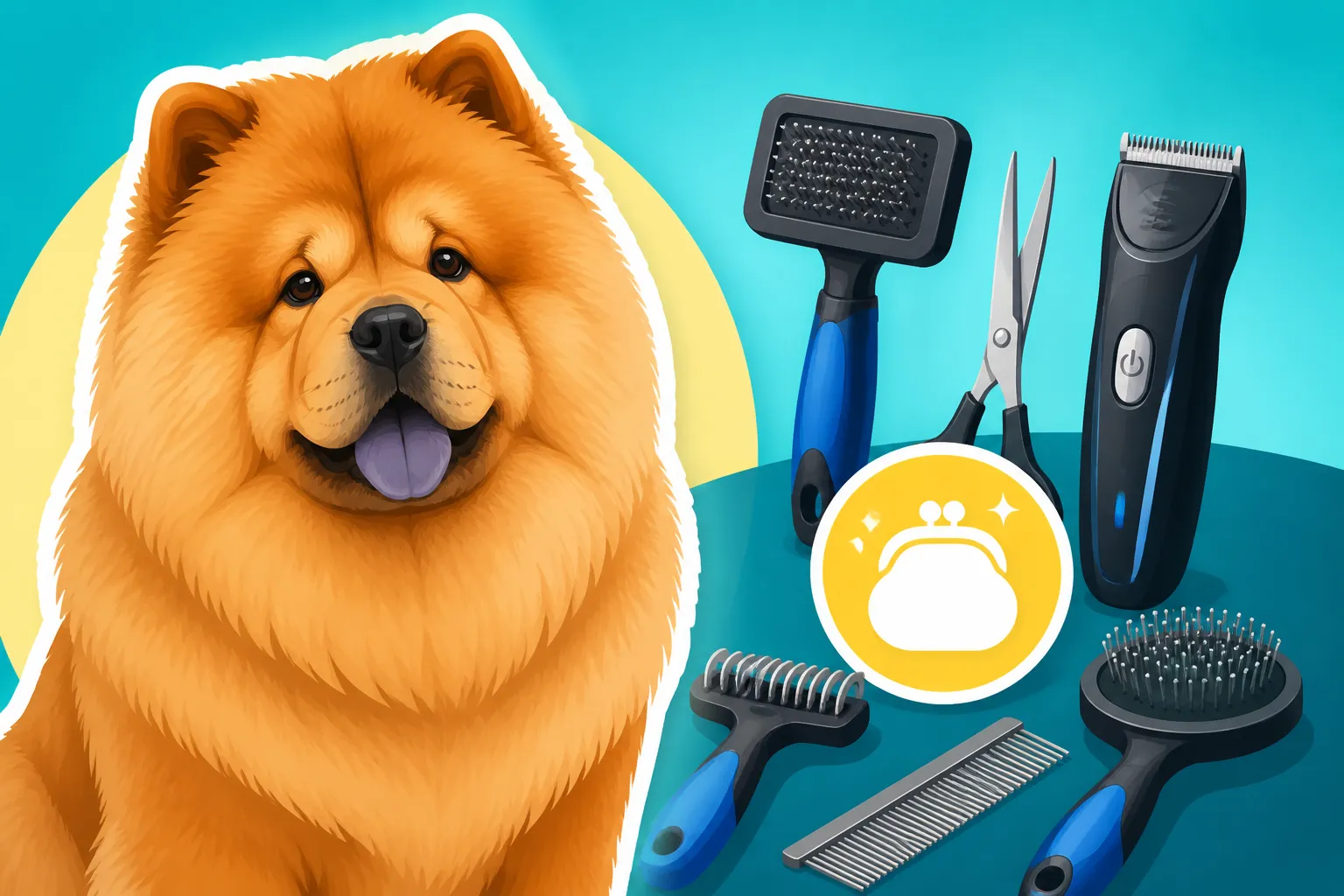
You'll use the slicker brush in conjunction with a technique called "line brushing" to ensure you're reaching the skin. This involves parting the coat and brushing in small sections, working your way through the entire dog. Depending on the size of your Chow Chow and the density of their coat, a good quality slicker brush can range from about $15 to $40. It's one of those tools where spending a little more upfront can make a big difference in effectiveness and longevity. Regular, thorough use of a slicker brush is vital, especially if you want to avoid expensive trips to the groomer for dematting.
Undercoat Rakes: Getting Down to Business
While a slicker brush is great for general detangling and shedding, an undercoat rake is specifically designed to dive deep into that dense undercoat and pull out loose, dead hair that the slicker might miss. These tools typically have one or two rows of long, widely spaced teeth that resemble a small garden rake. They are invaluable during a coat blow or for Chows with particularly thick undercoats. The design allows the teeth to penetrate the outer guard hairs and gently rake through the softer undercoat.
Using an undercoat rake can significantly reduce shedding around your home and prevent those stubborn, painful mats from forming close to the skin. It’s particularly effective on the body, hips, and mane where the undercoat is thickest. When selecting an undercoat rake, ensure the teeth are blunt-ended to avoid irritating or scratching your Chow Chow's skin. You can expect to pay anywhere from $20 to $50 for a high-quality undercoat rake. This tool is absolutely essential for managing the sheer volume of shedding hair a Chow Chow produces. You can read more about what specifically these tools cost in our article on What an Undercoat Rake for a Chow Chow Costs.
Combs for Detail Work and Dematting
A sturdy metal comb, often called a Greyhound comb, is indispensable for a Chow Chow. It's not for general brushing, but for checking your work, getting into those tricky spots, and carefully teasing out minor tangles. A good metal comb will have teeth of varying widths – wider teeth for starting on tangles and finer teeth for finishing and ensuring the coat is completely clear. You use the comb after you've used your slicker brush and undercoat rake, to confirm that you can smoothly comb through the coat from skin to tip with no snags. If the comb catches, you know you still have some work to do with your other tools.
Beyond general checking, these combs are crucial for sensitive areas like behind the ears, armpits, and the "britches" (the long hair on the back of their thighs) where mats tend to form quickly and tight to the skin. A smaller face comb can also be useful for delicately tidying the hair around their eyes and muzzle, being extra careful not to poke them. A quality metal comb typically costs between $10 and $25. It’s an inexpensive tool that plays a critical role in thorough grooming and spotting problems before they become major issues.
Bathing & Drying Equipment: More Than Just Shampoo
Bathing a Chow Chow isn't like bathing a short-haired dog. Their dense double coat repels water, takes ages to get thoroughly wet, and even longer to dry. Without the right approach and equipment, you risk leaving dampness trapped against the skin, leading to hot spots or skin infections. This is one area where proper tools aren't just convenient; they're vital for your dog's health.
Shampoos and Conditioners: Choosing Wisely
Selecting the right shampoo and conditioner for your Chow Chow is more important than you might think. You need products that are gentle, pH-balanced for dogs, and designed to penetrate a thick coat without stripping natural oils. Avoid human shampoos, which can irritate their skin. Many Chow Chow owners opt for de-shedding shampoos and conditioners, especially during a coat blow, as these formulas are designed to help release dead undercoat, making the drying and brushing process easier. Hypoallergenic options are also a good choice for dogs with sensitive skin or allergies.
The cost of dog shampoo and conditioner can vary significantly, from around $10 for a basic bottle to $30-$50 for professional-grade, concentrated formulas. While the initial cost of a larger, higher-quality bottle might be more, many are concentrated, meaning they last longer. Consider brands available on platforms like Chewy for a wide selection. When bathing, you'll likely need to dilute the shampoo to help it penetrate the thick coat more effectively. Remember, what a Chow Chow needs is a shampoo that cleans thoroughly but gently. You can find more specific advice in our article Which Shampoo Suits a Chow Chow's Coat.
High-Velocity Dryers: A Non-Negotiable Investment
Let me be blunt: you cannot effectively dry a Chow Chow's double coat with a human hairdryer. It simply doesn't have the power to blast air through the dense layers, and it gets too hot, risking skin burns. A high-velocity dryer, sometimes called a forced-air dryer or pet blaster, is arguably the single most important piece of bathing equipment you'll buy for your Chow Chow. This tool uses powerful, cool or slightly warm air to literally blow the water out of the coat, drying it quickly and efficiently.
Beyond just drying, a high-velocity dryer is also an incredible de-shedding tool. The force of the air helps to push out huge amounts of loose undercoat, especially during a coat blow, which significantly reduces brushing time later. Using it regularly can actually cut down on overall shedding in your home. These dryers typically range from $100 to $300 or more, depending on power, features, and brand. While it's a significant investment, it is absolutely essential for proper Chow Chow grooming and will save you countless hours and prevent potential skin issues. Many owners initially balk at the price, but once they use one, they understand its value. For more on this, check out What a High Velocity Dryer Costs a Chow Chow Owner.
The Bathtub, the Hose, and Beyond
Where you bathe your Chow Chow can be as important as how. For many, the family bathtub is the go-to, but it can be a back-breaking experience trying to lift and maneuver a large, often stubborn, dog while trying to soak through that dense coat. Consider investing in a detachable shower sprayer or a utility sink sprayer, which provides better water pressure and control than a typical shower head, making it easier to penetrate the Chow Chow's thick fur.
Some owners opt for outdoor bathing during warmer months, using a garden hose with a spray nozzle. Just be mindful of water temperature – cold water can be a shock, and hot asphalt can be dangerous for their paws. A non-slip mat for the tub or shower is also a must-have to keep your Chow Chow stable and prevent slips and falls. While the tub or hose setup might not have an explicit "cost" if you already own it, ensuring you have the right accessories, like a sturdy leash tether to keep them in place, is part of the overall investment. Making the bathing environment safe and efficient will make the whole process less stressful for both of you.
Nail Care & Finishing Touches: Small Tools, Big Impact
Grooming a Chow Chow goes beyond just the coat. Their nails, ears, and even their face folds need regular attention to prevent discomfort, pain, and potential infections. These smaller tasks might seem minor, but neglecting them can lead to significant problems down the line.
Clippers vs. Dremels: Which to Choose
Keeping your Chow Chow's nails trimmed is crucial for their comfort and long-term joint health. Overgrown nails can be painful, cause splayed feet, and even lead to orthopedic problems. When it comes to trimming, you have two main options: traditional clippers or a Dremel-style rotary tool. Clippers are straightforward – you simply snip off the tip of the nail. They come in scissor-style or guillotine-style. The challenge with clippers and Chows is their naturally dark nails, which make it hard to see the quick (the blood vessel and nerve), increasing the risk of cutting too short and causing pain and bleeding.
A Dremel, or nail grinder, files the nail down slowly. This method allows for more control and makes it easier to avoid the quick, especially with dark nails. It also creates a smoother, blunter nail edge. Many Chows, however, are wary of the sound and vibration of a Dremel, so early desensitization is key. Clippers typically cost $10-$30, while a pet-specific Dremel can range from $30-$80. If your Chow Chow is sensitive to their paws being handled, a Dremel might be less stressful in the long run, but it requires patience to introduce. You'll also need styptic powder on hand, regardless of your chosen method, to quickly stop any accidental bleeding. Our article on What Nail Trims Cost on a Chow Chow delves deeper into these choices.
Ear and Eye Cleaning Supplies
Chow Chows, with their deep-set eyes and sometimes heavy face folds, can be prone to eye and ear issues if not regularly cleaned. Their naturally small, rounded ears, often hidden within their dense fur, can trap moisture and debris, making them susceptible to ear infections. You'll want a gentle, veterinarian-approved ear cleaner and cotton balls or soft wipes. Never use cotton swabs inside the ear canal, as you can inadvertently push debris deeper or damage the eardrum. Simply clean the visible parts of the ear and around the opening.
For their eyes and face folds, which can accumulate tear stains and moisture, soft, lint-free cloths or specialized pet eye wipes are ideal. Gently wipe around their eyes to remove any discharge and ensure the folds are kept dry and clean to prevent irritation or skin fold dermatitis. These supplies are relatively inexpensive, usually costing $5-$15 for a bottle of cleaner or a pack of wipes. Regular, gentle cleaning in these areas can prevent discomfort, infection, and expensive vet visits down the road.
The Grooming Table: Saving Your Back and Your Dog
While not strictly "essential" in the same way a brush or dryer is, a grooming table is a fantastic investment that significantly improves the home grooming experience for both you and your Chow Chow. Trying to groom a large dog on the floor or on a wobbly surface is not only hard on your back but also makes it difficult to maintain control and ensure your dog's safety. A grooming table elevates your Chow Chow to a comfortable working height, allowing you to access all parts of their body easily.
Most grooming tables come with a grooming arm and loop, which gently secures your dog in place, preventing them from jumping off or constantly moving around. This makes brushing, drying, nail trims, and other tasks much safer and more efficient. Grooming tables range widely in price, from around $80 for a basic, portable model to several hundred dollars for professional-grade hydraulic or electric tables. For the average home groomer, a sturdy, foldable table around the $100-$200 mark is usually sufficient. It truly transforms the grooming process from a wrestling match into a manageable task, reducing stress for both of you and making those long grooming sessions more tolerable.
The Long-Term Investment: Costs Beyond the Initial Purchase
Grooming a Chow Chow at home isn't just about the initial outlay for tools; it's a long-term commitment that involves ongoing costs, time, and dedication. Understanding these deeper aspects will help you truly gauge the value of investing in your own grooming setup.
Replacement Costs and Maintenance
Like any tools, grooming equipment wears out over time and needs maintenance or replacement. Slicker brush pins can bend, undercoat rake teeth can dull, and clipper blades get blunt. High-velocity dryers may need filter cleaning or occasional servicing. You'll periodically need to replace grooming products like shampoos, conditioners, ear cleaners, and wipes. For tools with blades, like clippers, you might consider having them professionally sharpened, which is often more cost-effective than replacing the entire tool.
Factor in these ongoing costs, which might average $50-$100 annually, depending on how heavily you use your equipment and how well you maintain it. Regular cleaning of your brushes and combs will extend their life, and proper storage will prevent damage. For instance, keeping your undercoat rake clean after each use will prevent fur buildup from dulling its effectiveness. Platforms like Chewy offer auto-ship options for recurring product purchases, which can sometimes save you a bit of money and ensure you never run out.
Time Investment vs. Professional Grooming Savings
This is where the real cost-benefit analysis comes in. Owning your own grooming equipment requires a significant time investment. A thorough home grooming session for a Chow Chow, especially during a coat blow, can easily take 2-4 hours, or even longer for complex situations like significant matting. You'll need to dedicate time weekly, or even daily, for brushing, plus regular baths and nail trims. Our article, How Long Home Grooming a Chow Chow Takes Weekly, provides a good overview.
However, consider the alternative: professional grooming. Depending on your location and your Chow Chow's coat condition and temperament, a full professional groom can cost anywhere from $80 to $200 per session, sometimes more if significant de-matting or special handling is required. If your Chow Chow needs grooming every 4-8 weeks, those costs add up dramatically over their 8-12 year lifespan. By investing in home grooming equipment and dedicating the time, you can save hundreds, if not thousands, of dollars annually. It's a trade-off: your time for your money. For many Chow Chow owners, the savings and the bond built during grooming make the time investment well worth it.
The Value of Comfort and Confidence
Beyond the purely financial aspects, there's immense value in the comfort and confidence that comes with home grooming. You know your Chow Chow best – their quirks, their sensitive spots, and their tolerance levels. This allows you to tailor the grooming experience to be as stress-free as possible. Introducing tools gradually, using positive reinforcement, and working in short, pleasant sessions can make grooming a positive experience rather than a dreaded chore. This familiarity often translates to less stress for your dog, reducing anxiety during future handling, whether at home or at the vet.
Furthermore, being proficient in home grooming means you can address minor issues immediately, preventing them from escalating. A small tangle caught early is easily brushed out; a developing mat left for weeks becomes a painful problem requiring professional intervention or even sedation. The confidence you gain in managing your Chow Chow's coat will empower you as an owner, ensuring your magnificent companion always looks and feels their best. This proactive approach to their health and comfort is, in itself, priceless.
| Grooming Tool | Typical Price Range | Primary Function | Why it's Essential for a Chow Chow |
|---|---|---|---|
| Slicker Brush | $15 – $40 | General detangling, removing loose topcoat & undercoat | Penetrates dense coat, minimizes tangles, prevents superficial brushing. |
| Undercoat Rake | $20 – $50 | Deep undercoat removal, de-shedding | Crucial for managing profuse shedding, especially during coat blows. |
| Metal Greyhound Comb | $10 – $25 | Finishing, checking for tangles, detail work | Confirms complete detangling to the skin, essential for sensitive areas. |
| High-Velocity Dryer | $100 – $300+ | Rapid drying, de-shedding | Prevents skin issues from dampness, drastically reduces drying time, aids in shedding. |
| Quality Dog Shampoo/Conditioner | $10 – $50 (per bottle) | Cleaning, conditioning coat and skin | pH-balanced, helps release undercoat, prevents skin irritation. |
| Nail Clippers/Dremel | $10 – $80 | Trimming/grinding nails | Prevents painful overgrown nails, maintains proper foot structure. |
| Grooming Table (optional but recommended) | $80 – $300+ | Elevated, stable grooming surface | Improves posture for owner, secures dog, enhances safety and efficiency. |
| Ear Cleaner/Eye Wipes | $5 – $15 (per item) | Prevent ear infections, clear tear stains | Maintains hygiene in sensitive areas prone to trapping moisture and debris. |
Disclaimer:
This article is for general informational purposes only and does not constitute professional advice. Laws, prices and regulations vary by location and change over time. Consult a qualified professional for guidance on your specific situation.