Whether Entropion Disqualifies a Chow Chow From the Ring
It’s incredibly disheartening when you’ve invested your heart and hopes into a beautiful Chow Chow puppy, dreaming of their future in the conformation ring, only to discover they might have entropion. The worry isn't just for their health and comfort, which is paramount, but also about what it means for their show career. This guide will clarify the rules and realities surrounding entropion and its impact on a Chow Chow's eligibility to compete in dog shows.
Understanding Entropion in Chow Chows
Let's start by getting a clear picture of what entropion actually is and why it's such a persistent concern within the Chow Chow breed. It's not just a minor aesthetic flaw; it's a painful condition that significantly impacts a dog's well-being.
What Entropion Means for a Chow Chow
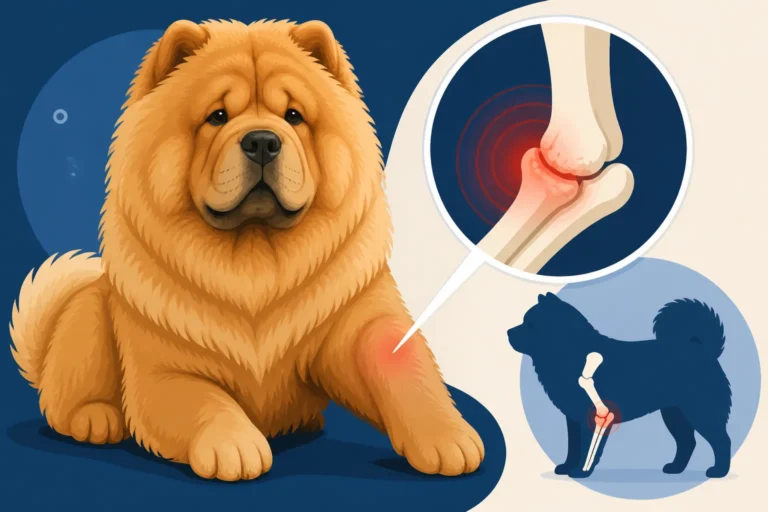
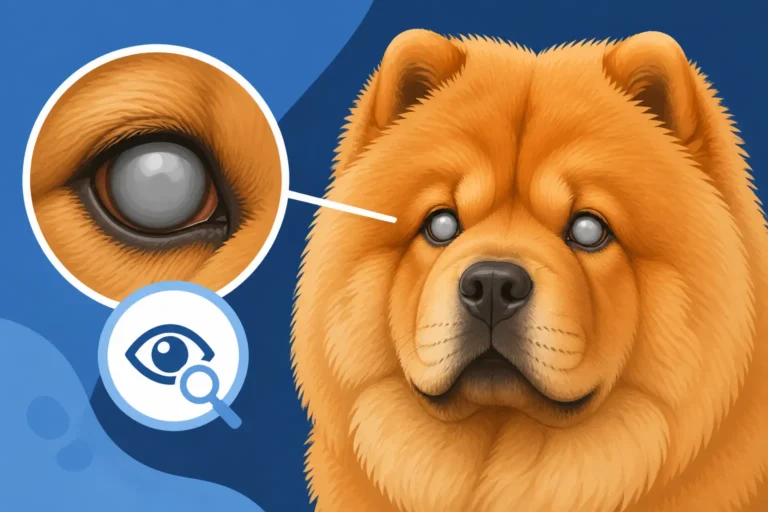
Entropion is a genetic condition where a portion of the eyelid, usually the lower one, rolls inward towards the eye itself. Imagine having your eyelashes constantly rubbing against your eyeball – that's what it feels like for a dog with entropion. For Chow Chows, this is unfortunately a relatively common issue. Their unique head structure, with those deep-set eyes and often prominent facial folds, can sometimes exacerbate the problem or contribute to the eyelids rolling inward. The constant irritation from hair rubbing on the cornea can lead to a host of secondary problems, from excessive tearing and squinting to more severe issues like corneal ulcers and even vision impairment if left untreated. Many new Chow Chow owners often wonder, "Why a Chow Chow's eyelid rolls inward" and it really comes down to this specific conformation. The problem isn't just cosmetic; it's a serious welfare concern that needs attention.
Diagnosing Entropion in a Show Prospect
Identifying entropion, especially in a young show prospect, is crucial. It often becomes apparent when a puppy is just a few months old, typically between 8 to 16 weeks of age, though it can sometimes manifest later. Signs to look for include persistent squinting, excessive tearing, redness around the eyes, or thick, mucous-like discharge. A reputable breeder will be vigilant about checking their puppies for these signs. When considering a puppy for show, a thorough examination by a veterinary ophthalmologist is highly recommended. They can accurately diagnose the condition and assess its severity. Even mild cases, where the lid only occasionally rolls in, can still cause irritation and are important to note. Remember, early detection is key, not just for potential show careers, but more importantly, for the puppy's comfort and long-term eye health. You might be surprised to learn that "How Many Chow Chows Get Entropion" is a higher number than you'd expect in some lines.
The Show Ring and Breed Standards
Dog shows, particularly conformation events sanctioned by organizations like the American Kennel Club (AKC), are designed to evaluate breeding stock against a written breed standard. This standard describes the ideal physical traits, temperament, and movement for each breed, all geared towards preserving the breed's functional purpose and health.
AKC and Other Kennel Club Standards for Eye Health
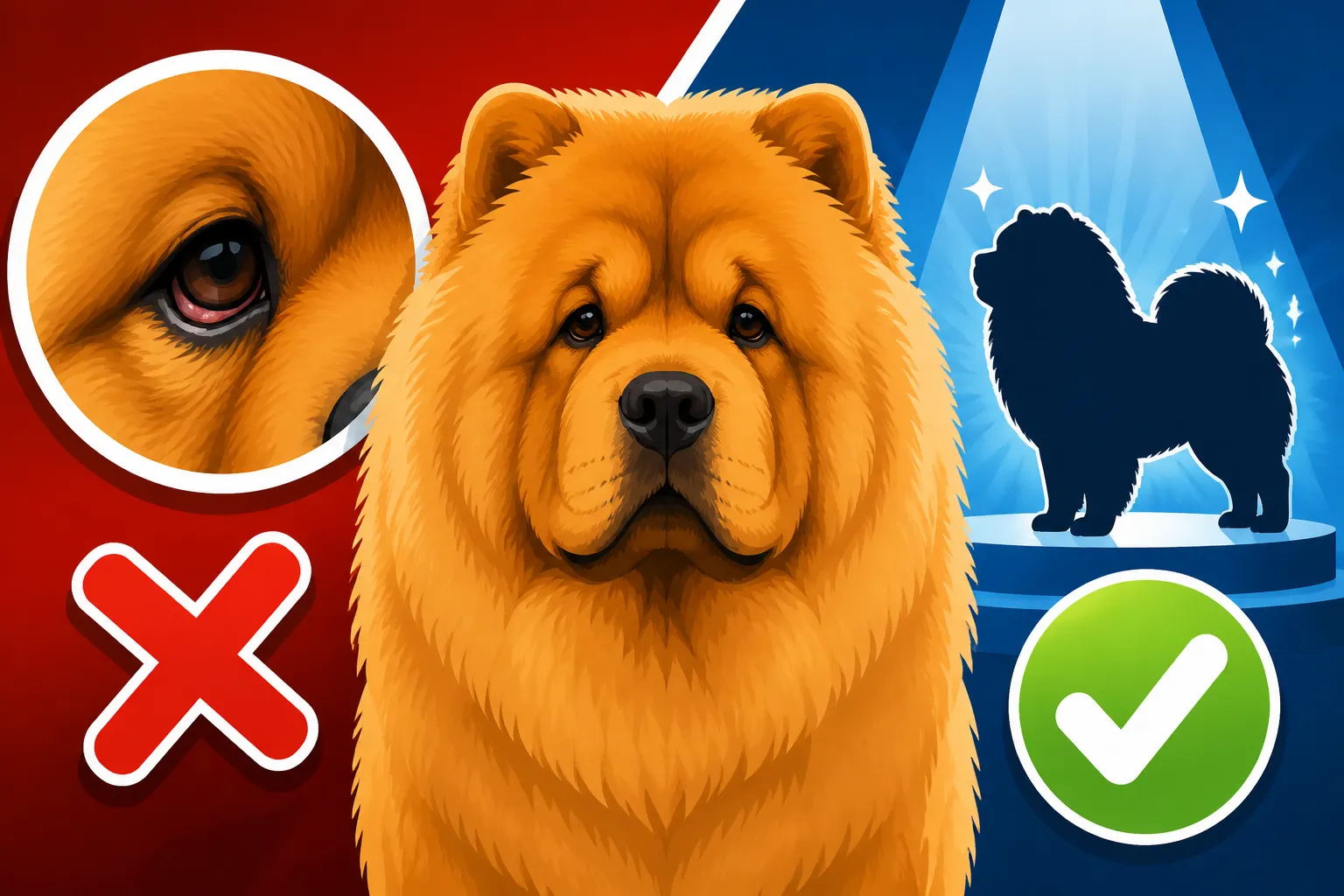
When it comes to breed standards, every detail matters, and the eyes are certainly no exception. The AKC Chow Chow breed standard, for instance, specifically describes the desired eye shape, color, and placement: "Dark brown, deep-set, oval-shaped and of medium size. Eye rims black, and should show no haw. There should be a scowl." This "scowl" is characteristic, but it should never result in entropion. Under the "Disqualifications" section for Chow Chows, the standard is unequivocally clear: "Any artificial means used to correct entropion." This means if a Chow Chow has undergone surgical correction for entropion, it is automatically disqualified from competing in AKC conformation events. Other kennel clubs around the world generally hold similar stances, prioritizing the natural, uncorrected state of a dog's health and conformation as presented in the ring. The goal is to identify and reward dogs that naturally embody the breed standard, free from inherited faults that require surgical intervention. This strict rule serves to discourage the breeding of dogs with significant genetic defects.
Why Health Is Paramount in Conformation
The focus on health in conformation shows isn't just about aesthetics; it's deeply rooted in the preservation of the breed. Conformation events are, at their heart, a selection process for future breeding animals. If dogs with inheritable health conditions that require surgery are allowed to win and become champions, it inadvertently encourages breeders to continue breeding dogs that carry these genes. This weakens the breed's overall health over generations. By disqualifying surgically corrected entropion, kennel clubs aim to steer breeders towards selecting animals that are structurally sound and healthy without intervention. This promotes responsible breeding practices, where health testing and genetic soundness are paramount. It's a tough rule for an owner with a beloved, otherwise beautiful dog, but it's in place for the greater good of the breed's long-term health. Knowing "What a Chow Chow Breeder Should Have Tested" for health is vital when choosing a puppy.
Surgical Correction and Show Ring Eligibility
This is often where the dreams of a show career meet the harsh reality of a health condition. The desire to alleviate a dog's discomfort is always the primary concern, but it does carry implications for their future in the show ring.
The Impact of Surgical Correction on Show Eligibility
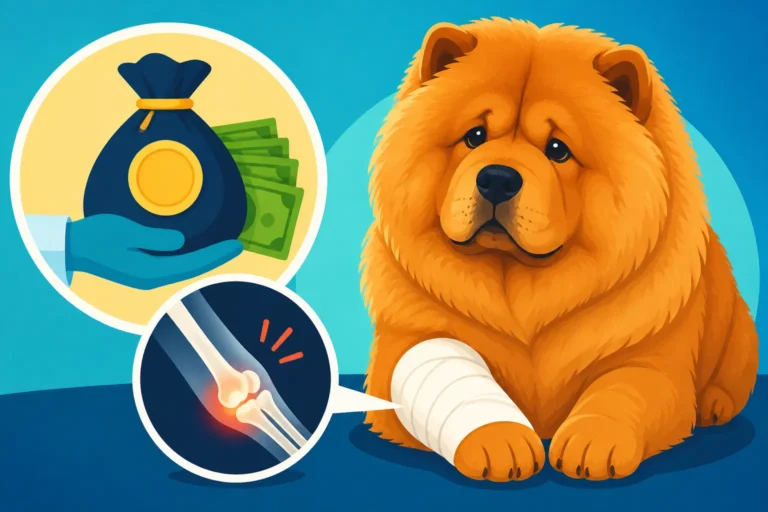
As mentioned, the AKC breed standard for Chow Chows explicitly states that "Any artificial means used to correct entropion" is a disqualification. This means if your Chow Chow requires surgical intervention to correct its entropion, even if the surgery is highly successful and the dog's eyes look perfect afterwards, it cannot compete in AKC conformation shows. This rule is in place to ensure that champions truly represent the ideal, naturally healthy specimen of the breed, discouraging the passing on of genetic predispositions that necessitate surgery. While it's a difficult pill to swallow for owners, it's a non-negotiable aspect of conformation judging. Prioritizing your dog's comfort and vision should always come first, and a healthy, happy pet is far more valuable than any ribbon. If you're exploring options, understanding "How Entropion Is Repaired in a Chow Chow" is your next step. Pet insurance providers like Healthy Paws can often help with the costs of such essential surgeries, though it's important to check their policies regarding pre-existing conditions.
Temporary vs. Permanent Fixes and Judging
Sometimes, especially in young puppies, veterinarians might recommend temporary solutions like eyelid tacking. This involves placing temporary sutures to roll the eyelid back into place as the puppy grows, hoping that the problem resolves itself as their head develops. The question then arises: does temporary tacking also disqualify a puppy? The interpretation can be nuanced. If the tacking is truly temporary, resolves the issue permanently without further surgery, and leaves no lasting evidence, it might be viewed differently than a permanent surgical correction. However, the AKC standard is quite broad ("Any artificial means"). Judges are trained to look for signs of past surgical intervention, and even subtle scarring could be noted. The safest interpretation, if showing is your absolute priority, is that any corrective procedure, even temporary, could jeopardize a show career. It's always best to consult directly with the AKC or the Chow Chow Club of America if you have a specific case, but generally, if the entropion was severe enough to require any intervention, it raises questions about natural conformation. Many puppies will also get "Eyelid Tacking" if they show signs of entropion.
Ethical Breeding and Responsible Ownership
Navigating entropion within the world of Chow Chows requires both breeders and owners to act with integrity and prioritize the well-being of the dogs.
The Breeder's Role in Preventing Entropion
Responsible breeders play a pivotal role in minimizing the incidence of entropion. They diligently screen their breeding stock, looking for any history of entropion in the parents and their pedigrees. This often involves regular veterinary ophthalmologist examinations (like those certified by the Orthopedic Foundation for Animals, OFA, or Canine Eye Registration Foundation, CERF) to ensure eyes are free from inherited diseases. They should also be transparent with potential puppy buyers about any known instances of entropion in their lines. A truly ethical breeder will never knowingly breed a dog that has had entropion requiring surgical correction, as this goes against the very principle of improving the breed's health. They understand the disappointment an owner faces when a puppy develops entropion and may even have clauses in their contracts regarding health guarantees for such conditions. This commitment to genetic health is part of what makes a breeder reputable and often justifies "What a Chow Chow Costs to Buy in 2026".
The Dilemma for Owners of Show-Quality Puppies
For an owner who has fallen in love with a potential show-quality Chow Chow puppy, the news of entropion can be devastating. You’ve pictured them in the ring, you've invested emotionally and financially, and now you're faced with a choice. The priority must always be the dog's comfort and health. Entropion is painful, and allowing it to go untreated can lead to chronic pain and serious eye damage. While it means saying goodbye to conformation ring dreams, correcting the entropion is the compassionate choice. Remember, your Chow Chow will still be a wonderful, loving companion, regardless of whether they have a show title. Many owners find immense joy in their dogs outside the show ring, whether it's through obedience, therapy work, or simply being a cherished family member. Knowing that organizations like Healthy Paws exist can alleviate some of the financial stress associated with surgery, allowing you to focus on your pet's recovery and happiness. This painful decision is one reason why it's so important to understand "Entropion Is the Chow Chow's Signature Problem" from the outset.
Show Ring Eligibility for Chow Chows with Entropion
Here’s a clear breakdown of how entropion impacts a Chow Chow’s eligibility for conformation events:
| Entropion Status | Show Ring Eligibility (AKC Conformation) | Rationale |
|---|---|---|
| No Entropion, Naturally Sound Eyes | Eligible | Meets breed standard for eye health and structure. Ideal for breeding and showing. |
| Mild Entropion (Untreated) | Disqualified (Fault) | Considered a fault under the breed standard, as it's a structural defect. |
| Severe Entropion (Untreated) | Disqualified (Fault) | A significant fault that impacts the dog's welfare and deviates from the healthy ideal. |
| Surgically Corrected Entropion (Permanent) | Disqualified (Explicit Rule) | AKC standard explicitly disqualifies "any artificial means used to correct entropion." |
| Eyelid Tacking in Puppyhood (Temporary) | Highly Questionable/Likely Disqualified | While temporary, it's still an "artificial means." Judges may observe scarring or signs of prior correction. |
| Entropion in Performance Events | Generally Eligible | Entropion typically does not disqualify from performance events (e.g., obedience, agility) as these judge ability, not conformation. |
It's important to remember that while conformation shows have strict rules, there are many other avenues to enjoy life with your Chow Chow. If your dog has had entropion surgery, they can still excel in activities that value their intelligence, athleticism, and wonderful temperament. Pet insurance, such as that offered by Healthy Paws, can be a great asset for managing the lifetime care of your dog, including any health issues that may arise, especially for breeds prone to specific conditions. Understanding "The Age Entropion Shows in a Chow Chow Puppy" can help you plan early for any necessary care.
Conclusion: Prioritizing Health Over Ribbons
Ultimately, the question of whether entropion disqualifies a Chow Chow from the ring has a straightforward answer in the world of conformation: yes, if it requires surgical correction. The rules are clear on this point, designed to uphold the health and genetic integrity of the breed. While it can be a painful realization for an owner who dreams of show success, the welfare of your beloved Chow Chow must always come first. Correcting entropion ensures your dog lives a comfortable, pain-free life, regardless of whether they ever step foot in a show ring. A healthy, happy companion is the greatest prize of all. Finding a reputable breeder who prioritizes genetic health, and being prepared for potential health issues through understanding resources like Healthy Paws, are key aspects of responsible Chow Chow ownership.
Disclaimer
The information provided in this article is for general informational purposes only and does not constitute veterinary advice. Always consult with a qualified veterinary professional for any health concerns or before making any decisions about your pet's health or treatment. Breed standards and rules for conformation shows can change, so always refer to the official documentation of the relevant kennel club for the most up-to-date information.