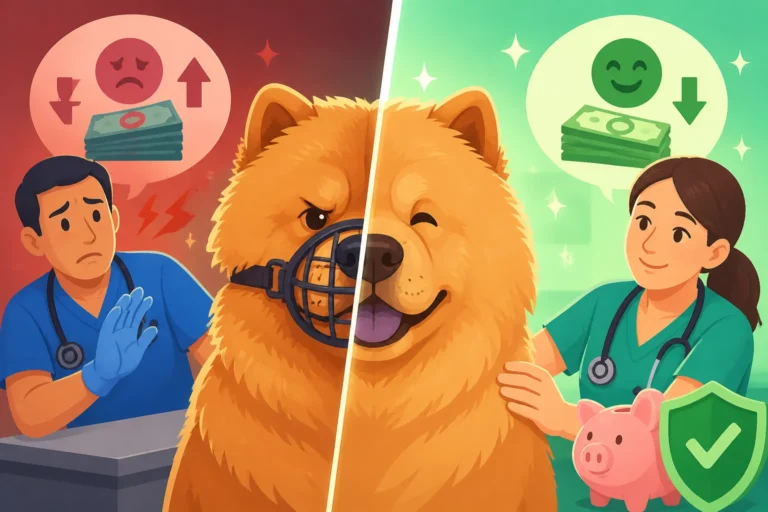
Whether Chow Chow Premiums Climb After Seven
It’s a heart-sinking moment for many Chow Chow owners when that pet insurance renewal notice lands in the mailbox, displaying a premium that seems to have leaped far higher than expected. You’ve had your beloved, stoic companion for years, and now that they're approaching or past that magical "seven-year mark," it feels like every company suddenly sees them as a ticking time bomb of veterinary bills. This guide will delve into why Chow Chow pet insurance premiums often climb significantly once your dog hits seven years old, explore the factors at play, and offer strategies to navigate these rising costs while ensuring your furry friend continues to receive the best care.
Why Age Impacts Chow Chow Pet Insurance Premiums So Dramatically
The simple, albeit frustrating, truth is that as dogs age, their likelihood of developing health issues increases significantly. Just like with human health insurance, pet insurance operates on a risk assessment model. When your Chow Chow turns seven, many insurance providers reclassify them into a "senior" or "older adult" age bracket, reflecting a higher statistical probability of claims for illnesses, chronic conditions, and age-related ailments.
For a breed like the Chow Chow, which already has some well-documented predispositions to certain health challenges, this age-related shift can feel particularly acute. Suddenly, your seemingly healthy, albeit perhaps a little slower, Chow is viewed through a lens of potential future expenses. You might feel a sense of unfairness, especially if your individual dog has been robust and healthy their entire life. But from an actuarial standpoint, the risk profile changes, and those changes are reflected in the premium. It’s a harsh reality that hits pet owners squarely in the wallet, making you wonder if you’re suddenly being penalized for having a healthy, long-lived dog.
Common Health Concerns That Drive Up Costs for Older Chow Chows
As Chow Chows mature, several health issues become more prevalent, and these are precisely the kinds of conditions that insurance companies factor into their premium calculations. Understanding these specific risks can help shed light on why your premiums are increasing. It's not just "getting old"; it's a specific set of probabilities.
Orthopedic Issues Worsen with Age
Chow Chows, with their unique straight rear legs and stilted gait, can be prone to orthopedic challenges, and these issues often become more pronounced with age. Conditions like hip and elbow dysplasia, which might have been subclinical or managed in younger years, can develop into full-blown arthritis as cartilage wears down. Elbow Dysplasia Ranks the Chow Chow Near the Top of common breed concerns. As your dog ages, the chances of needing pain management, anti-inflammatory medications, or even advanced therapies like physical rehabilitation or surgery increase. These treatments can be very expensive, and pet insurance is designed to help mitigate those costs.
For example, if your Chow Chow starts limping more frequently after a walk or has difficulty rising after a nap, it could be a sign that arthritis is setting in. While mild cases might be managed with supplements available from places like Chewy, more severe situations often require prescription medications or injections. If these conditions were diagnosed before your insurance policy was in place or during a waiting period, they might be considered pre-existing and excluded from coverage, further complicating your financial planning. This makes early and continuous coverage so crucial.
Eye Conditions Can Lead to Costly Interventions
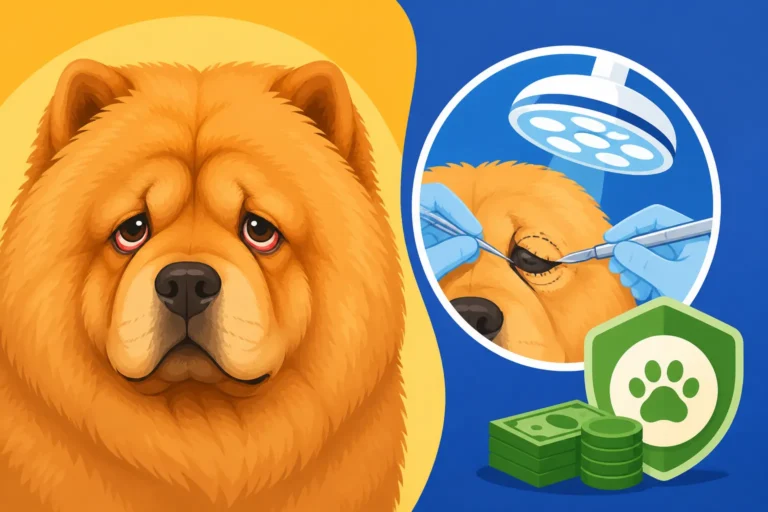
The Chow Chow's characteristic deep-set eyes, while giving them their distinctive scowl, also predispose them to certain eye conditions that tend to manifest or worsen with age. Entropion Is the Chow Chow's Signature Problem, where the eyelid rolls inward, can cause constant irritation and lead to corneal ulcers. While often repaired when they are younger, sometimes complications or new issues arise. Even more concerning, conditions like glaucoma, a painful increase in eye pressure, can strike rapidly and lead to blindness if not treated immediately and aggressively. Glaucoma Can Blind a Chow Chow in Days if left unchecked, and the ongoing management or surgical interventions for such conditions can run into significant expenses.
Insurance companies are well aware of these breed-specific predispositions. An older Chow Chow, even one who has had healthy eyes for years, represents a higher statistical risk for these conditions developing or recurring. The need for specialized veterinary ophthalmologist visits, expensive eye drops, or potential surgeries directly contributes to the calculation of those higher premiums.
Autoimmune and Endocrine Disorders
Chow Chows can also be prone to certain autoimmune and endocrine disorders, some of which may become more apparent as they age. Autoimmune thyroiditis, for instance, leading to hypothyroidism, is a common issue that often requires lifelong medication. Signs of a low thyroid, such as lethargy, weight gain, or a poor coat, might appear subtly at first. Autoimmune Disease in a Chow Chow is a broader category that can also include conditions like Pemphigus Foliaceus, a skin condition that can be difficult and expensive to manage.
While a Chow Chow's dense coat can sometimes mask early symptoms of skin or underlying health issues, regular vet check-ups become even more vital as they age. If an aging Chow Chow develops these chronic conditions, their treatment can involve continuous medication, regular blood work, and specialized consultations. Insurance providers factor in the cumulative cost of such long-term care when assessing the risk of insuring an older dog, leading to those higher premiums. The longer a dog lives, the more likely they are to develop something requiring ongoing medical attention, especially once they are considered a senior dog around the age of The Age a Chow Chow Is Considered Senior.
Navigating Your Options: Managing Pet Insurance Costs for Your Senior Chow Chow
When you see those higher premiums, it's natural to feel a mix of frustration and anxiety. You want to provide the best for your senior Chow Chow, but the costs can feel overwhelming. The good news is that you do have options for managing these expenses, though they often involve a trade-off between premium cost and out-of-pocket spending.
Reviewing Your Current Policy and Coverage
The first step is always to thoroughly review your existing policy. Understand exactly what it covers, what it doesn't cover (especially concerning any conditions that have already been diagnosed and might now be considered pre-existing), your deductible, and your reimbursement percentage. Many policies have annual limits, per-incident limits, or even lifetime limits. Knowing these details is crucial for making informed decisions.
Consider whether your current coverage still aligns with your Chow Chow's needs. If they've developed a chronic condition that's now pre-existing, that specific issue won't be covered by any new policy you might get. In this scenario, keeping your current policy, despite rising premiums, might be the best option for coverage of any new conditions that might arise. This is where companies like Healthy Paws, known for comprehensive coverage, might still offer value, even if the price has increased.
Adjusting Deductibles and Reimbursement Percentages
One of the most direct ways to lower your monthly premium is by adjusting your policy's deductible or reimbursement percentage.
- Increasing Your Deductible: If you opt for a higher deductible, say from a lower amount to a significantly higher amount, your monthly premium will typically decrease. This means you'll pay more out-of-pocket before your insurance kicks in for any single incident, but your regular monthly expense is lower. This can be a viable strategy if you have a robust emergency fund set aside for your Chow Chow's care and are confident you can cover that initial deductible if needed.
- Lowering Your Reimbursement Percentage: Most policies offer reimbursement percentages ranging from 70% to 90%. If you reduce your reimbursement from, say, 90% to 70%, your premium will go down. However, this also means that for every vet bill, you'll be responsible for a larger portion of the cost. Again, having savings available is key if you choose this route.
These adjustments can make a significant difference in your monthly budget, but they do shift more of the financial risk onto you should your Chow Chow need extensive veterinary care.
Considering Accident-Only Plans or Wellness Add-ons
For older Chow Chows, some owners explore accident-only policies. These plans typically have much lower premiums because they only cover injuries from accidents (e.g., being hit by a car, a broken bone from a fall) and do not cover any illnesses, chronic conditions, or breed-specific ailments. If your senior Chow Chow has numerous pre-existing conditions that are no longer covered by an illness plan anyway, an accident-only policy might provide peace of mind for sudden, unforeseen trauma. However, be acutely aware that the vast majority of age-related vet visits are for illnesses, not accidents.
Conversely, while not directly impacting illness premiums, some providers offer wellness add-ons that cover routine care like annual exams, vaccinations, and dental cleanings. While these don't prevent premium hikes for illness coverage, they can help you budget for predictable routine costs. Companies that offer a wide range of pet products and services, like Chewy, might have options or bundles that integrate wellness components.
Self-Insurance: An Alternative for Some Owners
For some pet parents, particularly those with very old Chow Chows whose premiums have become prohibitively expensive, or those who have had continuous bad luck with pre-existing condition exclusions, self-insurance becomes a consideration. This means canceling your pet insurance and instead diverting the money you would have spent on premiums into a dedicated savings account specifically for your Chow Chow's medical expenses.
The benefits are obvious: the money is always yours, and if your Chow Chow remains healthy, you retain all of it. However, the risks are also significant. A single catastrophic illness or accident could quickly deplete your fund, or worse, exceed it, leaving you responsible for the remainder. This strategy requires immense financial discipline and a substantial emergency fund to truly be effective. It also removes the peace of mind that comes from knowing a major portion of a huge bill will be covered.
Here's a quick comparison of strategies for managing the cost of insuring an older Chow Chow:
| Strategy | Description | Pros | Cons |
|---|---|---|---|
| Increase Deductible | Pay more out-of-pocket before coverage begins. | Lowers monthly premium. | Higher upfront cost for each claim; requires significant savings. |
| Lower Reimbursement % | Insurance covers a smaller portion of the vet bill. | Lowers monthly premium. | Increases your share of vet bills; ongoing higher out-of-pocket costs. |
| Switch to Accident-Only | Covers only injuries from unforeseen accidents. | Significantly lower premiums. | No coverage for age-related illnesses or chronic conditions (the most common vet issues for seniors). |
| Drop Insurance (Self-Insure) | Cancel policy, save premium money in a dedicated fund. | Complete control over funds; money is yours if not used. | Fund might not cover catastrophic events; requires strong financial discipline and a large savings cushion. |
| Maintain Current Policy | Keep existing comprehensive coverage. | Covers new illnesses; provides peace of mind. | Premiums likely remain high or continue to climb. |
Ultimately, the best strategy depends on your financial situation, your Chow Chow's specific health status, and your comfort level with risk. It's a deeply personal decision that often involves a lot of soul-searching as your beloved companion reaches their golden years. Remember, proper nutrition from companies like Ollie can contribute to overall health, potentially reducing some minor vet visits, but it won't prevent age-related premium increases from an insurance perspective.
The Long-Term Perspective: Is Pet Insurance Still Worth It?
This is the million-dollar question for many Chow Chow owners with senior dogs. When premiums climb significantly after seven years, you start to question the value. Is it still a worthwhile investment, or are you just throwing money away?
For many, the answer remains a resounding yes, primarily for the peace of mind it offers. Facing an unexpected, serious illness with an older Chow Chow, like sudden onset Glaucoma Can Blind a Chow Chow in Days or a severe orthopedic crisis, can lead to veterinary bills that dwarf years of insurance premiums. Having that financial safety net, even if it comes at a higher monthly cost, can mean the difference between being able to afford life-saving treatment or having to make heartbreaking decisions based on finances alone. This is particularly true if your Chow Chow hasn't developed many pre-existing conditions and new issues would still be covered.
Think about the total cost of ownership. What a Chow Chow Costs Over Its Lifetime is already substantial, even without major medical interventions. A Chow Chow living into their senior years, which could be The Eight to Twelve Years a Chow Chow Gets, will inevitably have more vet visits and potential health issues. While a younger Chow Chow might have only an annual check-up and vaccinations, an older one might need bloodwork every six months, ongoing medication for arthritis, or specialist consultations for emerging conditions. Pet insurance helps buffer the impact of these escalating costs.
When to Consider Alternatives
However, there are situations where traditional pet insurance for an older Chow Chow might become impractical. If your Chow Chow has developed numerous chronic, pre-existing conditions that are now excluded from coverage, and the remaining coverage for new conditions is minimal, you might find that the high premiums no longer justify the limited benefits. In such cases, a dedicated, well-funded emergency savings account combined with potentially lower-cost accident-only coverage might be a more sensible financial strategy.
Another factor is your Chow Chow's individual temperament and prognosis. If your dog is very stoic and resists veterinary handling, which can be common in the breed – Why a Chow Chow Is Hard to Examine at the Vet – then aggressive, invasive treatments might not be the best quality of life choice for them, regardless of insurance. These are difficult conversations to have with your veterinarian and your family, but they are an important part of caring for an aging pet.
Ultimately, the decision to continue pet insurance for your Chow Chow past seven years old is a deeply personal and financial one. It requires careful consideration of your dog's health history, your financial capacity, and your comfort level with risk. The rising premiums are a reflection of a higher likelihood of needing significant veterinary care, but for many, that protection is exactly what makes the investment worthwhile for their cherished senior companion.
Disclaimer
This article is for general informational purposes only and does not constitute professional advice. Laws, prices and regulations vary by location and change over time. Consult a qualified professional for guidance on your specific situation.