What a Chow Chow’s Vaccinations Cost
Bringing a new Chow Chow into your life is an incredible joy, but it also comes with a host of responsibilities, and let's be honest, the cost of veterinary care can feel like a mysterious black hole. One of the fundamental pillars of your Chow's health, and one of the first expenses you'll encounter, is vaccinations. It's completely normal to feel a bit overwhelmed trying to figure out what vaccinations your fluffy companion needs, how often, and frankly, what they're going to set you back. This guide aims to pull back the curtain on Chow Chow vaccination costs, breaking down the essentials so you can budget wisely and ensure your beloved dog stays healthy.
The Foundation of Health: Core Vaccinations for Your Chow Chow
When you first bring home a Chow Chow puppy, or even adopt an adult, one of the most immediate priorities is establishing or catching up on their vaccination schedule. These aren't just arbitrary shots; core vaccinations protect your Chow Chow from highly contagious and often deadly diseases that are prevalent in almost every environment. Neglecting these can lead to heartbreaking consequences and significant medical bills far exceeding the cost of prevention.
Essential Puppy Vaccine Series and Boosters
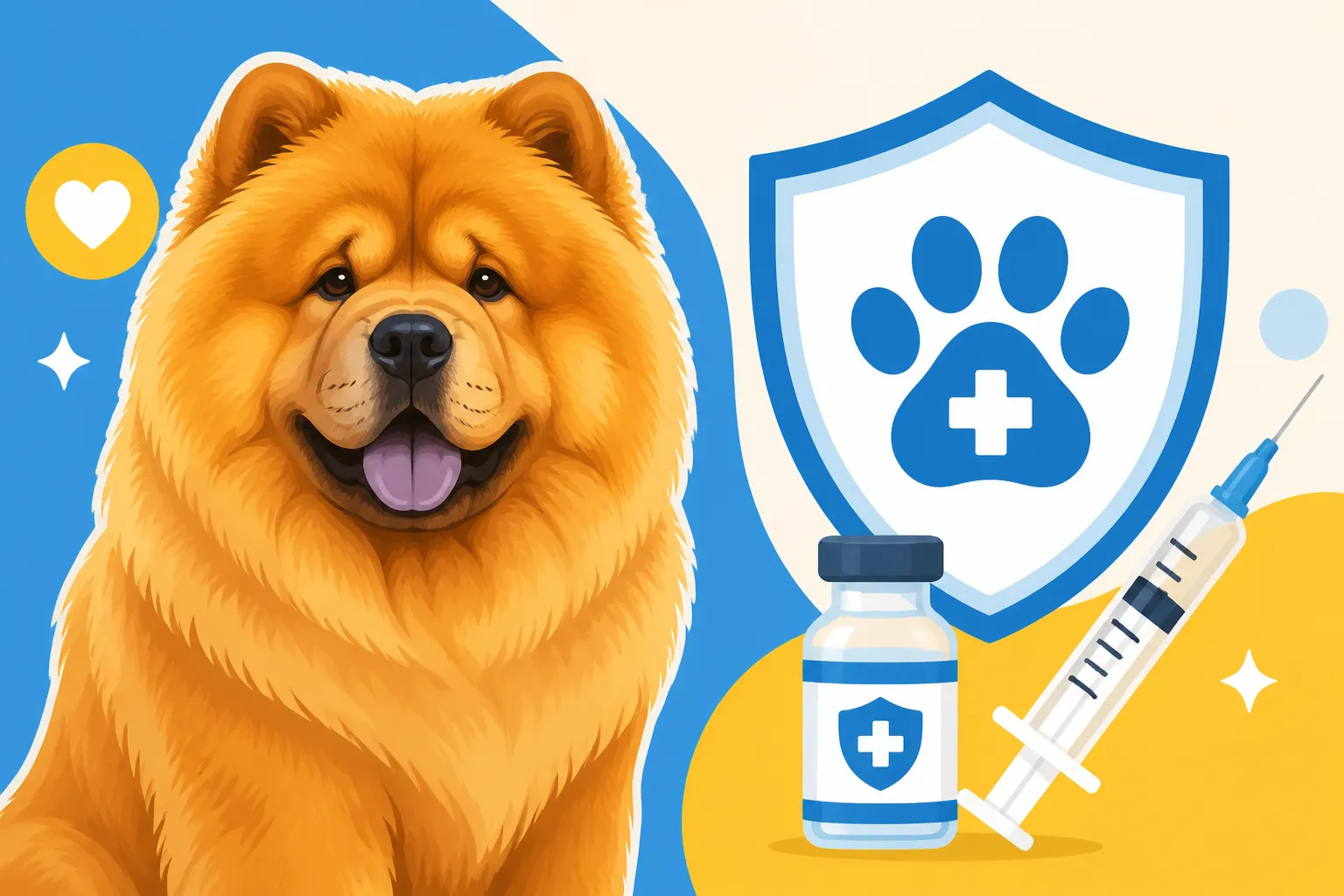
For puppies, vaccinations begin early, usually around 6-8 weeks of age, and are given in a series every 3-4 weeks until they are about 16 weeks old. This staggered approach is crucial because a puppy's immune system, while initially protected by antibodies from their mother's milk, needs time and repeated exposure to build its own lasting immunity.
The primary core vaccine for most puppies, including Chow Chows, is often a combination shot known as DHPP or DAPP. This typically covers:
- Distemper: A severe, often fatal viral disease affecting the respiratory, gastrointestinal, and nervous systems.
- Adenovirus (Hepatitis): A viral disease that can cause liver damage and respiratory issues.
- Parvovirus: A highly contagious and deadly gastrointestinal virus, especially dangerous for puppies.
- Parainfluenza: A respiratory virus that contributes to "kennel cough."
Another absolutely vital core vaccine is Rabies. This is not just for your dog's health, but often a legal requirement in many areas due to its zoonotic nature – meaning it can be transmitted to humans and is almost always fatal once symptoms appear. Rabies vaccines are usually given as a single shot around 12-16 weeks of age, after which boosters are required every one to three years, depending on local regulations and the specific vaccine used.
After the initial puppy series, adult Chow Chows will need booster shots for these core vaccines, typically on a one- or three-year schedule. Your veterinarian will work with you to determine the best schedule based on the specific vaccines used and your local requirements. It's easy to lose track, so many clinics send reminders, but it’s always good to keep your own records. These routine appointments are also a great time for their How Often a Chow Chow Needs a Wellness Exam and general health check.
Why Core Vaccines Are Non-Negotiable
You might look at the costs and wonder if you can skip a booster or two, especially if your Chow Chow doesn't spend much time around other dogs. However, diseases like parvovirus are incredibly hardy and can live in the environment for a long time, carried on shoes or other items into your home. Distemper is also highly contagious. The risks simply outweigh any potential savings.
Think of core vaccinations as setting up your Chow Chow with a robust defense system. They are the frontline against common, severe threats. Without them, your beloved companion is left vulnerable, and treating these diseases can involve extensive hospitalization, specialized care, and still offer no guarantee of survival. The initial investment in vaccinations is truly an investment in your Chow Chow's long-term well-being and a way to avoid far greater emotional and financial burdens down the line. It's an essential part of What the First Year With a Chow Chow Costs and budgeting for Twelve Years of a Chow Chow, Priced Out.
Beyond the Basics: Non-Core Vaccinations and Lifestyle Considerations
While core vaccinations are universal necessities, there's another category of vaccines known as non-core, or lifestyle, vaccinations. These are recommended based on your Chow Chow's individual risk factors, lifestyle, and geographical location. Deciding on these involves a conversation with your vet about your Chow's daily life.
Tailoring Vaccinations to Your Chow Chow's Life
The most common non-core vaccinations include:
- Bordetella bronchiseptica: This vaccine targets the primary bacterial cause of "kennel cough." It's highly recommended for Chow Chows who frequent grooming salons, boarding facilities, dog parks, or even just regular group training classes. Since Chow Chows can sometimes be wary of strangers, places like doggy daycare might not be their cup of tea, but even a few interactions can expose them. Some versions are intranasal (a squirt up the nose), while others are injectable, and boosters are typically needed annually or every six months.
- Leptospirosis: "Lepto" is a bacterial disease spread through the urine of infected wildlife (like raccoons, deer, or rodents) and contaminated water. It can cause kidney and liver failure and is also zoonotic. If your Chow Chow spends time outdoors, especially near standing water, wooded areas, or places with wildlife, this vaccine is a strong recommendation. Many Chows love a good sniff-fest on a walk, and that’s where they can pick up exposure. Boosters are typically annual after an initial series.
- Lyme Disease: Transmitted by ticks, Lyme disease can cause lameness, joint pain, and kidney issues. If you live in or frequently visit areas where ticks are prevalent, particularly those known for Lyme disease, this vaccine should be on your radar. Regular tick prevention is also crucial, but the vaccine adds another layer of protection. This usually requires an initial series and then annual boosters.
- Canine Influenza Virus (CIV): Also known as dog flu, this vaccine is typically for Chow Chows who have frequent exposure to other dogs, similar to Bordetella. There are two strains (H3N8 and H3N2), and often a bivalent vaccine is available. Symptoms range from mild respiratory signs to severe pneumonia.
Making Informed Decisions with Your Veterinarian
The decision to administer non-core vaccines should always be made in consultation with your veterinarian. They know the prevalence of diseases in your area and can assess your Chow Chow's specific risk profile. For example, a Chow Chow that lives in a city apartment and primarily walks on sidewalks might have a lower risk of Leptospirosis than one who accompanies you on hikes through rural trails.
It's also worth considering that while Chow Chows are known for their somewhat aloof nature, they still need to go to the vet, potentially groomers, or even emergency clinics, where exposure to other dogs is unavoidable. A vet might suggest a Bordetella vaccine even for a homebody simply because of occasional necessary interactions.
Here's a quick look at how core and non-core vaccines typically differ:
| Vaccination Type | Purpose | Common Schedule (after puppy series) | Risk Factor | Example Scenario |
|---|---|---|---|---|
| Core | Protects against universal, severe threats | 1-3 years (Rabies 1-3 years) | High | All Chow Chows should receive these. |
| Non-Core | Protects against specific, lifestyle-related threats | 6 months – 1 year | Variable | Depends on exposure to other dogs, wildlife, ticks |
Remember, keeping your Chow Chow healthy isn't just about shots; it's about a holistic approach including quality nutrition (brands like Ollie offer excellent options), regular exercise, and preventative care. A strong immune system, supported by good health practices, also helps your Chow respond better to vaccinations.
Unpacking the Bill: What Drives Vaccination Costs
When you receive a bill for your Chow Chow's vaccinations, it's rarely just the cost of the vaccine itself. There are several components that contribute to the overall price, and understanding these can help alleviate the sticker shock and appreciate the value you're receiving.
The Components Beyond the Vial
- Veterinary Examination Fee: Almost every vaccination appointment will include a veterinary examination fee. This is not optional padding; it's a crucial part of responsible veterinary care. Before administering any vaccine, your vet needs to ensure your Chow Chow is healthy enough to receive it. Vaccinating a sick or compromised dog can be ineffective or even dangerous. During this exam, your vet will perform a nose-to-tail check, listen to their heart and lungs, palpate their abdomen, and check their teeth and ears. This annual check-up is invaluable for catching potential issues early. This is often the largest portion of the bill. It's essentially your What a Chow Chow's Yearly Exam Costs.
- Vaccine Cost: This is the actual cost of the vaccine itself. Prices can vary between different vaccines (e.g., Rabies vs. Lyme) and between different veterinary clinics. Some clinics may get better bulk rates, or some newer, more advanced vaccines might be slightly more expensive.
- Administration Fee: Even if the vaccine itself is inexpensive, there's a professional service involved in administering it safely and correctly. This includes preparing the vaccine, injecting it, and proper disposal of medical waste.
- Clinic Overhead: This covers a multitude of operational costs for the veterinary practice: staff salaries, rent, utilities, equipment maintenance, insurance, and continued education for the veterinary team. These overheads are factored into the pricing of all services, including vaccinations.
- Geographical Location: Vet costs, like most services, tend to vary by region. Clinics in major metropolitan areas or regions with a higher cost of living generally have higher prices than those in rural areas.
- Type of Clinic: Emergency clinics or specialty referral hospitals might have different pricing structures for routine services compared to a general practice clinic, although most vaccinations are performed at general practices.
Long-Term Savings vs. Upfront Costs
It's tempting to focus solely on the immediate cost of vaccination, but it's important to view it as a preventative measure that can save you significant money in the long run. Consider the potential costs of treating diseases that are preventable by vaccination:
- Parvovirus Treatment: Can involve several days of hospitalization, IV fluids, antibiotics, anti-nausea medications, and round-the-clock care. The bill for a severe case can easily run into the thousands.
- Distemper Treatment: Even if a dog survives distemper, they might suffer from permanent neurological damage, requiring ongoing supportive care. Treatment is often long and complex.
- Leptospirosis Treatment: Requires antibiotics, IV fluids, and potentially dialysis if kidney failure is severe. Again, costs can quickly escalate.
When you factor in these potential treatment costs, the price of vaccination seems incredibly reasonable. It's truly a small investment to protect your Chow Chow from severe suffering and to safeguard your wallet from devastating unexpected bills. For a breed that can sometimes be stoic in showing pain, like a Chow Chow, prevention is always better than trying to react to a severe illness.
Navigating and Managing Vaccination Costs for Your Chow Chow
Understanding the costs is one thing; figuring out how to manage them without breaking the bank is another. Fortunately, there are several strategies you can employ to make your Chow Chow's essential veterinary care more affordable and predictable.
Puppy Packages and Wellness Plans
Many veterinary clinics offer "puppy packages" that bundle the initial series of vaccinations, deworming treatments, and sometimes even spay/neuter surgery or microchipping into one fee. This can often be more cost-effective than paying for each service individually. If you've just brought home your What a Chow Chow Puppy Costs From a Breeder, ask your vet about these options. Similarly, some clinics and pet insurance providers offer "wellness plans" for adult dogs. These are not insurance in the traditional sense but subscription-based plans that cover routine preventative care, including annual exams, vaccinations, and sometimes even routine bloodwork or dental cleanings. These plans can help spread the cost of preventative care throughout the year, making budgeting easier.
Pet Insurance: A Safety Net for Unexpected Bills
Pet insurance is becoming an increasingly popular way for owners to manage veterinary costs. While most standard accident and illness policies won't cover routine vaccinations (they cover unexpected events), many providers, including Healthy Paws, offer optional wellness riders that do cover vaccinations, annual exams, and other preventative care.
When considering pet insurance, particularly for a Chow Chow, it's wise to look into policies early. Some health conditions, especially those considered hereditary or congenital, might have waiting periods or exclusions if they are pre-existing. Since Chow Chows can be prone to specific issues like Entropion Is the Chow Chow's Signature Problem or Elbow Dysplasia Ranks the Chow Chow Near the Top, having insurance in place before any issues arise can be a lifesaver. While wellness riders help with vaccination costs, the primary benefit of insurance is mitigating the financial impact of major illnesses or accidents, which can be astronomically expensive. For instance, What Heat Stroke Costs to Treat in a Chow Chow can be a significant unexpected expense.
Budgeting and Financial Preparedness
Even without a wellness plan or insurance, simple budgeting can make a huge difference. Set aside a small amount each month into a dedicated "pet fund." This fund can accumulate to cover annual vaccination boosters, your Chow Chow's yearly wellness exam, and other routine care. Websites like Chewy or your local pet store might offer loyalty programs or occasional discounts on related supplies that can free up some funds for vet care.
Don't be afraid to discuss costs with your veterinarian's office. They understand that pet care can be expensive and may be able to offer payment plans or recommend local assistance programs if you're facing financial hardship. Sometimes, knowing What a Chow Chow's Yearly Bloodwork Should Cover ahead of time can help you anticipate costs.
Vaccinations are a fundamental, non-negotiable part of responsible Chow Chow ownership. While the costs might seem daunting at first, they are a small price to pay for protecting your furry family member from preventable diseases. By understanding what you're paying for, exploring options like wellness plans and pet insurance, and proactive budgeting, you can ensure your Chow Chow receives all the necessary protections to live a long, healthy, and happy life by your side. Remember, an ounce of prevention is truly worth a pound of cure, especially when it comes to the health of your beloved Chow.
Disclaimer
This article is for general informational purposes only and does not constitute professional advice. Laws, prices and regulations vary by location and change over time. Consult a qualified professional for guidance on your specific situation.