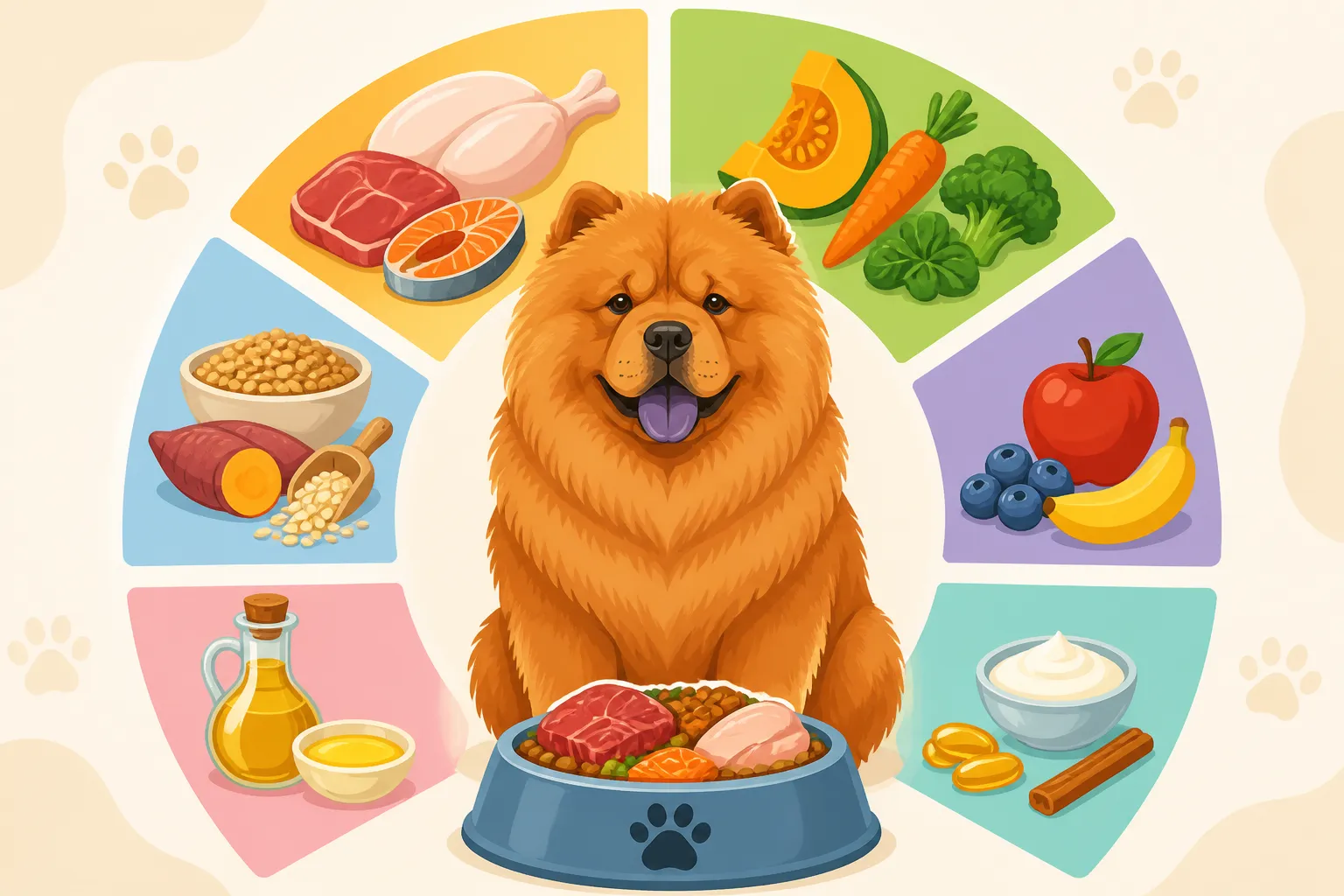
What a Chow Chow Eats in a Month
One of the biggest surprises for new Chow Chow owners often isn't just what their magnificent dog eats, but how much they consume, or rather, how little relative to their size. Many people expect a dog as substantial and well-built as a Chow Chow to go through enormous bags of food, only to find their dignified companion is quite a modest eater. This guide will walk you through everything that goes into calculating what a Chow Chow eats in a month, from understanding their unique dietary needs to breaking down the costs of various food types and how different factors can sway your budget.
Decoding the Chow Chow's Appetite: Less Than You'd Think
It's a common misconception that all large or medium-large dogs are voracious eaters. With a Chow Chow, you might be surprised to learn that they often consume less food than many other breeds of comparable size. This isn't a sign that something is wrong (though always consult your vet if you have concerns about appetite!), but rather a characteristic of their metabolism and activity levels.
The Unique Chow Chow Metabolism
Chow Chows, as one of the ancient breeds, possess a metabolism that seems to be incredibly efficient. They are not high-energy, constantly-on-the-go dogs. Instead, they are known for their calm, somewhat sedentary nature. This means their bodies don't burn through calories at the same rapid rate as, say, a Border Collie or a Labrador Retriever. Their ancestors likely survived on a diet that wasn't always abundant, leading to a genetic predisposition for making the most of the food they get. This efficiency translates directly into their daily caloric requirements; they simply don't need as many calories to maintain their weight and energy levels.
When you bring home a Chow Chow, especially a puppy, you might find yourself constantly double-checking feeding guides on kibble bags. It's easy to assume your Chow Chow should be eating more, particularly when compared to other breeds. However, overfeeding a Chow Chow is a significant concern because their compact, sturdy build means excess weight puts undue stress on their joints, something we desperately want to avoid given the breed's propensity for conditions like Elbow Dysplasia Ranks the Chow Chow Near the Top and Hip Dysplasia in a Chow Chow. Monitoring their body condition, feeling for their ribs under that dense coat, and sticking to recommended portions for their actual weight and activity level is crucial, even if it feels like less food than you anticipated.
Why Their Activity Level Impacts Food Needs
The Chow Chow's famously reserved and independent temperament often translates into a lower activity level compared to many other breeds. While they do need regular, moderate exercise, they aren't typically dogs that require hours of intense running or strenuous activity each day. A brisk walk or two, perhaps some leisurely time in a secure yard, is often sufficient for an adult Chow Chow. This lower energy output directly correlates with fewer calories burned, and thus, a reduced need for high-volume meals.
Imagine a Chow Chow living in an apartment versus one with a large yard where they can wander. Even then, the "wandering" will likely be more sedate than a Golden Retriever's enthusiastic sprints. Because they are not typically go-go-go dogs, their energy demands are simply lower. This is a blessing and a curse for owners; a blessing because your food budget might be smaller than anticipated, but a curse if you're not diligent about preventing weight gain. Their dense coats and sturdy build can mask weight creeping on, making it harder to spot until it's become a problem. Always remember that a Chow Chow needs consistent, appropriate exercise and carefully measured food to thrive, rather than an endless buffet. For insights on managing their activity, you might find our article on How Much Exercise a Chow Chow Actually Needs helpful.
The Cost Spectrum: From Kibble to Fresh Meals
Just like with humans, there's a huge range in the quality and type of food available for our canine companions, and this range significantly impacts what a Chow Chow eats in a month, cost-wise. Whether you opt for a budget-friendly kibble or a gourmet fresh food diet, your monthly bill will fluctuate dramatically.
Dry Kibble: Everyday Essentials and Premium Blends
Dry kibble is by far the most popular and often the most economical choice for feeding dogs. The sheer variety available is staggering, from mass-produced grocery store brands to boutique, small-batch premium options. The cost per bag, and therefore your monthly expenditure, can vary wildly.
For a standard, mid-range dry kibble, you might be looking at a bag lasting an adult Chow Chow for a few weeks, depending on the bag size and their exact daily portion. These brands often provide a balanced diet and are easily accessible. However, many Chow Chow owners find that investing in a higher-quality, premium kibble can make a real difference, especially considering the breed's sensitivities. These premium brands often feature higher-quality protein sources, fewer fillers, and sometimes include beneficial supplements like glucosamine for joint health – a proactive measure given the breed's joint predispositions. They might also be formulated for large breeds or sensitive stomachs, which can be beneficial for a Chow Chow who sometimes exhibits Whether a Chow Chow Has a Sensitive Stomach. While the upfront cost of a premium bag is higher, the daily feeding amount might be slightly less due to higher caloric density and better digestibility, sometimes balancing out the overall monthly cost. You can often find great deals and have large bags delivered right to your door through retailers like Chewy, which can be a huge convenience for bulky items.
Wet, Fresh, and Raw: Specialized Diets
Moving up the cost ladder, you'll find wet food, fresh food, and raw food diets. These options generally come with a higher price tag but offer different benefits that some owners find worthwhile.
Wet food, often sold in cans or pouches, can be a great addition to a kibble diet or fed as a standalone meal. It's typically more palatable and hydrating than dry kibble, which can be a boon for a picky Chow Chow or one who needs extra moisture in their diet. However, feeding an adult Chow Chow exclusively on wet food would become quite expensive very quickly, as you'd need many cans to meet their caloric needs. Then there are the fresh food diets, which have gained immense popularity. These diets consist of gently cooked, human-grade ingredients, often delivered right to your door on a subscription basis. Companies like Ollie provide personalized meal plans that take your dog's age, weight, and activity level into account. For a Chow Chow, a fresh food diet can sometimes lead to improved coat health, better digestion, and even a more enthusiastic appetite, but you'll certainly see a higher monthly bill. Finally, raw food diets aim to mimic the ancestral diet of canids, consisting of raw meat, bones, and organs. These diets require careful balancing and preparation to ensure nutritional completeness and safety. They are often the most expensive option and demand a significant commitment in terms of sourcing, storage, and handling. Owners considering raw feeding often consult with veterinary nutritionists to ensure their Chow Chow is getting everything they need, which is an additional, albeit important, cost.
Treats and Supplements: The Extras That Add Up
It's easy to overlook treats and supplements when calculating monthly food costs, but these can certainly add up, especially if you're generous with your furry friend. Treats are an essential part of training, positive reinforcement, and just showing your Chow Chow some love. However, not all treats are created equal. High-value training treats, dental chews, or long-lasting recreational chews can range from a few dollars to twenty dollars or more per pack, and if you're going through a few packs a month, that's a significant chunk of change.
Supplements are another area where costs can accumulate. While a good quality diet should provide most of what your Chow Chow needs, some owners choose to add supplements for specific health benefits. For instance, joint supplements are common for large breeds prone to orthopedic issues. Fish oil for skin and coat health, probiotics for digestion, or even specific vitamins might be recommended by your vet or desired by you. While many of these are available over-the-counter, always discuss new supplements with your veterinarian, especially if your Chow Chow has any underlying health conditions. Remember that while a great diet is a cornerstone of health, sometimes unexpected health issues arise, and having robust pet insurance like Healthy Paws can help cover the costs of prescription diets or medications if your Chow Chow develops a condition that requires specialized nutritional support. These extras, while seemingly small individually, can easily add $20-$50 or even more to your monthly "food" budget.
Key Factors Driving Your Monthly Food Bill
When budgeting for your Chow Chow's food, it's not just about picking a brand and sticking to it. Several variables play a significant role in how much you'll actually spend each month. Understanding these factors can help you make more informed decisions and manage your expenses.
Age, Weight, and Health Status
A Chow Chow's nutritional needs, and consequently their food intake, change throughout their life. A growing puppy requires more calories and specific nutrient balances to support their rapid development, meaning a slightly higher volume of puppy food than an adult would eat. However, it's crucial that a Chow Chow Puppy Should Grow Slowly to prevent stress on developing joints. As they mature into adulthood, their caloric needs stabilize. Senior Chows, often around the age of eight (the age a Chow Chow Is Considered Senior), might need fewer calories if their activity drops, or sometimes specialized diets that support aging joints, kidney function, or cognitive health. These senior-specific foods can sometimes be more expensive due to their tailored formulations.
Beyond age, a Chow Chow's ideal weight and health status are paramount. An overweight Chow Chow, even if only by a few pounds, will need a carefully managed diet to shed those pounds, often involving prescription weight-loss foods or precisely measured portions of a low-calorie option. On the other hand, a Chow Chow recovering from an illness or one with a chronic condition like Autoimmune Disease in a Chow Chow might require a specialized therapeutic diet, which almost always comes with a higher price tag. These prescription diets are formulated to address specific health issues and are only available through veterinary recommendation. Regular check-ups and discussions with your vet about your Chow Chow's weight and overall health are essential to ensure their diet is always appropriate, helping you avoid costly issues down the line.
Shopping Habits and Brand Loyalty
How and where you purchase your Chow Chow's food can significantly influence your monthly costs. Many owners find that buying larger bags of kibble is more cost-effective in the long run, reducing the per-pound price. Shopping at large pet supply stores or online retailers like Chewy often yields better prices and a wider selection than smaller local shops or grocery stores. Online subscriptions, often through these larger retailers or direct from fresh food providers like Ollie, can offer convenience and sometimes a discount for recurring orders. This can be a smart move, ensuring you never run out of food and potentially saving you a few dollars each month.
Brand loyalty also plays a role. Sticking with a trusted brand that works well for your Chow Chow is important for consistency and digestive health. However, occasionally comparing prices and looking for promotions from comparable quality brands can save you money. Be cautious about switching foods too frequently, as sudden changes can upset your Chow Chow's stomach. If you do switch, always do so gradually over several days to a week. Some owners are fiercely loyal to certain premium brands, believing the investment in high-quality nutrition pays off in long-term health and fewer vet visits. Others find that a solid mid-range kibble, supplemented with fresh additions or treats, works perfectly well for their Chow Chow and their budget.
Crafting Your Chow Chow's Monthly Food Budget
So, what does this all mean for your wallet? Let's break down some potential scenarios for what a Chow Chow eats in a month, keeping in mind that these are estimates and actual costs will vary based on brand, region, and your dog's specific needs.
Sample Monthly Costs for Different Approaches
To give you a clearer picture, here's a general idea of how monthly food costs can shake out for an adult Chow Chow (weighing roughly 50-70 pounds, eating approximately 2-3 cups of dry kibble per day, or the caloric equivalent of other foods).
| Food Type | Estimated Daily Cost | Estimated Monthly Cost | Considerations |
|---|---|---|---|
| Budget Dry Kibble | $0.75 – $1.50 | $25 – $45 | Widely available, basic nutrition. May require supplements for specific needs. |
| Premium Dry Kibble | $1.50 – $2.50 | $45 – $75 | Higher quality ingredients, often includes joint support. Good baseline nutrition. |
| Mixed (Kibble + Wet) | $2.00 – $4.00 | $60 – $120 | Adds palatability and hydration. Wet food boosts cost. |
| Fresh/Gently Cooked | $3.50 – $6.00+ | $100 – $180+ | High-quality, human-grade ingredients. Often subscription-based. |
| Raw Diet | $4.00 – $8.00+ | $120 – $240+ | Requires careful sourcing and balancing. Most expensive, but some owners swear by it. |
| Treats & Supplements | $0.50 – $1.50 | $15 – $45 | Essential for training, dental health, or targeted health support. Variable. |
Please remember these are general ranges. Prices can fluctuate significantly.
As you can see, the spread is quite wide. A Chow Chow on a budget-friendly kibble with minimal treats might cost you around $40-$50 a month, whereas one on a fresh food diet with supplements could easily top $150-$200. This table doesn't even account for potential veterinary prescription diets, which could push costs even higher. It's about finding the right balance between what you can afford, what your Chow Chow thrives on, and what gives you peace of mind regarding their long-term health. Knowing What an Adult Chow Chow Should Weigh is key to ensuring you're feeding them the right amount to maintain a healthy body condition, regardless of the food type.
Smart Strategies for Cost-Effective Feeding
Feeding your Chow Chow doesn't have to break the bank, even if you want to provide high-quality nutrition. There are several smart strategies you can employ to keep costs down without compromising your dog's health.
Firstly, buy in bulk when possible. Larger bags of kibble almost always offer a better per-pound price. Just make sure you have proper storage to keep the food fresh and pest-free. Air-tight containers are your best friend here. Secondly, look for sales and loyalty programs. Many pet stores and online retailers offer discounts, coupon codes, or loyalty points that can be redeemed for future purchases. Signing up for email newsletters from your preferred brands or retailers like Chewy can keep you informed of upcoming deals. Thirdly, consider mixing and matching. You don't have to go all-in on a single expensive diet. Many owners feed a high-quality dry kibble as the base and then add smaller portions of wet food, fresh food, or human-grade lean protein (like cooked chicken or plain vegetables) to boost palatability and nutrient diversity without the full cost of an entirely fresh or raw diet. Finally, make your own treats. Buying commercial treats can be surprisingly expensive. Simple, healthy, homemade treats like baked sweet potato slices, dehydrated chicken jerky, or even plain ice cubes can be a much cheaper alternative and are often healthier too. Always ensure any human foods you offer are safe for dogs and given in moderation. Regularly evaluating your Chow Chow's overall health, including their coat condition, energy levels, and stool quality, can tell you a lot about whether their current diet is working for them.
Beyond Calories: A Holistic Approach to Chow Chow Nutrition
While the food in their bowl is paramount, a Chow Chow's monthly dietary needs extend beyond just calories and protein. Hydration, dental care, and the often-overlooked chewing instinct are also critical components of their overall nutritional well-being.
Hydration and Water Bowl Habits
Water is perhaps the most fundamental nutrient, and adequate hydration is absolutely vital for your Chow Chow's health. They should always have access to fresh, clean water, especially given their dense coat and propensity to overheat. While water itself doesn't typically add to your "food budget," the method of delivery can. If your Chow Chow is a messy drinker, you might invest in spill-proof bowls or a watering station that keeps their jowls and the surrounding area dry, potentially preventing moisture-related skin issues in their facial folds. Some Chows prefer filtered water, which might incur a minor ongoing cost if you use a pitcher or an in-line filter.
Monitoring your Chow Chow's water intake is important. Signs a Chow Chow Puppy Is Drinking Too Much or too little can sometimes be an indicator of underlying health issues. A Chow Chow that eats primarily dry kibble will naturally drink more water than one on a high-moisture diet like wet or fresh food. Ensure bowls are cleaned daily to prevent bacterial growth. While seemingly simple, consistent access to clean water is as important as the food itself in maintaining your Chow Chow's robust health. During warmer months, especially, it's crucial to ensure they're staying adequately hydrated to mitigate the risks associated with Heat Is the Chow Chow's Most Immediate Danger.
Dental Health and Chewing Needs
Good dental hygiene is often overlooked when discussing a dog's diet, but it's intricately linked to their overall health and can significantly impact long-term costs. Just like us, dogs can develop plaque and tartar buildup, leading to gum disease, pain, and potentially serious infections that spread throughout the body. While professional dental cleanings under anesthesia are effective, they are also costly. Incorporating dental care into your monthly routine can help delay the need for such procedures.
This includes daily tooth brushing, if your Chow Chow allows it (and if you start early with a puppy, this can be a much easier endeavor!). Beyond brushing, certain types of chews can help scrape away plaque. Dental chews specifically formulated to improve oral health can be part of your monthly treat budget. Raw bones (always choose appropriate, non-splintering types and supervise closely) or durable chew toys can also provide mental stimulation and help clean teeth naturally. However, always exercise caution with chews to prevent dental fractures or choking hazards. Regular dental check-ups are also crucial to catch any issues early. Integrating dental health into your monthly considerations for your Chow Chow's nutrition is a proactive step that can save you a lot of heartache and money down the line. It's an investment in their comfort and well-being.
Disclaimer
This article is for general informational purposes only and does not constitute professional advice. Laws, prices and regulations vary by location and change over time. Consult a qualified professional for guidance on your specific situation.