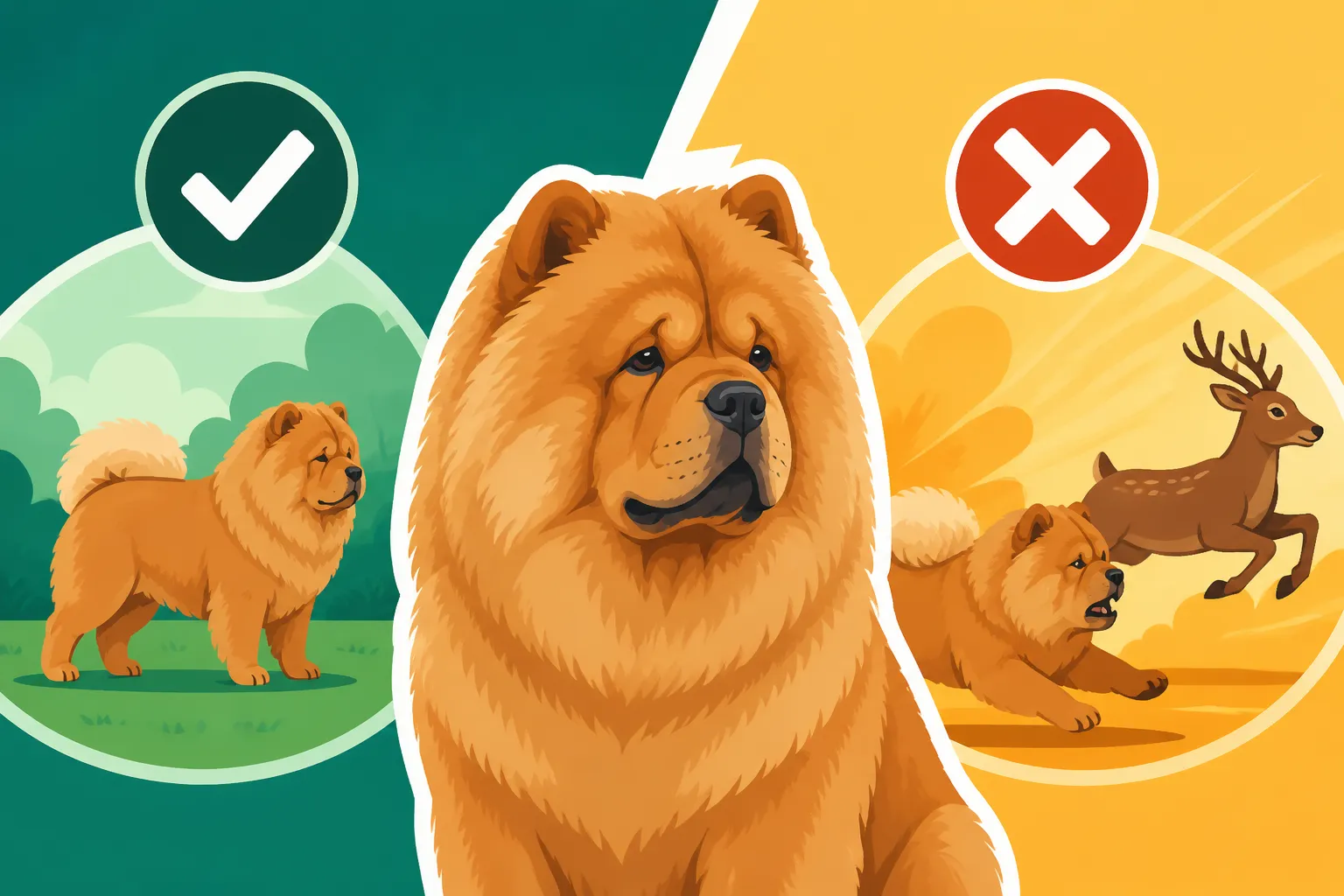
Whether a Chow Chow Has a Prey Drive
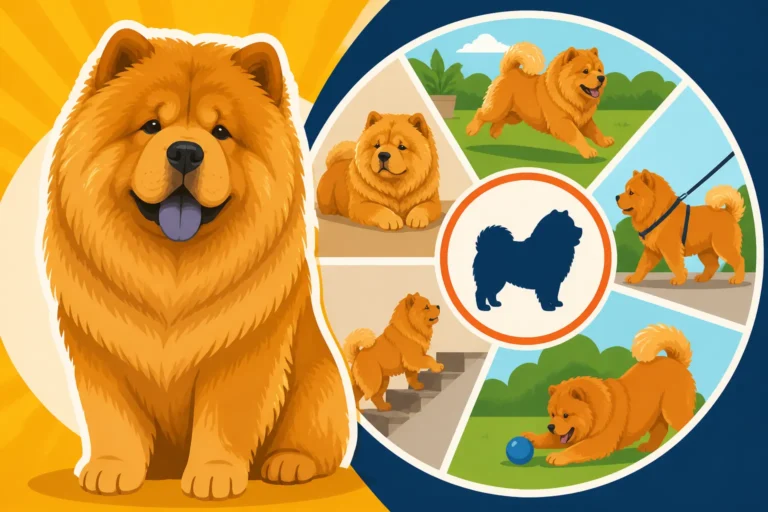
Many Chow Chow owners find themselves caught between their independent companion and a sudden, startling burst of speed as their beloved floof takes off after a squirrel, a bird, or even a leaf caught in the wind. This guide is here to shed light on whether Chow Chows possess a prey drive, how it manifests, and practical ways to manage this ingrained instinct to ensure a safe and harmonious life for everyone involved.
Understanding What Prey Drive Really Means for a Chow Chow
When we talk about "prey drive" in dogs, it's not always about a bloodthirsty urge to hunt down big game. For most domestic dogs, and certainly for Chows, it's a spectrum of behaviors that originate from the predatory sequence: search, stalk, chase, grab bite, kill bite, dissect, and consume. Not all dogs complete every step, and some might only show one or two. For a Chow Chow, this ancient instinct often boils down to a strong urge to pursue anything that moves quickly, regardless of whether it's an actual meal.
It's a deeply rooted instinct, not a sign of a "bad" dog. Imagine a tiny chihuahua bolting across your yard; to a Chow Chow with a strong prey drive, that might look like a tempting chase object. The same goes for rabbits, cats, or even children running and screaming in play. Their reaction isn't personal; it's primal. This understanding is key to managing it effectively rather than trying to punish a natural behavior.
The Ancestral Roots of the Chow Chow's Predatory Instinct
To truly grasp the Chow Chow's relationship with prey drive, we need to look back at their remarkable history. These aren't simply fluffy companion dogs; they are one of the most ancient breeds, with a working past that stretches back thousands of years in China. Their roles were diverse and demanding. They were invaluable multi-purpose dogs, assisting with guarding, herding, and yes, hunting.
Historical records and anecdotes often describe Chow Chows as being employed in hunting expeditions. They weren't necessarily flushing game like a retriever or baying like a hound, but their intelligence, strength, and keen senses made them adept at tracking and apprehending various animals. This isn't just a quaint historical fact; it means that the instinct to chase and capture is woven into the very fabric of their genetic makeup. When a modern Chow Chow locks onto a squirrel darting up a tree or a cat streaking across the yard, they are simply responding to a drive that has been selectively bred into their ancestors for generations. Understanding that their What a Chow Chow Hunted in China includes smaller game puts their modern-day squirrel obsession into clear context.
This history means that while your Chow Chow might be a pampered house pet, they carry the echoes of those working dogs within them. Expecting them to completely ignore a fleeing animal is like asking a Border Collie to ignore a flock of sheep—it goes against their core programming. This strong instinct is precisely why diligent training and management are non-negotiable for Chow Chow owners, particularly when considering How a Chow Chow Gets Along With Other Dogs or other household pets.
How Prey Drive Manifests in a Modern Chow Chow
The manifestation of prey drive in a Chow Chow can vary from dog to dog, but there are several common behaviors owners often observe. It's not always about overt aggression; sometimes it's a subtle fixation that escalates rapidly.
The Stalk and Chase
One of the most common ways prey drive shows up is in the classic "stalk and chase" sequence. Your Chow Chow might suddenly freeze, head low, eyes locked on a distant movement – a squirrel, a bird, or even a child on a scooter. Then, with an explosive burst of speed that seems to defy their usually dignified gait, they're off. This chase instinct is incredibly powerful and can override even the most solid recall commands if not managed properly.
Many owners find themselves surprised by the sheer speed and agility their seemingly placid Chow Chow can display when the hunt is on. This is where a secure leash and harness become your best friend. A strong, reliable leash is essential, especially one that discourages pulling without causing discomfort. Finding a harness that fits their unique body shape can be a challenge, but investing in good quality gear from retailers like Amazon can make walks much safer and more enjoyable. Remember, a Chow Chow can be quite strong, so equipment that gives you good control without restricting their breathing or movement is vital.
Fixation on Small Animals and Moving Objects
Beyond the chase, Chows with a strong prey drive can become intensely fixated on small animals. This can pose a significant challenge if you live with other pets, especially cats or small dogs. Even if they've grown up with a feline companion, the instinct to chase can be triggered by a sudden darting movement. Owners often wonder about Living With a Chow Chow and a Cat, and the answer often lies in careful management and early, consistent socialization. What looks like "playing" to a child can easily cross into predatory behavior for a Chow if not properly supervised.
This fixation isn't limited to living creatures. Anything that moves quickly can become a target:
- Bicycles and Joggers: The movement can trigger the chase instinct, leading to lunging and barking.
- Cars: Some Chows develop an obsession with cars passing by, which is incredibly dangerous.
- Children: Especially young children who run, squeal, and make unpredictable movements. This isn't necessarily aggression, but the chase instinct can quickly become overwhelming for both child and dog. It's why constant supervision is crucial when Chows are around kids.
Resource Guarding and Territoriality
Sometimes, prey drive can intersect with other Chow Chow traits like territoriality and resource guarding. While not strictly prey drive, a Chow Chow might "guard" an area from perceived intruders, including small animals. If a rabbit dares to enter their securely fenced yard, the Chow might see it as both an invader and prey. This combination makes managing their outdoor access incredibly important. How Territorial a Chow Chow Is means they will actively defend what they consider theirs, and unfortunately, a small animal might fall into that category.
This is why a truly secure fence is paramount. A simple chain-link might not be enough if your Chow is determined; they are surprisingly agile and intelligent. Investing in a solid, tall fence is often a necessity for these dogs.
Managing and Training Around Prey Drive
While you can't erase a Chow Chow's innate prey drive, you absolutely can manage it and train your dog to respond to your cues, making everyone safer and happier. It requires consistency, patience, and a deep understanding of your Chow's unique personality.
The Importance of Leash Training and Control
This cannot be stressed enough: a Chow Chow with a prey drive should almost always be on a leash when outside a secure, contained area. Their tendency to take off means that even the best recall can fail when faced with a high-value chase target. Investing in professional training, perhaps through an online program like BAXTER & Bella, can provide structured guidance on leash manners and impulse control. Their programs often emphasize positive reinforcement and building a strong foundation of communication, which is exactly what a Chow Chow thrives on.
- Leash Walking: Teach your Chow to walk politely on a leash from a young age. Use treats and praise to reward loose-leash walking. If they start to fixate on something, redirect their attention immediately with a treat or a favorite toy.
- Emergency Recall: Practice a rock-solid emergency recall in a low-distraction environment first, then gradually increase distractions. This command should be reserved for true emergencies and always rewarded with the highest value treat or play. Understand that How Reliably a Chow Chow Comes When Called can be tested by a strong prey trigger.
- Long Lines: In a truly safe, enclosed area (like a rented sniffspot or a vast, empty field with no escape routes), practicing recall on a long line (a very long leash) can be beneficial. This gives your Chow the illusion of freedom while you still maintain control. Again, Amazon offers a wide selection of durable long lines.
Creating a Secure Environment
Your home environment plays a critical role in managing prey drive, especially if you have other pets or live in an area with abundant wildlife.
- Secure Fencing: As mentioned before, a tall, sturdy fence is non-negotiable. Chows can be quite athletic when motivated. If they can see prey on the other side, they may try to dig under or jump over. Ensure your fence is buried deep enough to prevent digging. This directly addresses the need for Whether a Chow Chow Needs a Fenced Yard.
- Indoor Management: If you have smaller pets like cats, birds, or hamsters, ensure they have safe zones where your Chow Chow cannot access them. Supervise all interactions, especially in the early stages, and never leave them unsupervised together. Even a well-behaved Chow can revert to instinct.
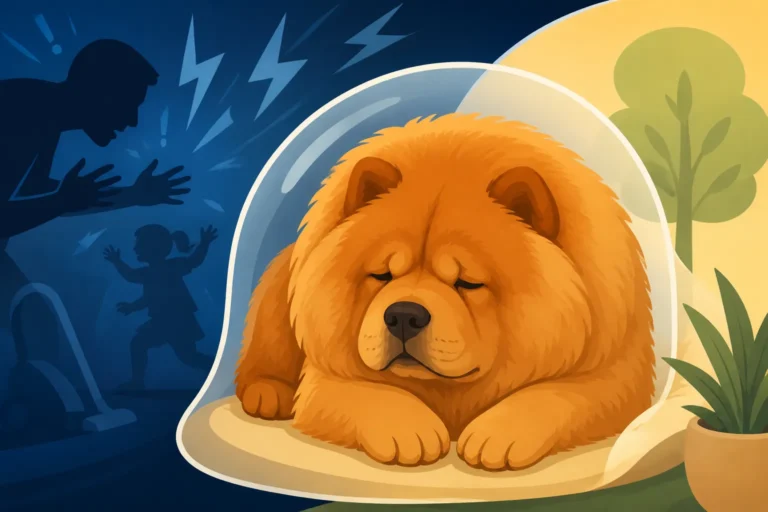
- Crate Training: A crate can be a valuable tool for management, providing a safe, secure space for your Chow when you can't actively supervise them, especially when visitors or other pets are around.
Training for Impulse Control and Desensitization
Since Chows are known for training "by agreement, not obedience" A Chow Chow Trains by Agreement, Not Obedience, patience and positive reinforcement are your greatest assets. Harsh corrections will likely backfire and can damage your relationship with your dog, making them more resistant or even fearful Why Harsh Correction Backfires on a Chow Chow.
- "Leave It" and "Drop It" Commands: These are invaluable. Teach "leave it" to prevent your Chow from grabbing something inappropriate (or chasing something tempting). "Drop it" helps if they've already got something in their mouth. Practice these commands with increasingly tempting items.
- Redirection: When your Chow fixates on something, immediately redirect their attention to you with a high-value treat or a favorite toy. Reward them heavily for disengaging from the "prey" and focusing on you.
- Controlled Exposure: Gradually expose your Chow to controlled situations with distractions. For example, walk past a park where squirrels are visible, but keep your Chow focused on you with treats and praise. Start at a distance and slowly decrease it as they improve.
Remember, managing prey drive is an ongoing process. Your Chow Chow is a magnificent, ancient breed with powerful instincts. By understanding those instincts and implementing consistent management and positive reinforcement training, you can build a strong bond and enjoy a safe, fulfilling life together.
| Prey Drive Behavior | Management Strategy | Training Focus |
|---|---|---|
| Stalking/Chasing | Always use a secure leash/harness outside. | Strong recall, "Leave It" command |
| Fixation on small animals/moving objects | Secure fencing, supervised interactions, safe zones for other pets. | Redirection to owner, impulse control |
| Escalation during play | Supervise all interactions with children/small animals. | Teaching appropriate play boundaries |
| Lunging at people/bikes | Maintain distance, redirection, desensitization. | Focus on handler, polite walking |
Disclaimer
This article is for general informational purposes only and does not constitute professional advice. Laws, prices and regulations vary by location and change over time. Consult a qualified professional for guidance on your specific situation.