Living With a Chow Chow and a Cat
Bringing a new pet into your home is always an adventure, but when that new addition is a Chow Chow and you already have a feline resident, or vice-versa, the thought of them coexisting peacefully can feel daunting. Many Chow Chow owners worry about their dog's strong personality and natural instincts clashing with a cat's independent nature, creating a household full of stress rather than harmony. This guide will walk you through understanding your Chow Chow's inherent traits, how to prepare your home, facilitate a safe introduction, and build a lasting, respectful relationship between your furry family members.
Understanding the Chow Chow's Instincts and Temperament with Other Animals
Let's be real, Chow Chows aren't known for being the most naturally amenable dogs when it comes to other animals. Their history and inherent traits mean you need a solid understanding of what you're working with before you even consider introductions. It's not about blaming your Chow; it's about understanding their wiring.
The Chow Chow's Prey Drive – Is it Active?
The Chow Chow descends from ancient working dogs, serving various roles from guarding to hunting across its long history. While not typically a high-intensity prey drive breed like a sighthound, they absolutely possess an innate instinct to chase and capture smaller, faster-moving creatures. For many Chow Chows, that quick dart of a cat across a room can trigger a response. This isn't necessarily aggression, but rather a deeply ingrained behavioral pattern that sees the cat as potential "game." This is why ignoring it or hoping it will go away is never a good strategy; it's a fundamental part of Whether a Chow Chow Has a Prey Drive.
You might observe your Chow Chow fixating on squirrels in the yard, or showing a sudden, intense interest in a rabbit that crosses their path. This same intensity can easily transfer to a cat, especially if the cat attempts to run. A Chow Chow's powerful build means that even if their intent isn't to harm, a playful "chase" can quickly become dangerous for a smaller, more delicate feline. Owners often get frustrated when their Chow ignores commands during these moments, but it's important to remember that instinct can be incredibly strong and difficult to override without consistent, proactive training and management.
Territorial Nature and Resource Guarding
Chow Chows are notoriously independent and protective. They often bond deeply with one person and view their home and its resources as their domain. This territoriality can extend to anything they perceive as valuable: their food bowl, favorite bed, toys, or even specific spots in the house like a sunny window or a prime napping location. When a cat enters the picture, whether it's a new arrival or an existing resident that now shares their space, a Chow Chow might exhibit resource guarding. This isn't about being "mean"; it's about a dog communicating, in their own way, that "this is mine."
Imagine your Chow has a favorite chew toy. If your cat saunters over and bats at it, your Chow Chow might give a low growl or stiffen their body. This subtle signal, if ignored, can escalate. Similarly, if the cat starts to share a water bowl or attempts to eat from the dog's food, the Chow's territorial instincts can kick in. This is a common source of conflict, and understanding What a Chow Chow Guards and Why is crucial. It’s not just physical items; it can also be their perceived right to a certain person's attention or a preferred resting spot. Proactive management of these resources is far easier than trying to correct guarding behavior once it's deeply entrenched.
Assessing Compatibility and Preparation Before Introduction
Before you even think about letting your Chow Chow and cat occupy the same space without barriers, you need to do some serious homework. Compatibility isn't just luck; it's about careful assessment and diligent preparation. Skimping on this stage often leads to stress, fear, and potentially dangerous situations for both animals.
Evaluating Your Chow Chow's Prior Experience with Cats
One of the biggest indicators of how your Chow Chow might react to a cat is their past experiences. Did they grow up with cats? Were they exposed to them positively as a puppy during their critical socialization window? Or is this an adult Chow Chow from a rescue, with an unknown history? A Chow Chow puppy introduced to a cat in a controlled, positive manner can often learn to live peacefully, as their brains are more malleable during the crucial weeks that matter most. However, even then, supervision is key.
For an adult Chow Chow, especially one with no known history with cats, or worse, a negative history, the challenge intensifies. An adult Chow Chow who has never seen a cat might react with intense curiosity, fear, or an immediate predatory response. Look for signs of intense staring, stiff body language, or a low growl when they see a cat, even on TV. Conversely, if your Chow Chow has lived peacefully with cats before, that's a huge bonus, but it doesn't guarantee they'll accept a new cat without any issues. Every dog and cat is an individual, and their past relationships inform, but don't entirely dictate, their future ones.
Preparing Your Home for a Multi-Species Household
Creating a safe and stress-free environment for both your Chow Chow and your cat is paramount. This isn't just about putting up a baby gate; it's about truly thinking from each animal's perspective. Your cat needs safe zones where the Chow Chow simply cannot reach them. This means vertical space: cat trees, shelves, or even just high furniture that the cat can easily jump onto, but the Chow Chow cannot. These elevated escape routes are vital for the cat's sense of security, allowing them to observe without feeling trapped or threatened. You can find a wide variety of cat trees and shelves on platforms like Amazon that can be a lifesaver for feline peace of mind.
Separate feeding areas are non-negotiable. Your cat's food and water bowls should be placed where the Chow Chow cannot access them – often in a room with a cat door, on a counter, or on a high shelf. Similarly, litter boxes must be completely inaccessible to your Chow Chow. Many dogs, including Chow Chows, are unfortunately attracted to cat litter boxes for various unsavory reasons, and this can lead to unsanitary conditions and potential conflict. Utilizing tall baby gates, dog crates, and even a "catio" if space allows, creates physical boundaries that prevent forced interactions and allow both animals to relax in their own designated territory. Remember, How a Chow Chow Copes Alone can influence how they handle separate spaces, so making their "alone" time positive is important.
The Introduction Process: A Step-by-Step Guide
The key to successful introductions is patience, gradual exposure, and positive reinforcement. This is not a race, and rushing things will almost certainly set you back. Think of it as a carefully choreographed dance, not a spontaneous encounter.
Scent Swapping and Controlled Visuals
Before your Chow Chow and cat even lay eyes on each other, they should get used to each other's scent. This might seem minor, but scent is a primary form of communication for animals. Start by rubbing a cloth or small blanket on your cat and then placing it in your Chow Chow's resting area. Do the same with your Chow's scent for your cat. Observe their reactions: curiosity, sniffing, indifference? Any signs of fear or aggression warrant a slower approach. Repeat this process for several days.
Once scents are familiar, move to controlled visual introductions. This is where baby gates, secured crates, or even a glass door become your best friends. Allow them to see each other through a barrier where no physical contact is possible. Keep these initial sessions short, just a few minutes, and always end on a positive note. Distract both animals with high-value treats or toys on opposite sides of the barrier. The goal is to create a positive association with the sight of the other animal. For example, every time the cat appears on the other side of the gate, your Chow Chow gets a delicious treat. This helps them associate the cat's presence with good things, rather than anxiety or territorial urges.
Supervised Interactions and Positive Reinforcement
After successful scent swapping and barrier introductions, you can gradually move to supervised, leashed interactions. This is a critical stage where a firm but gentle hand is needed. Have your Chow Chow on a leash, ideally with a friend helping to manage the cat (or vice versa if your cat is the more reactive one). Start in a large, neutral space where neither animal feels ownership. Keep the initial distance wide, and slowly decrease it as long as both animals remain calm. Reward any calm behavior – a relaxed posture, ignoring the other animal, looking to you for guidance. Do not force interaction.
If your Chow Chow shows too much interest or tension, gently redirect them and increase the distance. End the session before either animal gets stressed. The goal is not for them to play together immediately, but to simply coexist calmly in the same room. Consistency is key here. Consider exploring online training resources like BAXTER & Bella, which offer structured programs that can guide you through positive reinforcement techniques for building good habits and managing interactions in a multi-pet home. Remember to praise and reward your Chow Chow lavishly for any appropriate behavior around the cat.
| Behavior | Chow Chow's Body Language | Cat's Body Language | Action to Take |
|---|---|---|---|
| Calm/Relaxed | Loose body, soft gaze, relaxed ears, slow tail wag (if any) | Relaxed posture, slow blink, tail up or gently waving | Continue positive reinforcement; maintain distance. |
| Curiosity | Head tilt, sniffing, direct but soft stare | Ears forward, tail twitching, slow approach | Monitor closely; reward calm curiosity. |
| Tension/Stress (Early) | Stiff body, hard stare, lip licking, yawning, slight ear flick | Flattened ears, hunched posture, tail tucked, dilated pupils | Increase distance; redirect attention; end session if persistent. |
| Aggression/Fear (Moderate) | Growling, baring teeth, rigid posture, raised hackles, barking | Hissing, swatting, puffed fur/tail, spitting, crouched | Immediately separate with a barrier; do not punish; re-evaluate. |
| Prey Drive Activation | Low crouch, intense stare, stalking, sudden lunge | Running, hiding, frantic escape attempts | Immediately interrupt; prevent chase; return to barrier training. |
Managing Day-to-Day Life with a Chow Chow and a Cat
Achieving peace isn't a one-time event; it's an ongoing process of management, vigilance, and continued training. Even after successful introductions, maintaining harmony requires commitment to established boundaries and routines.
Maintaining Separate Spaces and Resources
Even when your Chow Chow and cat seem to get along, it's wise to continue providing them with their own distinct safe zones and resources. Your cat should always have vertical spaces – cat trees, wall-mounted shelves, or tall furniture – where they can retreat and feel completely safe from the dog. These high perches allow them to observe the household without feeling threatened, which significantly reduces stress. Imagine always having an escape route; that's what these spaces offer your cat. These items are readily available on platforms like Amazon and can be easily integrated into your home decor.
Beyond safe zones, ensure separate feeding arrangements. Your cat’s food should be placed in an area inaccessible to your Chow Chow, such as a room secured with a cat door, a high counter, or a shelf. This prevents resource guarding over food, potential overeating by the dog, and ensures the cat always has access to their meals without competition. Similarly, litter boxes should be placed where the Chow Chow cannot reach them. This prevents dogs from investigating or consuming litter box contents, which is unsanitary and can lead to health issues. Regular feeding schedules for your Chow Chow also help manage their expectations around food.
Training and Enrichment for Harmony
Consistent training for your Chow Chow is an absolute game-changer in a multi-pet household. Commands like "leave it," "stay," and a reliable recall are not just for basic obedience; they are crucial safety tools. "Leave it" can prevent your Chow Chow from fixating on the cat, while "stay" can keep them in place while the cat moves through a room. A strong recall, even from the distraction of a moving cat, is vital. Practice these commands regularly, using high-value treats and a positive, calm demeanor. This training not only provides you with control but also builds a stronger bond with your Chow Chow, making them more responsive to your guidance. Resources from BAXTER & Bella can be incredibly helpful for structured training.
Equally important is ensuring both animals receive adequate mental and physical enrichment. A bored Chow Chow is more likely to create mischief or harass the cat. Regular, appropriate exercise, puzzle toys, and short training sessions keep their minds engaged. For your cat, provide plenty of interactive toys, scratch posts, and dedicated playtimes. A cat who feels secure, has outlets for their energy, and isn't constantly on edge is much less likely to react defensively towards the dog. Remember, a tired pet is often a well-behaved pet. How Much Exercise a Chow Chow Actually Needs might be less than you think, but it needs to be consistent.
Recognizing Warning Signs and Troubleshooting Challenges
Even with the best intentions and meticulous planning, challenges can arise. It's vital to be vigilant, understand the subtle cues your animals are giving you, and know when to intervene or seek expert help. Ignoring early warning signs can lead to escalating tension and, potentially, serious incidents.
Identifying Stress and Aggression Signals
Both dogs and cats communicate their discomfort or intent through body language. Learning to "read" your Chow Chow and cat is key to preventing problems. For a Chow Chow, signs of tension might include a stiffened body, a direct and unblinking stare, flattened ears, a tightly closed mouth, a low growl, or even a sudden snap or lunge. Remember, How to Read a Chow Chow's Face can be tricky because their deep-set eyes and natural scowl can make them appear perpetually serious, but subtle cues are still there. Pay attention to changes in their typical demeanor.
For cats, stress or aggression might manifest as hissing, spitting, swatting (with or without claws), a puffed-up tail, flattened ears, dilated pupils, or a sudden dash for cover. They might also exhibit displacement behaviors like excessive grooming or suddenly becoming very still and rigid. Sometimes, cats will try to make themselves look bigger, arching their back and turning sideways to the perceived threat. Any of these signals, from either animal, should be taken seriously. The moment you see Signs a Chow Chow Is Uncomfortable or a cat showing fear, it's time to create distance and reassess the situation.
When to Seek Professional Help
There are times when even the most dedicated owner needs professional guidance. If you've followed all the steps for gradual introduction, provided separate resources, and maintained consistent training, but are still observing persistent signs of stress, aggression, or a breakdown in peace, it's time to call in the experts. A certified professional dog trainer or a veterinary behaviorist can assess the specific dynamics in your home, identify triggers you might have missed, and develop a tailored behavior modification plan.
Do not wait for a serious fight or injury to occur. Early intervention is crucial. A professional can help you understand Why a Chow Chow Snaps at Someone It Did Not See or how to manage a cat's fear responses effectively. They can guide you on implementing management strategies, adjusting training techniques, and sometimes, even recommending medication in severe cases of anxiety or aggression. It’s an investment in the long-term safety and well-being of all your pets, and it's a sign of responsible pet ownership, not failure.
Long-Term Harmony and Building a Bond
The journey to a peaceful multi-species household doesn't end after the initial introductions. It's an ongoing commitment to understanding, management, and fostering a respectful coexistence that can last for years.
Fostering a Respectful Coexistence
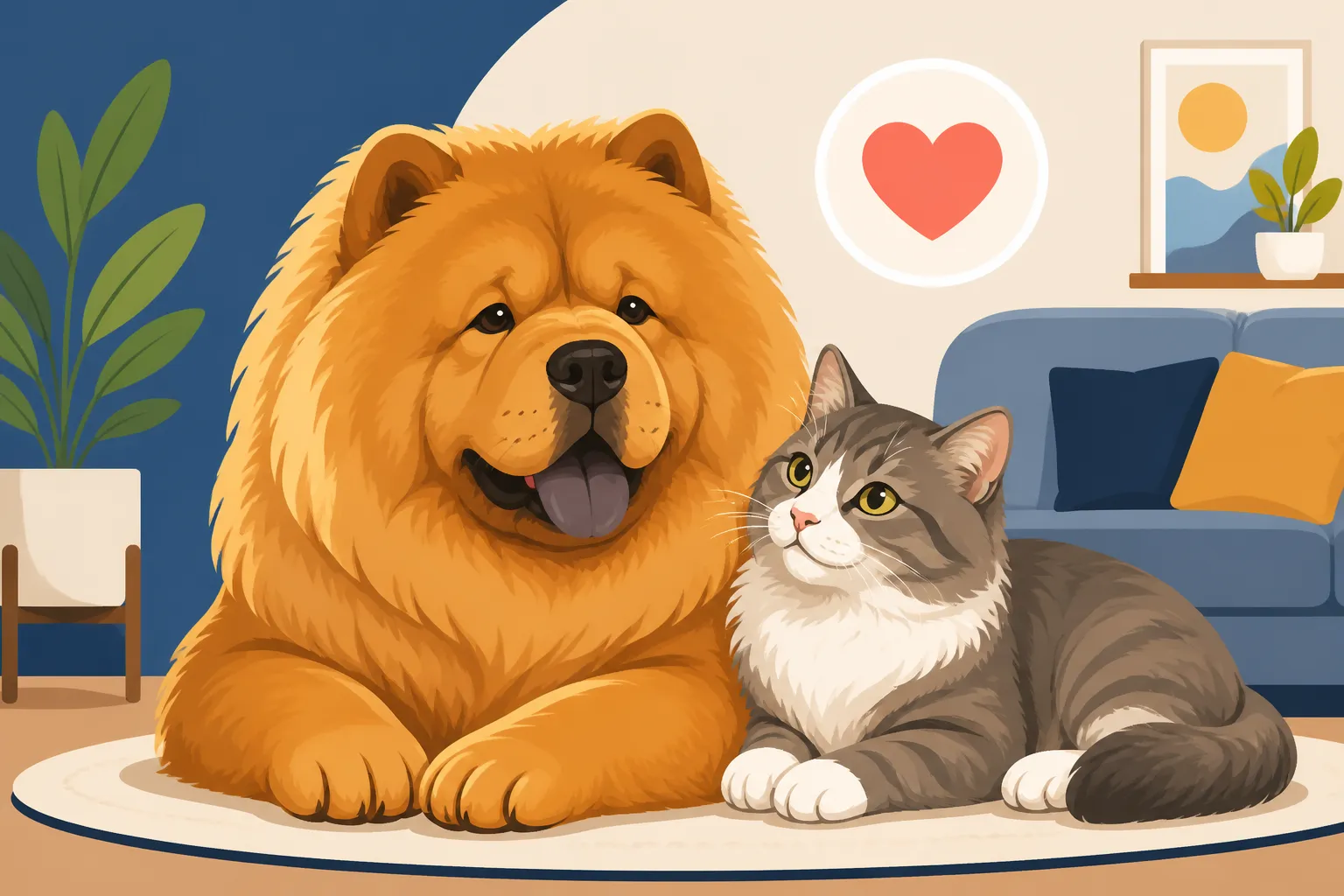
The ultimate goal for a Chow Chow and a cat isn't necessarily for them to be best friends, curled up together on the sofa (though some amazing pairs do achieve this!). For many, a respectful coexistence, where both animals can comfortably share the home without fear or aggression, is a huge success. This means continued vigilance and management. Never leave your Chow Chow and cat unsupervised until you are absolutely certain of their safety and comfort together, and even then, consider supervising during times of high energy or excitement.
Continue with daily routines that reinforce positive interactions. This could include parallel play, where both pets are in the same room but engaged in their own activities, receiving praise and treats for calm behavior. Ensure your Chow Chow receives plenty of individual attention and training sessions, so they don't feel jealous or neglected by the cat's presence. Remember, The Chow Chow Bonds to One Person and Tolerates the Rest, and that 'rest' can include other pets. Maintaining this balance ensures each animal feels valued and secure in their home.
The Evolving Relationship
Pets, like people, change over time. What works today might need adjustment in six months or a year. A young, playful cat might become more sedate with age, or a mature Chow Chow might develop health issues that make them less tolerant of a boisterous feline. Keep an eye on the dynamic. Are there new tensions? Is one pet avoiding certain areas? Are there subtle shifts in body language? These observations will tell you if your management strategies need tweaking.
Celebrate the small victories: a shared nap across the room, a sniff that doesn't escalate, or simply ignoring each other peacefully. It's a testament to your hard work and understanding of their unique personalities. While Chow Chows are known for their independent spirit, with patience, consistent training, and thoughtful management, it's entirely possible to achieve a harmonious and loving home for both your lion-dog and your graceful feline.
Disclaimer
This article is for general informational purposes only and does not constitute professional advice. Laws, prices and regulations vary by location and change over time. Consult a qualified professional for guidance on your specific situation.