Whether a Chow Chow Guards Its Food
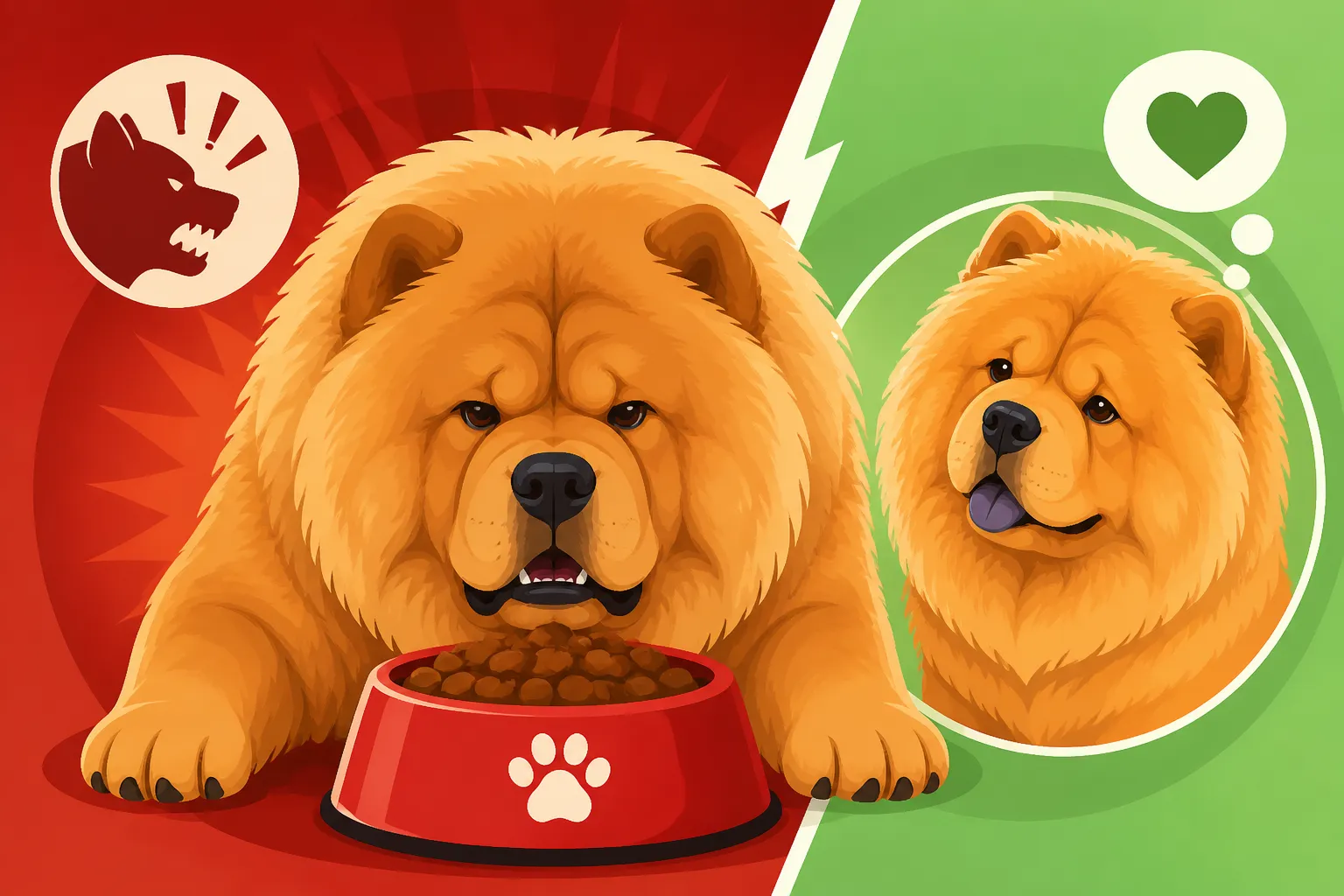
One of the most common worries new Chow Chow owners have, or even those considering bringing one of these magnificent dogs into their home, is their reputation for being rather guarded and aloof. While often misunderstood, this territorial nature can sometimes manifest as resource guarding, and food is one of the most common resources. It's a genuinely frustrating and sometimes scary problem to face, wondering if your beloved companion might snap over their dinner. This guide aims to demystify food guarding in Chow Chows, help you understand why it happens, recognize the signs, and, most importantly, provide actionable steps to prevent and manage it, ensuring a harmonious and safe home for everyone.
Understanding Why Your Chow Chow Might Guard Food
It's easy to personalize resource guarding, feeling like your Chow Chow is intentionally being "naughty" or disrespectful. But truly, this behavior is far more rooted in canine instinct and a Chow Chow's unique genetic predispositions than it is in malice. Understanding the 'why' is the first step toward effective management and building trust.
The Instinctual Roots of Resource Guarding
At its core, resource guarding is a deeply ingrained survival instinct shared by almost all animals, including dogs. In the wild, access to food, mates, and safe dens directly impacts survival. A dog guarding its food bowl is, in a very primal sense, ensuring its continued well-being. This isn't unique to Chow Chows; many breeds, and even mixed breeds, can exhibit this behavior. It’s a natural drive that can be exacerbated or minimized by genetics, early experiences, and environmental factors. For dogs, resources extend beyond food to include toys, beds, specific people, or even prime napping spots.
Imagine a scenario from their ancient past: a scarce resource like a freshly caught meal. The dog who successfully defends that meal is the one who eats, survives, and passes on its genes. Even in our modern homes, with abundant food, this hardwired instinct remains. It’s not about being aggressive for aggression's sake; it’s about a deep-seated desire to protect something valuable. This is why even a well-fed Chow Chow might suddenly tense up when you approach their bowl—their ancient brain is shouting "protect the sustenance!"
Chow Chow Temperament and Possessiveness
While resource guarding is universal, certain breed traits can certainly amplify it. Chow Chows are known for their independence, their dignified aloofness, and often, their strong protective instincts. They are historically guardians, whether of property, livestock, or family, which means they are inherently watchful and ready to defend what they consider theirs. This guardian nature, coupled with their tendency to bond very strongly with one or two primary people and tolerate others, can sometimes extend to possessiveness over resources.
Consider their territorial nature, which is a hallmark of the breed. How Territorial a Chow Chow Is This isn't just about guarding the house or yard; it can easily translate to anything within their perceived domain, including their food bowl. They aren't necessarily "sharing" by nature, as many other dog breeds are. A Chow Chow often has a very clear idea of what belongs to them, and they might not appreciate perceived challenges to that ownership. It's not uncommon for them to be possessive of toys, sleeping spots, or even their chosen human, let alone their dinner.
Their naturally reserved demeanor also plays a role. Unlike some breeds that might offer clear, effusive warnings, a Chow Chow's communication can be more subtle, leading to misunderstandings. Their "scowl" is part of their charm, but it can also mask underlying tension or discomfort that might precede a guarding display.
Past Experiences and Learned Behavior
Beyond instinct and breed traits, a Chow Chow's individual history significantly shapes its behavior. Dogs who have experienced scarcity, competition for food, or neglect in their past are far more likely to develop resource guarding issues. This is especially true for rescue Chows who may have spent time in shelters, where meal times are often fast-paced and competitive, or who came from homes where they weren't fed regularly or had to fight for scraps.
A dog that has learned that a growl or snap successfully keeps people or other animals away from its food will repeat that behavior. Even if you, as a well-meaning owner, back off when your Chow Chow growls, you're inadvertently reinforcing that the growl works. They learn that these warning signals are effective tools. It’s a common cycle: the dog guards, the person retreats, the dog’s behavior is rewarded. This is why addressing resource guarding requires a thoughtful and consistent approach to break this learned pattern.
Even in well-adjusted puppies from reputable breeders, inadvertent reinforcement can occur. Perhaps a child consistently approaches the food bowl and is then quickly pulled away by a parent after the puppy gives a low growl. The puppy quickly learns to associate the growl with getting what it wants: undisturbed mealtime. This kind of nuanced interaction can be difficult to spot, but it's critical to understand when trying to modify behavior.
Recognizing the Subtle and Obvious Signs of Food Guarding
Identifying food guarding isn't always about a dramatic, snarling display. Often, a Chow Chow will give a range of subtle signals long before they escalate to overt aggression. Learning to read these early warning signs is crucial for both prevention and safe intervention. It’s about understanding their unique communication style, which, as discussed, can be more understated than other breeds.
Early Warning Signals
Chow Chows, with their deep-set eyes and dense coat, can sometimes be harder to read than other breeds. However, there are still clear indicators that your Chow Chow is feeling possessive about their food. One of the earliest signs is a sudden stiffening of the body when someone approaches their bowl. Their posture might become rigid, their head might lower, and they might freeze in place, often with their ears slightly back or focused intently on the approaching person or animal. They are communicating, "Don't come closer." Signs a Chow Chow Is Uncomfortable
Another common early signal is a rapid increase in eating speed. If your Chow Chow suddenly inhales their food much faster than usual when you enter the room, they might be trying to finish before you can "take" it. You might also notice them placing their body over the food bowl, physically blocking it from view, or even pushing the bowl with their nose to a more secluded spot. A low, rumbling growl, barely audible, or a hard stare with unblinking eyes are also classic early warnings. They might stop chewing momentarily, their eyes tracking your movements, before resuming their meal with renewed intensity.
These subtle cues are often missed, especially by children, leading to sudden, seemingly unprovoked escalation. They are your Chow's way of saying, "I'm uncomfortable, please give me space," and recognizing them allows you to intervene safely before the situation worsens. It’s a polite, albeit firm, request for distance, and ignoring it forces the dog to employ more pronounced methods.
Escalating Behaviors
If the subtle warnings are ignored or not understood, a Chow Chow's food guarding behavior can quickly escalate. This is where the situation becomes genuinely dangerous. The low growl might intensify into a sustained, guttural rumble, often accompanied by a baring of teeth – a flash of canines, usually with the lips pulled back to expose them fully. Their facial expression will harden, and their scowl will become much more pronounced and menacing.
The next stage often involves a snap, a quick lunge, or a mock bite that doesn't make contact but is a clear warning shot. This is the dog saying, "I warned you, and now I'm prepared to defend." If these warnings are still unheeded, or if the dog feels cornered or highly threatened, an actual bite can occur. It's critical to understand that even at this stage, the dog is usually trying to avoid a confrontation by sending increasingly severe signals. They are not necessarily trying to cause harm as much as trying to make the threat go away.
It's important to remember that these escalating behaviors are not a sign of a "bad" dog, but a dog that is feeling deeply insecure and threatened about a valuable resource. The goal isn't to punish these behaviors, as that often exacerbates the problem, teaching the dog to skip the warnings and go straight to biting out of fear. Instead, the focus should be on prevention and creating positive associations, ensuring the dog never feels the need to escalate in the first place.
Proactive Strategies to Prevent Food Guarding in Chow Chows
The best approach to food guarding is always prevention. Starting early, building a strong foundation of trust, and managing the environment can largely mitigate the risk. This is particularly important for a breed like the Chow Chow, where their independent and protective nature means that early, consistent, and positive training methods are paramount.
Building Trust and Positive Associations
From the moment you bring your Chow Chow puppy home, you want them to associate your presence around their food with good things, not threats. Hand-feeding is one of the most powerful tools for building this positive association. Instead of just putting a bowl down, hold a portion of their meal in your hand and let them eat from it, then put the rest in the bowl. Do this for several days or weeks, gradually increasing the distance from which you offer the food. This teaches them that your hand near their food means more food, not less.
Another excellent technique is the "trade up" game. While your Chow Chow is eating, approach calmly and drop a super high-value treat (something they absolutely adore, like a piece of cooked chicken or cheese) near their bowl. Don't touch the bowl or try to take anything. Just drop the treat and walk away. They will learn that your approach means an even better reward is coming. Over time, you can gradually move closer, or even briefly pick up the bowl, immediately placing a high-value treat in it before putting it back down. The key is never to take something without giving something of equal or greater value in return. This builds a powerful sense of generosity and trust.
Consistency is key here. Every single interaction around the food bowl should reinforce this positive message. Avoid teasing, roughhousing near the bowl, or allowing children to disturb a feeding Chow Chow. This consistent, positive reinforcement is far more effective than any punishment, which can actually worsen guarding behaviors by increasing fear and defensiveness. Remember, A Chow Chow Trains by Agreement, Not Obedience, so fostering a sense of mutual respect and positive exchange is vital.
Managing the Feeding Environment
The physical environment where your Chow Chow eats plays a huge role in their sense of security. Always feed your Chow Chow in a quiet, undisturbed location where they can eat without feeling rushed, threatened, or surprised. This might be a separate room, their crate, or a designated corner away from high-traffic areas in the home. If you have multiple pets, feed them separately to prevent competition and perceived threats. This eliminates any potential for sibling rivalry or resource competition that could trigger guarding instincts.
Consider the type of feeding equipment you use. Some dogs feel more secure eating from a heavy ceramic bowl that won't slide around, while others might benefit from a slow-feeder bowl or puzzle feeder bought from a retailer like Amazon, which extends mealtime and makes it less of a frantic gulp-and-guard situation. These bowls can also provide mental stimulation, turning mealtime into a positive enrichment activity rather than a race against perceived threats. Ensure that their eating spot is comfortable and that they have plenty of fresh water nearby.
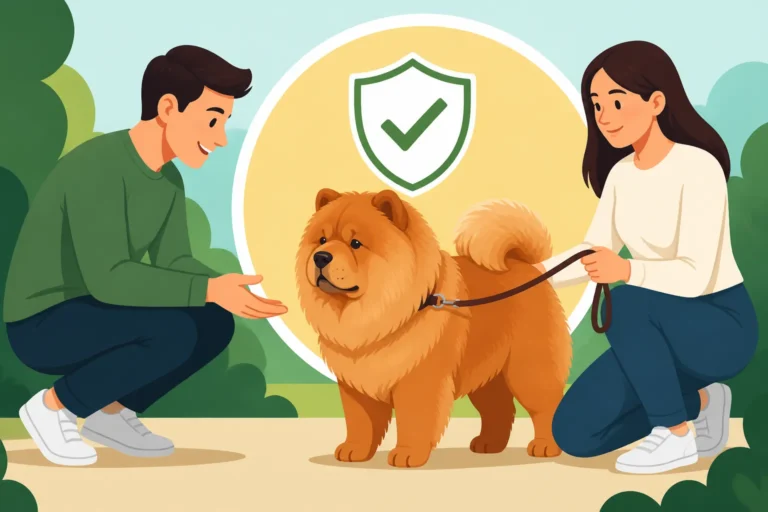
It’s equally important to establish clear boundaries for family members, especially children. Explain to children (and remind adults) that a Chow Chow eating is like a human eating; they need their space and should not be disturbed. Never allow children to take food or toys from a Chow Chow, and supervise all interactions closely. This is vital for safety, as a Chow Chow's tolerance for childish antics near their food might be very low. How a Chow Chow Behaves With Children
The Importance of Early Socialization and Training
Proper socialization from a young age is incredibly important for Chow Chows, and it directly impacts how they perceive and react to novel situations, including sharing resources. An undersocialized Chow Chow is more likely to be wary, fearful, and defensive, making resource guarding a higher probability. Exposing your puppy to a wide variety of sights, sounds, people, and calm, polite dogs during their critical socialization window (before 16 weeks) helps them develop confidence and resilience. Why Early Socialization Decides What a Chow Chow Becomes
This doesn't mean throwing them into a dog park free-for-all, which can actually be detrimental for a Chow Chow. Instead, focus on controlled, positive exposures. Puppy classes, like those recommended by online training platforms such as BAXTER & Bella, can be invaluable for structured socialization and teaching basic obedience in a safe environment. These programs often emphasize positive reinforcement and help build a confident, well-adjusted dog.
Basic obedience commands like "sit," "stay," and "leave it" are also foundational. Teaching a solid "leave it" can be a lifesaver, allowing you to redirect your Chow Chow's attention away from a guarded item. A reliable recall is also crucial; if your Chow Chow ever gets hold of something inappropriate, you want to be able to call them away from it safely. Teaching a Chow Chow a Reliable Recall Consistent positive reinforcement training helps your Chow Chow see you as a benevolent leader rather than a competitor for resources.
Managing and Modifying Existing Food Guarding Behaviors
If your Chow Chow is already exhibiting food guarding behavior, it’s understandable to feel worried. The good news is that with patience, consistency, and the right approach, this behavior can be managed and often significantly improved. However, safety must always be your number one priority.
Safety First
When dealing with an existing food-guarding issue, the immediate priority is to ensure the safety of everyone in the household, especially children and other pets. This means managing the environment to prevent any triggers. Feed your Chow Chow in a secure, separate area where no one, human or animal, can approach them while they are eating. This might be a crate, a designated room with a baby gate, or even outside if weather permits and they are secure.
Do not allow children to be unsupervised with a Chow Chow that guards food. Teach children to never approach a dog who is eating, chewing on a toy, or sleeping. How a Chow Chow Behaves With Children If you have other dogs or cats, they absolutely must be fed in separate areas to prevent any confrontations. How a Chow Chow Gets Along With Other Dogs Until the behavior is under control, consider tethering your Chow Chow to a heavy piece of furniture or using a long leash while they eat if you cannot separate them fully, just to create a safe distance.
It's also crucial to avoid any punitive measures. Yelling, scolding, or physically punishing a Chow Chow for guarding will almost certainly backfire. It will increase their fear and anxiety, making them more likely to guard and potentially less likely to give warning signs before resorting to a bite. Why Harsh Correction Backfires on a Chow Chow Your goal is to change their emotional response to your presence around their food, not to suppress their natural warnings through fear.
Desensitization and Counter-Conditioning Techniques
Once safety measures are in place, you can begin working on modifying the behavior using desensitization and counter-conditioning. This process gradually changes your Chow Chow's negative emotional association with your presence near their food to a positive one. This method is slow and requires immense patience.
Step-by-step example:
- Start from a distance: Begin by standing far enough away that your Chow Chow doesn't react negatively to your presence while eating. This might be across the room or even just in the doorway.
- Toss high-value treats: While your Chow Chow is eating their regular meal, calmly toss a highly desirable treat (like small pieces of cooked chicken, cheese, or hot dogs) into their bowl or next to it, from your safe distance. Then, calmly walk away.
- Repeat and gradually reduce distance: Repeat this many times over several sessions, days, or even weeks. The goal is for your Chow Chow to start associating your approach with receiving something even better than what's already in their bowl. Once they seem relaxed and happy to see you approach (perhaps even looking up expectantly for the treat), you can incrementally decrease the distance from which you toss the treat.
- Practice "trade up" (advanced stage): Once they are comfortable with you standing right next to them while they eat, you can introduce the "trade up" game. Briefly touch their bowl while tossing a treat, then put it back. Eventually, you can briefly pick up the bowl, immediately placing a higher-value treat in it, then returning it. Always give something better than what you "took."
This process should always be positive and never rushed. If your Chow Chow shows any signs of discomfort (stiffening, growling, staring), you've gone too fast. Go back to the previous step where they were comfortable and work more slowly. This methodical approach builds trust and confidence, transforming mealtime from a potential conflict zone into a positive interaction. Remember, Chow Chows excel with training by agreement, where they willingly participate because they understand the positive outcome.
When to Seek Professional Help
While these techniques are effective, modifying established food guarding behavior can be challenging and carries a risk of bites, especially with a strong-willed breed like the Chow Chow. If you are seeing consistent growling, snapping, or any biting, or if you simply feel overwhelmed or unsafe, it is absolutely critical to seek help from a qualified professional. Do not try to handle severe cases on your own.
Look for a certified professional dog trainer or a veterinary behaviorist who uses positive reinforcement methods and has experience with resource guarding. Avoid trainers who advocate for punitive methods, dominance theories, or "alpha" techniques, as these can severely damage your Chow Chow's trust and escalate aggressive behaviors. A professional can assess your specific situation, provide a tailored behavior modification plan, and guide you safely through the process. Whether a Chow Chow Needs a Professional Trainer Early They can teach you how to read your Chow Chow's body language more accurately and implement strategies that build confidence rather than fear, leading to a safer and happier relationship for both of you.
They might suggest specific management tools, structured exercises, or even refer you to your vet for potential medical issues that could be contributing to anxiety or aggression. Remember, asking for help is a sign of responsible pet ownership, not failure.
Disclaimer
This article is for general informational purposes only and does not constitute professional advice. Laws, prices and regulations vary by location and change over time. Consult a qualified professional for guidance on your specific situation.