How a Chow Chow Gets Along With Other Dogs
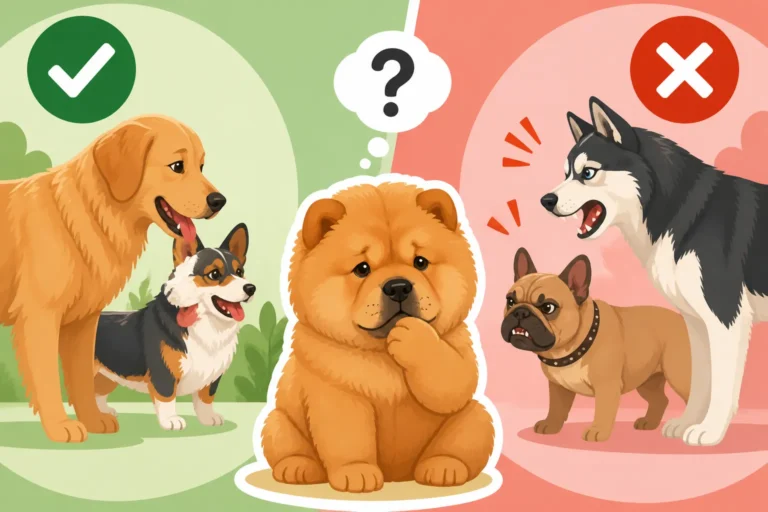
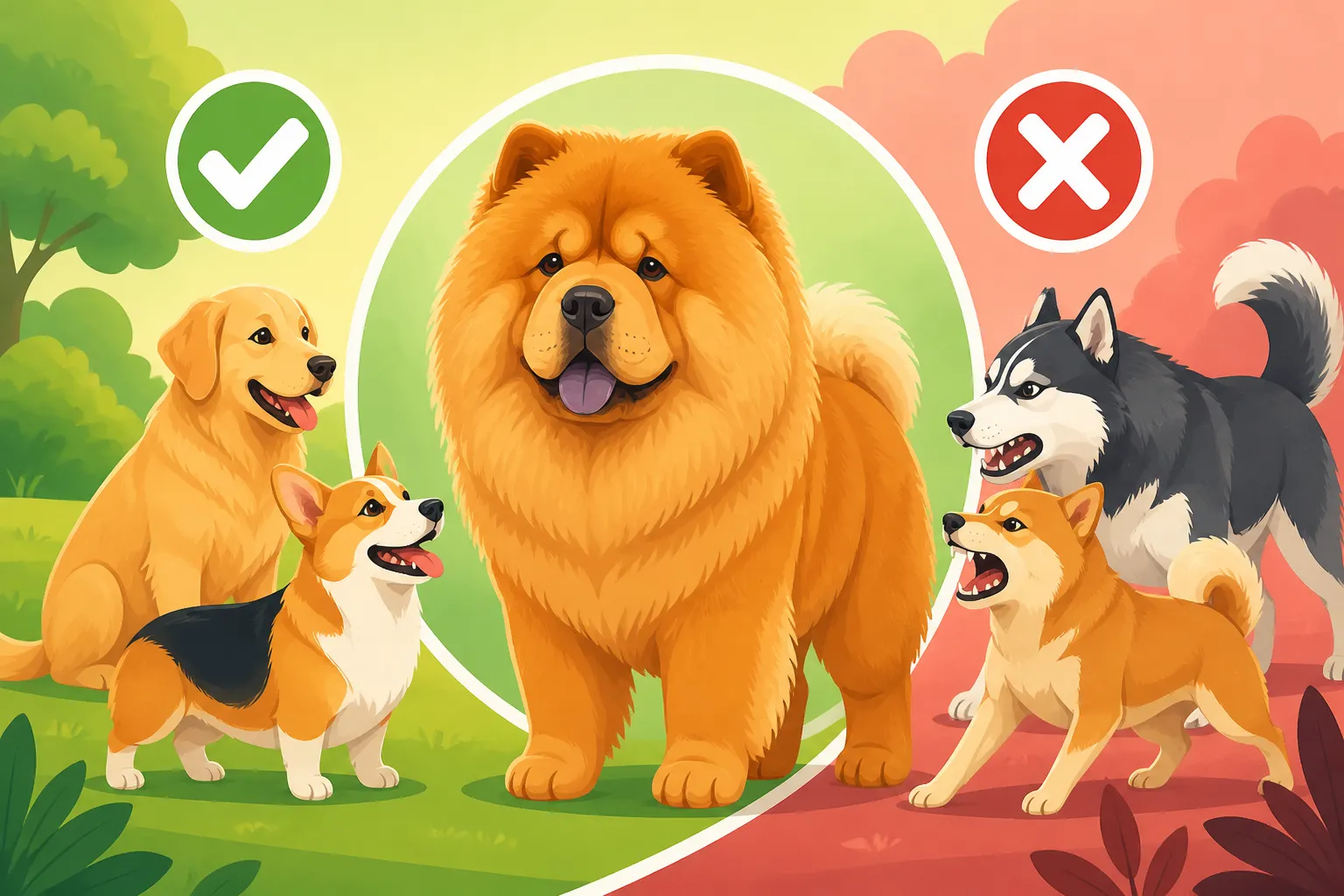
Many Chow Chow owners find themselves in a unique situation when it comes to their beloved fluffball interacting with other dogs. Unlike some more overtly social breeds who greet every passing canine with tail wags and an invitation to play, Chows often have a very different approach. This can lead to awkward park encounters, frustrated training attempts, and genuine concern about their dog's well-being and safety around others. This guide is here to unravel the complexities of Chow Chow canine relationships, offering realistic expectations and practical advice for fostering harmonious interactions, whether you're introducing a new dog or managing existing friendships.
The Chow Chow's Innate Nature Towards Other Dogs
It's tempting to think every dog is a social butterfly, but with Chow Chows, that simply isn't their default setting. Their history, genetics, and breed characteristics all play a significant role in how they perceive and interact with other canines, often leading to misunderstandings if we project typical dog behaviors onto them.
A Legacy of Solitude and Purpose
Chow Chows come from a long line of working dogs in ancient China, where they weren't necessarily bred for large pack living or communal hunting alongside other dogs. Instead, their roles often revolved around guarding, herding, and even hunting independently or in small, purpose-driven pairs. This history instilled in them a self-reliant, often aloof nature. They weren't meant to be the life of the dog park party; they were meant to be focused and discerning in their duties. This means that while some Chows might tolerate other dogs, few genuinely crave extensive social interactions in the same way a Labrador or a Golden Retriever might. They tend to be more selective, valuing their personal space, and often preferring the company of their chosen human family.
This historical context helps us understand why many Chow Chows don't naturally seek out boisterous playgroups. Their guarding instincts, combined with their deep loyalty to their immediate family, can make them wary of strangers, both human and canine. This isn't aggression for aggression's sake; it's often a deeply ingrained protective instinct. They are often perceived as stubborn or aloof, but it's more about their independent spirit and how they were developed over centuries to be self-sufficient companions and guardians rather than gregarious pack animals.
The Importance of Early Genetic Predisposition
Just like with any breed, genetics play a huge part in a Chow Chow's temperament, and this extends directly to their interactions with other dogs. While early socialization is crucial, it's vital to acknowledge that it cannot fundamentally change a dog's inherent genetic predispositions. A Chow Chow bred from lines known for strong dog-dog aggression or extreme introversion will likely require more diligent management and training, regardless of how much effort you put into early experiences. A responsible breeder will be transparent about the temperaments of the parent dogs and previous litters, which can give you a valuable insight into what to expect.
It’s not uncommon for owners to struggle with a Chow Chow that, despite best efforts, simply isn't keen on other dogs. This isn't a failure on the owner's part; it's often a reflection of the breed's natural tendencies. Some Chows are simply predisposed to being "one-dog dogs" or prefer the company of specific, carefully chosen canine friends rather than a broad social circle. This reality can be tough to accept, especially if you dreamed of a dog that would happily romp with every pup at the park, but understanding this predisposition is the first step toward managing it effectively and ensuring your Chow Chow's comfort and safety.
Assessing an Individual Chow's Temperament
Every Chow Chow is an individual, of course, and while the breed tends toward aloofness, there's a spectrum of temperaments. Some Chows are more tolerant, perhaps even enjoying a polite sniff-and-pass with a calm, well-mannered dog, while others might prefer to completely ignore other canines, finding them irrelevant to their existence. It's crucial to observe your specific Chow Chow closely to understand their comfort levels. Are they simply ignoring other dogs, or are they stiffening, growling, or showing other signs of distress?
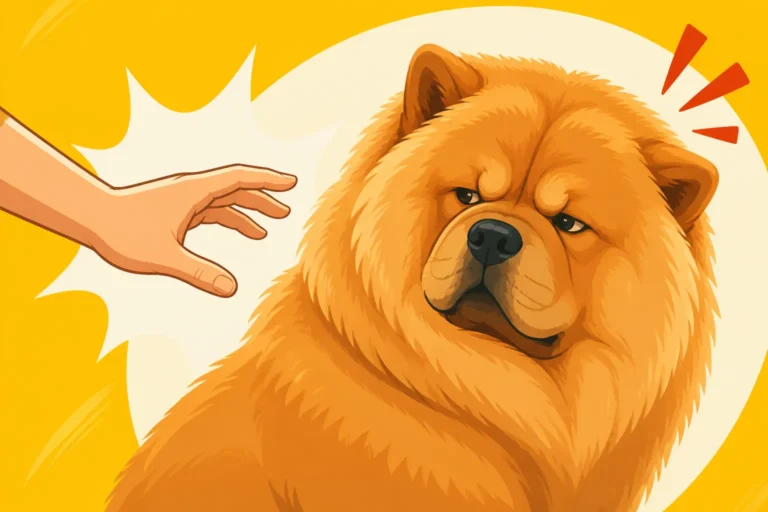
Pay attention to subtle cues: a slight turn of the head, a tense posture, a quick lick of the lips, or a low growl that might be hard to hear under all that fur. Don't push your Chow into interactions they clearly don't want. Forcing a nervous or reactive Chow Chow into a social situation can backfire dramatically, leading to fear, increased reactivity, or even a bite incident. Respecting their boundaries is paramount, both for their well-being and for preventing negative encounters. Understanding How to Read a Chow Chow's Face can be immensely helpful here, as their expressions can be subtle.
Early Socialization: A Critical Foundation, Not a Guarantee
Socialization is a buzzword in dog ownership, and for good reason. For Chow Chows, it's not about turning them into overly gregarious socialites, but about teaching them how to exist calmly and confidently in a world filled with other dogs, without fear or aggression.
The Brief Window of Opportunity
The most crucial period for socialization in a Chow Chow puppy, like most breeds, is typically between 3 and 16 weeks of age. This is the time when their brains are like sponges, absorbing new experiences and forming associations that will last a lifetime. Exposing your Chow Chow puppy to a variety of sights, sounds, people, and, yes, other appropriate dogs during this window is vital. Appropriate means calm, vaccinated, healthy, and tolerant adult dogs who are good role models, not boisterous puppies who might overwhelm or frighten a sensitive Chow. Missing this window, or having negative experiences within it, can make later socialization efforts significantly more challenging. Think of it as laying down the foundational wiring for how they perceive the world. When a Chow Chow's Socialization Window Closes can offer more insights into this critical period.
It's not about flooding them with experiences; it's about positive, controlled exposures. A good breeder will have already started this process, introducing the puppies to various sounds and gentle handling. When you bring your puppy home, continue these efforts. Short, positive interactions are key. For instance, letting your puppy observe other calm dogs from a distance while rewarding them with high-value treats can build positive associations without forcing direct interaction. The goal isn't necessarily that they play with every dog, but that they learn to see other dogs as neutral, non-threatening parts of their environment.
Controlled Exposures Versus Free-For-All
For Chow Chows, quality trumps quantity when it comes to social interactions. Simply taking your Chow to a dog park and letting them loose among dozens of unknown dogs is often a recipe for disaster. This breed thrives on predictability and can quickly become overwhelmed or defensive in chaotic, uncontrolled environments. Instead, focus on controlled, positive exposures. This might mean parallel walking with a friend's calm dog, attending well-structured puppy classes (if your Chow is amenable), or supervised one-on-one playdates with a known, friendly dog. The goal is to teach your Chow that other dogs exist and that their presence doesn't necessarily mean a threat, not to turn them into a wrestling buddy for every dog they meet.
Consider enrolling in an online puppy training program, such as those offered by BAXTER & Bella, which often provide guidance on structured socialization at home and in controlled environments. These resources can help you understand how to expose your puppy to new stimuli without overwhelming them. Remember, for a Chow, a successful "social" outing might simply mean walking past another dog on the street without a reaction, not playing tug-of-war. Understanding How Much Socialization a Chow Chow Puppy Needs is crucial here. Focus on calm neutrality rather than forced friendships.
Managing Puppy Playdates Safely
If you do arrange playdates for your Chow Chow puppy, choose companions wisely. Opt for dogs that are known to be gentle, patient, and good at reading social cues. Avoid dogs that are overly rambunctious, dominant, or prone to resource guarding, as a negative early experience can set your Chow back significantly. Always supervise play closely, keeping sessions short and positive. Look for signs of stress or discomfort in your Chow, such as lip licking, yawning, turning away, or stiff body language, and intervene before things escalate.
Keep in mind that even well-socialized Chow Chows can develop same-sex intolerance as they mature. This isn't unusual for many guardian breeds. So, while puppy playdates are valuable, they aren't a guarantee of lifelong canine camaraderie. It's about building a foundation for tolerance and appropriate responses, rather than deep friendships with all dogs. An Amazon training tether or a long line can be a great tool for supervised outdoor meetings, allowing your Chow space while still maintaining control. An undersocialized Chow can become quite wary of new dogs, and understanding What an Undersocialized Chow Chow Becomes highlights the importance of these early interactions.
Understanding Canine Communication in Chow Chows
Chow Chows communicate differently than many other breeds, and their unique physical characteristics can sometimes make their signals harder for other dogs – and humans – to interpret. This can unfortunately lead to misunderstandings and conflict.
Subtle Cues and Misinterpretations
One of the biggest challenges in dog-dog interactions with a Chow Chow is their sometimes subtle and often misunderstood body language. While many dogs use exaggerated tail wags, play bows, and floppy ears to signal friendly intentions, a Chow Chow's dense fur, erect ears, and naturally curled tail can obscure these universal canine signals. Their deep-set eyes, characteristic "scowl," and stiff gait also contribute to a less expressive overall appearance, which other dogs might misinterpret as aloofness, challenge, or even aggression. Why a Chow Chow's Deep Set Eyes Limit What It Sees is also a factor, impacting how they perceive approaching dogs and how they might react.
For example, a Chow Chow's tail curled tightly over its back might be its normal resting position, but to another dog, a high, stiff tail can be a sign of arousal, dominance, or even an impending challenge. Their lack of overt "friendly" signals can lead other dogs to approach them with caution, or worse, to try and assert dominance over what they perceive as an unresponsive or unfriendly peer. It's crucial for us, as their human companions, to be vigilant and act as interpreters, advocating for our Chow's space and preventing unwanted interactions that could escalate due to miscommunication.
Recognizing Stress and Aversion
Because their overt communication can be subtle, it's vital for Chow Chow owners to become experts at recognizing their dog's more nuanced signs of stress, discomfort, or aversion towards other dogs. These might include lip licking, yawning (when not tired), turning their head away, avoiding eye contact, sniffing the ground excessively, a frozen or stiff posture, or a slight shift of weight away from the approaching dog. Some Chows might also give a low, rumbling growl, which is a warning sign that absolutely should be respected. Ignoring these early signals can lead to a more severe reaction.
It's tempting to think your Chow is "just being a Chow" when they seem to ignore other dogs, but often, this apparent aloofness is a coping mechanism for anxiety or discomfort. They might be trying to make themselves invisible, hoping the other dog will pass by without interaction. Recognizing these Signs a Chow Chow Is Uncomfortable is paramount for preventing conflict. Your job is to intervene before your Chow feels the need to escalate to a growl or snap, giving them space and removing them from the stressful situation.
The "Chow Scowl" and its Ambiguity
The Chow Chow's distinctive facial features, including the heavy brow and deep-set eyes, give them what is often called a "scowl" or "frown." While endearing to many Chow enthusiasts, this natural expression can be highly ambiguous to other dogs and even to unfamiliar people. A dog that naturally looks serious or stern can easily be perceived as unfriendly or aggressive by others, regardless of its true intentions. This can lead to other dogs being wary or, conversely, being drawn to challenge what they perceive as a confrontational stance.
This ambiguity means that even a perfectly content Chow Chow, simply observing its surroundings, might be broadcasting unintended signals to other canines. This is why vigilance is so important when your Chow is in the vicinity of other dogs. You need to be ready to step in, to explain to other owners that your dog isn't necessarily being aggressive, or to simply create distance if the other dog isn't responding well to your Chow's unique presentation. Understanding How to Read a Chow Chow's Face can help you differentiate between its natural expression and genuine signs of concern.
Introducing a Chow Chow to a New Canine Companion
Bringing a new dog into a home with an existing Chow Chow, or introducing your Chow to a friend's dog, requires careful planning, patience, and realistic expectations. Rushing the process can easily create long-lasting animosity.
Neutral Territory and Leash Management
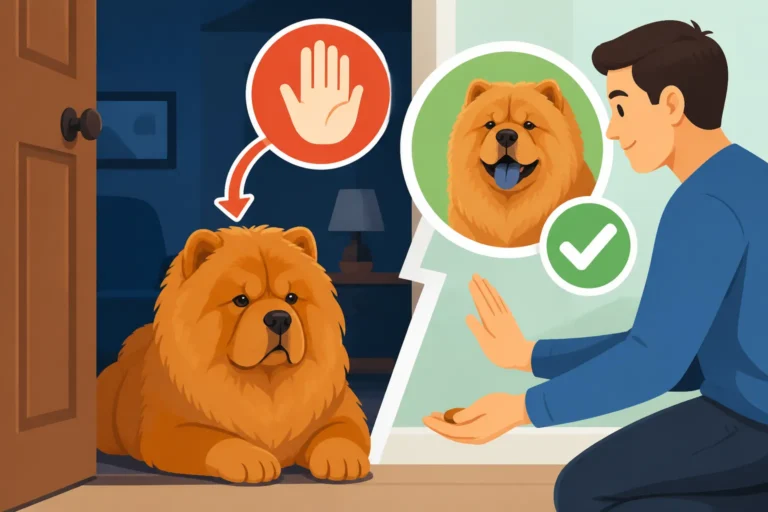
When introducing a Chow Chow to a new canine companion, the absolute golden rule is to do it on neutral territory. This means a park, a quiet street, or an unfamiliar open space, not your backyard or living room, which your Chow considers their personal domain to guard. Both dogs should be on leashes, handled by separate, confident individuals. Start with a parallel walk at a distance where neither dog is reacting negatively, slowly decreasing the distance as they show calm acceptance of each other's presence. The goal here is to allow them to gradually become aware of each other without the pressure of direct, nose-to-nose greetings.
Avoid tight leashes, which can signal tension to both dogs. Keep the encounter brief initially, ending on a positive note. Do not force an immediate meet-and-greet. Many Chows benefit from multiple "drive-by" encounters over several days before any direct interaction is attempted. You can use a specific training lead, readily available on Amazon, that helps manage distance and provide security during these initial stages. The emphasis is on management and control, ensuring no dog feels threatened or trapped.
Gradual Integration and Supervision
Once initial neutral territory introductions have gone well, with calm body language from both dogs, you can move to more direct, but still controlled, interactions. This might involve short, supervised off-leash play in a securely fenced, neutral area, or brief leashed greetings in a familiar, but still non-territorial, outdoor space. Keep these interactions short and positive, ending before either dog shows signs of fatigue or irritation. Always have an exit strategy and be prepared to separate them immediately if tensions rise.
Bringing a new dog into the home should also be a slow, staged process. Never leave a newly introduced Chow Chow and another dog unsupervised, especially during the first few weeks or even months. Use crates, baby gates, or separate rooms to give each dog their own space and quiet time. Feed them separately to prevent any potential resource guarding issues. Consistency and calm leadership from you are paramount in establishing a clear, respectful dynamic between the dogs.
Establishing Individual Spaces
This point cannot be stressed enough: every Chow Chow, especially in a multi-dog household, needs its own sanctuary. This means a private crate, a specific bed in a quiet room, or an area behind a baby gate where they can retreat and be undisturbed. This personal space is crucial for their mental well-being and helps prevent conflicts over resources or territory. Chows are inherently private dogs, and having their own quiet corner where no other dog can bother them is a vital stress reliever.
Ensure each dog has its own food bowls, water bowls, and toys, and feed them in separate locations. Rotate toys to prevent possessiveness. Providing individual attention and training sessions to each dog can also help reduce jealousy and foster a stronger bond with you. Remember, Which Pairing Works Best for a Chow Chow often involves careful consideration of individual personalities and the willingness to provide ample personal space. This thoughtful management is key to preventing territorial disputes and promoting a peaceful coexistence.
Managing Multi-Dog Households with a Chow Chow
Living with multiple dogs, one of whom is a Chow Chow, requires constant vigilance, clear rules, and an understanding of the Chow's inherent nature. It's a commitment to management and proactive problem-solving.
Resource Guarding Realities
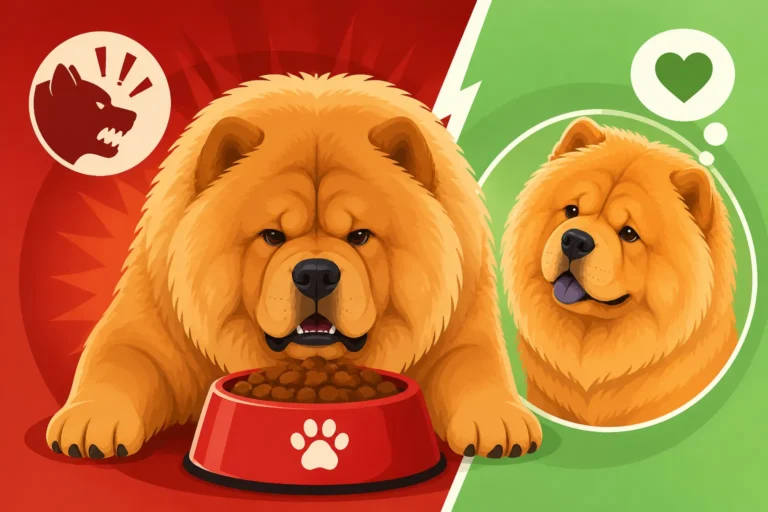
Chow Chows, by their nature, can be prone to resource guarding. This instinct stems from their historical roles as guardians and independent operators. They might guard food, toys, sleeping spots, their favored human, or even specific areas of the house. In a multi-dog household, this can quickly lead to conflict if not managed meticulously. It’s not about being "mean"; it's about protecting what they perceive as theirs.
To mitigate resource guarding, always feed dogs separately, ideally in different rooms or crates. Pick up all toys when you can't supervise. Never allow a "free for all" with high-value items like bones or chews. Teach your Chow a strong "leave it" command, which can be invaluable. If your Chow shows any signs of guarding, consult a professional trainer to implement a desensitization and counter-conditioning program. Understanding Whether a Chow Chow Guards Its Food is crucial for setting up your household for success and preventing serious altercations. Preventative measures are always easier and safer than reacting to a fight.
Same-Sex Aggression Considerations
It's a common observation among Chow Chow owners and breeders that these dogs, particularly males, can exhibit same-sex aggression. This means two male Chow Chows, or sometimes two female Chow Chows, may not coexist peacefully, especially after they reach maturity. This isn't a universal truth, and exceptions exist, but it's a significant factor to consider when planning a multi-dog home. This aggression often isn't about outright fighting from the start; it can manifest as subtle challenges, stiff body language, stare-downs, or escalating tension over resources or perceived status.
If you already have a Chow Chow of one sex and are considering adding another, especially of the same sex, proceed with extreme caution and professional guidance. It's often recommended that if you plan to have multiple Chows, a male and a female pairing tends to have a higher chance of success, provided both are spayed/neutered. However, even then, careful management is still required. Why Two Same Sex Chow Chows Fight is a deep dive into this particular challenge and offers valuable insights for prevention.
Maintaining Peace and Order
A peaceful multi-dog household with a Chow Chow relies heavily on your ability to establish clear rules, maintain consistent routines, and act as a fair and consistent leader. Chows thrive on structure and knowing what is expected of them. Provide ample mental and physical exercise for each dog, as boredom and pent-up energy can contribute to irritability and conflict. This may mean separate walks or training sessions if the dogs aren't compatible for joint activities.
Regularly assess the dynamics between your dogs. Are there subtle signs of tension you're missing? Is one dog constantly deferring to the other, or are there frequent squabbles over prime resting spots? Don't hesitate to rearrange furniture, use gates, or create separate schedules to minimize potential flashpoints. For instance, using a baby gate to keep dogs separate when you're busy or away for a short time can be a simple, effective management tool. Knowing Whether a Dog Park Suits a Chow Chow for socialization is also part of maintaining peace and order, as avoiding overwhelming situations can prevent stress at home.
When Professional Help Becomes Essential
Sometimes, despite all your best efforts, managing a Chow Chow's interactions with other dogs can become overwhelming or dangerous. This is when it's absolutely crucial to seek professional help. There's no shame in admitting you need an expert; it's a responsible choice for everyone's safety and well-being.
Recognizing Escalating Problems
It's vital to recognize when your Chow Chow's interactions with other dogs are moving beyond "difficult" to "dangerous." Signs of escalating problems include frequent growling, snarling, lunging, biting (even if superficial), constant tension in the home, or an inability to safely be in the presence of other dogs without intense management. If you feel fearful or anxious when your Chow is around other dogs, or if you've had incidents where another dog or person has been injured, it's time to call in an expert. Don't wait until a serious incident occurs; early intervention is always best.
Ignoring these warning signs hoping they will "get over it" can have devastating consequences, not just for the other dogs involved, but for your Chow Chow's future and your peace of mind. A Chow Chow with a bite history, especially if it's towards another dog, can face significant restrictions, and rehoming options may become very limited. Taking proactive steps ensures their safety and the safety of the community.
Finding the Right Professional Trainer or Behaviorist
When seeking professional help, it's important to find someone qualified and experienced with Chow Chows or similar independent, sometimes challenging, breeds. Look for a certified professional dog trainer (CPDT) or a certified dog behaviorist (CDBC) who uses positive reinforcement and force-free methods. Avoid trainers who advocate for harsh corrections, intimidation tactics, or "alpha" theory, as these methods can severely backfire with a sensitive, proud breed like the Chow Chow, often escalating fear and reactivity.
Interview potential professionals. Ask about their experience with Chows and dog-dog aggression. Inquire about their methodology and what a typical training plan would look like. A good professional will involve you heavily in the process and focus on understanding the root cause of the behavior, rather than just suppressing symptoms. While resources like BAXTER & Bella offer excellent general training guidance, for specific behavioral challenges like aggression, one-on-one expert help is indispensable. Sometimes, Whether a Chow Chow Needs a Professional Trainer Early becomes clear when challenges arise.
Behavior Modification Techniques
A professional behaviorist will work with you to develop a tailored behavior modification plan. This often involves a combination of management strategies and specific training techniques. Management might include using muzzles during walks, ensuring clear sightlines to prevent startling, or simply avoiding situations where your Chow will encounter other dogs. Training techniques will focus on desensitization and counter-conditioning, helping your Chow to form positive associations with the presence of other dogs.
For example, this might involve slowly exposing your Chow to other dogs at a distance where they remain calm, and consistently rewarding that calm behavior with high-value treats. The distance is gradually reduced over time, always staying below the point where your Chow reacts negatively. This systematic approach, combined with consistent leadership and management from you, can help to reduce reactivity and build a more tolerant Chow Chow. While a complete personality overhaul is unlikely, significant improvements in safety and manageability are absolutely achievable. The goal is to reach a point where your Chow can exist calmly in the presence of other dogs, even if close friendships aren't on the cards. Whether a Chow Chow Can Be Rehabilitated Around Dogs demonstrates that with dedicated effort, positive changes are possible.
Disclaimer
This article is for general informational purposes only and does not constitute professional advice. Laws, prices and regulations vary by location and change over time. Consult a qualified professional for guidance on your specific situation.