How Much Water a Chow Chow Drinks in Summer
Summer is a beautiful time for many of us, filled with sunshine and outdoor activities. But for a Chow Chow owner, the rising temperatures can bring a wave of anxiety, especially when you're constantly wondering if your fluffy companion is staying adequately hydrated. It's a genuine worry, isn't it? Trying to figure out just how much water is enough, and if they're even drinking it, can feel like a high-stakes guessing game. This guide is here to take some of that stress away, diving deep into why Chows struggle with heat, how much water they truly need when the mercury climbs, and practical, empathetic ways to ensure your furry friend stays safe, cool, and well-hydrated.
Why Summer Hydration Is Such a Big Deal for Your Chow Chow
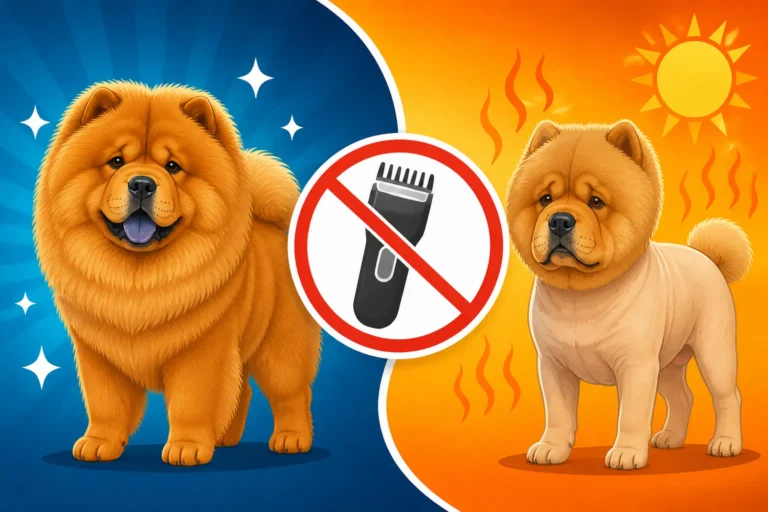
Let's be honest, Chow Chows aren't built for scorching summer days. Their glorious, dense double coat, while stunning in cooler climates, becomes a significant challenge when the sun beats down. It’s like wearing a heavy winter coat to the beach – you just can’t shed it easily. This makes them incredibly prone to overheating, and when a dog overheats, proper hydration becomes a critical, life-saving measure. It’s not just about comfort; it's about preventing dangerous health situations.
The Impact of the Chow Chow's Double Coat
Your Chow Chow's coat is a marvel of nature, designed to protect them from the elements. The thick outer guard hairs provide a barrier, while the dense, woolly undercoat insulates. In winter, this is fantastic, keeping them toasty warm. But in summer, that insulation traps heat against their body. They can't just unzip their coat or take it off. This unique physiology means they retain body heat far more easily than many other breeds. When they start to get too warm, their body tries to cool down through panting, which expels moisture. If they don't replenish that lost water, they quickly start heading towards dehydration, making it harder for their body to regulate its temperature. This vicious cycle can escalate rapidly, turning a warm day into a genuine emergency. It's why you'll often hear us emphasizing Why a Chow Chow's Double Coat Traps Heat and how crucial it is to manage their environment.
The Brachycephalic Challenge of a Chow Chow
Beyond their magnificent coat, Chow Chows also face another physiological hurdle: their relatively short muzzle, a characteristic known as brachycephaly. While not as extreme as some other brachycephalic breeds, their facial structure still affects their ability to cool down efficiently. Dogs primarily cool themselves by panting, which allows moisture to evaporate from their respiratory tract. A shorter muzzle means a smaller surface area for this evaporative cooling to occur, making their "built-in air conditioning system" less effective. This is why you'll often see Chows panting more heavily and for longer periods than a longer-nosed breed, even when not exerting themselves. That increased panting means increased water loss, further upping their hydration needs. Understanding Why a Chow Chow's Short Muzzle Cools Poorly is key to appreciating their vulnerability in hot weather.
The Danger of Overheating
It’s not just discomfort we’re talking about; overheating is a serious medical emergency for Chow Chows. Their inability to cool down efficiently, combined with their dense coat and brachycephalic features, means they can quickly progress from being a bit warm to experiencing heat exhaustion or, worse, life-threatening heatstroke. When this happens, their internal organs can start to shut down. Adequate water intake is the first line of defense against this. Water helps circulate blood, regulates body temperature, and ensures all their vital systems are functioning correctly. Without enough water, their body struggles to perform these essential tasks, and the risk of severe heat-related illness skyrockets. This is why we are so vigilant about recognizing Signs a Chow Chow Is in Heat Stroke and taking immediate action to prevent it.
Understanding Your Chow Chow's Water Needs in Hot Weather
Figuring out the exact amount of water your Chow Chow needs in summer isn't an exact science, but there are some solid guidelines. Unlike food, where precise measurements are often given, water intake can fluctuate wildly based on numerous factors. What's absolutely certain is that in hot weather, their need for water goes way up, and you need to be prepared to provide constant access and possibly even encourage them to drink more.
General Guidelines for Daily Water Intake
A general rule of thumb for dogs is about 1 ounce of water per pound of body weight per day. So, for a Chow Chow, which typically weighs between 45 to 70 pounds, that could mean anywhere from 45 to 70 ounces (about 1.3 to 2 liters) on a normal day. However, in summer, with increased temperatures and activity, this amount can easily double, or even triple, depending on the conditions. If it's a humid 90-degree day and your Chow Chow has been out for a short walk (which, let's be honest, should be avoided in peak heat!), they'll need significantly more than on a cool spring day. This isn't just a suggestion; it’s a critical benchmark to aim for to keep them healthy.
Here’s a rough guide for daily water intake in moderate versus hot conditions:
| Chow Chow Weight (lbs) | Moderate Weather (oz/day) | Hot Weather / Active (oz/day) |
|---|---|---|
| 45 | 45 – 55 | 60 – 90 |
| 55 | 55 – 65 | 75 – 110 |
| 65 | 65 – 75 | 90 – 130 |
| 70 | 70 – 80 | 100 – 140 |
Note: These are approximations. Always consult your vet for specific advice tailored to your dog.
Factors That Influence Water Consumption
Several elements play a role in how much your individual Chow Chow will drink. It’s a dynamic equation, not a static number.
- Temperature and Humidity: This is the most obvious factor. The hotter and more humid it is, the more your Chow will pant, and thus, the more water they'll lose and need to replace. On a stifling afternoon, even resting indoors, their body is working harder to stay cool.
- Activity Level: A short, slow walk during the cooler parts of the day will increase their water needs compared to lounging on the couch. Even mild play indoors can make them thirsty. Intense exercise, which should truly be avoided for Chows in summer, would demand massive water replenishment. We always emphasize When a Chow Chow Should Be Walked in Summer to prevent unnecessary heat stress and water loss.
- Diet: Dogs on a dry kibble diet will naturally drink more water than those on a wet or fresh food diet, which contains a higher percentage of moisture. If you feed a brand like Ollie, for instance, which offers fresh, moisture-rich meals, you might notice your Chow drinks slightly less, but they still need constant access to fresh water.
- Health Status: Certain health conditions can affect water intake. Dogs with kidney issues or diabetes might drink significantly more, while those with an upset stomach might drink less. Medications can also influence thirst. Always discuss any drastic changes in water consumption with your veterinarian, as it can be an early indicator of a developing health problem.
- Age: Puppies and senior Chows might have different hydration needs. Puppies are often more active and can dehydrate faster, while older Chows might have underlying health issues that affect their thirst or ability to get to water. Caring for a Chow Chow Past Eight often means being extra vigilant about their daily habits, including hydration.
Spotting the Red Flags: Dehydration in Chow Chows
The tricky part about dehydration is that by the time you notice obvious signs, your Chow Chow might already be quite unwell. Being proactive is always better than reactive, but knowing what to look for can help you intervene quickly if you suspect they aren't getting enough fluids. These signs can be subtle at first, especially with a breed as stoic and fluffy as a Chow Chow, who tends to hide discomfort.
Early Warning Signs to Watch For
It's easy to dismiss some of these as normal summer sluggishness, but it's important not to.
- Dry Gums and Increased Panting: This is often one of the first indicators. Healthy gums are moist and pink (though remember your Chow's unique blue-black tongue and often similarly pigmented gums, which can make this tricky). If they feel sticky or dry to the touch, it's a concern. While Chows pant a lot in summer due to their physiology, excessive panting without exertion or panting that seems labored and doesn't subside is a red flag.
- Loss of Skin Elasticity: Gently pinch a loose fold of skin on your Chow Chow’s neck or shoulder. In a well-hydrated dog, the skin should snap back quickly. If it returns slowly or stays tented, it's a sign of dehydration. This is known as "skin tenting." This test, however, can be less reliable in older or very young dogs.
- Sunken Eyes: Your Chow's deep-set eyes are already a breed characteristic, making this symptom a little harder to spot, but if they appear noticeably more sunken or dull, it could indicate dehydration. This is Why a Chow Chow's Deep Set Eye Causes Trouble isn't just about vision, but can also obscure health cues.
- Lethargy and Weakness: A dehydrated Chow Chow might seem unusually tired, listless, or reluctant to move. They might lie around more than usual, even for a breed known for being relatively sedate. This goes beyond their usual calm demeanor and ventures into genuine weakness.
- Reduced Urination: Pay attention to their bathroom habits. If your Chow is drinking less, they will also urinate less frequently or produce smaller volumes of urine. Darker, more concentrated urine can also be a sign.
When to Seek Veterinary Help
If you notice any combination of these signs, especially if they are severe or your Chow Chow seems rapidly worse, it's time to call your vet immediately. Dehydration can quickly lead to more serious conditions like heatstroke or kidney failure. Don't wait to see if they improve. Your vet can assess the severity of the dehydration, perhaps through a physical exam and bloodwork, and provide necessary interventions like intravenous fluids. Remember, a Chow Chow's stoic nature means they often hide pain and discomfort until it's quite advanced, so always err on the side of caution. Regular How Often a Chow Chow Needs a Wellness Exam can also help establish a baseline for your dog's normal hydration status and overall health.
Simple Ways to Encourage Your Chow Chow to Drink More
Knowing they need more water is one thing; getting your often-opinionated Chow Chow to actually drink more is another challenge entirely. But don't fret! There are plenty of clever, simple ways to entice them to hydrate, ensuring they stay cool and healthy all summer long. Sometimes, it's just about making water more appealing and accessible.
Make Water More Appealing and Accessible
This might seem obvious, but it’s often overlooked.
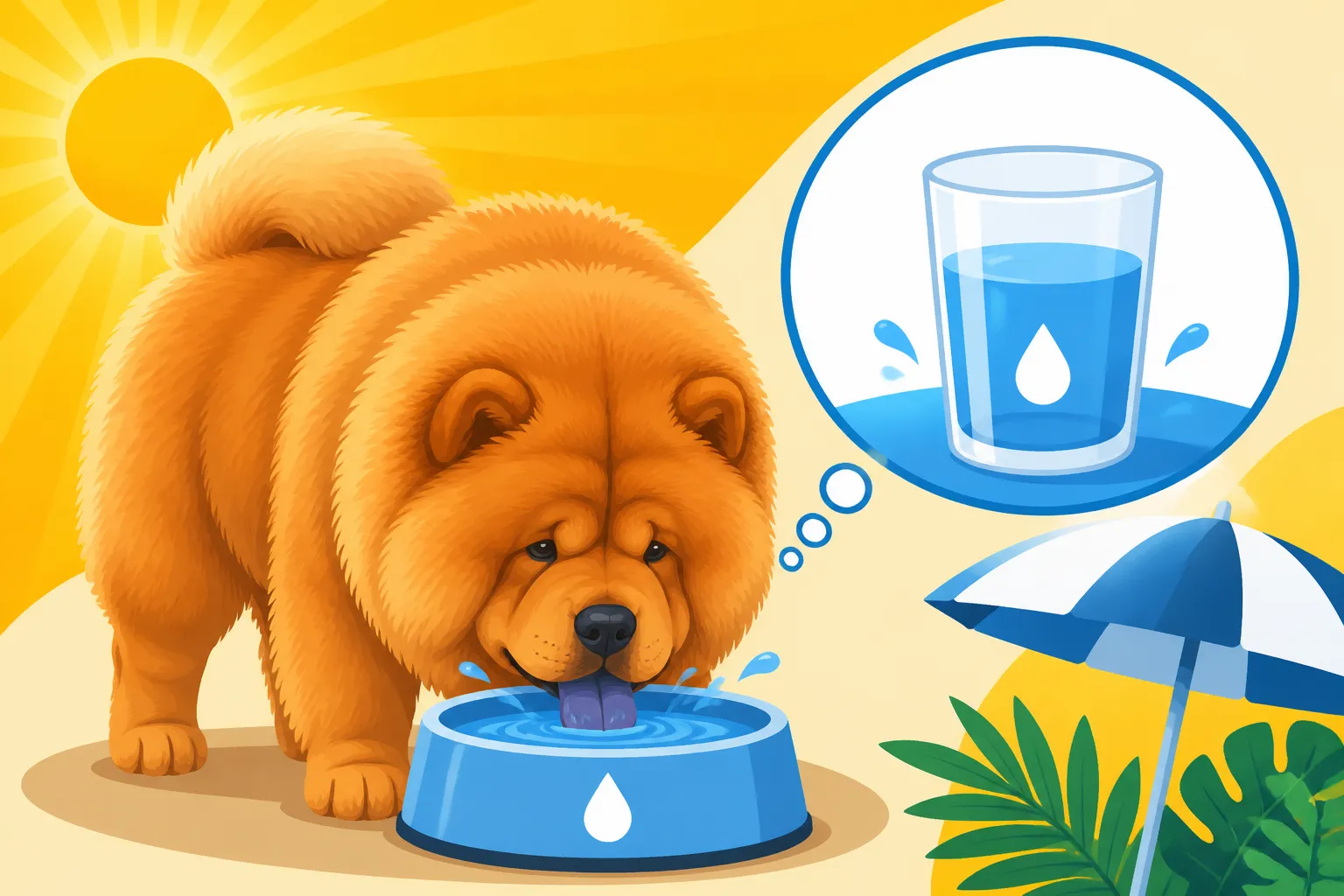
- Multiple Water Stations: Don't just have one bowl. Place water bowls in various spots around your home and yard. Having options means they're more likely to stumble upon a refreshing drink. Consider a sturdy ceramic bowl indoors (harder to tip), and a large, heavy-duty bowl outside, perhaps in a shaded area.
- Fresh, Cool Water: Dogs are surprisingly discerning. Stagnant, warm water isn't appealing. Change their water multiple times a day, especially in summer, and always keep it cool. Adding a few ice cubes can make it extra enticing. Many Chows love to play with ice cubes, turning hydration into a fun game.
- Water Fountains: Some dogs prefer moving water. A pet water fountain can encourage drinking by mimicking a fresh stream. Brands like Chewy or Amazon offer a variety of options, from stainless steel to ceramic, some with filters to keep the water extra clean and fresh. The sound of trickling water can also pique their interest.
- Travel Bowls: For any outings, even short ones during cooler hours, always bring water. Collapsible bowls or dedicated dog water bottles are perfect for this. Remember, even a quick trip to the park can lead to significant water loss.
Boost Hydration Through Diet and Treats
You can sneak extra moisture into their diet without them even realizing it!
- Wet Food or Fresh Food: If your Chow Chow is primarily on dry kibble, consider mixing in some wet food or a fresh food topper. Wet food has a much higher moisture content and can significantly contribute to their daily intake. As mentioned earlier, fresh food brands like Ollie are packed with moisture.
- Add Water to Kibble: A simple trick is to add warm water or low-sodium broth to your Chow's dry kibble. Let it soak for a few minutes until it's softened, turning their meal into a more hydrating experience. Just be sure not to leave moistened kibble out for too long, especially in warm weather, to prevent bacterial growth.
- Frozen Treats: This is a summer favorite! Freeze low-sodium chicken or beef broth in ice cube trays or Kong toys. You can also blend dog-safe fruits (like watermelon or blueberries) with water or plain yogurt and freeze them. These not only provide hydration but also offer a cooling, mentally stimulating treat. Just avoid grapes and xylitol (a common artificial sweetener), which are toxic to dogs.
- Hydrating Snacks: Offer dog-safe fruits and vegetables that have high water content, such as small pieces of watermelon (seedless!), cucumber, or apple. These can be a refreshing and hydrating snack. Always introduce new foods slowly to avoid upsetting their stomach.
Environmental Management and Routine
Your Chow Chow's environment plays a huge role in their overall hydration needs.
- Shade and Cool Spaces: Ensure your Chow always has access to shade when outdoors and a cool indoor space. This might mean having Whether a Chow Chow Needs Air Conditioning running during the hottest parts of the day. A cooling mat can also be a wonderful addition, offering a comfortable, cool spot for them to rest.
- Avoid Peak Heat: The most important rule of summer with a Chow Chow: avoid peak heat hours. Walk them early in the morning or late in the evening when temperatures are much lower. Even then, keep walks short and pay close attention to their breathing. Overexertion in the heat rapidly depletes their water reserves. If you're ever in a situation where your Chow does get too hot, knowing How to Cool a Chow Chow Down Fast is crucial.
- Routine Check-ins: Make it a habit to offer water frequently, especially after any outdoor time or even just waking up from a nap. Observe how much they're drinking. If you notice a significant drop, that's your cue to try some of these encouragement methods.
By being mindful of these strategies, you can ensure your Chow Chow stays happy, healthy, and wonderfully hydrated throughout the summer months, taking the worry out of those sunny days.
Disclaimer
This article is for general informational purposes only and does not constitute professional advice. Laws, prices and regulations vary by location and change over time. Consult a qualified professional for guidance on your specific situation.