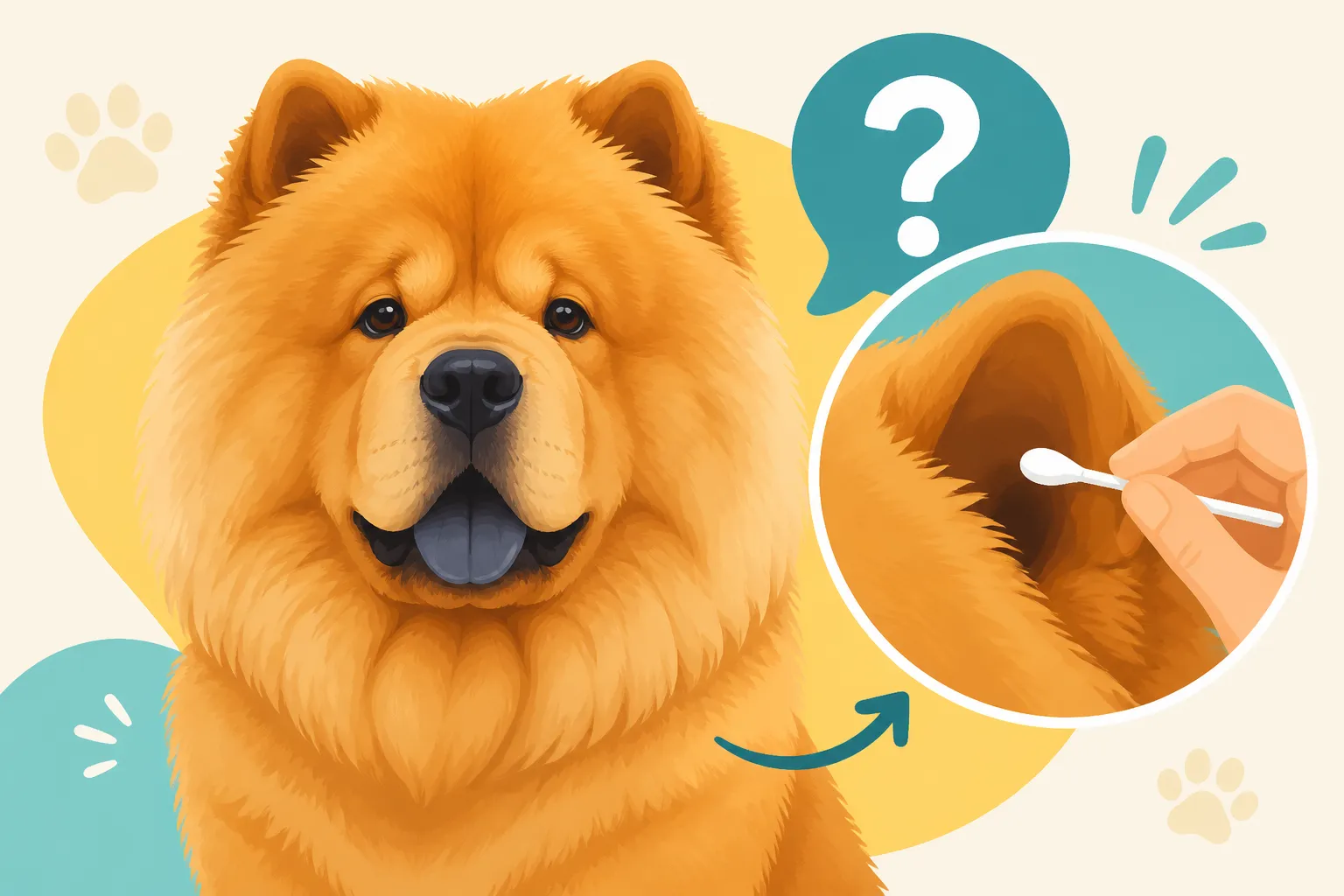
Whether a Chow Chow’s Ears Need Cleaning
One common question I get from Chow Chow owners, new and old alike, is about their ears. With all that majestic fur and those deep-set eyes, it's easy to wonder if their ears also require special attention, or if you can just leave them be, given how particular Chows can be about handling. The truth is, while their dense coat does protect them from some elements, their ear structure actually necessitates careful observation and occasional intervention to prevent uncomfortable and sometimes serious issues. This guide will walk you through everything you need to know about caring for your Chow Chow's ears, from understanding their unique anatomy to knowing when to clean, what to use, and when to seek professional help.
Understanding the Chow Chow's Ear Anatomy
Before we even think about cleaning, it's vital to understand what makes a Chow Chow's ear different from many other breeds. Their unique conformation plays a significant role in their susceptibility to certain ear issues, and acknowledging these factors is the first step in providing proper care.
The Outer Ear Structure
Unlike many breeds with large, open, or floppy ears, the Chow Chow typically has small, thick, triangular ears that stand erect on top of their head. These ears are usually heavily feathered, blending seamlessly into their thick ruff. This upright position, at first glance, might seem beneficial, as it allows for better airflow compared to a floppy ear. However, the heavy feathering and the dense coat surrounding the ear can actually trap moisture and reduce ventilation, creating a warm, damp environment that's perfect for bacterial and yeast overgrowth if not managed. This thick fur also makes it harder for owners to visually inspect the ear canal opening without moving a lot of hair out of the way, which many Chows aren't thrilled about.
Furthermore, the Chow Chow's skull structure, with its broad head and deep-set eyes, contributes to the overall compact nature of their head and facial features. While their ears are not as heavily folded as a Bulldog's or Shar Pei's, the sheer density of their coat around the ear opening can create its own set of challenges, often obstructing the natural flow of air.
The Inner Ear Canal Differences
Beneath that impressive fur lies an ear canal that, while similar to other dogs in basic structure, can still be prone to issues. Dogs, including Chow Chows, have an L-shaped ear canal, with a vertical portion leading down and then a horizontal portion turning towards the eardrum. This design makes it easy for debris, wax, and moisture to become trapped in the horizontal canal, especially if the outer ear isn't allowing sufficient air circulation.
In some Chow Chows, the ear canal itself might be narrower than average, exacerbating the problem of trapped moisture and debris. This narrowness, combined with the often-profuse hair growth inside the ear canal, creates a perfect storm for infections. It's not always obvious just by looking, and many owners only realize there's an internal issue when their Chow starts showing clear signs of discomfort, often after an infection has already taken hold. This is why regular, gentle inspection is key, even if actual cleaning isn't always necessary.
The Role of Fur in the Ear
The Chow Chow's double coat, with its dense undercoat and coarse guard hairs, extends to and around their ears. This fur is wonderful for insulation against cold, but it’s less ideal for tropical climates or during hot, humid summers, or after a swim. Around the ear opening, this thick fur can act like a blanket, trapping heat and humidity directly where you don't want it. Inside the ear canal, some Chows might also have significant hair growth. This internal ear hair, while sometimes debated among veterinarians, can potentially trap even more wax and debris, contributing to blockages and creating more surface area for bacteria or yeast to cling to.
Many owners struggle with how much to trim this ear fur, if at all, especially if they show their dogs. For a pet Chow Chow, a bit of careful thinning around the ear opening by a professional groomer can sometimes improve airflow, but it's important not to "pluck" hair from the canal itself without veterinary guidance, as this can cause micro-trauma and actually invite infection. It's a delicate balance to strike between maintaining their iconic appearance and ensuring optimal ear health.
When to Clean a Chow Chow's Ears (and When Not To)
This is probably the most common dilemma for Chow Chow owners: how often is too often, and when is it truly necessary? Over-cleaning can be just as detrimental as under-cleaning, stripping the ear of its natural protective mechanisms and causing irritation. The key is to be observant and proactive, not just routinely aggressive with cleaning solutions.
Routine Checks Versus Active Cleaning
For most healthy Chow Chows, a routine visual and olfactory check is far more important than frequent active cleaning. You should ideally check your Chow's ears at least once a week, or even every few days if they are prone to ear issues. This involves gently lifting the ear flap, moving aside any dense fur, and looking into the visible part of the ear canal. You're looking for signs of redness, swelling, discharge (especially dark, waxy, or pus-like), or any unpleasant odor. A healthy Chow Chow ear should be clean, pale pink, and largely free of debris or strong smell.
Active cleaning – introducing a solution and wiping – should only happen when you notice a build-up of wax or dirt, or if there's a slight odor indicating a developing issue. If the ear looks and smells clean, leave it alone! Nature often does a pretty good job. Overzealous cleaning can irritate the delicate skin lining the ear canal, disrupt the natural pH balance, and push debris deeper into the ear. Think of it more as a "spot clean" when needed, rather than a scheduled deep dive like Bathing and Drying a Chow Chow's Dense Coat.
Factors Increasing Risk of Ear Problems
Certain situations and conditions can increase your Chow Chow's risk of developing ear problems, warranting more frequent checks and potentially more regular, gentle cleaning.
- Humidity and Water Exposure: If you live in a particularly humid climate, or if your Chow loves to swim or gets bathed frequently, moisture can easily become trapped in their ears. This creates an ideal breeding ground for yeast and bacteria. Always make sure to thoroughly dry their ears after any water exposure, using a soft towel around the outer ear and perhaps a very gentle, low setting on a dryer (if your Chow tolerates it) a few inches away.
- Allergies: Many Chow Chows suffer from environmental or food allergies, and often, the first place these manifest is in the skin, including the ears. Chronic ear infections can be a tell-tale sign of an underlying allergy. If your Chow seems to have recurrent ear issues despite good hygiene, it's worth discussing allergy testing and management with your vet. A change in diet, possibly to a limited ingredient formula, or environmental changes might be necessary.
- Wax Production: Some Chows naturally produce more ear wax than others. Just like humans, dogs vary. If your Chow's ears consistently accumulate a lot of dark, sticky wax, they might benefit from more regular, gentle cleaning with a vet-approved solution to prevent blockages. This isn't necessarily a sign of infection but simply their normal physiology.
Understanding these risk factors allows you to tailor your ear care routine. A Chow Chow living in a dry climate who hates water might need far less intervention than one who enjoys splashing in the backyard kiddie pool in a humid summer.
The Right Tools and Techniques for Chow Chow Ear Care
When it is time for an actual cleaning, having the right supplies and knowing the correct technique can make all the difference. It helps to turn what can be an unpleasant experience into a tolerable, and even calm, routine. Remember, Chows are particular, so patience and a gentle touch are paramount.
Choosing the Right Cleaner and Supplies
First things first: never use plain water, alcohol, or hydrogen peroxide in your dog's ears. These can be irritating or even damaging. You need a veterinary-approved ear cleaning solution. These solutions are formulated with ingredients that gently break down wax and debris, dry the ear canal, and often have antiseptic properties. You can usually find these at your vet's office, or through reputable online retailers like Chewy or Amazon. Look for solutions specifically designed for canine ears.
Beyond the cleaner, you’ll need:
- Cotton balls or squares: These are essential for gently wiping out the outer ear and visible folds.
- Soft cloths or paper towels: For wiping away excess solution and any debris.
- Treats: Plenty of high-value treats are crucial for positive reinforcement.
- Optional: Tweezers or Hemostats: Only for professional use to remove loose hair from the outer ear opening, and only if advised by your vet. Never reach deep into the ear with these.
- Good Lighting: You need to see what you're doing!
Here's a quick checklist of what you'll need:
| Item | Purpose | Notes |
|---|---|---|
| Veterinary Ear Cleaner | Breaks down wax, dries, cleans | Only use dog-specific products, available on Chewy or Amazon. |
| Cotton Balls/Squares | Gentle wiping of outer ear and folds | Do not use cotton swabs (Q-tips) deep in the canal. |
| Soft Cloth/Paper Towels | Wiping away excess solution and debris | Keep several handy. |
| High-Value Treats | Positive reinforcement, distraction | Make it a pleasant experience. |
| Flashlight | Better visibility of the ear canal | Essential for a thorough visual check. |
Gentle Cleaning Steps
Okay, you've got your supplies. Now, let's talk technique. This isn't a race; it's a calm, methodical process.
- Get Comfortable (Both of You): Choose a quiet spot where you and your Chow Chow can be relaxed. Have your treats ready. Teaching a Chow Chow to Have Its Ears Checked is a process that begins long before an actual cleaning. Start by just touching their ears gently, rewarding them, and gradually work up to lifting the flap.
- Inspect First: Before applying any cleaner, gently lift the ear flap and visually inspect the ear. Move aside any thick fur obstructing your view. Note any redness, discharge, or odor. This helps you gauge how much cleaning is truly needed.
- Apply Solution (Carefully): Hold the ear flap up and carefully insert the tip of the ear cleaner bottle into the uppermost part of the ear canal, without pushing it too deep. Squeeze the bottle to fill the ear canal with the solution. You'll likely hear a squelching sound. The amount varies by product and dog size, but usually, a good squeeze is enough.
- Massage: Still holding the ear flap, gently massage the base of your Chow Chow's ear for about 20-30 seconds. You should hear the solution sloshing around, which means it's breaking up wax and debris. Your Chow might shake their head a bit – this is normal. Keep massaging gently.
- Let Them Shake: Allow your Chow Chow to shake their head vigorously. This helps bring dissolved wax and cleaner out of the deeper parts of the ear canal. Stand clear, because it can get messy!
- Wipe the Visible Areas: Using a clean cotton ball or soft cloth, gently wipe away any visible discharge, wax, and excess cleaner from the outer ear, the ear flap, and the folds of the visible ear canal. Never use cotton swabs (Q-tips) down into the ear canal, as this can push debris deeper and potentially damage the eardrum. Stick to the parts you can see easily.
- Reward: Lavishly praise and treat your Chow Chow throughout and after the process. The goal is to make this a positive or at least neutral experience.
- Repeat if Necessary: If the ear was particularly dirty, you might need to repeat steps 3-6 with fresh solution and cotton. However, for most routine cleaning, one round is sufficient.
Desensitization Training
Given a Chow Chow's sometimes reserved nature and sensitivity to handling, desensitization is critical. Don't wait until there's an emergency to introduce ear handling. From puppyhood, regularly practice touching their ears, looking inside, and even mimicking the cleaning process with just dry cotton. Reward heavily for cooperation. This patient approach can make future ear care much less stressful for both of you. It's similar to how you'd approach Teaching a Chow Chow to Be Brushed – slowly, gently, and with lots of positive reinforcement.
Recognizing Signs of Ear Problems in Your Chow Chow
Even with the best preventative care, ear problems can crop up. Being able to recognize the early signs is crucial for timely intervention, preventing minor irritations from escalating into painful infections or even chronic issues. Chows, being stoic, sometimes hide pain well, so you need to be observant. How a Chow Chow Hides Pain is a real concern, making your vigilance even more important.
Odor and Discharge
One of the most obvious signs of an ear problem is a change in smell or the presence of unusual discharge. Healthy Chow Chow ears should have a very faint, neutral smell, if any at all.
- Yeasty Odor: A strong, sweet, or musty smell, often described as smelling like "corn chips" or yeast, is a classic sign of a yeast infection. This is very common in dogs.
- Foul or Putrid Odor: A truly foul or rotting smell often indicates a bacterial infection, which can be more serious and painful.
- Dark, Waxy Discharge: While some dark wax is normal, excessive amounts, especially if it's sticky, gooey, or a deep reddish-brown to black, can point to yeast overgrowth or ear mites.
- Yellow, Green, or Pus-like Discharge: This is a clear indicator of a bacterial infection and requires immediate veterinary attention.
- Bloody Discharge: Any blood in the ear is a serious sign and needs prompt veterinary evaluation.
Redness and Swelling
Visual changes within the ear are also red flags. You'll need to gently part the fur and lift the ear flap to see clearly into the visible canal.
- Redness: The skin lining the ear canal should be pale pink. If it appears red, inflamed, or irritated, it's a sign of inflammation or infection. This can be caused by allergies, irritation from water, or an active infection.
- Swelling: Swelling within the ear canal or on the ear flap itself can be a sign of significant inflammation or a more serious issue like a hematoma (a blood blister on the ear flap, often caused by vigorous head shaking). Swelling will narrow the ear canal, trapping more moisture and debris, and making the problem worse.
- Scabs or Sores: Look for any scabbing, crusting, or open sores on the inside of the ear flap or around the ear opening. These can be from scratching, skin infections, or even parasites.
Pain and Sensitivity
A Chow Chow who is usually tolerant of being handled might become overtly sensitive or even aggressive when their ears are bothering them. This change in behavior is a strong indicator of discomfort.
- Pain on Touch: If your Chow flinches, cries out, pulls away, or even snaps when you try to touch their ear, they are in pain. This can indicate severe inflammation, deep infection, or even a foreign object lodged in the ear.
- Head Shaking: While an occasional head shake is normal, persistent, frequent, or violent head shaking is a common sign of ear irritation. They are trying to dislodge whatever is bothering them.
- Ear Scratching: Constant scratching at the ears with a paw is another classic symptom. This can lead to secondary skin infections around the ear and on the face.
- Rubbing Ears: Your Chow might rub their ears against furniture, the carpet, or your leg in an attempt to alleviate the itch or discomfort.
- Head Tilting or Loss of Balance: In more severe cases, particularly if the inner ear is affected, your Chow might hold their head to one side, stumble, or show signs of disorientation. This indicates a very serious problem that needs immediate veterinary care.
If you observe any of these signs, it's time to investigate further or consult your veterinarian. Don't try to self-diagnose or treat a suspected infection with home remedies, as this can often make things worse or delay proper treatment.
Preventative Measures for Healthy Chow Chow Ears
An ounce of prevention is truly worth a pound of cure, especially when it comes to Chow Chow ears. Integrating a few simple habits into your routine can significantly reduce the likelihood of painful infections and costly vet visits.
Drying Ears After Water Exposure
This is paramount. As we discussed, the Chow Chow's dense fur and sometimes narrow ear canals create a perfect environment for moisture to get trapped, leading to bacterial or yeast growth.
- Post-Bath Routine: After bathing your Chow Chow, spend extra time thoroughly drying their ears. Use a soft, absorbent towel to gently dab and wipe the visible parts of the outer ear and ear canal. If your Chow tolerates a low-setting pet dryer, you can carefully direct cool or lukewarm air (never hot!) towards the ear opening for a few minutes, holding it several inches away. Just ensure the ear is completely dry to the touch. This step is just as important as drying the rest of their dense coat, as detailed in How Long a Chow Chow Takes to Dry.
- Swimming & Humid Weather: If your Chow has been swimming (even just splashing in a kiddie pool) or spent time outdoors on a very humid day, take a few minutes to check and dry their ears. You can also use a cotton ball to gently absorb any visible moisture from the outer canal. Some vets even recommend a small amount of an ear-drying solution (not a cleaner) after water exposure for prone individuals.
Regular Grooming Around the Ears
Strategic grooming around the ear area can improve airflow and make visual inspections easier, without compromising the Chow Chow's distinctive look.
- Thinning (Not Shaving): A professional groomer experienced with Chows can carefully thin the dense hair immediately around the ear opening. This isn't about shaving the ear, which should generally be avoided as it can alter coat texture and remove protective layers, but rather about reducing the bulk of fur that traps moisture.
- Removing Matts: The dense fur behind and under the ears is a prime spot for matting, especially with a Rough or Smooth: the Two Chow Chow Coats and What Each Needs. These mats can pull on the ear skin, cause irritation, and further reduce ventilation. Regular, thorough brushing, including the areas behind the ears, is essential to prevent mats. If you find a mat, gently work it out, or have a groomer carefully remove it.
- Keep it Tidy: Simply keeping the hair around the ears brushed and free of tangles helps. This makes it easier for you to perform your weekly visual checks and quickly spot any issues.
Diet and Allergies
Sometimes, ear problems aren't just about hygiene; they're a symptom of something deeper, like allergies.
- Observing Diet: If your Chow Chow suffers from recurrent ear infections, it's worth discussing potential food allergies with your vet. Certain proteins or ingredients can trigger inflammatory responses that manifest as itchy skin and ears. While a brand like Ollie offers fresh food options, the key is finding a diet that works for your Chow's specific needs, often involving an elimination diet trial under veterinary guidance.
- Environmental Allergy Management: Environmental allergens (pollen, dust mites, molds) can also cause chronic ear inflammation. Managing these can involve regular bathing with an appropriate shampoo, air purifiers, and sometimes veterinary-prescribed medications or immunotherapy. Addressing the underlying allergy is often the only way to truly resolve persistent ear issues.
By being mindful of moisture, maintaining smart grooming habits, and considering underlying health issues like allergies, you can give your Chow Chow the best chance at having healthy, comfortable ears for years to come.
When to Call the Vet: Beyond Home Care
It’s tempting to try and handle every little thing ourselves, especially with a Chow Chow who might make vet visits a bit of a challenge. But some ear problems simply demand professional attention. Knowing when to stop home remedies and pick up the phone can prevent serious complications and prolonged discomfort for your furry friend. Remember, Why a Chow Chow Is Hard to Examine at the Vet is a known issue, so don't delay if you suspect something serious.
Persistent Symptoms
You’ve been diligently checking your Chow’s ears. You’ve even tried a gentle cleaning with a vet-approved solution. But despite your best efforts, the symptoms just aren’t going away, or worse, they’re getting more pronounced. This is your sign to call the vet.
- Symptoms Worsening: If the redness, swelling, discharge, or odor intensifies after a day or two of observation, it means whatever is going on isn't resolving on its own.
- No Improvement: If there's no noticeable improvement in symptoms after 48-72 hours of trying gentle home cleaning (assuming it's just mild wax build-up or slight irritation), it's time for professional help. A persistent problem usually indicates an underlying infection that needs specific medication.
- Recurrent Issues: If your Chow Chow seems to get ear infections repeatedly, even if they respond to treatment, it's critical to work with your vet to determine the root cause. This often points to allergies, anatomical predispositions, or chronic moisture issues that need a long-term management plan.
Suspected Infection
If you suspect an active infection based on the discharge (yellow, green, pus-like), strong foul odor, or significant pain your Chow is exhibiting, don't wait. Trying to treat an infection at home can delay effective therapy, allowing the infection to become deeper, more resistant to treatment, and much more painful.
- Bacterial Infections: These often require prescription antibiotics, either drops or oral medication, sometimes for several weeks. Only a vet can properly diagnose and prescribe these.
- Yeast Infections: While milder yeast overgrowth can sometimes be managed with specific over-the-counter solutions, a full-blown yeast infection usually requires prescription anti-fungal drops.
- Mixed Infections: It's common for dogs to have both bacterial and yeast infections simultaneously, which requires a multi-pronged approach to treatment.
A veterinarian will use an otoscope to look deep into the ear canal, check the eardrum, and often take a swab for cytology (examining under a microscope) to identify the type of bacteria or yeast present. This allows for targeted and effective treatment, saving your Chow Chow from prolonged suffering.
Foreign Objects or Trauma
Sometimes, ear problems aren't just about infection. A foreign object, like a grass awn (foxtail), insect, or even a tiny pebble, can get lodged deep in the ear canal. This is incredibly painful and can lead to rapid onset of severe symptoms.
- Sudden, Intense Pain: If your Chow suddenly starts pawing at their ear, shaking their head violently, crying out, or tilting their head severely, especially after being outside, a foreign object is a strong possibility.
- Trauma: Any visible trauma to the ear, such as a cut, puncture, or a swollen, blood-filled ear flap (hematoma), warrants immediate vet attention. A hematoma, often caused by repeated head shaking due to irritation, requires surgical drainage to prevent permanent ear disfigurement.
- Inability to Examine: If your Chow is in so much pain that you cannot even gently lift their ear flap for inspection, do not force it. This is a clear sign that professional intervention is needed. Your vet might even need to sedate your Chow Chow for a thorough examination, which is common given their temperament and the pain associated with severe ear issues. Whether a Chow Chow Needs Sedation for a Checkup is often a reality for these situations.
When in doubt, a quick call or visit to your veterinarian is always the safest bet. They have the tools, expertise, and medication to diagnose and treat ear problems effectively, getting your Chow Chow back to comfortable, healthy living.
Disclaimer
This article is for general informational purposes only and does not constitute professional advice. Laws, prices and regulations vary by location and change over time. Consult a qualified professional for guidance on your specific situation.