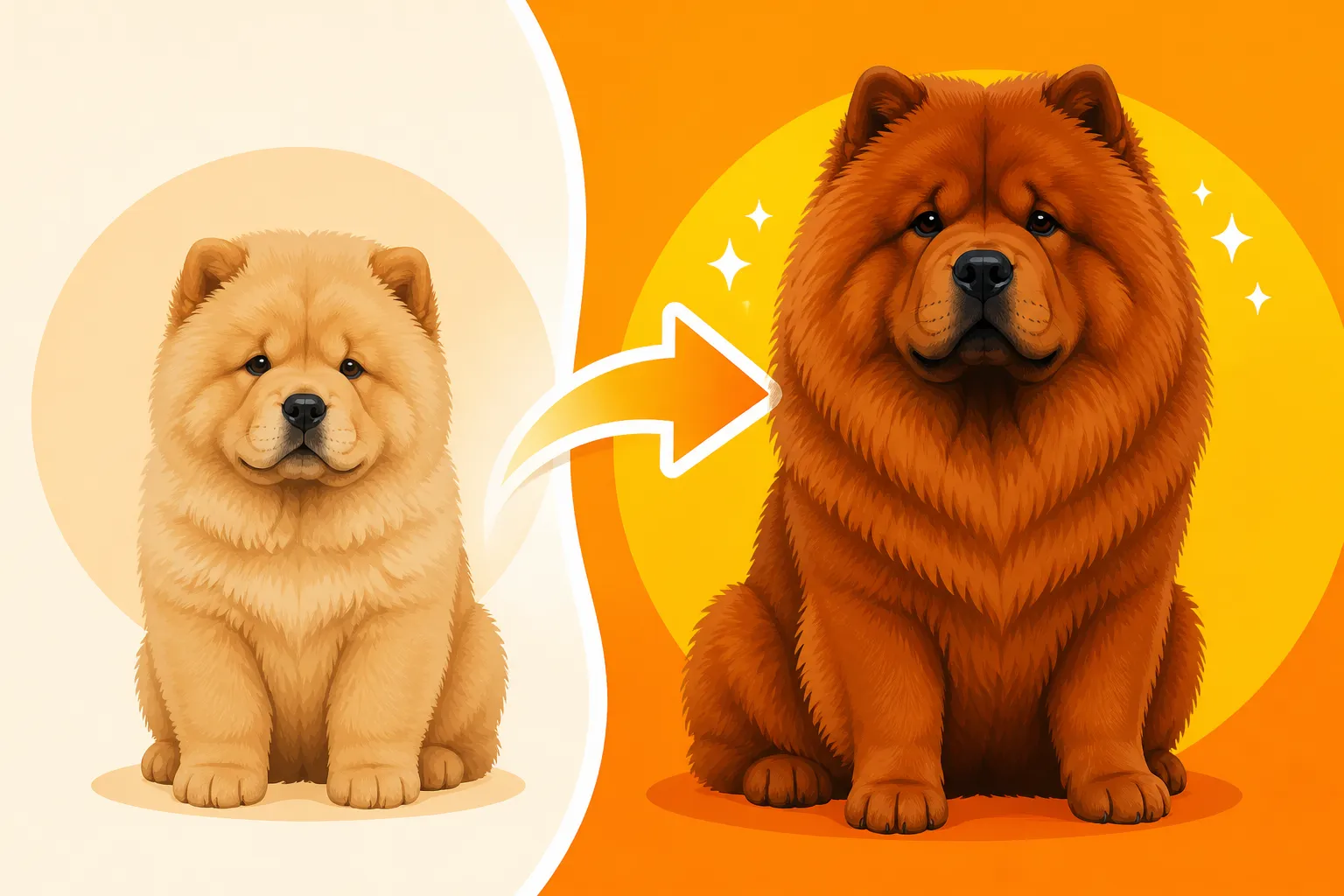
Whether a Chow Chow’s Coat Darkens With Age
It’s a common moment for any Chow Chow parent: you’re admiring your beautiful, majestic fluffball, perhaps giving them a good brush, and you notice something subtle. Is their coat a little different than it used to be? Maybe the deep red seems less vibrant, or that rich black is developing a curious brownish tint. You might wonder, does a Chow Chow’s coat darken with age? This isn't just a fleeting thought; it's a genuine question about the natural progression of their unique double coat, and understanding these changes can help you appreciate your Chow even more, while also keeping an eye on their overall health.
The Natural Progression of a Chow Chow's Coat: From Puppy Fluff to Adult Grandeur
The journey of a Chow Chow's coat color is often a fascinating one, beginning from their earliest days as a clumsy, adorable pup. It’s rarely a static, unchanging canvas; instead, it evolves, responding to genetics, environment, and even the simple passage of time. Don't be surprised if your Chow's coat today isn't exactly the same shade it was when they were a tiny fluffball.
Initial Puppy Coat vs. Adult Coat Transition
The most significant change in a Chow Chow's coat color and texture happens during their puppyhood. When you first bring home a Chow Chow puppy, they are adorned with a wonderfully soft, downy coat. This "baby fur" is often a slightly different shade or intensity than what their adult coat will ultimately be. For example, a red Chow puppy might have a somewhat muted red, almost apricot, coat that deepens into a richer, more fiery red as they mature. Black puppies might appear a softer charcoal, eventually developing into a dense, inky black.
This transition from puppy coat to adult coat typically begins around 3-6 months of age and can continue for several more months, sometimes even up to a year or more, as their dense double coat grows in. During this period, you might notice patches of different textures and shades as the new, coarser outer guard hairs and thicker undercoat replace the puppy fluff. It's a bit like watching a caterpillar transform, though much fluffier! This initial change is a natural part of their development and usually accounts for the most noticeable "darkening" or "deepening" of color that owners perceive.
Genetic Blueprint: The Foundation of Color
At its core, a Chow Chow’s coat color is determined by its genetic makeup. These majestic dogs come in five recognized colors: red, black, blue, cinnamon, and cream. Each of these colors has a specific genetic basis, meaning the underlying pigment production in their hair follicles is set from birth. While environmental factors can influence the appearance or intensity of the color, they generally won't change the fundamental hue from, say, red to black.
Think of it like this: your Chow Chow is born with a genetic instruction manual for their coat color. That manual specifies "red" or "black" or "blue." What age, sun, and other factors do is more like adjusting the brightness or contrast settings on that color. The color itself is inherent. A truly healthy Chow Chow with strong genetics will maintain the vibrancy of its base color throughout its life, with variations that are usually superficial rather than a complete overhaul. Understanding Which Colors a Chow Chow Comes In can help you appreciate the genetic diversity.
The Mighty Double Coat and Its Structure
A huge part of why a Chow Chow's coat color can appear to change is the unique structure of their double coat. Unlike many other breeds, Chows possess a dense, soft undercoat for insulation and a coarser, longer outer coat of guard hairs that provides protection from the elements. This is eloquently described in What a Chow Chow's Double Coat Is Made Of.
The combination of these two distinct layers often creates an optical illusion of depth and varying color. For instance, the undercoat might be a slightly lighter or softer shade than the tips of the guard hairs. As hair grows, sheds, and new hair replaces it, or as the coat gets wet or brushed in different directions, the way light reflects off these layers can make the color appear deeper or lighter. When a Chow is getting ready for The Twice a Year a Chow Chow Blows Its Coat, the old, faded outer coat might make the dog appear duller, only for the new, fresh coat to emerge with renewed vibrancy, leading to a perception of "darkening." This interaction of layers is constantly at play, making their coat a dynamic part of their appearance.
Environmental and Lifestyle Factors That Influence Coat Color Over Time
Beyond genetics and the natural growth cycle, several external factors can play a significant role in how your Chow Chow's coat color presents over the years. These aren't about fundamentally changing the dog's genetic color, but rather influencing the vibrancy, depth, or even the subtle tones within that color.
The Sun's Touch: Fading and Bleaching Effects
Just like our hair can get sun-kissed highlights, a Chow Chow's coat is susceptible to the bleaching effects of the sun. This is one of the most common reasons an owner might notice a "lightening" rather than a "darkening" over time, especially in darker colors. Red Chows, for example, are notorious for their coats "sun-bleaching" to a lighter, more golden, or even straw-like shade, particularly on their backs and flanks, if they spend a lot of time outdoors. Black Chows can develop a reddish or brownish "rust" in their coat from prolonged sun exposure, making them appear less intensely black.
This isn't a permanent change to the hair follicle's ability to produce pigment; rather, it's the sun's UV rays degrading the existing pigment in the hair shaft itself. When that sun-damaged hair eventually sheds and new, fresh hair grows in, the coat can appear significantly richer and darker again, leading to the impression that the coat has "darkened with age." This cycle is perfectly normal and a testament to their love for lounging in a sunny spot. Ensure you're providing shade and appropriate outdoor time, especially given Why a Chow Chow Overheats So Easily.
Hormonal Shifts: Spaying, Neutering, and Age
Hormones play a vital role in hair growth and coat health in dogs, and significant hormonal shifts can sometimes influence the appearance of a Chow Chow's coat. Spaying or neutering your Chow Chow, for instance, involves a major hormonal adjustment. While not universal, some owners report changes in coat texture and even color after these procedures. Often, the coat might become softer, more cottony, and in some cases, the color may appear slightly duller or lighter due to changes in hair quality. You might even find yourself wondering Whether a Chow Chow's Coat Thins After Spaying.
As your Chow Chow enters its senior years, around The Age a Chow Chow Is Considered Senior, other age-related hormonal changes can occur. The coat might thin out, become drier, or in some cases, even develop gray hairs, particularly around the muzzle and eyes, similar to humans. While the primary coat color typically remains, its overall vibrancy and texture can certainly be influenced by the dog's aging body and hormonal balance. What Changes in an Aging Chow Chow's Coat delves deeper into these aspects.
The Role of Nutrition and Overall Health
A healthy body produces healthy hair, and a Chow Chow's diet and overall health can absolutely impact the quality and vibrancy of its coat. A diet lacking in essential nutrients, particularly fatty acids like Omega-3 and Omega-6, can lead to a dull, dry, and brittle coat. This kind of coat might appear lighter or less rich in color, simply because it lacks the healthy sheen and depth of a well-nourished coat.
If your Chow Chow's coat is looking lackluster or its color seems muted, it might be worth reviewing their diet. High-quality dog foods, especially those rich in beneficial fats and proteins, can make a noticeable difference. Brands like Ollie offer fresh, balanced meal options that can contribute to overall coat health. Many owners supplement with fish oil, which you can find readily on platforms like Amazon or Chewy, specifically for its positive effects on skin and coat.
Conversely, certain health conditions can also manifest in coat changes. For example, What Autoimmune Thyroiditis Does to a Chow Chow can lead to a dull, dry coat, excessive shedding, and even areas of hair loss, which would certainly alter the perceived color and quality. A veterinarian might notice if Whether a Hypothyroid Chow Chow Loses Coat when they examine your Chow. Any sudden, unexplained, or drastic change in coat color or quality, especially accompanied by other symptoms, warrants a trip to the vet.
Seasonal Shedding and the 'Coat Blow' Phenomenon
Chow Chows are renowned for their impressive double coats, and with such a coat comes significant shedding. They typically experience two major "coat blows" each year, usually in spring and fall, as their bodies prepare for warmer or colder weather. During a coat blow, they shed enormous amounts of undercoat, sometimes seeming to shed enough hair to create another Chow! How Much Undercoat Comes Off a Chow Chow is truly staggering.
Before and during a coat blow, the coat might appear duller, matted, and potentially lighter due to the sheer volume of dead hair trapped within. The old, faded guard hairs are also being pushed out. However, once the old coat is thoroughly shed and the new coat grows in, it often appears strikingly fresh, vibrant, and deep in color. This dramatic contrast can easily give the impression that the coat has "darkened with age," when in reality, it's simply the natural rejuvenation cycle of their magnificent fur. Regular brushing, like that covered in Brushing a Chow Chow's Mane Down to the Skin, is crucial during these times.
Decoding Color Changes: What to Expect from Each Chow Chow Hue
While the general principles of coat change apply to all Chow Chows, each of the five recognized colors has its own unique way of subtly shifting and evolving over time. Understanding these specific nuances can help you better anticipate and interpret what you see in your own furry companion.
Fiery Reds: The Dynamic Duo of Richness and Fading
Red Chow Chows are perhaps the most visually dynamic when it comes to coat changes. A healthy red Chow's coat is a rich, vibrant spectrum, ranging from a light golden red to a deep mahogany. As puppies, their red might be softer, often deepening into a more intense shade as they mature and their adult coat comes in. This initial deepening is where many owners first notice a "darkening with age."
However, red coats are also highly susceptible to sun bleaching. If your red Chow loves to sunbathe, you might notice their back, shoulders, and head develop a lighter, sometimes almost bleached-out orange or straw-like hue. This isn't permanent damage to the pigment-producing cells, but rather the sun's UV rays literally breaking down the color molecules in the existing hair shaft. Once these sun-bleached hairs shed during a regular coat blow, the new growth will typically come in with its original, richer, darker red shade, again giving the impression of "darkening." This push and pull between environmental fading and new growth makes red Chows fascinating to observe.
Inky Blacks: The Mystery of the 'Rusting' Coat
Black Chow Chows should ideally possess a solid, rich, deep black coat. As with reds, black puppies might start with a slightly softer, charcoal-like black that intensifies as their adult coat grows. For true black Chows, their coat typically maintains its depth throughout their lives, with minimal variation.
However, a common phenomenon in black dogs, including Chows, is what's often referred to as "rusting." This is when the black coat develops a reddish-brown or bronze tint, particularly noticeable in sunlight. This rusting can be caused by a few factors:
- Sun Exposure: Prolonged time in the sun can degrade the black pigment, similar to how red coats fade.
- Dietary Deficiencies: In some cases, a lack of certain amino acids or minerals in the diet can prevent proper pigment production, leading to a duller, rusty black.
- Genetics: Some black Chows may carry recessive genes that predispose them to a warmer, less intense black that shows hints of red or brown more easily.
So, while a black Chow's coat might appear to "darken" as a puppy matures, any subsequent changes are more likely to be a "lightening" or "warming" (rusting) due to external factors rather than a true darkening of the base pigment.
Subtle Blues and Cinnamons: Gentle Transformations
Blue and cinnamon Chows are considered "dilute" colors, meaning their base pigment is lightened by specific genes. Blue Chows have a stunning grey-blue coat, while cinnamon Chows sport a light fawn to tan shade with reddish undertones. These colors tend to be more stable than red or black, meaning they generally show less dramatic fading or rusting.
A blue Chow puppy will mature into its adult blue coat, which usually remains fairly consistent. While sun exposure can still cause some subtle lightening, it's typically less pronounced than in a red or black coat. If you're curious about this, you can explore Whether a Blue Chow Chow's Coat Fades. Similarly, cinnamon coats tend to hold their color well. The primary "change" an owner might notice is the initial deepening from puppyhood to adulthood. Beyond that, variations are usually minor and related to the overall health and cleanliness of the coat rather than a significant shift in hue.
Serene Creams: Largely Consistent, Yet Not Immune
Cream Chow Chows range from almost pure white to a light golden cream. Of all the colors, creams tend to be the most consistent in their shade throughout their lives. A cream puppy will usually grow into a cream adult, with very little "darkening" or "lightening" of the base coat.
However, even creams aren't entirely immune to environmental factors. Prolonged sun exposure can sometimes cause a very subtle yellowing or darkening, particularly if the coat isn't regularly cleaned or is prone to staining. Tear staining around the eyes or food staining around the muzzle can also make the surrounding cream fur appear darker or discolored. Proper grooming and hygiene, often supported by quality products from Chewy or Amazon, are key to maintaining the pristine look of a cream Chow's coat.
| Chow Chow Color | Typical Puppy to Adult Change | Common Age/Environmental Changes | Key Things to Watch For |
|---|---|---|---|
| Red | Often deepens to richer red | Sun bleaching to lighter/golden, then new growth darkens | Excessive fading, dullness |
| Black | Intensifies to deep black | "Rusting" (reddish-brown tint) from sun/diet | Significant dullness, brown patches |
| Blue | Matures into consistent grey-blue | Subtle sun lightening, generally stable | Unusual dullness, thinning |
| Cinnamon | Deepens slightly to a richer tan | Minor sun lightening, overall stable | Lack of vibrancy, uneven color |
| Cream | Consistent, subtle deepening | Slight yellowing from sun/staining | Discoloration, dullness |
Beyond Aesthetics: When Coat Changes Might Signal a Health Concern
While many coat changes are natural and nothing to worry about, it's crucial to remember that your Chow Chow's coat is often a fantastic indicator of their overall health. Significant, sudden, or unusual changes that go beyond typical fading or seasonal cycles should always prompt a closer look and potentially a visit to your veterinarian.
Unusual Changes: A Call for Closer Inspection
Normal coat changes are usually gradual and can be attributed to factors like age, sun exposure, or seasonal shedding. However, if you notice any of the following, it might be a sign of an underlying health issue:
- Patchy Hair Loss or Thinning: While seasonal shedding is normal, bald spots, excessive thinning that exposes the skin, or a coat that feels unusually sparse could indicate hormonal imbalances (like hypothyroidism, as mentioned with What Autoimmune Thyroiditis Does to a Chow Chow), parasites, allergies, or skin infections.
- Excessive Dryness, Brittleness, or Oiliness: A coat that suddenly becomes very dry, flaky, and brittle, or conversely, excessively greasy, can point to dietary deficiencies, skin conditions, or systemic illnesses.
- Dullness or Lack of Luster: If your Chow Chow's coat, regardless of color, loses its natural sheen and appears uniformly dull or lifeless, even after grooming, it might be a sign that they're not absorbing nutrients properly or are dealing with an internal health issue.
- Skin Irritations: Look for redness, bumps, scabs, or hot spots underneath the dense coat. These can be hidden by the fur but cause significant discomfort and often impact coat quality. Chows, with their thick coats, can often hide skin problems until they're quite advanced.
- Unexplained Color Shifts: While natural fading and darkening can occur, a drastic, unexplainable shift in color—like a cream Chow suddenly developing large grey patches, or a red Chow turning uniformly brown without sun exposure—could warrant investigation.
Always trust your gut. If something about your Chow's coat just doesn't seem right, it's better to consult with your vet. They can rule out medical issues and offer advice on nutrition or supplements if needed.
The Importance of Regular Grooming and Care
One of the best ways to monitor your Chow Chow's coat (and overall health) is through consistent, thorough grooming. Regularly brushing your Chow Chow, as discussed in How Often a Rough Coated Chow Chow Needs Brushing, does more than just remove loose hair and prevent mats; it allows you to get a hands-on feel for their skin and coat.
During grooming, you can check for any lumps, bumps, dry patches, excessive oiliness, or signs of parasites. You'll also notice subtle changes in coat texture or color more readily. A well-groomed coat is also a healthier coat; brushing distributes natural oils, stimulates circulation, and prevents matting, which can lead to skin problems.
Remember, a Chow Chow's coat is a big part of their identity and beauty. While it’s natural for their magnificent fur to undergo subtle transformations with age, environment, and life stages, most "darkening" or "lightening" you observe will be part of a normal cycle or superficial environmental effects. Enjoy these subtle shifts, embrace the natural beauty of their evolving coat, and always stay vigilant for any changes that might suggest your regal companion needs a little extra care or a check-up with the vet.
Disclaimer
This article is for general informational purposes only and does not constitute professional advice. Laws, prices and regulations vary by location and change over time. Consult a qualified professional for guidance on your specific situation.