Whether an HOA Can Restrict a Chow Chow
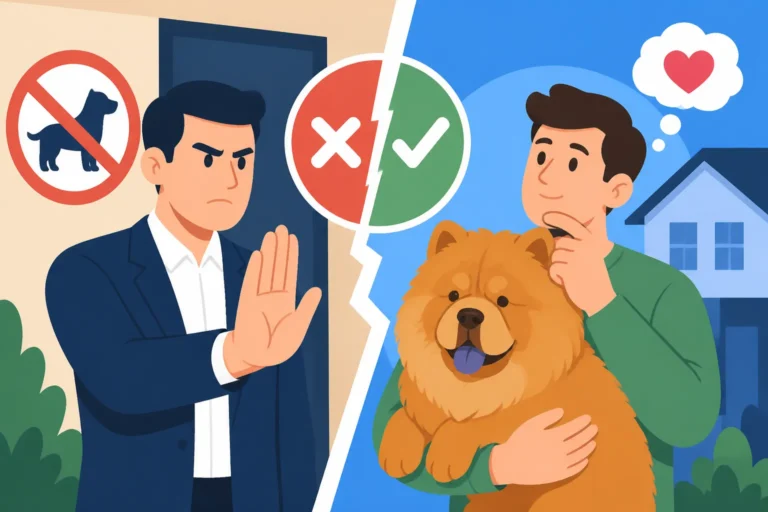
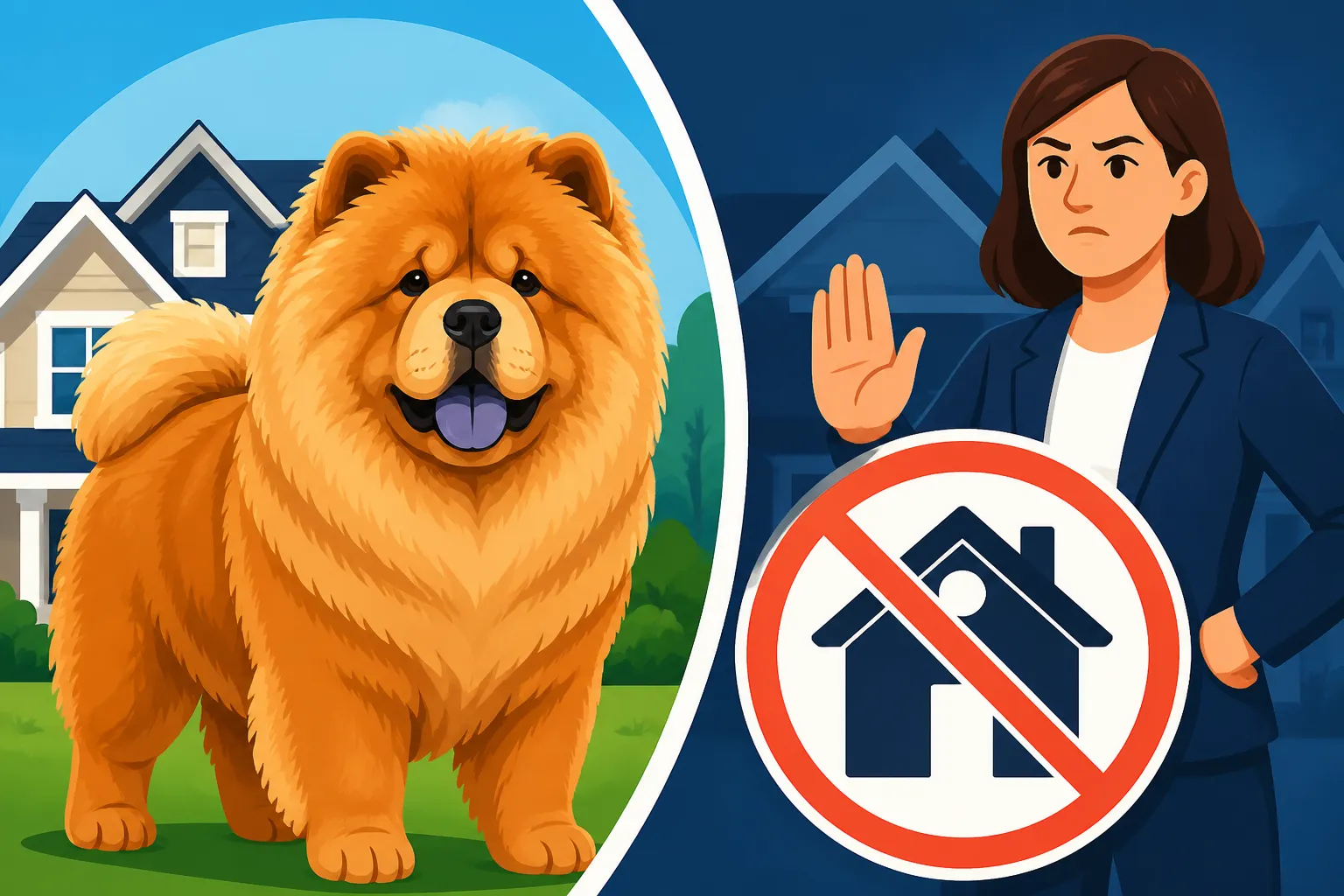
Finding the perfect home can be a huge challenge, but adding a beloved Chow Chow to the equation often introduces an entirely new layer of stress, especially when navigating the complex world of homeowners associations. Many devoted Chow parents have faced the heartbreak of falling in love with a property only to discover their furry family member is explicitly forbidden. This guide is here to shed light on whether an HOA can truly restrict a Chow Chow and, more importantly, what steps you can take to understand, challenge, or work within these often-frustrating rules.
The Commonality of Breed Restrictions in HOAs
It's a harsh reality that many homeowners associations, condominiums, and even rental communities enforce rules that dictate not just the number of pets you can have, but also their breed, size, or weight. For Chow Chow owners, this can feel incredibly discriminatory, as these beautiful, loyal dogs often find themselves on "banned breed" lists alongside breeds like German Shepherds, Pit Bulls, and Rottweilers. The rationale behind these restrictions can be complex, often stemming from a mix of perceived liability, past incidents, or even just outdated stereotypes about certain breeds.
These restrictions aren't just an inconvenience; they can severely limit your housing options and force heartbreaking decisions. Imagine finding your dream home, only to realize your cherished Chow Chow, who wouldn't hurt a fly, isn't welcome. It’s a frustrating situation that many dog owners, especially those with breeds like Chow Chows, face regularly. Understanding where these rules come from is the first step in navigating them.
Why Certain Breeds Face Scrutiny
Chow Chows often end up on restricted breed lists due to a combination of factors, some fair, some deeply unfair. Historically, Chows were bred for guarding, hunting, and pulling, instilling in them a naturally reserved and sometimes aloof demeanor. This can be misinterpreted by strangers or those unfamiliar with the breed as aggression or unfriendliness, even when it's just their inherent personality. Their distinctive "scowl," deep-set eyes, and lion-like mane can also contribute to an intimidating appearance, leading to unwarranted fear.
Furthermore, statistics surrounding dog bites, even if not fully representative of the breed's true nature or provocation, can unfortunately influence insurance companies and, by extension, HOAs. It's a classic case of a few bad apples spoiling the bunch, or more accurately, a few isolated incidents or sensationalized media reports unfairly painting an entire breed with a broad brush. As a Chow Chow owner, you know your dog's true personality – loyal, dignified, and often quite cat-like in its independence – but outsiders might only see the stereotype.
The Role of Insurance Companies
One of the primary drivers behind HOA breed restrictions is often the association's master insurance policy. Insurance companies, in an effort to minimize perceived risk and potential payouts for dog-related incidents, frequently compile lists of "dangerous" or "high-risk" breeds. If an HOA's insurance carrier has a breed restriction policy, the HOA itself might be compelled to adopt similar rules to maintain its coverage or to avoid exorbitant premium increases. This isn't necessarily about the individual HOA board members disliking Chow Chows; it's often a practical, albeit harsh, business decision based on insurance mandates.
This means that even if your Chow Chow is a perfect angel, impeccably trained and socialized, the HOA's hands might feel tied by their insurance provider's stipulations. It puts both the HOA and individual homeowners in a difficult position, forcing compliance with blanket rules that don't account for individual temperament or responsible ownership. It's a frustrating cycle where fear and liability override common sense and individual assessment. This aspect alone can make finding an apartment that accepts a Chow Chow or a condo in an HOA-governed community a significant hurdle.
Understanding Your HOA's Governing Documents
When you're looking into buying a home within an HOA or if you already live in one and are considering adding a Chow Chow to your family, the first and most critical step is to thoroughly review the HOA's governing documents. These aren't just suggestions; they are legally binding rules that dictate how residents can live within the community. Skipping this step can lead to immense heartache and potential legal issues down the line. It's not enough to ask a realtor or a neighbor; you need to see the actual written policies.
These documents are often lengthy and dense with legal jargon, but they hold the key to understanding your rights and restrictions. Don't be intimidated; take your time, or even consider having a legal professional review them with you if you're unsure about specific clauses. Understanding these rules upfront can save you a lot of grief and money later on, especially if you're exploring whether your Chow Chow is expensive to own in a community with strict rules.
Reviewing CC&Rs and Bylaws
The most important documents to scrutinize are the Covenants, Conditions, and Restrictions (CC&Rs) and the HOA's Bylaws. The CC&Rs are typically recorded with the county and outline the rights and obligations of homeowners within the association. They cover everything from architectural guidelines to pet policies. The Bylaws, on the other hand, detail how the HOA operates, including election procedures, meeting schedules, and the powers of the board. Both are essential.
In these documents, you'll find the specific language regarding pets. Look for sections on "Animals," "Pets," "Domestic Animals," or "Nuisance Animals." Pay close attention to any clauses that mention specific breeds by name, weight limits, height restrictions, or even restrictions on the number of pets per household. Sometimes the restriction isn't a direct breed ban, but a general clause about "vicious breeds" or "breeds deemed dangerous by the board," which can be even more ambiguous and challenging to fight.
Distinguishing Between Breed Bans and Weight/Size Limits
It's crucial to understand the nuances of pet restrictions. Some HOAs implement outright breed bans, meaning specific breeds, like Chow Chows, are explicitly prohibited. This is the most straightforward, albeit frustrating, type of restriction. You either can't have one, or you need to seek an exemption.
Other HOAs might have weight or size limits. For example, a rule stating "no dogs over 40 pounds" would effectively exclude most adult Chow Chows, even if the breed isn't explicitly named. While less targeted, these rules can be just as restrictive. Some communities might also have a "total number of pets" limit, which could impact a multi-pet household. It's vital to read carefully and not just skim for the word "Chow Chow." Sometimes, the rules are embedded in sections about nuisance behavior or noise, requiring your Chow Chow to be particularly well-behaved, a testament to why Whether a Chow Chow Needs a Professional Trainer Early is often a good idea.
What to Do If Your HOA Has Restrictions
Discovering your HOA has restrictions that impact your Chow Chow can feel like a dead end, but it's not always the case. There are several avenues you can explore, depending on whether you already own your Chow Chow or are planning to get one, and the specific nature of the restriction. Don't give up hope immediately; sometimes, a little proactive effort and understanding of your rights can make a big difference.
The key here is to approach the situation with knowledge and a clear strategy. Rushing in emotionally or aggressively is unlikely to yield positive results. Instead, focus on understanding the rules, exploring potential exemptions, and engaging in respectful dialogue with the association. This is where truly knowing your Chow Chow's temperament, and having a well-behaved dog, can become your strongest advocate.
Grandfathering Clauses and Existing Pets
One common exception in HOA pet policies is a "grandfather clause." This provision allows residents who owned a specific pet before a new restriction was put into place to keep that pet. For instance, if you adopted your Chow Chow years ago, and then the HOA decided to ban Chow Chows last year, a grandfather clause would protect your existing pet. However, this usually means you can't replace that pet with another restricted breed once it passes away.
It's absolutely essential to check if your HOA's documents include such a clause and, if so, what the specific terms are. You might be required to register your pet, provide proof of ownership prior to the rule change, or adhere to certain behavioral guidelines. Always keep detailed records of your pet's adoption date, vet visits, and any training certifications. This documentation can be invaluable in proving your case and showcasing your responsible ownership.
Seeking Accommodations for Service or Emotional Support Animals
Federal laws, such as the Fair Housing Act (FHA), provide protections for individuals with disabilities who require a service animal or an emotional support animal (ESA). These laws generally mandate that HOAs and landlords must make "reasonable accommodations" for these animals, even if there are breed, size, or weight restrictions in place. This means that if your Chow Chow is a legitimate service animal or ESA, the HOA cannot typically deny housing to you or charge you additional pet fees or deposits.
However, there's a crucial distinction: simply calling your pet a "service animal" or "ESA" without proper documentation and a legitimate need will not suffice. You'll need documentation from a licensed medical or mental health professional confirming your disability and the need for your animal. The animal must also be well-behaved and not pose a direct threat to the safety of others or property. This is not a loophole for pet owners, but a critical protection for individuals with disabilities. When considering the overall well-being of your Chow Chow, remember that products from brands like Ollie can contribute to their health, potentially aiding in maintaining a calm demeanor if they are indeed an ESA.
Communicating with Your HOA Board
If you're facing a restriction and don't qualify for a grandfather clause or an ESA accommodation, your next step is to open a dialogue with your HOA board. This should be done respectfully and formally. Start by requesting a meeting to discuss the pet policy. Come prepared with information about the Chow Chow breed, highlighting their often calm, dignified nature, and counteracting common misconceptions. You might reference articles like How Aloof a Chow Chow Really Is or How to Read a Chow Chow's Face to educate them on the breed's typical temperament.
Present yourself as a responsible pet owner. Share your Chow Chow's training certificates, vet records, and perhaps even character references from trainers or neighbors. You could offer to sign an agreement acknowledging your responsibility for any damage or nuisance caused by your dog, or even suggest increased liability insurance. Sometimes, HOAs are willing to reconsider blanket bans if presented with compelling evidence of responsible ownership and a well-behaved individual dog. Offering solutions rather than just complaints can make a big difference.
Navigating the Search for a Chow-Chow-Friendly Community
For those in the market for a new home, the breed restriction issue can feel daunting from the outset. However, with a proactive approach and a clear understanding of what to look for (and look out for), you can significantly increase your chances of finding a community where your Chow Chow will be welcomed with open paws. The key is to do your homework before you get emotionally invested in a property.
It’s often easier to find a pet-friendly community from the start than to try and change existing HOA rules. This might mean broadening your search criteria or being prepared to make certain compromises. But ultimately, ensuring a harmonious living situation for both you and your Chow Chow is paramount. You might consider purchasing pet insurance from providers like Healthy Paws early in your search, knowing that accidents and illnesses can strike, and having coverage can alleviate financial stress, especially if navigating new living situations.
Proactive Research Before Buying or Renting
Never assume a community is pet-friendly just because you see other dogs or a general "pets welcome" sign. Always, always, always get the pet policy in writing before you make any commitments. When touring properties, explicitly ask about pet restrictions. Don't just ask, "Are dogs allowed?" but specifically, "Are there any breed restrictions, and is the Chow Chow on that list?" Inquire about weight limits, number of pets, and any additional fees or deposits.
If working with a real estate agent, make it clear from day one that pet policy is a non-negotiable part of your search criteria. A good agent will help you weed out unsuitable properties early on. If you're renting, the same rules apply; get the lease agreement and pet addendum in writing and review it thoroughly. Being upfront and diligent in your research can prevent costly and heartbreaking mistakes down the road. This also relates to broader costs like Whether a Landlord Charges More for a Chow Chow.
Considering Alternatives to HOA-Controlled Housing
If the constant battle with HOA restrictions feels like too much, or if you simply can't find a suitable community, consider housing options that aren't governed by HOAs. Single-family homes in neighborhoods without mandatory HOAs offer much more freedom when it comes to pet ownership. While you'll still need to abide by local leash laws and nuisance ordinances, you won't have a governing board dictating your pet choices.
Rural properties or homes with larger lots can also be excellent choices for Chow Chows, providing them with more space to roam (within a secure, fenced yard, of course, as per Whether a Chow Chow Needs a Fenced Yard). For those who love the convenience of city living but face restrictions, some larger apartment complexes, particularly those managed by individual landlords rather than a corporate entity, might be more flexible. You might even find some accepting of specific breeds if you can demonstrate responsible ownership and a well-behaved dog. Just remember to stock up on essentials, perhaps using convenient services like Chewy for food and supplies, regardless of your living situation.
| Type of Housing | Typical Pet Flexibility | Pros for Chow Chow Owners | Cons for Chow Chow Owners |
|---|---|---|---|
| HOA/Condo | Low to Moderate | Amenities, community | Strict rules, breed bans, fees |
| Rental (Private) | Moderate to High | Direct landlord negotiation | Lease renewal uncertainty |
| Single-Family (No HOA) | High | Full control over pets | No shared amenities |
| Rural Property | Very High | Ample space, fewer rules | Isolation, longer commutes |
Ultimately, living with a Chow Chow in an HOA-controlled community can be challenging, but it's not always impossible. Through careful research, understanding your rights, and open communication, you can often find a way to make it work, ensuring your dignified companion remains by your side.
Disclaimer
This article is for general informational purposes only and does not constitute professional advice. Laws, prices and regulations vary by location and change over time. Consult a qualified professional for guidance on your specific situation.