Getting a Chow Chow Through an American Summer
The blistering heat of an American summer can be a serious, life-threatening challenge for our beloved Chow Chows. Their unique physical characteristics, while giving them their magnificent appearance, also put them at a much higher risk for overheating and heatstroke compared to many other breeds. This comprehensive guide is here to walk you through everything you need to know to keep your fluffy companion safe, comfortable, and healthy when the temperatures soar.
Understanding the Chow Chow's Heat Vulnerability
Let's be honest, those stunning Chow Chows were bred for colder climates, not the sweltering humidity of a Southern summer or the dry heat of the desert Southwest. It's not just about their floof; their entire physiology works against them when the mercury rises. Understanding these inherent challenges is the first step to protecting them. Heat Is the Chow Chow's Most Immediate Danger is a reality every Chow Chow owner lives with.
The Double Coat's Role in Trapping Heat
That glorious double coat, whether rough or smooth, is a marvel of nature. It's designed to insulate, keeping them warm in freezing temperatures. However, in summer, this insulation acts like a heavy winter coat that your Chow Chow can't shed fast enough. The dense undercoat traps heat close to their body, and the longer guard hairs prevent air circulation from reaching the skin where evaporative cooling needs to happen.
Many owners mistakenly believe that shaving their Chow Chow will solve this problem, but it often makes things worse, as we'll discuss later. Their coat is a complex system, not just a furry blanket. It protects them from the sun's harsh UV rays, which can lead to sunburn and other skin issues. The sheer volume of hair means it takes an incredible amount of effort for them to dissipate heat through their skin, and that's already a losing battle when it's hot outside.
Think of it like wearing a down jacket in July—it's just not going to work. The Chow Chow’s natural defenses against cold become severe liabilities in the heat. Why a Chow Chow's Double Coat Traps Heat is a fundamental concept that owners must grasp to ensure their dog's safety.
The Short Muzzle's Impact on Cooling
Beyond the fur, the Chow Chow's distinctive short muzzle, or brachycephalic structure, significantly impairs their ability to cool down. Unlike long-nosed breeds that can efficiently pant and move air over their large tongue surfaces, a Chow's shorter airway offers less surface area for evaporation. This means they have to work much harder to achieve the same cooling effect.
Their breathing can become labored quickly, and the internal structures of their nose and throat can swell when overheated, further obstructing airflow. This creates a dangerous cycle: they get hot, struggle to breathe, pant harder, which generates more internal heat, and the cycle continues until they're in distress. This is a critical factor in Why a Chow Chow Overheats So Easily.
Imagine trying to breathe through a straw while running a marathon in the heat. That's a bit like what a Chow Chow experiences. This anatomical challenge means even moderate temperatures can be dangerous for them, and high humidity makes it exponentially worse because evaporation becomes less effective.
The Body Type and Activity Level Connection
Chow Chows are not naturally high-energy dogs. They're built for strength and endurance, not speed or prolonged exertion. Their sturdy, compact build means they carry a good amount of muscle and bone, which generates heat during activity. Couple this with their limited cooling capacity, and you realize that even a short burst of play can push them into dangerous territory.
Their "stilted" gait, a unique characteristic, also means their movement is less efficient for expelling heat compared to a dog with more fluid, springy steps. It's not uncommon for a Chow Chow to seem perfectly fine one moment and then suddenly collapse from heat exhaustion the next. They often don't show clear signs of distress until they are already in a critical state because their stoic nature can mask discomfort.
This combination of dense coat, restricted airflow, and a body built for power rather than agility in heat makes them extremely vulnerable. It's why every single American summer requires vigilance and proactive measures from their human companions.
Recognizing the Signs of Overheating and Heat Stroke
Knowing why your Chow Chow is susceptible to heat is crucial, but equally important is knowing what to look for when they start struggling. Chows are stoic, and their dense fur can hide early signs, making it even more vital for owners to be hyper-aware. Ignoring these signals can quickly turn a bad situation into a life-threatening emergency.
Early Warning Signals of Discomfort
Before a Chow Chow descends into full-blown heat stroke, there are usually several subtle cues that indicate they're getting too warm. You might notice they start panting more heavily than usual, even if they haven't been particularly active. Their breathing may become noticeably louder and more labored, almost like a snort or a wheeze, as their shorter airways struggle.
They might seek out cooler spots in the house, like a tile floor, or press their body against a cold surface. Some Chows will become restless, unable to settle, pacing or shifting around trying to find comfort. Others might become unusually sluggish and lethargic, unwilling to move or engage. Their gums might appear darker than their usual blue-black or purple, a deeper red, indicating increased blood flow trying to dissipate heat.
It’s easy to dismiss these early signs, especially if your Chow Chow seems otherwise normal, but this is your cue to act immediately. Get them into the coolest part of your home, offer water, and start gentle cooling measures. This is your chance to prevent a true emergency.
Critical Symptoms of Heat Stroke
If the early warning signs are missed, or if the heat exposure is severe, a Chow Chow can rapidly progress to full heat stroke. This is a medical emergency that requires immediate intervention. Signs a Chow Chow Is in Heat Stroke are distinct and demand instant action. You might see excessive, frantic panting that sounds almost desperate, accompanied by thick, ropy saliva. Their gums can become bright red or even purple, and their eyes may appear glazed or vacant.
They might stumble, stagger, or become disoriented. Vomiting and diarrhea, sometimes bloody, are also common as their internal organs begin to shut down. Muscle tremors or seizures can occur, indicating severe neurological distress. Ultimately, they may collapse and lose consciousness. Their body temperature will be dangerously high, well above what's normal for a dog.
Do not delay if you see these signs. Every minute counts when a Chow Chow is suffering from heat stroke. This is not something you can "wait and see" about; it's a race against time to save their life.
The Urgency of Veterinary Intervention
Once you suspect heat stroke, your priority is to initiate emergency first aid and get to a vet. While you can start some cooling measures at home (more on that below), only a veterinarian can properly assess the internal damage, administer IV fluids, monitor organ function, and provide the necessary medical support.
The longer a Chow Chow's body temperature remains elevated, the more severe the damage to their kidneys, brain, heart, and liver can be. Even if they appear to recover quickly after initial cooling, underlying damage might still be present. This is why a vet visit is non-negotiable. They will run blood tests to check for organ damage and monitor for secondary complications that can arise hours or even days later. Knowing How to Cool a Chow Chow Down Fast is crucial, but getting them to professional help is equally vital.
The cost of treating heat stroke can be substantial, often involving emergency care, overnight stays, and multiple diagnostic tests. It's a stark reminder of the importance of prevention and rapid response. What Heat Stroke Costs to Treat in a Chow Chow can be a huge financial burden, but nothing compares to the emotional cost of losing your beloved companion.
Creating a Cool Home Environment
Since Chows struggle so much with heat, their home environment during summer needs to be a sanctuary. It’s not just about turning on a fan; it’s about creating an intentional, consistently cool space where they can truly relax and regulate their body temperature without struggle.
Optimizing Air Conditioning and Ventilation
Air conditioning is not a luxury for a Chow Chow in many parts of the US; it's a necessity. Keep your AC set to a comfortably cool temperature, especially during the hottest parts of the day. Remember, what feels pleasant to you might still be a little warm for a thick-coated dog. A temperature range around 70-75°F (21-24°C) is often a good starting point, but adjust based on your Chow Chow's behavior. Whether a Chow Chow Needs Air Conditioning is often a resounding yes.
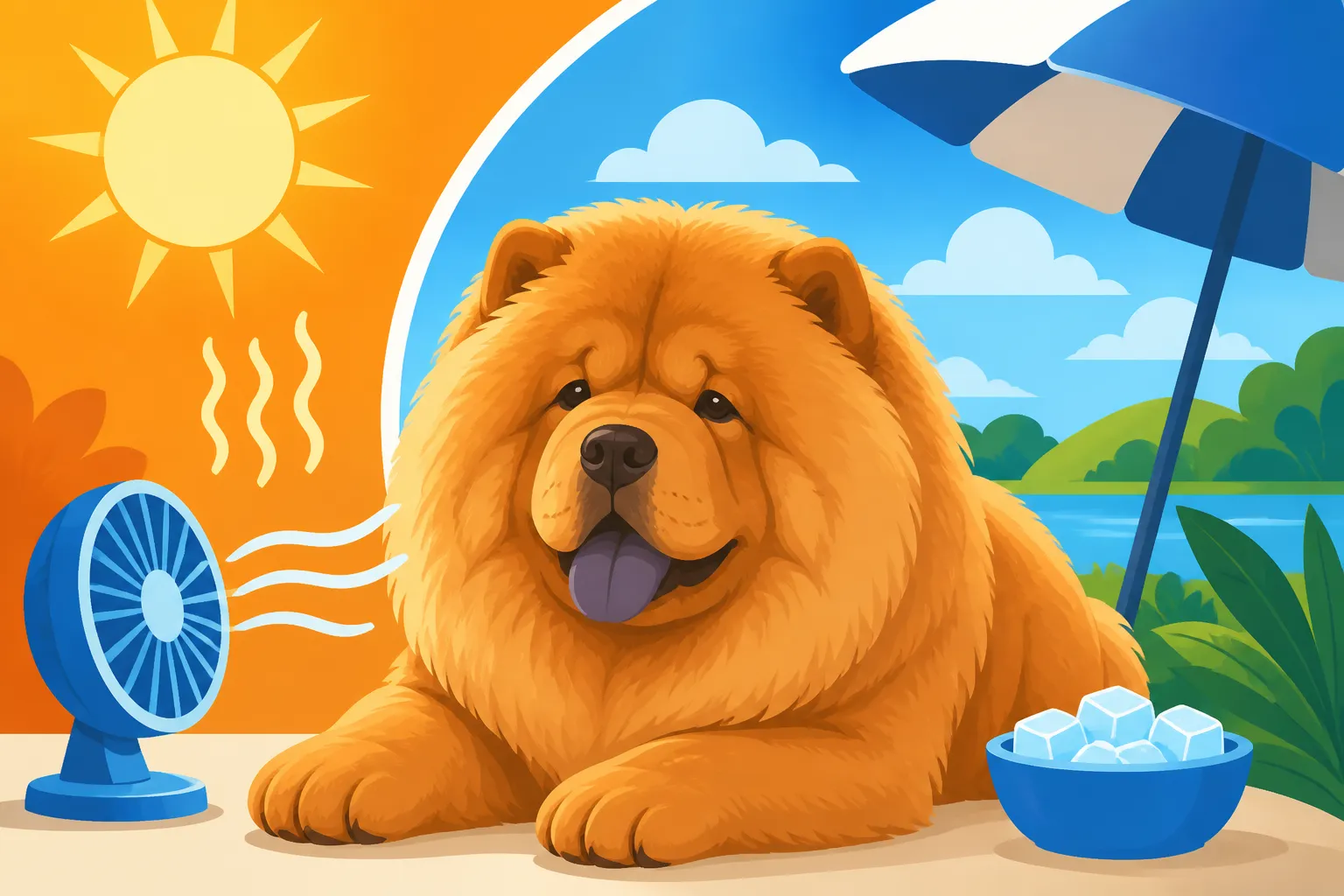
Beyond just the temperature, good air circulation is key. Use ceiling fans or oscillating fans in rooms where your Chow Chow spends time. These can help move cooler air around and assist with evaporative cooling from their fur (even if it's less efficient for Chows). Ensure that vents aren't blocked by furniture or dog beds, allowing the cool air to flow freely. If you need to leave them alone for extended periods, consider leaving the AC on or setting it on a timer to kick in before temperatures peak.
On milder days, or in cooler evenings, opening windows on opposite sides of the house can create a cross-breeze, but always be mindful of humidity. High humidity dramatically reduces a Chow Chow's ability to cool itself through panting, so sometimes keeping windows closed and the AC running is the safer bet.
Strategic Use of Cooling Products Indoors
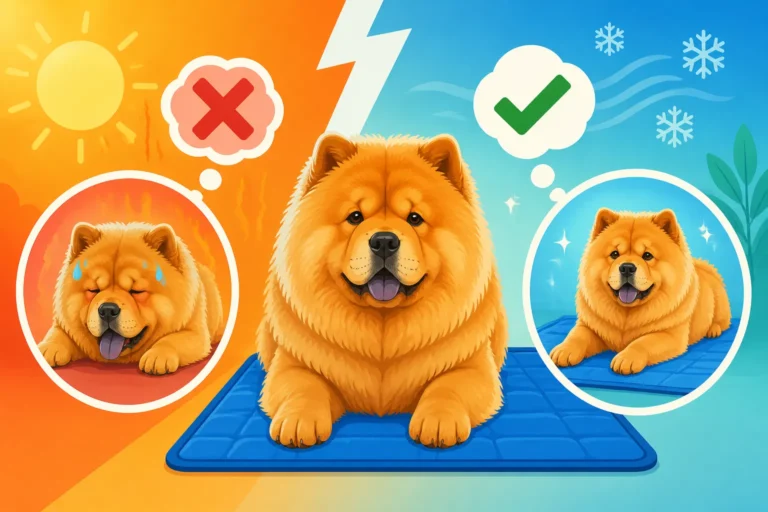
The market is full of fantastic cooling products designed to help dogs beat the heat, and many of these can be invaluable for Chow Chows. Cooling mats are a personal favorite because they offer a direct, cool surface for your dog to lie on. Brands found on platforms like Amazon or Chewy offer various types—some use gel that activates with pressure, others are water-cooled or simply designed with materials that dissipate heat. Place these in their favorite napping spots.
Another great option is a cooling bandana or vest. These can be soaked in water, wrung out, and then placed on your Chow Chow to provide evaporative cooling around their chest and neck. Just be sure to refresh them frequently, as they will warm up quickly. You can find many options from brands like Ruffwear or The Chill Dog online. You can even make a DIY version with a damp towel in a pinch.
Frozen KONGs or other puzzle toys filled with dog-safe treats (like yogurt, peanut butter, or mashed banana) can also provide a refreshing, engaging activity that helps keep them cool from the inside out. Freeze a bit of chicken broth in ice cube trays for an easy, low-calorie treat they'll love.
Establishing Cool Zones in the House
Even with central air, some areas of your home will naturally be cooler than others. Identify these "cool zones" and encourage your Chow Chow to use them. Basements, for example, tend to stay cooler than upper floors. Rooms with tile or linoleum flooring will often be cooler than carpeted areas.
Consider blocking off access to particularly warm rooms, like sunrooms or rooms with large, uncovered windows that get direct afternoon sun. Draw curtains or blinds on sunny windows to prevent solar heat gain. During the hottest part of the day, create a dedicated, dark, quiet, and cool space where your Chow Chow can retreat without disturbance. This might mean closing them into a particular room with a cooling mat, a fan, and fresh water.
By proactively managing their indoor environment, you're not just making them comfortable; you're actively safeguarding their health. A consistent strategy for indoor cooling is one of the best defenses against summer heat for a Chow Chow.
Managing Outdoor Activities Safely
It’s completely unrealistic to expect a Chow Chow to stay indoors 24/7 during the summer. They still need to relieve themselves, and some amount of outdoor enrichment is important for their mental well-being. The key is extreme caution and careful planning when they step outside.
Timing Walks and Outdoor Play
This is probably the single most critical rule for Chow Chow owners in summer: avoid the hottest parts of the day at all costs. This usually means no walks or strenuous outdoor activity between 10 AM and 5 PM, or even later depending on your local climate. Even if it feels mild to you, the ground temperature can be significantly hotter than the air, scorching their paw pads.
Aim for early morning (think dawn, seriously) or late evening after the sun has truly begun to set and the asphalt has cooled down. Test the pavement with the back of your hand – if you can't hold it there for five to seven seconds comfortably, it’s too hot for your Chow Chow's paws. Stick to grassy areas if possible, but even grass can radiate heat.
Keep walks very short, primarily for potty breaks, and always on a leash. Resist the urge for prolonged play sessions, even if your Chow seems interested. A short walk around the block might be all they can handle before signs of distress appear. What Temperature Is Too Hot for a Chow Chow is lower than you might think.
Choosing the Right Gear for Summer Outings
When you do take your Chow Chow out, a few pieces of gear can make a big difference in their comfort and safety. A well-fitting harness is preferable to a collar, as it distributes pressure more evenly and avoids putting any strain on their throat, which is already working hard to pant. Avoid restrictive muzzles that prevent full panting, unless absolutely necessary and for very brief periods, such as a quick vet visit.
Consider a cooling bandana or a lightweight cooling vest mentioned earlier. These can provide a layer of evaporative cooling during a short outing. Always carry a portable water bottle and a collapsible bowl. Even a quick 5-minute walk warrants access to fresh water immediately afterward.
For those quick dashes outside, booties can protect sensitive paw pads from hot pavement, but ensure they are breathable and don't contribute to overall overheating. Not all Chows will tolerate booties, so if yours doesn't, plan your walks for surfaces and times that are naturally cooler.
Hydration Strategies for Outside Time
Hydration starts before you even step out the door. Make sure your Chow Chow has had plenty of fresh, cool water throughout the day. Before a walk, offer them a drink, and again immediately upon returning. During the walk, if it's more than a few minutes, stop and offer water.
You can also offer ice cubes or frozen treats before and after outings to help them cool down internally. Carry a bottle of water and a portable bowl (many convenient options are available on Chewy or Amazon) even for the shortest potty breaks. Some dogs enjoy a quick spray of cool water on their paws or belly from a misting bottle on particularly hot days, but watch their reaction; some find it startling.
The goal is to prevent dehydration and overheating proactively. Never assume a short time outside is harmless. Always be prepared with water, and always err on the side of caution. If you're debating whether it's too hot, it probably is.
Grooming for Summer Comfort (Without Shaving!)
Grooming a Chow Chow is a year-round commitment, but in summer, it becomes a crucial part of their heat management strategy. It’s not just about aesthetics; it’s about maintaining the functionality of their unique coat. And let me tell you, the biggest misconception out there is that shaving them will help. It won't!
Maintaining the Undercoat for Insulation
A Chow Chow's double coat acts as insulation, not just against cold, but also against heat and the sun's UV rays. The dense undercoat, when properly maintained, creates an air barrier that helps regulate body temperature. If this undercoat becomes matted or impacted, it loses its insulating properties and instead traps heat, making it incredibly difficult for your Chow to cool down.
Regular and thorough brushing is paramount. You need to brush all the way down to the skin to remove loose undercoat, especially during their seasonal "coat blow" when they shed heavily. This allows air to circulate properly through the coat, which is vital for evaporative cooling. A good slicker brush and an undercoat rake are your best friends here. How Often a Rough Coated Chow Chow Needs Brushing is significant, and it increases during warmer months.
Think of it like a thermos. A thermos keeps hot things hot and cold things cold because of the vacuum layer—an air barrier. Your Chow's properly maintained coat works similarly. It protects them from the intense heat of the sun, preventing their skin from absorbing too much radiant heat, and helps trap a layer of cooler air against their body.
The Dangers of Shaving a Chow Chow
This is probably the most well-meaning but dangerous mistake Chow Chow owners can make: shaving their dog for summer. While it seems logical to remove all that fur, it actually strips them of their natural protection and can cause more problems than it solves. Why Shaving Does Not Cool a Chow Chow is a message I try to shout from the rooftops.
Firstly, shaving exposes their sensitive skin directly to the sun, leading to painful sunburn and an increased risk of skin cancer. Secondly, it disrupts the natural growth cycle of their double coat. When the undercoat grows back, it often comes in faster and thicker than the guard hairs, leading to a "wool-like" coat that mats more easily and is even less efficient at insulation. This condition, known as "clipper alopecia" or "post-clipping alopecia," can mean their coat never fully recovers its original texture and function.
The guard hairs are essential for protecting the skin and shedding water, while the undercoat provides the insulation. Removing both indiscriminately can actually make them hotter in the long run because they lose that protective air barrier. It’s akin to taking the insulation out of your house during summer.
Regular Brushing and Bathing Routines
Consistent grooming is your most effective tool. Invest in quality tools – a sturdy slicker brush, a wide-toothed comb, and an undercoat rake are non-negotiables. Regular line brushing, where you part the coat and brush in sections from the skin out, ensures you're getting all the dead undercoat out. During summer, this might mean brushing every few days, especially if your Chow is blowing coat.
Bathing can also help, but it needs to be done correctly. A full bath (with dog-specific shampoo and conditioner) followed by thorough drying is essential. Leaving a Chow Chow's dense coat damp can lead to skin infections and hot spots, which are painful and can quickly escalate in warm, humid weather. Use a high-velocity dryer (like those you can find on Amazon or Chewy) to ensure the coat is dry all the way down to the skin, which also helps blow out loose undercoat.
Remember, the goal is to maintain the integrity and function of the coat, not to remove it entirely. A well-groomed, brushed-out coat is far more effective at helping a Chow Chow stay cool than a shaved one.
| Grooming Action | Summer Benefits | What to Avoid |
|---|---|---|
| Thorough Brushing | Removes trapped undercoat, improves air circulation, prevents matting | Skipping deep brushing, only surface brushing |
| Regular Bathing | Cleans coat, can temporarily cool, removes debris | Leaving coat damp, using human shampoos |
| High-Velocity Drying | Ensures coat is dry to skin, helps blow out loose undercoat | Air-drying, low-power human hair dryers |
| Trimming Paw Pads | Improves heat dissipation through paws, prevents slipping | Not applicable for Chow Chows (don't trim body hair) |
| Checking Skin Folds | Prevents moisture buildup and irritation in wrinkles | Neglecting regular cleaning of face folds |
Nutritional Considerations and Hydration
Just as with humans, a Chow Chow's dietary and hydration needs can shift in hotter weather. Their appetite might decrease, and their need for water will definitely increase. Paying attention to these subtle changes can further support their well-being during the summer months.
Encouraging Adequate Water Intake
Access to fresh, cool water at all times is non-negotiable for a Chow Chow, especially in summer. Place multiple water bowls around the house, in all the spots your Chow frequents, to encourage them to drink more. Consider using ceramic or stainless steel bowls, which tend to keep water cooler than plastic.
You can add ice cubes to their water bowl throughout the day to keep it refreshing. Some Chows are particular about their water, so experiment with adding a splash of low-sodium chicken broth (ensure it's onion and garlic-free) to entice them to drink more. A pet drinking fountain can also be a great investment, as the circulating water often encourages increased intake, and the filtration keeps it fresh. You can find many popular models on Amazon.
Remember, a Chow Chow can dehydrate quickly, and by the time you notice they're thirsty, they might already be moderately dehydrated. Proactive hydration is key to preventing heat-related illnesses.
Adjusting Feeding Schedules and Portions
It's common for a Chow Chow's appetite to decrease slightly in hot weather. Just like us, they might not feel like eating a big, heavy meal when it's scorching outside. Don't panic if they skip a meal or eat less than usual. Instead, adjust their feeding schedule to coincide with the cooler parts of the day.
Offer meals in the early morning or late evening when temperatures are lower. If your Chow Chow typically eats two meals a day, you might split their daily portion into three smaller meals to make it more manageable. Avoid leaving food out for extended periods, as it can spoil quickly in the heat and attract pests.
Consider adding a little bit of warm water or a small amount of low-sodium broth to their dry kibble to make it more appealing and add some extra hydration. If you feed wet food, ensure it’s not left out for too long. If your Chow Chow is a picky eater in the heat, you might explore softer food options, perhaps a high-quality fresh food like Ollie offers, which can sometimes be more palatable.
Cool Treats and Hydrating Foods
Summer is the perfect time to introduce some refreshing, dog-safe treats that also help with hydration. Frozen fruits and vegetables like apple slices (no seeds!), banana, watermelon (seedless!), cantaloupe, or cucumber are excellent choices. Always introduce new foods slowly and in moderation to avoid an upset stomach.
You can also make homemade "pup-sicles" by freezing dog-safe broth, yogurt, or pureed pumpkin in ice cube trays or small silicone molds. These offer a tasty way for your Chow Chow to cool down and get a little extra fluid.
Be mindful of calorie intake, however. While treats are fun, they shouldn't make up a significant portion of their diet. If you're offering more hydrating treats, you might need to slightly reduce their regular meal portions to maintain a healthy weight. Keeping a Chow Chow at their ideal weight is critical, as excess weight puts additional strain on their cardiovascular system and makes them even more susceptible to overheating. Keeping a Chow Chow at the Weight Its Elbows Can Carry is important year-round, but especially in summer.
Emergency Preparedness for Heat-Related Issues
While prevention is always the best strategy, sometimes things happen unexpectedly, or despite your best efforts, your Chow Chow shows signs of overheating. Being prepared for a heat emergency can mean the difference between a swift recovery and a tragic outcome.
Assembling a Heat Emergency Kit
Having a dedicated "heat emergency kit" can save precious minutes. Keep these items readily accessible, perhaps in a small bag near the door or in your car if you travel with your Chow Chow.
Your kit should include:
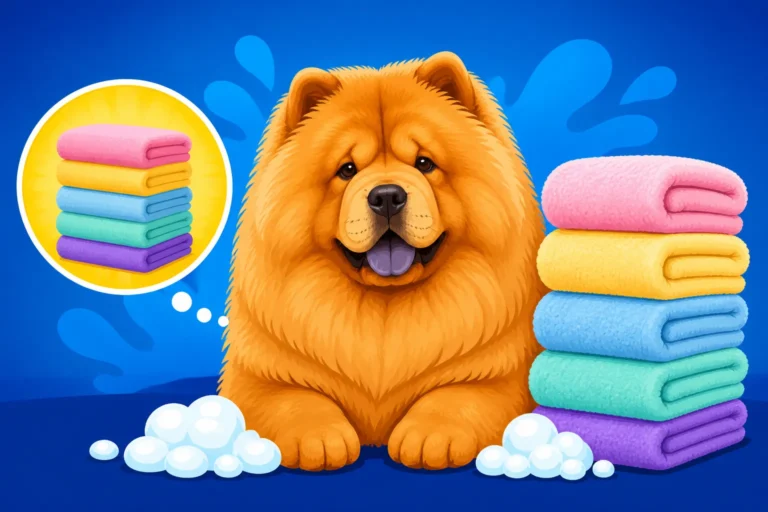
- Cooling towels or bandanas: Several small hand towels that can be soaked in cool water.
- Rubbing alcohol: A small bottle to apply to paw pads, which helps with evaporative cooling. Be cautious not to overdo it, as too much can dry out skin.
- Portable water bottle and bowl: For immediate hydration.
- Ice packs or frozen water bottles: Wrapped in a cloth, these can be placed in strategic areas.
- A rectal thermometer: To accurately check their temperature. A dog's normal temperature is around 101-102.5°F (38.3-39.2°C). Anything above 104°F (40°C) is cause for serious concern.
- Your vet's number and the nearest emergency vet's number: Programmed into your phone and written down.
Being able to grab this kit and start immediate cooling while en route to the vet can significantly improve your Chow Chow's prognosis.
Knowing Your Closest Emergency Vet
In a heat emergency, time is of the essence. Don't wait until you're in a panic to start Googling "emergency vet near me." Identify your closest 24-hour veterinary emergency clinic before summer officially begins. Know their address, phone number, and directions.
It's also a good idea to know if they have any specific intake procedures for emergencies. Some clinics prefer you call ahead, while others might just want you to come straight in. Having this information readily available will reduce stress and allow for faster treatment when every second counts.
Consider having a backup plan, too, in case your primary emergency vet is overwhelmed or closed for some reason. The more prepared you are, the calmer you can remain, and the quicker you can get your Chow Chow the help they need. What a Chow Chow Costs Over Its Lifetime includes the potential for emergency vet bills, highlighting the importance of prevention and being prepared for the unexpected.
Teaching Your Chow Chow to Cooperate with Cooling Measures
While you might not think of it as "training," helping your Chow Chow tolerate and even appreciate cooling measures can be incredibly helpful in an emergency. Practice offering them a damp towel to lie on or gently wiping their paws with a cool, wet cloth when they're relaxed and comfortable.
If you plan to use a cooling mat, introduce it positively with treats. If you use booties for paw protection, acclimate them gradually. The goal is that if you ever need to apply emergency cooling, your Chow Chow won't see it as a stressful or alarming event, which could further elevate their heart rate and body temperature.
Positive reinforcement, using high-value treats (perhaps some bits of cooked chicken or cheese from a brand like Ollie, known for its fresh ingredients, if appropriate for your dog), can help create positive associations. Make these cooling sessions calm and rewarding. This preparation not only makes your life easier but can also make a critical difference to your Chow Chow's comfort and safety during an actual heat crisis.
Disclaimer
This article is for general informational purposes only and does not constitute professional advice. Laws, prices and regulations vary by location and change over time. Consult a qualified professional for guidance on your specific situation.