Whether Boarding Will Take a Chow Chow
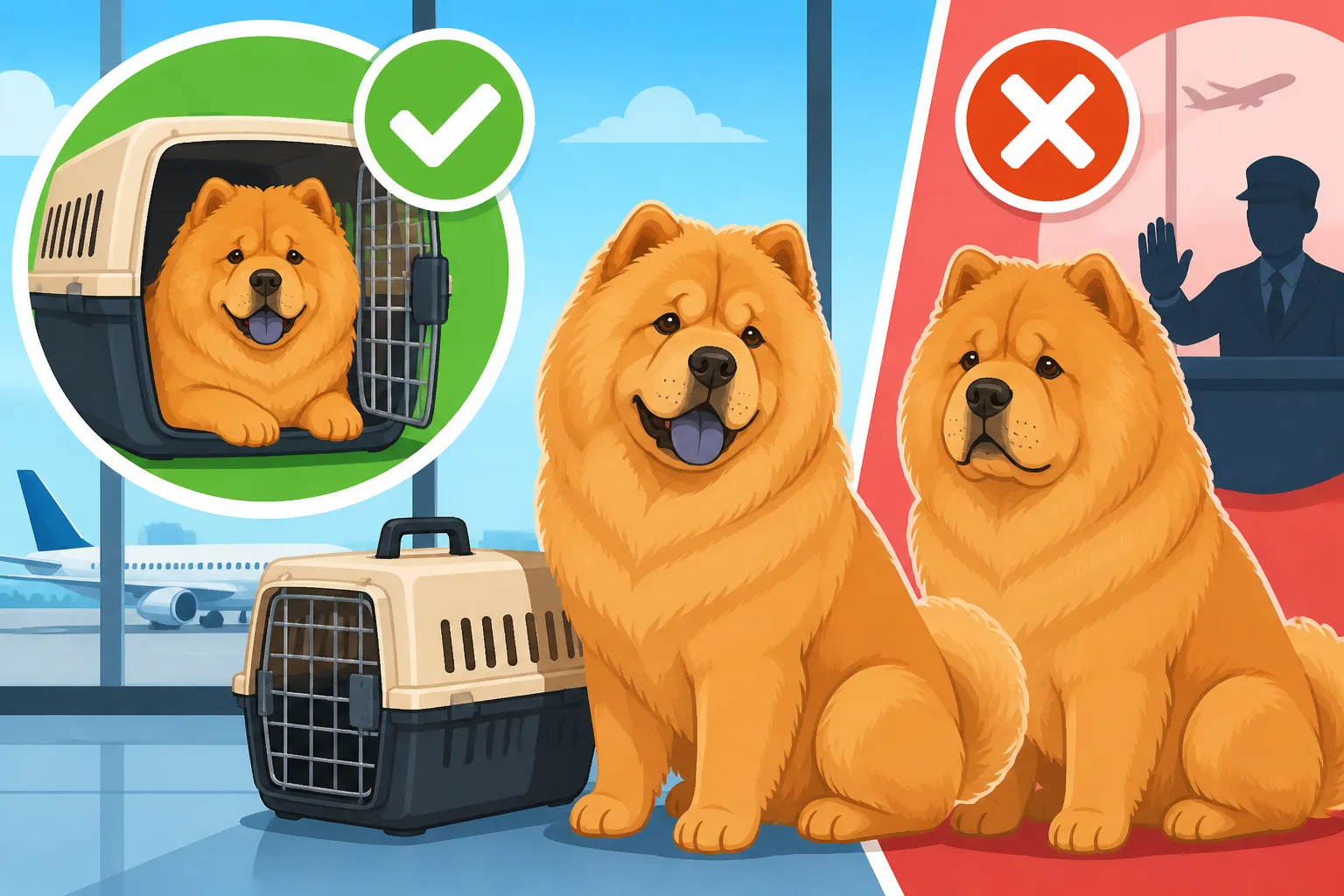
Finding a trustworthy place to leave your beloved Chow Chow when you travel can feel like an impossible mission. Many owners face the disheartening reality that some boarding facilities are reluctant, or even refuse, to take on our unique, dignified companions. This guide will help you understand why this challenge exists and how to navigate the options to find the best, most comfortable, and safest boarding solution for your Chow Chow.
Why Boarding a Chow Chow Can Be a Challenge
It’s no secret that Chow Chows aren't like every other dog breed trotting into the local kennel. Their distinct personality traits, their magnificent coat, and even their physical structure present specific considerations that can make some boarding facilities wary. As Chow Chow owners, we know and love these quirks, but for a general kennel staff, they can represent potential challenges.
Their Unique Temperament and Social Needs
Chow Chows are known for their aloof, independent nature. They often form a deep, singular bond with one person and tend to be quite reserved with strangers. This isn't rudeness; it's just how they're wired. When they're suddenly placed in a bustling environment with new people and many other dogs, this can be incredibly stressful for them. An overstimulated or anxious Chow Chow might become withdrawn, refuse to eat, or even react defensively if approached incorrectly. Staff who are accustomed to more overtly friendly breeds might misinterpret a Chow's stoicism or direct gaze as aggression, leading to unnecessary tension.
Think about how your Chow Chow reacts when a new guest comes to your home. Now multiply that by dozens of new "guests" and unfamiliar staff. While your Chow might tolerate the rest of the family, The Chow Chow Bonds to One Person and Tolerates the Rest, they are not typically the type to happily greet every new face. This can make initial introductions at a boarding facility particularly tricky. Their limited peripheral vision, due to their deep-set eyes, also means they can be easily startled if approached from behind or the side, which can lead to a quick snap without much warning. This isn't aggression, but a defensive reaction to feeling surprised and cornered. It's crucial for boarding staff to understand Why a Chow Chow Snaps at Someone It Did Not See.
Grooming and Health Considerations
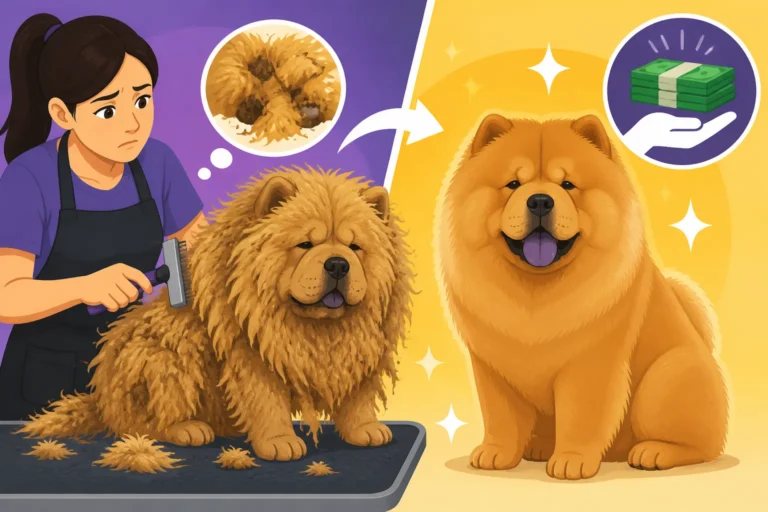
Then there's that glorious, dense coat. Whether you have a rough-coated lion or a sleek smooth coat, both require specific care. Chow Chows shed significantly, especially during their twice-yearly "coat blow," and preventing mats in a thick double coat is a full-time job even at home. Many standard boarding facilities don't have the staff or expertise to properly maintain a Chow's coat, especially one that might resist brushing from strangers. If your Chow Chow is matted, a kennel might charge significant extra fees, or even refuse them.
Beyond grooming, Chow Chows are prone to certain health issues that can be exacerbated by stress or lack of specialized care. Their deep-set eyes, for instance, are susceptible to conditions like entropion, where the eyelid rolls inward. What Entropion Does to a Chow Chow's Eye can be painful and lead to corneal ulcers if not managed. While a facility isn't expected to be a veterinary hospital, recognizing signs of discomfort or potential issues is important. Furthermore, their susceptibility to overheating means strict temperature control is necessary, especially in warmer climates, something not all kennels are equipped to provide consistently.
Types of Boarding Options for a Chow Chow
Given the specific needs of a Chow Chow, not all boarding options are created equal. Exploring the various types can help you find one that aligns with your Chow's personality and your peace of mind.
Traditional Kennels and Dog Hotels
These are often the most common and readily available options. Traditional kennels typically offer individual runs or suites, with scheduled outdoor playtime. "Dog hotels" or luxury kennels often boast larger, more comfortable accommodations, sometimes with webcams, individualized activity schedules, and extra services like grooming.
The main challenge here is finding a facility that truly understands and is equipped for a Chow Chow's needs. Ask about their experience with specific breeds like Chows, their staff-to-dog ratio, and how they handle dogs that are less socially outgoing. Do they have quiet areas for dogs who prefer solitude? How do they ensure one-on-one interaction and comfort for a dog that might not thrive in group play? While some larger, well-staffed facilities can be excellent, others might not be the right fit. It's not uncommon for these places to have breed restrictions or extra charges for "difficult" or "high-maintenance" breeds, which can feel frustratingly unfair, but it's often a reflection of their staffing and comfort level.
| Feature | Pros for a Chow Chow | Cons for a Chow Chow |
|---|---|---|
| Traditional Kennel | Structured environment; secure enclosures; vet on call usually | Can be noisy/stressful; less individual attention; breed restrictions possible; grooming expertise varies |
| Dog Hotel/Luxury | More personalized care; better facilities; webcam access often; grooming services | Higher cost; still a new environment with strangers; group play might not suit all Chows; some may still have breed reservations |
In-Home Pet Sitters and Dog Boarders
This option can often be a better fit for the independent and home-loving Chow Chow. An in-home pet sitter comes to your house, allowing your Chow to stay in their familiar environment, following their regular routine. This reduces stress significantly and ensures they receive one-on-one attention from a known, vetted individual.
Alternatively, some sitters offer in-home boarding at their house. This provides a home-like environment but still introduces your Chow to a new setting and new people. For a Chow Chow, the key is the individual attention and the quieter setting, away from the hustle and bustle of a large kennel. You can discuss with the sitter how they plan to manage feeding, walks, and especially grooming. If you use a brand like Ollie for your Chow's food, ensuring the sitter is comfortable maintaining that diet is a conversation you'll want to have. Building a relationship with a reliable pet sitter long before you travel is crucial for these options.
Veterinary Clinic Boarding
Many veterinary clinics offer boarding services, especially for senior pets or those with special medical needs. This can be an excellent choice if your Chow Chow has existing health concerns or requires medication. The immediate access to veterinary staff can provide immense peace of mind.
However, veterinary boarding facilities are typically not set up for extensive playtime or luxury accommodations. They are often geared towards safety and medical oversight. While your Chow will be safe and medically monitored, they might spend more time in a kennel run than in other settings. Consider this option if your primary concern is health management, perhaps for an aging Chow Chow, but not if your Chow thrives on extensive walks or social interaction.
Key Questions to Ask Boarding Facilities
Once you've identified potential boarding options, it's time to become an expert interviewer. Asking the right questions is vital to ensure your Chow Chow will be well-cared for. Don't be shy; a good facility will welcome your thoroughness.
Experience with Independent Breeds
This is perhaps the most critical question. You need to know if they understand the Chow Chow's temperament. Ask:
- "Have you boarded Chow Chows or similar independent, sometimes reserved breeds before?"
- "How do you approach a dog that is shy or wary of strangers?"
- "What is your protocol for dogs that don't want to participate in group play?"
A facility that boasts about boisterous group play might not be the best fit for your Chow. Instead, look for answers that emphasize individual attention, understanding canine body language, and respecting a dog's boundaries. They should ideally have staff experienced with handling a dog that might need a bit more coaxing or quiet time. Discuss How Aloof a Chow Chow Really Is and how their staff manages this.
Handling and Safety Protocols
Chow Chows, with their immense strength and often unshakeable will, require confident and respectful handling. You want to ensure the staff are not just dog lovers, but competent dog handlers.
- "How do you ensure dogs are safely moved between areas?"
- "What kind of leashes/collars do you use, and are staff trained in their proper use?"
- "Do you have a 'no-touch' policy if a dog shows discomfort, or how do you de-escalate if a dog becomes fearful?"
It's also important to inquire about their security measures. Can a determined Chow Chow potentially escape? Are gates double-secured? What measures are in place to prevent dog-on-dog incidents, especially for a breed that might not be overly fond of unknown canine companions? How a Chow Chow Gets Along With Other Dogs can vary, but generally, they are not always keen on unfamiliar canine company.
Emergency and Health Management
Even the healthiest Chow Chow can experience an unexpected health issue. A facility's emergency plan is non-negotiable.
- "What is your emergency veterinary protocol? Which vet clinic do you use, and how quickly can a dog be transported?"
- "Are staff trained in basic first aid for dogs?"
- "How do you administer medications, and is there an extra charge for this?"
- "What happens if a dog refuses to eat or drink for an extended period?"
This is also where pet insurance like Healthy Paws becomes incredibly valuable. Knowing that potential emergency vet bills during boarding are covered can alleviate a huge amount of stress. Make sure to understand what your policy covers, especially if your Chow has any pre-existing conditions. If your Chow Chow needs eye drops for a minor irritation, for example, staff should be comfortable administering them.
Daily Routine and Environment
Understanding a typical day will help you gauge if it suits your Chow.
- "What is the daily schedule for feeding, potty breaks, and exercise?" How Much Exercise a Chow Chow Actually Needs is often less than people think, but regular, quiet walks are important.
- "What are the sleeping arrangements like? Is it temperature-controlled?" Given a Chow Chow's dense coat, climate control is vital.
- "How often are dogs checked on throughout the day and night?"
Consider asking for a tour during business hours. Pay attention to the overall cleanliness, noise levels, and the demeanor of the other dogs. A calm, well-maintained facility is generally a good sign. If you notice dogs barking constantly or appearing stressed, it might not be the quiet sanctuary your Chow Chow needs. If the facility uses large brand name food, perhaps even through a service like Chewy, ask about their specific diet protocols and if you can provide your own food.
Preparing Your Chow Chow for Boarding
Even after finding the perfect facility, successful boarding requires preparation on your part and your Chow Chow's. A little pre-planning can make a world of difference for their comfort and your peace of mind.
Pre-Boarding Visits and Socialization
If the facility allows, arrange for a few short "daycare" visits or even just brief drop-offs where you stay nearby. This allows your Chow Chow to get used to the sounds, smells, and staff while you're still accessible. For a breed that can be wary of new experiences, gradual exposure is key. Think of it like getting them ready for a vet visit where Why a Chow Chow Is Hard to Examine at the Vet often means they need prior positive reinforcement.
Introduce your Chow to the person who will be caring for them, whether it's a kennel attendant or an in-home sitter. Let them offer treats and spend some quiet time together. This helps your Chow associate them with positive experiences, making the actual drop-off less stressful. Don't underestimate the power of positive early introductions, as When a Chow Chow's Socialization Window Closes can impact how well they adapt to new people and places.
Health and Grooming Preparation
Ensure your Chow Chow is up-to-date on all vaccinations and parasite prevention. Many facilities require proof of this for the safety of all animals. A pre-boarding vet check-up is also a good idea to catch any brewing issues before you leave. Discuss any potential anxieties with your vet and the facility. If your Chow is prone to specific issues, like skin fold infections, make sure their face folds are clean before they go.
Give your Chow a thorough brush-out before boarding. This helps minimize mats and makes it easier for staff to do quick spot checks. If your Chow Chow has a history of matting easily, consider explaining their specific grooming needs to the facility, or even leaving their preferred brush, such as one from Chewy, with them. This attention to detail can prevent significant matting during their stay.
Packing Essentials and Comfort Items
Packing a "go bag" for your Chow Chow can help them feel more secure.
- Familiar Food: Stick to their regular diet. Any sudden changes can cause digestive upset, and Whether a Chow Chow Has a Sensitive Stomach is a real concern for many. If you use a fresh food service like Ollie, ensure you pack enough for their stay, pre-portioned if possible.
- Treats: Pack their favorite high-value treats to help staff bond with them.
- Comfort Items: A blanket or an old t-shirt with your scent can provide immense comfort.
- Medications: Clearly label all medications with dosages and instructions.
- Contact Information: Provide your detailed itinerary, emergency contacts, and your veterinarian's information.
- Copy of Health Records: A simple printout of their vaccination history and any relevant medical notes.
Remember, the goal is to create as seamless and stress-free an experience as possible for your dignified Chow Chow. With careful research, open communication, and thoughtful preparation, you can find a boarding situation that keeps your beloved companion safe and content while you're away.
Disclaimer
This article is for general informational purposes only and does not constitute professional advice. Laws, prices and regulations vary by location and change over time. Consult a qualified professional for guidance on your specific situation.