What a Chow Chow Costs to Buy in 2026
Bringing a Chow Chow into your life is an incredibly rewarding experience, but it’s also a significant financial commitment right from the start. Many hopeful owners underestimate the initial expenses involved in acquiring one of these magnificent, independent dogs, leading to stress and difficult decisions down the line. This comprehensive guide will meticulously break down the various costs associated with buying a Chow Chow puppy or adopting an older one, helping you budget wisely and ensure you're fully prepared for this unique journey.
Understanding the Initial Puppy Price Tag: More Than Just a Number
When you begin your search for a Chow Chow, you'll quickly discover that the initial "sticker price" for a puppy can vary dramatically. This isn't just about supply and demand; it reflects a multitude of factors that contribute to the health, temperament, and overall quality of the dog you're bringing home. Understanding what goes into that price tag is the first step in making an informed decision, rather than simply hunting for the lowest number.
The Wide Range of Chow Chow Puppy Prices
The cost of a Chow Chow puppy can span a considerable spectrum. You might see ads that seem incredibly low, or prices that appear astronomically high. Generally, puppies from reputable, health-testing breeders will command a higher price point. This isn't because they're trying to make a huge profit, but because they've invested heavily in ensuring the well-being of their breeding stock and the resulting litter. Conversely, puppies offered at unusually low prices often come from less scrupulous sources, like puppy mills or backyard breeders who cut corners on vital care and genetic screening. The range can easily stretch from the mid-hundreds into several thousand dollars, with pedigree, lineage, and show potential often pushing the upper limits. It's essential to look beyond the immediate number and consider the value represented by the cost.
What Factors Drive the Base Price Up or Down
Several key factors directly influence a Chow Chow puppy's initial price. The most significant is the breeder's reputation and practices. A breeder who actively participates in breed clubs, shows their dogs, and diligently performs all recommended health clearances for the parent dogs will naturally have higher overheads. These costs include veterinary care, quality nutrition for the dam and puppies, proper socialization, and potentially travel for breeding. Furthermore, a puppy with strong show potential or from a champion lineage might be priced higher than a "pet quality" puppy, even from the same litter. Demand for certain colors or sexes can also play a role, as can the specific region you're buying in. Understanding these nuances helps you appreciate why prices aren't uniform across the board.
Geographic and Market Influences on Cost
Just like real estate, the cost of a Chow Chow can be influenced by geography. In areas with a high cost of living or fewer reputable breeders, prices might be higher due to limited supply and increased demand. Conversely, regions with many breeders might see more competitive pricing, though quality should always be the primary consideration. The overall popularity of the breed in a particular year can also subtly affect prices; while Chow Chows are not as common as some other breeds, localized trends can still create price fluctuations. It's not uncommon for potential owners to travel across state lines or even further to find a well-bred puppy from a breeder they trust, accepting that the right dog is worth the extra effort and associated travel costs.
Decoding Breeder Costs: What You're Really Paying For
When you choose a responsible breeder, you're not just buying a puppy; you're investing in years of dedicated effort, research, and financial outlay that go into producing healthy, well-adjusted dogs. The purchase price reflects this extensive commitment, aiming to cover the substantial costs involved in ethical breeding. Understanding these expenditures helps you appreciate why a higher price often correlates with a healthier, happier future for your Chow Chow.
The Investment in Health Testing for Parents
One of the most critical aspects of responsible breeding, and a major contributor to the puppy's price, is comprehensive health testing of the parent dogs. Chow Chows, like many purebreds, are prone to certain genetic conditions. Reputable breeders meticulously screen their breeding stock for these issues. This often includes hip and elbow evaluations through organizations like the Orthopedic Foundation for Animals (OFA) to check for conditions like Elbow Dysplasia Ranks the Chow Chow Near the Top and Hip Dysplasia in a Chow Chow. They also get annual eye certifications from a veterinary ophthalmologist to check for issues such as Entropion Is the Chow Chow's Signature Problem or glaucoma, and perform thyroid panels to screen for autoimmune thyroiditis. These tests are expensive, often requiring multiple vet visits and specialized consultations. When a breeder provides clear certifications for the parents, they are demonstrating a commitment to minimizing the risk of passing on debilitating conditions, which ultimately saves you significant veterinary bills down the road. You can learn more about What a Chow Chow Breeder Should Have Tested in a dedicated article.
Costs Associated with Breeding and Rearing a Litter
Beyond health testing, the act of breeding and raising a litter incurs substantial costs. This begins with stud fees, which can be quite high if the stud dog is a champion or comes from an exceptional line. Then there are veterinary expenses for the dam throughout her pregnancy, including ultrasounds, X-rays, and possibly emergency care. Once the puppies arrive, the costs continue to mount:
- High-quality nutrition for the nursing mother and weaning puppies.
- Worming and initial vaccinations for each puppy.
- Microchipping.
- Health checks for each puppy before they go to their new homes.
- Extensive time and effort dedicated to round-the-clock care, cleaning, and crucial early socialization.
A responsible breeder ensures the puppies are raised in a clean, stimulating environment, exposed to various sights, sounds, and gentle handling to prepare them for life in a family home. All these elements are factored into the purchase price, ensuring your puppy receives the best possible start.
The Value of a Reputable Breeder's Support
The investment in a puppy from a reputable breeder extends far beyond the initial transaction. A good breeder provides invaluable support throughout your dog's life. They are a resource for questions, advice, and guidance, whether it's about training, health concerns, or general Chow Chow care. They often offer a health guarantee, outlining their commitment to the puppy's well-being and what steps will be taken if a genetic issue arises. This kind of ongoing support is something you simply won't get from a casual seller or a puppy mill. They are genuinely invested in the welfare of every dog they bring into the world, fostering a relationship that can last for years. This peace of mind and expert guidance are intangible benefits that add immense value to the purchase price.
The Hidden Costs of a "Bargain" Chow Chow
It's tempting to look for a "deal" when purchasing a puppy, especially with higher-priced breeds like the Chow Chow. However, opting for a seemingly cheaper puppy from a less-than-reputable source nearly always leads to significantly greater financial burdens and heartache in the long run. What you save upfront, you often pay back tenfold in veterinary bills, training, and emotional distress.
Health Issues from Unscreened Parents
The biggest hidden cost of a "bargain" Chow Chow stems from parents who haven't undergone proper health screenings. Breeders focused solely on profit often skip expensive genetic tests, meaning conditions like hip and elbow dysplasia, hereditary eye diseases such as Glaucoma Can Blind a Chow Chow in Days, or autoimmune conditions are unknowingly passed down to puppies. You might bring home a cute, fluffy puppy only to discover a few months later that it requires costly surgeries, lifelong medication, or specialized veterinary care. Treating a severe case of hip dysplasia or managing chronic entropion can quickly amount to thousands of dollars, far exceeding any initial savings you might have made on the purchase price. As another post explains, Why a Puppy Mill Chow Chow Costs More Later is a very real concern.
Behavioral Challenges from Poor Socialization
Beyond physical health, puppies from irresponsible breeders often suffer from a severe lack of proper early socialization. Puppies need to be exposed to a wide variety of people, environments, sounds, and other gentle animals during critical developmental windows. Breeders who keep puppies isolated, or in unsanitary and chaotic conditions, fail to provide this crucial foundation. As a result, these "bargain" Chow Chows can grow up to be fearful, anxious, or even aggressive, particularly given the breed's naturally reserved and independent temperament. Addressing severe behavioral issues requires intensive professional training, potentially involving certified behaviorists, which comes at a significant financial cost and demands an immense commitment of time and effort from the owner. This is a critical area where early investment from a good breeder pays dividends in a well-adjusted companion.
The Long-Term Financial Burden of Neglect
The neglect associated with unethical breeding extends beyond health and behavior. Puppies from these environments may not receive adequate nutrition, may be exposed to parasites, or may lack basic veterinary care. This can lead to stunted growth, chronic digestive issues, or compromised immune systems, requiring ongoing medical management. Furthermore, the emotional toll of dealing with a dog constantly battling health problems or behavioral issues can be immense. The financial burden can be relentless, impacting your budget for years. When you consider the lifetime costs of owning a Chow Chow, which can be explored in articles like What a Chow Chow Costs Over Its Lifetime, it becomes clear that investing in a healthy, well-started puppy from a reputable source is truly the most economical choice in the long run.
Why Color and Coat Type Can Influence Price
The Chow Chow is known for its distinctive appearance, from its lion-like mane to its unique blue-black tongue. While all Chow Chows share these fundamental traits, variations in coat color and texture can sometimes lead to differences in price, driven by perceived rarity, demand, and adherence to breed standards.
The Demand for Specific Chow Chow Colors
Chow Chows come in five recognized colors: red, black, blue, cinnamon, and cream. While all are beautiful, certain colors often command a higher price due to their rarity or popularity. For instance, blue and cinnamon Chow Chows are generally less common than reds and blacks, and puppies of these colors might be priced higher simply because there are fewer of them available. Cream Chows also tend to be highly sought after. This isn't necessarily an indicator of superior quality or health, but rather a reflection of market demand and the challenges breeders face in consistently producing these specific hues. A breeder might price a blue puppy slightly higher because they know the demand exists, or because it required specific lineage planning to achieve that color.
Differences in Cost Between Rough and Smooth Coats
Chow Chows come in two distinct coat types: rough and smooth. The rough coat is the iconic, dense double coat with a substantial ruff around the head and neck, giving them their lion-like appearance. The smooth coat is also a double coat, but much shorter, without the extensive feathering or prominent ruff. While both are recognized by breed standards, the rough coat is significantly more common and often associated with the quintessential Chow Chow image. Smooth-coated Chows are rarer, and sometimes, this rarity can influence their price. Some breeders might price them similarly, recognizing they are both equally valid coat types. Others might price smooth coats slightly lower due to less demand, or, paradoxically, slightly higher if they are very rare in their lines. It's important to remember that both coats require regular grooming, though the rough coat certainly demands more time and specialized tools, as detailed in Rough or Smooth: the Two Chow Chow Coats and What Each Needs.
Understanding "Rare" Colors and Their Pricing
Be very wary of breeders advertising "rare" or "exotic" Chow Chow colors, such as silver, white, or merle, and then charging exorbitant prices for them. The breed standard clearly defines the acceptable colors. "White" Chow Chows are often simply very pale creams, which are perfectly standard. Merle is not a natural Chow Chow color and indicates a mix-breed or an irresponsible breeding practice that introduces a gene not present in purebred Chows. While a blue or cinnamon Chow may genuinely be less common and thus sometimes slightly more expensive, any truly "rare" color outside the established five should be a huge red flag. These breeders are often exploiting uninformed buyers for profit, and the health and genetic background of such puppies can be questionable. Always refer to the breed standard and consult with established Chow Chow clubs to verify what constitutes an acceptable color.
Adoption vs. Purchase: A Different Kind of Investment
While buying a puppy from a breeder is one path, adopting a Chow Chow from a rescue organization is another incredibly rewarding option. The financial outlay for adoption is typically much lower than purchasing a puppy, and it comes with its own unique set of benefits and considerations.
The Costs Associated with Chow Chow Rescues
Adopting a Chow Chow from a rescue typically involves an adoption fee, which is considerably less than the purchase price of a puppy from a breeder. This fee helps the rescue organization cover some of their expenses, such as:
- Veterinary care: Including spaying/neutering, vaccinations, microchipping, and any necessary medical treatments for incoming dogs.
- Food and supplies: For the dogs in their care.
- Administrative costs: For running the organization.
The adoption fee ensures that the dog you bring home has received basic veterinary attention and is ready for its new life. It's a fundamental difference from buying a puppy, where these initial medical costs would typically fall to the new owner after purchase. An article like What a Rescue Chow Chow Costs to Take On can provide more specific insights into these fees.
The Benefits of Adopting an Adult Chow Chow
Adopting an adult Chow Chow comes with many advantages. For starters, you bypass the unpredictable "puppy phase," which can be demanding in terms of training and housebreaking. Adult Chows in rescue often come with a known history, and the rescue staff can provide valuable insights into their temperament, quirks, and training needs. You'll know if the dog is good with children, other pets, or if it has specific behavioral challenges. Furthermore, adult dogs are often already house-trained and past the destructive chewing phase. While a rescue Chow Chow might have some baggage, the immediate costs are lower, and you're providing a loving home to a dog that truly needs one. This route is often more predictable in terms of personality and size, which can be a huge plus for new owners.
Finding a Reputable Chow Chow Rescue
Just like with breeders, it's crucial to find a reputable Chow Chow rescue. Look for organizations that are transparent about their adoption process, thoroughly vet potential adopters, and are knowledgeable about the breed's specific needs and temperament. A good rescue will:
- Conduct home visits or thorough interviews: To ensure a good match between dog and family.
- Provide full medical records: For the dog you're considering.
- Offer post-adoption support: To help you and your new Chow adjust.
- Be clear about any known behavioral or health issues: So you can be fully prepared.
Chow Chow-specific rescues are particularly valuable because their volunteers understand the nuances of the breed's personality and are skilled at matching dogs with appropriate homes. They can help you understand how to navigate challenges like The Chow Chow Bonds to One Person and Tolerates the Rest or manage their sometimes aloof nature.
Navigating the Deposit and Contract Landscape
Whether you're buying from a breeder or adopting from a rescue, you'll likely encounter a deposit and a contract. These are standard elements of the process and are designed to protect both the seller/rescue and the prospective owner, outlining expectations and responsibilities.
Understanding the Purpose of a Puppy Deposit
When you decide on a puppy from a reputable breeder, they will almost certainly require a non-refundable deposit to hold that puppy for you. This deposit serves several purposes. For the breeder, it signifies your serious commitment to the purchase, offsetting the risk that you might change your mind and leave them with an unsold puppy. For you, it secures your place for a specific puppy or a spot in an upcoming litter. The amount can vary, often being a percentage of the total purchase price, and it's always applied towards the final balance. A clear understanding of the deposit terms, including whether it's refundable under specific circumstances (e.g., if the puppy develops a serious, unforeseen health issue before pickup), should be part of your initial conversations with the breeder.
Key Clauses in a Chow Chow Breeder Contract
A comprehensive breeder contract is a hallmark of a responsible breeder and is crucial for your protection. Don't sign anything you don't fully understand. Key clauses to look for in a Chow Chow breeder contract include:
- Health Guarantee: Detailing the breeder's responsibility if the puppy develops a genetic health condition within a specified timeframe. This might cover conditions like The Age Entropion Shows in a Chow Chow Puppy or What Elbow Dysplasia Does to a Chow Chow.
- Spay/Neuter Agreement: For pet-quality puppies, requiring you to spay or neuter your Chow Chow by a certain age.
- Return Clause: Stating that if for any reason you can no longer keep the dog, it must be returned to the breeder, not rehomed elsewhere. This ensures the breeder maintains responsibility for their lineage.
- Registration Information: Details about AKC or other kennel club registration, often indicating "limited registration" for pet-quality puppies.
- Nutrition and Care Guidelines: Recommendations for food, exercise, and initial veterinary care.
Reading and understanding every clause is vital, as it formalizes the agreement and outlines the commitments from both parties. An article like What a Chow Chow Breeder Contract Requires delves deeper into these specifics.
Limited Registration and Breeding Rights
Most reputable Chow Chow breeders will sell pet-quality puppies with "limited registration" through organizations like the American Kennel Club (AKC). Limited registration means the dog is recognized as a purebred Chow Chow, can compete in most performance events (like obedience or agility), but cannot be bred and its offspring cannot be registered. This is a crucial tool for responsible breeders to protect their lines and ensure that their puppies are not used in indiscriminate breeding practices. If you are interested in potentially breeding your Chow Chow, you would need to discuss full registration rights with the breeder, which is usually only granted for show-quality dogs that meet stringent criteria and often comes with a higher price tag. This decision impacts not only the initial cost but also future responsibilities and opportunities for your dog.
Beyond the Purchase: The Immediate Outlays for Your New Puppy
The moment you bring your Chow Chow puppy home, the expenses don't stop. In fact, a whole new category of costs kicks in almost immediately. These initial outlays are critical for ensuring your puppy's comfort, safety, health, and proper development.
Essential Supplies for Bringing Your Chow Home
Before your new Chow Chow puppy even sets a paw in your home, you'll need to gather a host of essential supplies. This initial shopping spree can add a significant amount to your overall budget. Here's a breakdown of what you'll likely need:
- Crate: A sturdy, appropriately sized crate is essential for house-training and providing a safe den for your puppy. You can find many options on platforms like Chewy.
- Food and Water Bowls: Stainless steel or ceramic bowls are recommended for hygiene.
- Collar, Harness, and Leash: Start with a puppy-sized set, but be prepared to upgrade as your Chow Chow grows. A sturdy, escape-proof harness is often preferred for Chows.
- Bedding: Soft, washable bedding for the crate and other resting spots.
- Toys: A variety of safe, durable chew toys and interactive toys to keep your puppy entertained and to manage teething.
- Grooming Tools: Even for a young puppy, you'll need brushes, a comb, and nail clippers to start building good grooming habits. An article like How to Start Brushing a Chow Chow Puppy can offer guidance.
- Puppy Food: Ensure you get the specific food the breeder was feeding to avoid stomach upset during the transition. Consider premium, large-breed puppy formulas, such as those offered by Ollie, to support healthy growth.
- Cleaning Supplies: Puppy accidents are inevitable, so stock up on enzyme cleaners.
These initial purchases can easily run into several hundred dollars, so it's wise to factor them into your budget from the start.
Initial Veterinary Care and Vaccinations
Even if your puppy has received its first round of vaccinations and a basic health check from the breeder, your veterinarian will be your next crucial stop. You'll need to schedule an initial check-up within a few days of bringing your puppy home. This visit typically includes:
- A thorough physical examination: To ensure your puppy is healthy.
- Fecal test: To check for internal parasites, which are common in puppies.
- Remaining puppy vaccinations: A series of shots over several weeks to protect against common canine diseases.
- Deworming treatments: If needed.
- Flea and tick prevention.
- Heartworm prevention.
Depending on your vet's fees and your puppy's specific needs, these initial veterinary costs can add hundreds of dollars to your expenditure. It's a non-negotiable part of responsible pet ownership and lays the foundation for your Chow Chow's long-term health. Also, it’s important to discuss when a Chow Chow’s elbows should be X-rayed, if there are any concerns.
Early Training and Socialization Investments
A well-adjusted Chow Chow is a product of early and consistent training and socialization. While you can do much of this work yourself, investing in puppy classes or a professional trainer can be incredibly beneficial, especially for a breed known for its independent nature. These classes teach basic obedience cues, provide controlled socialization opportunities with other puppies and people, and help you establish a strong bond with your Chow.
- Puppy Classes: Group classes are usually the most affordable option, offering a structured environment for learning and socialization.
- Private Training: If your Chow Chow has specific challenges or you prefer one-on-one guidance, private sessions can be more costly but highly effective.
- Socialization Outings: While not a direct cost, frequent, positive exposures to different environments and sounds are crucial for your puppy's development. This helps them become confident and less reactive, which is vital for a breed that can be wary of strangers, as discussed in Why Early Socialization Decides What a Chow Chow Becomes. These early investments are essential for shaping your Chow Chow into a polite and manageable companion, potentially saving you from more significant behavioral intervention costs later.
Insuring Your Chow Chow: Planning for the Unexpected
Even with the most responsible breeding and diligent care, unforeseen accidents or illnesses can strike. The costs of veterinary emergencies, specialized treatments, or chronic conditions can quickly escalate, placing a significant strain on your finances. This is where pet insurance becomes an invaluable part of your Chow Chow ownership budget.
The Importance of Early Pet Insurance
When you bring home a Chow Chow puppy, it's a perfect time to consider pet insurance. The younger your dog is when you enroll, the better, as most policies have waiting periods and pre-existing condition exclusions. If your Chow develops an issue like Entropion Is the Chow Chow's Signature Problem or Elbow Dysplasia Ranks the Chow Chow Near the Top before you have coverage, that specific condition may not be covered in the future. Pet insurance can provide a financial safety net, allowing you to make medical decisions based on what's best for your dog, rather than solely on what you can afford out-of-pocket. It's an investment in peace of mind, knowing that you'll have support if your Chow Chow needs expensive diagnostics, surgery, or ongoing medication. You can compare different plans and providers to find coverage that suits your needs.
Understanding Coverage and Premiums for Chows
Pet insurance policies vary widely in what they cover and how much they cost. You'll typically find options ranging from accident-only plans to comprehensive policies that cover accidents, illnesses, routine care, and even some behavioral therapies. When choosing a plan for your Chow Chow, consider:
- Deductibles: The amount you pay before coverage kicks in.
- Reimbursement Rates: The percentage of covered costs the insurer pays (e.g., 70%, 80%, or 90%).
- Annual Limits: The maximum amount the policy will pay out in a year.
- Breed-Specific Conditions: Some plans might have nuances regarding breeds known for certain conditions.
Premiums for Chow Chows can be slightly higher than for some other breeds due to their predisposition to certain health issues, such as eye problems, orthopedic conditions, and autoimmune diseases, as detailed in Autoimmune Disease in a Chow Chow. However, the cost of a few months of premiums pales in comparison to the potential cost of a major surgery or long-term medication, such as those that might be needed for What Glaucoma Treatment Costs a Chow Chow Owner. Companies like Healthy Paws offer robust plans that can help mitigate these significant veterinary expenses.
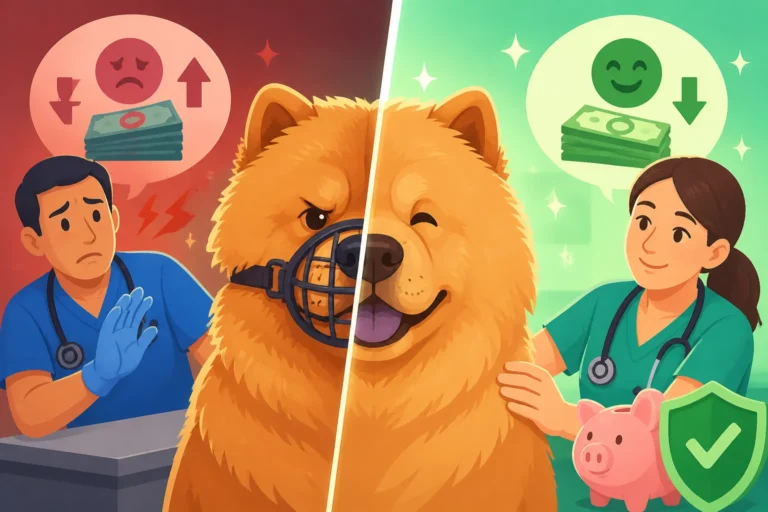
Why Some Insurers List the Chow Chow as Restricted
It's an unfortunate reality that some insurance companies, particularly homeowners or liability insurers, may list Chow Chows as a "restricted" or "high-risk" breed. This isn't due to their health issues, but rather stems from misconceptions about their temperament and a higher statistical incidence of bites reported for certain breeds. This can make finding certain types of insurance, or even housing, more challenging for Chow Chow owners. It's crucial to research this thoroughly before committing to the breed. Pet health insurance, however, is generally available, although premiums might be adjusted. Don't let these restrictions deter you; instead, be prepared to do your homework and advocate for your Chow Chow. Finding a pet insurance provider that understands the breed and offers good coverage, perhaps with the help of resources on Chewy, is paramount to planning for all eventualities.
The table below provides a general overview of potential initial costs, offering a glimpse into the financial commitment. Remember that these are approximations, and actual costs can fluctuate significantly based on region, breeder, and individual needs.
| Category | Typical Cost Range (Description) | Notes |
|---|---|---|
| Initial Purchase/Adoption | ||
| Puppy from Reputable Breeder | Moderate to several thousand dollars | Varies by pedigree, health testing, location. |
| Adoption from Rescue | A few hundred dollars | Covers spay/neuter, vaccinations, basic vet care. |
| Initial Setup Supplies | ||
| Crate, Bedding, Bowls | Hundreds of dollars | Essential for comfort, safety, and training. |
| Collar, Leash, Harness | Tens to over a hundred dollars | Start with puppy size, plan for adult size upgrades. |
| Toys (Chew, Interactive) | Tens to over a hundred dollars | Rotate to keep engagement, choose durable options. |
| Grooming Tools | Tens to over a hundred dollars | Brushes, combs, nail clippers, puppy shampoo. |
| Initial Food Supply | Tens to over a hundred dollars | High-quality puppy food, often what breeder was feeding. (e.g., Ollie) |
| Cleaning Supplies | Tens of dollars | For inevitable puppy accidents. |
| Initial Veterinary Care | ||
| First Vet Check-up | Tens to over a hundred dollars | Post-purchase examination, fecal test. |
| Remaining Puppy Vaccinations | Hundreds of dollars (over several visits) | Series of shots protecting against diseases. |
| Deworming/Parasite Prevention | Tens of dollars per treatment | Ongoing prevention crucial for puppy health. |
| Microchipping | Tens of dollars | Often done by breeder or included in adoption fee. |
| Training & Socialization | ||
| Puppy Classes | Hundreds of dollars | Group classes for basic obedience and socialization. |
| Total Initial Investment | Can range from a few hundred to thousands of dollars | This does not include ongoing monthly costs or potential emergency care. |
This article is for general informational purposes only and does not constitute professional advice. Laws, prices and regulations vary by location and change over time. Consult a qualified professional for guidance on your specific situation.