Whether Entropion Runs in Chow Chow Lines
It’s absolutely heartbreaking to see your beloved Chow Chow squinting, tearing up, or constantly rubbing their eyes because of discomfort. Many of us know the worry, especially when we realize that this isn't just a random occurrence but something that seems to pop up in certain families of Chows. This guide is here to unravel the complex truth behind whether entropion truly runs in Chow Chow lines, exploring the genetics, what responsible breeders do, and how you, as a loving owner, can navigate this common breed challenge.
The Genetic Link: Is Entropion Inherited in Chow Chows?
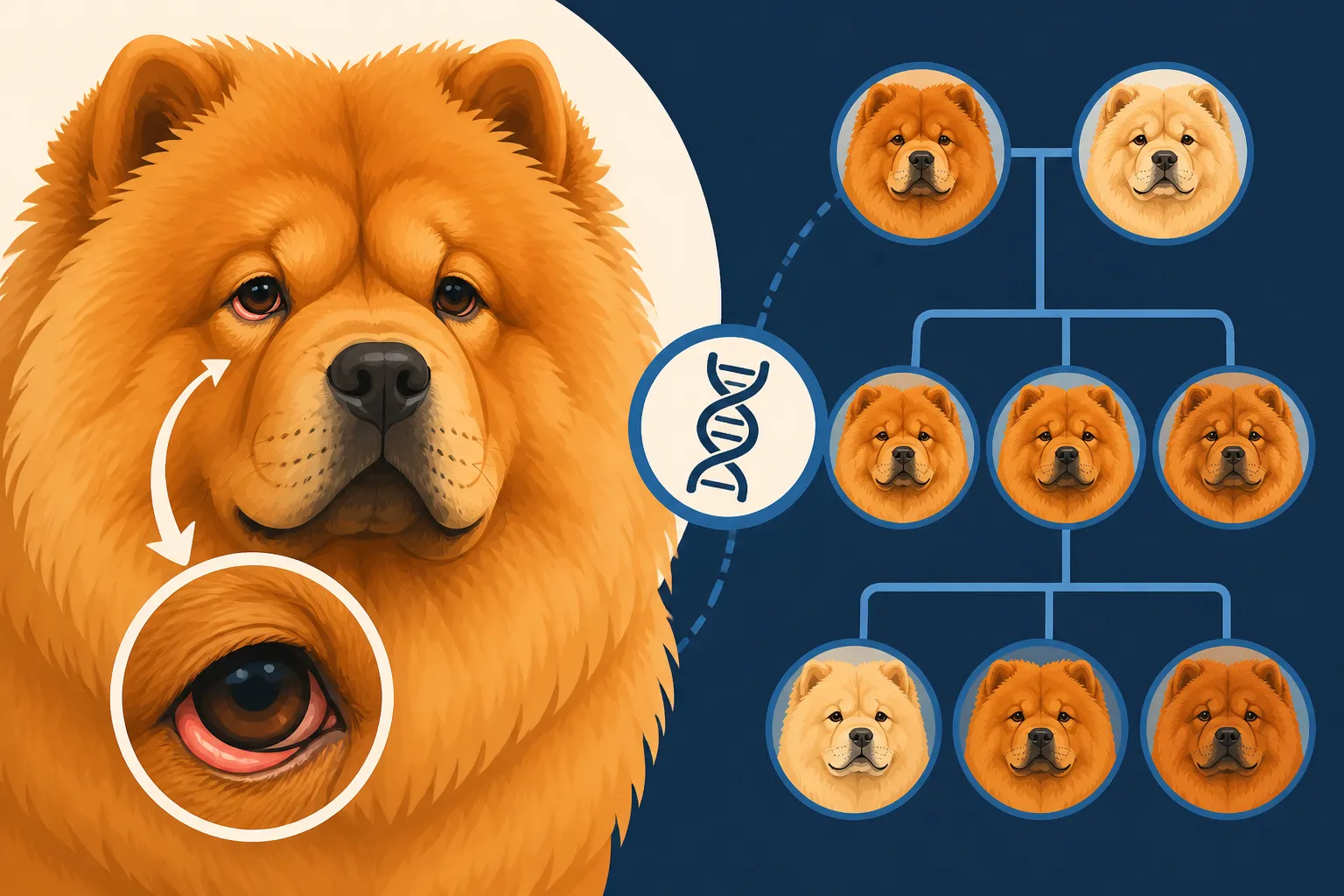
Yes, without a shadow of a doubt, entropion is a condition that very much runs in Chow Chow lines. It's not just a roll of the dice; there's a significant genetic component at play here, making it one of the breed's "signature problems" that both owners and ethical breeders grapple with constantly. This reality can be incredibly frustrating for new puppy parents who have done their homework, only to find their little fluffball developing eye issues.
Understanding the Heritability of Entropion
When we talk about entropion being inherited, it’s rarely as simple as a single gene causing the problem. Instead, it’s often what’s called a polygenic trait, meaning multiple genes work together, along with environmental factors, to determine if a dog will develop the condition. For Chow Chows, their distinctive, deep-set eyes, combined with those magnificent facial folds and heavy brows, are key contributors to entropion. These very physical traits, which are hallmark characteristics of the breed standard, are, of course, inherited from their parents.
Imagine two Chow Chows, both looking perfectly healthy with no signs of entropion themselves. If they both carry certain genetic predispositions for deeper eye sockets or more pronounced facial folds, they can pass those genes onto their puppies. A puppy might then inherit a combination of these genes that results in their eyelids rolling inward, causing the eyelashes to rub against the cornea. It's a cruel irony that some of the traits we adore in the breed can also predispose them to this painful condition. Early detection is crucial, as the severity can vary, but the discomfort and potential for corneal damage are always a concern. You might notice signs as early as when your pup is just a few weeks old, so learning about The Age Entropion Shows in a Chow Chow Puppy can be incredibly helpful.
Why Some Lines Are More Prone Than Others
The prevalence of entropion within specific breeding lines often comes down to a few factors. Firstly, without rigorous screening and careful breeding choices, a breeder might unknowingly continue to breed dogs that carry the genetic predisposition. While there isn't a definitive DNA test for entropion yet, experienced breeders who prioritize health carefully track the incidence of the condition in their litters and across generations within their kennels. They meticulously study pedigrees, observing not just the parents but also siblings, grandparents, and offspring for any signs.
Sometimes, a breeder might have a dog with many wonderful qualities – excellent temperament, correct structure, beautiful coat – but that dog also carries a predisposition for entropion. The difficult ethical decision then arises: do they remove that dog from their breeding program, potentially sacrificing other desirable traits, or do they breed cautiously, hoping to minimize the risk? This is why transparency from breeders about the health history of their lines is so vital. If a breeder isn't upfront about potential health issues, or if they claim their lines are entirely free of entropion without showing evidence, it should raise a red flag. The reality is, entropion is widespread enough that knowing How Many Chow Chows Get Entropion can help you understand the challenge faced by the breed as a whole.
Responsible Breeding Practices to Mitigate Entropion Risk
Given that entropion is a known issue within the Chow Chow breed, responsible breeders play an absolutely critical role in trying to reduce its incidence. It's a continuous, often challenging, effort that requires diligence, honesty, and a commitment to the health of the breed above all else.
Health Testing and Pedigree Research for Entropion
Since there isn't a simple genetic test to definitively identify all the genes involved in entropion, breeders rely heavily on physical examinations and thorough pedigree analysis. This means regularly having their breeding stock examined by a board-certified veterinary ophthalmologist. Organizations like the Orthopedic Foundation for Animals (OFA) offer eye certification exams (previously known as CERF exams) where a specialist examines the dog’s eyes for inherited conditions, including entropion. While these certifications confirm the individual dog is clear at the time of examination, they don’t guarantee that the dog won't produce offspring with entropion, especially if the genetic predisposition is subtle or polygenic.
A truly responsible breeder will not only ensure their breeding dogs have current eye certifications but will also be incredibly knowledgeable about the health history of their dogs' ancestors and littermates. They'll ask tough questions of other breeders, track the health outcomes of puppies they've sold, and be prepared to take certain dogs out of their breeding program if they consistently produce offspring with entropion. This meticulous record-keeping and commitment to transparency are hallmarks of someone dedicated to improving the breed's health. For any potential Chow Chow owner, understanding What a Chow Chow Breeder Should Have Tested is essential when choosing a puppy.
Ethical Breeding Decisions and Owner Transparency
The most ethical breeders make tough calls. If a breeding pair consistently produces puppies with entropion, even if the parents themselves appear unaffected, those parents should ideally be removed from the breeding program. This isn't easy, as it can mean losing valuable genetics for other traits, but it's paramount for the welfare of future generations. Some breeders will even go as far as to spay or neuter puppies that show early signs of entropion, or sell them on a strict spay/neuter contract, to prevent the continuation of affected lines.
Furthermore, a responsible breeder will be completely transparent with potential buyers about the possibility of entropion, even if the puppy appears clear at the time of purchase. They often include clauses in their health guarantees that cover the cost of initial entropion surgery if it develops within a specified timeframe, offering some financial relief to new owners. This foresight and support can make a world of difference. It's also wise for owners to consider pet insurance, as procedures can be costly. Companies like Healthy Paws are often recommended for their comprehensive coverage, which can be invaluable if your Chow Chow needs medical intervention. Knowing Whether a Breeder Should Sell an Entropion Chow Chow is a complex question with ethical dimensions.
What Owners Can Do: Early Detection and Support
Even with the most diligent breeding practices, entropion can sometimes appear. As an owner, being vigilant and prepared is your best line of defense to ensure your Chow Chow lives a comfortable life. Early detection and prompt veterinary care are paramount to preventing lasting damage and unnecessary suffering.
Recognizing Early Signs in a Puppy
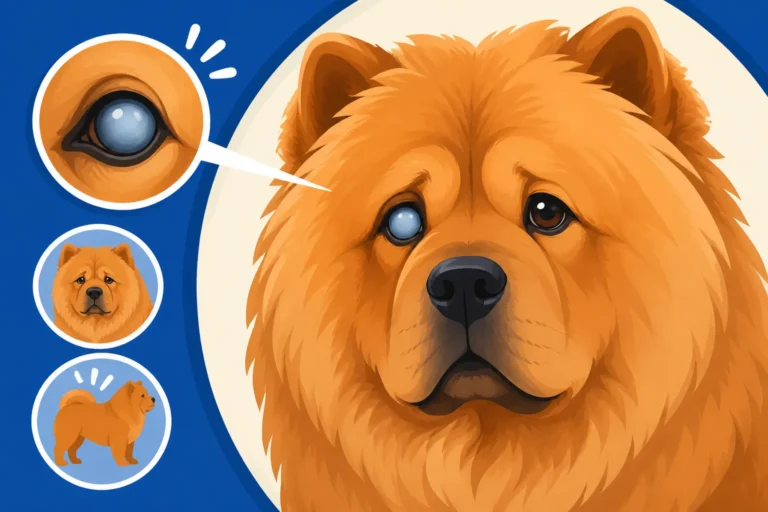
Chow Chow puppies are often born with somewhat loose eyelids, which can make it tricky to distinguish normal puppy fluff from the beginnings of entropion. However, certain signs should always prompt a visit to your vet. Look for excessive tearing or discharge, especially if it's thick or colored. Your puppy might squint frequently, hold one eye partially closed, or rub their face more than usual. The cornea, the clear outer layer of the eye, can become irritated or even ulcerated by constant rubbing from inward-turned eyelashes, leading to cloudiness or redness. If you notice your puppy repeatedly winking or blinking, it's often a sign they're trying to relieve discomfort. These are all classic Signs a Chow Chow Has Entropion.
Remember that Chow Chows, with their dense fur and stoic nature, can be masters at hiding pain. What might seem like a small amount of discharge or a slight squint could actually be significant discomfort. Don't hesitate to consult your veterinarian, or even a veterinary ophthalmologist, if you have any concerns. Catching it early can prevent severe corneal damage, which can lead to more complex and expensive treatments down the line.
Managing and Budgeting for Potential Entropion Surgery
If your Chow Chow is diagnosed with entropion, surgical correction is typically the most effective and often necessary treatment. This procedure, known as blepharoplasty, aims to remove a small strip of skin and muscle from the affected eyelid, allowing it to roll outward into its correct position. In puppies, a temporary procedure called eyelid tacking might be used to alleviate discomfort until they are fully grown and a permanent surgery can be performed. It's a significant investment, both emotionally and financially, but it dramatically improves your dog's quality of life. Understanding How Entropion Is Repaired in a Chow Chow can help you prepare for the process.
It’s crucial to budget for these possibilities. Surgical costs can range widely depending on your location, the veterinary clinic, and the severity of the entropion. Post-operative care, including medications and follow-up visits, also adds to the total. This is precisely where having robust pet insurance becomes a lifesaver. Many pet parents find that a good insurance plan, such as one from Healthy Paws, helps immensely in managing these unexpected costs. Enrolling your Chow Chow in a pet insurance plan when they're young, before any conditions like entropion are diagnosed, typically ensures better coverage. Without insurance, the financial burden of one or even two entropion surgeries, which can sometimes be the case if a Chow Chow needs Whether a Chow Chow Needs Entropion Surgery Twice, can be substantial.
Here's a quick look at recognizing and acting on entropion signs:
| Sign of Entropion | What it Looks Like | Recommended Action | Urgency |
|---|---|---|---|
| Excessive Tearing | Wetness around the eyes, tear staining | Monitor; Consult vet if persistent or worsens | Moderate |
| Squinting or Blinking | Eye held partially closed, frequent winking | Vet visit recommended | High |
| Eye Rubbing | Pawing at face, rubbing against furniture | Vet visit recommended, consider e-collar to prevent injury | High |
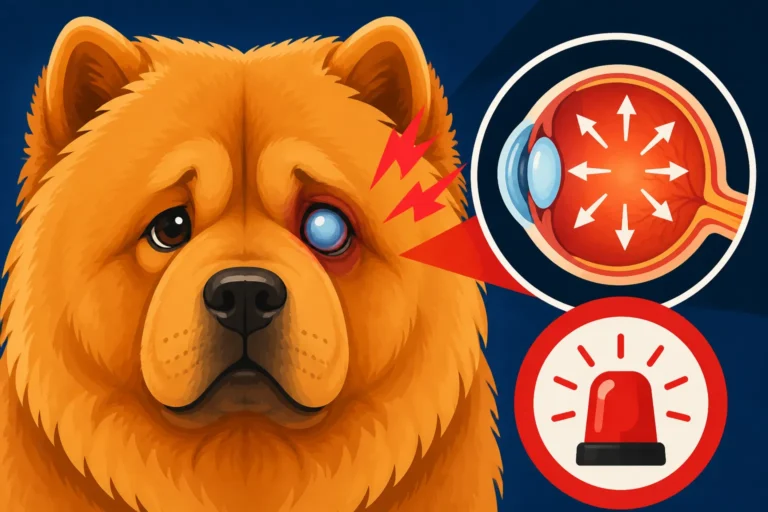
| Redness of the Eye | Bloodshot appearance, especially around the cornea | Immediate vet attention | Urgent |
| Discharge | Mucus, pus, or thick eye discharge | Immediate vet attention | Urgent |
| Cloudiness of Cornea | Hazy or blue film over the clear part of the eye | Immediate vet attention (indicates ulceration) | Critical |
| Visual Inward Rolling | Eyelid margin visibly turned inwards | Vet visit recommended | High |
While it's true that entropion runs in Chow Chow lines, this doesn't mean every Chow Chow will suffer from it. It simply means that owners need to be educated, vigilant, and prepared. Working with a responsible breeder and being proactive about your Chow Chow's eye health can make all the difference in ensuring they lead a happy, comfortable life.
Disclaimer
The information provided in this article is for general informational purposes only and is not intended as a substitute for professional veterinary advice. Always seek the advice of your veterinarian or other qualified animal health provider with any questions you may have regarding a medical condition or treatment for your pet.