Whether Forcing a Chow Chow to Greet Backfires
It's a common scenario: you have guests over, or you're out for a walk, and someone wants to meet your magnificent Chow Chow. Your dog might be reserved, perhaps even a bit wary, but the human impulse is often to encourage, coax, or even gently push them into an interaction. However, when it comes to a breed as unique and independent as the Chow Chow, forcing these greetings can absolutely backfire, leading to stress for your dog and potentially an unpleasant experience for everyone involved. This guide will delve into why that is, and more importantly, how you can foster positive, willing interactions with your Chow Chow.
Understanding the Chow Chow's Nature
Chow Chows are not your typical gregarious, tail-wagging greeters. Their personalities are often misunderstood because they don't conform to the eager-to-please mold of many other breeds. To truly understand why forcing a greeting is a bad idea, we first need to appreciate their inherent disposition.
Their Innate Aloofness
If you've spent any time with a Chow Chow, you know they tend to be quite dignified and reserved. They're not the type to excitedly greet every stranger with a sloppy kiss or a bouncing body. This isn't shyness or fear, but rather an innate aloofness that is characteristic of the breed. They observe, they assess, and they decide if an interaction is something they want to engage in. This means they often bond very deeply with their primary person, but extend a much more measured politeness – or even indifference – to others. This trait is often described as them being a "one-person dog" who "tolerates the rest." You might find it interesting to read more about How Aloof a Chow Chow Really Is.
This reserved nature means they don't feel the social obligation to interact with every human or dog they encounter. Forcing them into an interaction goes against their natural inclination and can feel like a violation of their personal space. Imagine someone constantly pushing you to hug an acquaintance you barely know – it’s uncomfortable, right? For a Chow Chow, it's very similar.
The Importance of Their Personal Space
Chow Chows value their personal bubble immensely. They are not typically cuddlers who enjoy being smothered with affection by just anyone. They thrive when their boundaries are respected, and they're given the choice to initiate or end interactions. Because of their deep-set eyes, which can limit their peripheral vision, they might not always see someone approaching from the side or behind, which can make them even more sensitive to unexpected touches or invasions of their space. This is a crucial element in understanding their reactions.
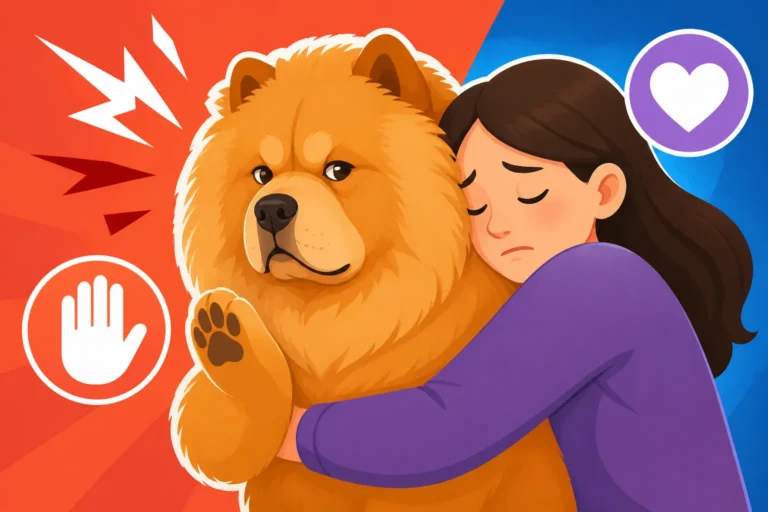
Ignoring this need for space can quickly turn a polite indifference into a defensive posture. It's not aggression born of malice, but a strong assertion of their boundaries. They communicate this need through subtle body language, which can easily be missed by those unfamiliar with the breed. Understanding these nuanced signals is vital for their well-being and for ensuring safe interactions.
Why Early Socialization is Crucial
While Chow Chows are naturally reserved, proper early socialization is still incredibly important. It doesn't turn them into Labrador Retrievers, but it helps them learn to exist comfortably and confidently in our busy human world. Introducing them to a wide variety of sights, sounds, people, and experiences in a positive, controlled manner during their critical developmental window helps them build resilience and reduces anxiety.
However, even with the best socialization, a Chow Chow will likely retain their independent, discerning nature. Socialization teaches them how to react calmly, not necessarily to react enthusiastically. It helps them differentiate between novel but safe situations and genuinely threatening ones. Without it, they can become overly wary and fearful. Learn more about Why Early Socialization Decides What a Chow Chow Becomes. The key is to support their natural inclinations while building a foundation of confidence, rather than trying to change who they fundamentally are.
The Risks of Forcing Interactions
Now, let's get down to the nitty-gritty of why pushing a Chow Chow beyond their comfort zone is so counterproductive and potentially dangerous. It's not just about them being a bit grumpy; it can have serious, lasting consequences.
Increased Anxiety and Stress
When you force a Chow Chow to interact with someone they're not comfortable with, you're essentially putting them in a stressful situation where they feel trapped. They can't simply walk away, and they might feel their subtle signals of discomfort are being ignored. This leads to a build-up of anxiety. Imagine feeling overwhelmed and being told you must perform a social pleasantry – it's an awful feeling.
This repeated stress can have long-term effects on their behavior and health. Chronic anxiety can lead to a dog becoming reactive, fearful, or even developing stress-related physical issues. You might notice them constantly yawning, lip-licking, turning their head away, or even trying to hide. These are all signs of stress. Ignoring these early warnings can push them past their threshold. Repeatedly forcing these interactions teaches your Chow Chow that they cannot trust you to protect them from uncomfortable situations, eroding the very bond you share.
The Potential for Aggression
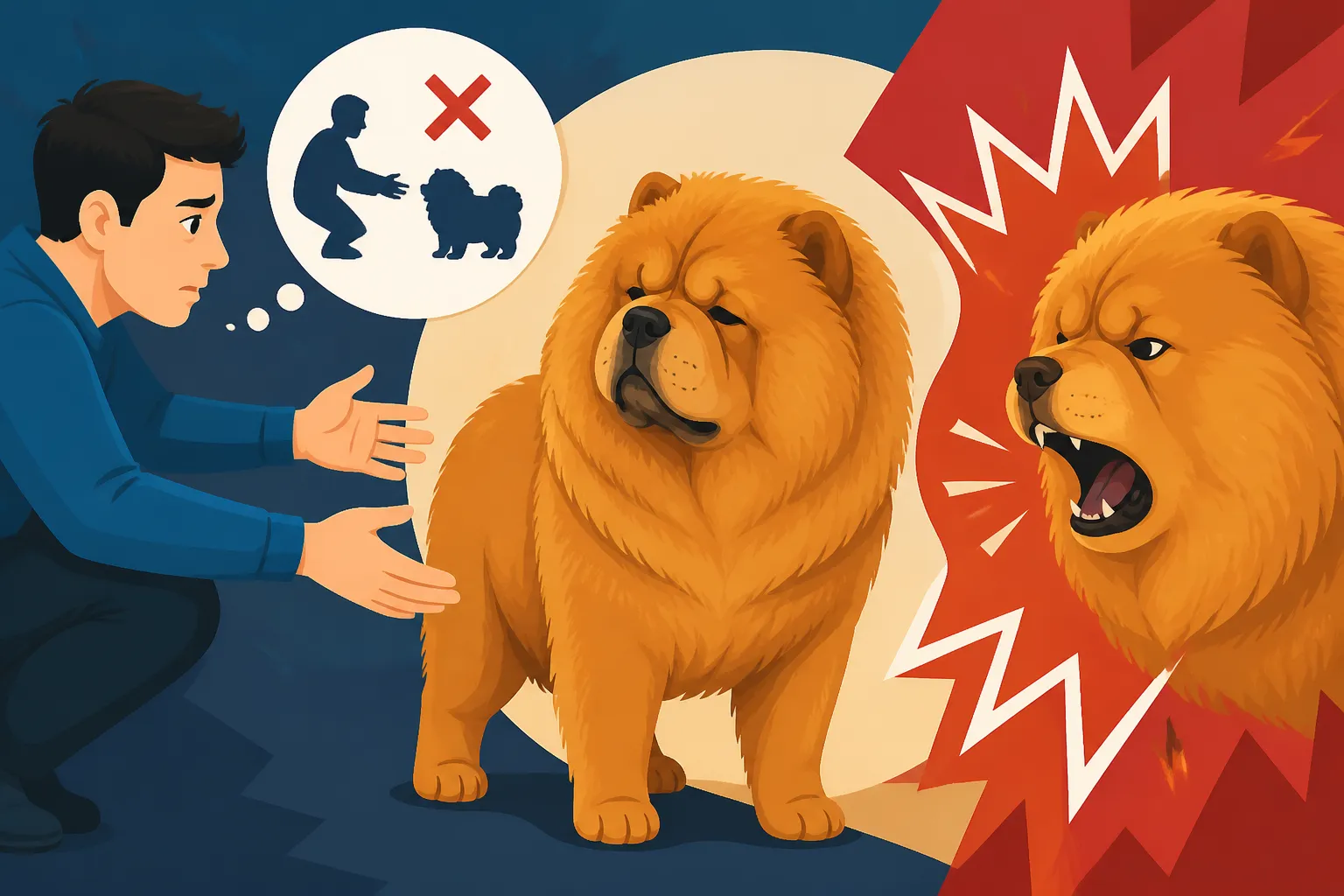
This is where the rubber meets the road. A Chow Chow, when pushed past its comfort level and feeling cornered, may resort to aggression. They are a powerful breed, and their bite can be serious. This isn't usually an act of malice, but a desperate attempt to create space and make the uncomfortable interaction stop. When their polite warnings (turning away, stiffening, growling) are ignored, biting becomes their last resort.
Many incidents involving Chow Chows and strangers stem from a failure to respect the dog's boundaries. A quick, unexpected grab by a child, an overly enthusiastic pet from an unfamiliar adult, or a direct stare can all be perceived as threats by a reserved Chow Chow. The outcome can be devastating for the dog, the person, and the family. It's far better to err on the side of caution and always advocate for your dog's comfort. Understanding Signs a Chow Chow Is Uncomfortable can help you intervene before things escalate.
Damaging the Human-Canine Bond
Your relationship with your Chow Chow is built on trust, respect, and understanding. When you force them into situations they're uncomfortable with, you betray that trust. They learn that you, their trusted person, will not protect them. This can lead to a breakdown in communication and a dog that becomes less responsive, more withdrawn, or even defensive towards you when you try to handle them in other situations.
A Chow Chow's bond with its chosen person is incredibly strong, but it's not unbreakable. If your dog consistently associates you with negative or forced interactions, it can damage the foundation of your relationship. They need to know you are their advocate and their safe harbor, not the person who pushes them into scary situations. This is also why harsh correction often backfires with this breed; they respond much better to positive reinforcement and clear boundaries. Why Harsh Correction Backfires on a Chow Chow is a good read if you're interested in their training philosophy.
Building Positive Greet Experiences
So, if forcing interactions is out, what's the alternative? The answer lies in teaching your Chow Chow that new people can mean good things, but only if the dog chooses to engage, and only when everyone respects their space. It's about empowering your Chow Chow and managing the environment.
Respecting Their Boundaries
The absolute first step is to recognize and respect your Chow Chow's signals. If they turn their head away, back up, hide behind you, or show any signs of discomfort, that's a clear "no." It means the interaction needs to stop or not happen at all. This might mean politely telling a well-meaning stranger, "He's not really a greeter," or "He needs his space." Don't feel guilty about protecting your dog. Their comfort and safety, and that of others, are paramount.
Teach your Chow Chow a "go say hello" or "leave it" cue, so they have a choice. If you're out and someone approaches, ask your dog if they want to say hello by giving them the option. If they don't move forward willingly, then it's a "no." Likewise, if someone is approaching that your dog is clearly uncomfortable with, use "leave it" and calmly move away. This empowers your Chow Chow and reinforces that you understand their needs. You can find helpful guides and tools for this kind of positive reinforcement training on platforms like Amazon, including books on dog body language and training equipment.
Using Positive Reinforcement and Choice
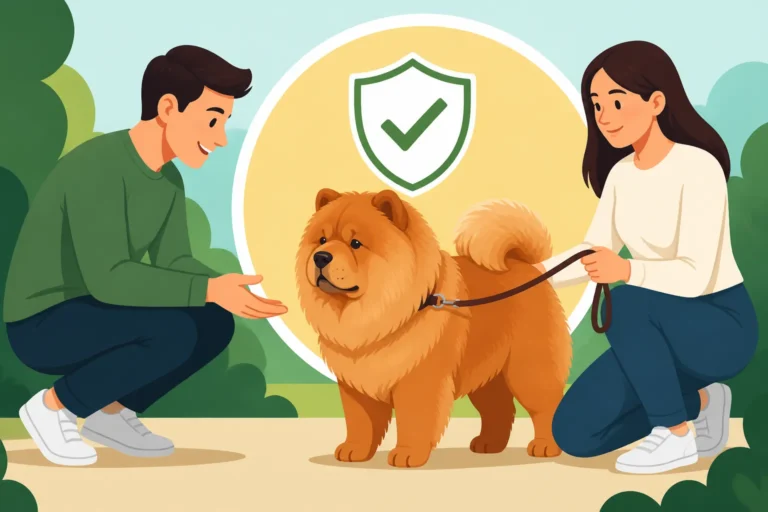
Instead of forcing, create opportunities for voluntary positive interactions. This means letting the dog approach, allowing them to sniff, and if they choose, lean into a gentle pet. The key is that the dog makes the choice.
Here's how you can facilitate this:
- Controlled Introductions: When introducing your Chow Chow to a new person, keep it calm and low-key. Ask the person to ignore your dog initially, perhaps sitting down and not making direct eye contact. This reduces pressure.
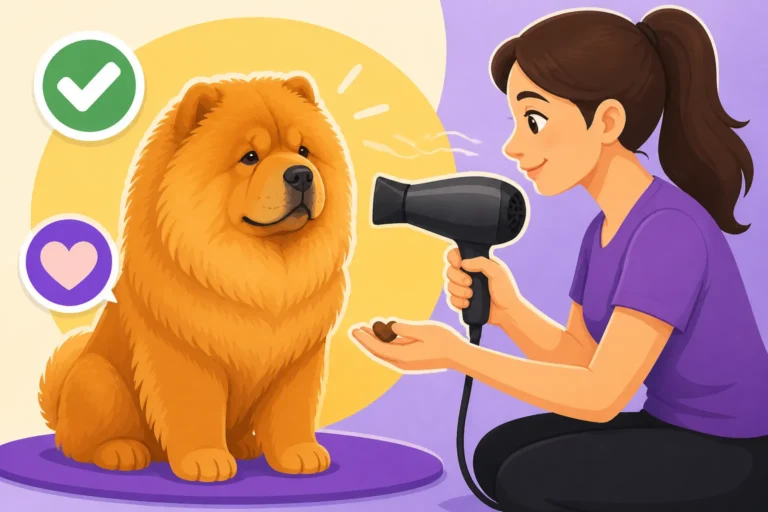
- Treats as Ambassadors: Have the new person gently toss high-value treats (think tiny pieces of cooked chicken or cheese) away from your Chow Chow, allowing the dog to approach and eat them at their own pace. This creates a positive association without direct pressure.
- Short and Sweet: Keep initial interactions brief. A few seconds of comfortable presence is far more valuable than a forced minute of stress.
- The "Consent Test": Teach guests to offer a hand for sniffing and then pause. If the Chow Chow leans in or nudges, a gentle pet on the chest or shoulder is okay. If they pull back, do not pursue. This is often taught as "pet, pet, pause."
For ongoing training, consider exploring positive reinforcement programs. Companies like BAXTER & Bella offer online puppy and dog training programs that emphasize positive methods, which can be invaluable for teaching your Chow Chow to navigate social situations on their own terms, giving them confidence and you the tools to guide them without force. Remember, building confidence and positive associations is a marathon, not a sprint. Consistency is key. You can also explore How to Introduce a Chow Chow to a Stranger for more detailed steps.
Managing the Environment for Success
Sometimes, the best solution is simply to manage the environment to prevent uncomfortable situations.
- Leash Management: Use a sturdy, comfortable harness and leash. If you're walking in a busy area, keep your Chow Chow close and be ready to create distance if needed.
- Designated "Safe Zones": At home, ensure your Chow Chow has a quiet, comfortable space they can retreat to when guests are over. Teach your guests to respect this space.
- Advocate for Your Dog: Don't be afraid to politely but firmly tell people not to approach or pet your dog if they seem uncomfortable. A simple, "Please give him space, he's not very social with strangers," is perfectly acceptable.
- Awareness of Surroundings: Because of their limited peripheral vision, always be aware of who or what is approaching your Chow Chow, especially from behind. This gives you time to react and prepare your dog. Why a Chow Chow Snaps at Someone It Did Not See explains this vision limitation.
By taking proactive steps to control the environment and advocate for your Chow Chow, you can minimize stressful encounters and ensure that any interactions they do have are positive and chosen.
When Professional Help Is Needed
Even with the best intentions and consistent positive reinforcement, some Chow Chows may exhibit more pronounced fear or reactivity towards strangers. This is not a failure on your part, but a sign that you might need additional support.
Recognizing Warning Signs
It's important to differentiate between a naturally reserved Chow Chow and one that is genuinely fearful or reactive to the point of being a danger. If your Chow Chow consistently:
- Growls, snarls, or snaps when approached by strangers, even from a distance.
- Lunges on the leash towards people.
- Freezes in place and appears extremely tense or panicked when new people are present.
- Attempts to bite or has bitten someone when feeling cornered or threatened.
These are significant warning signs that require professional intervention. Waiting to address these behaviors can lead to more serious incidents and deeper ingrained fear in your dog.
The Value of a Certified Professional Trainer
If you're noticing consistent issues, working with a certified professional dog trainer or a veterinary behaviorist who specializes in positive reinforcement and force-free methods is crucial. Avoid any trainer who suggests using punishment, intimidation, or dominance-based techniques. These methods are not only ineffective for a Chow Chow but can severely damage your bond and exacerbate fear and aggression. Find a trainer who understands the Chow Chow's unique temperament and can guide you in building your dog's confidence and teaching them appropriate coping mechanisms.
A good professional will help you understand your dog's body language, identify their triggers, and develop a tailored training plan to manage and modify their behavior safely and ethically. They can also teach you advanced handling skills and environmental management techniques. Look for trainers certified by reputable organizations that emphasize humane practices. Whether a professional trainer suits a Chow Chow is a question many owners ask, and the answer is often "yes," especially for a breed like the Chow Chow.
Considering a Fear-Free Veterinary Approach
Beyond training, consider your Chow Chow's experiences at the vet or groomer. For a reserved dog, these environments can be incredibly stressful, especially if they involve handling by unfamiliar people. Many veterinary practices now offer "Fear Free" certifications, which means their staff are trained to minimize stress, anxiety, and fear during visits. This might include:
- Using calming pheromones.
- Offering treats and positive reinforcement throughout the visit.
- Allowing dogs to stay in the car until it's their turn.
- Using gentle control techniques.
- Administering pre-visit calming medications if necessary.
For procedures like nail trims or grooming, where a Chow Chow might be particularly sensitive (especially around their rear, which many dislike being touched), finding a professional who is patient and skilled in cooperative care can make all the difference. Sometimes, sedation may even be recommended for certain exams to prevent undue stress and ensure the safety of both the dog and the staff. This approach can help maintain your Chow Chow's trust and make necessary care much less traumatic. You can read more about Whether a Chow Chow Needs a Fear Free Practice.
| Aspect | Forced Greetings | Voluntary, Positive Greetings |
|---|---|---|
| Dog's Emotional State | Increased anxiety, stress, fear, feeling trapped, potential for defensiveness | Calm, confident, feels safe, empowered, positive association with new people |
| Behavioral Outcome | Growling, snapping, biting, withdrawal, avoidance, reactivity, breakdown of trust | Calm acceptance, polite investigation, seeking interaction (rarely enthusiastic) |
| Human-Canine Bond | Eroded trust, resentment, dog perceives owner as unreliable, increased stress for owner | Strengthened trust, dog sees owner as protector, improved communication, mutual respect |
| Risk of Incident | High | Low |
| Long-Term Impact | Chronic anxiety, learned helplessness, potential for lifelong behavioral issues | Enhanced social skills, resilience, positive outlook on novel situations |
| Interaction Quality | Negative, stressful, potentially dangerous | Positive, calm, safe, respectful |
Ultimately, understanding and respecting your Chow Chow's unique personality is the cornerstone of a happy, well-adjusted dog. Forcing them to be something they're not will always backfire. By advocating for their space, allowing them choice, and using positive reinforcement, you can build a confident companion who trusts you deeply.
Disclaimer
This article is for general informational purposes only and does not constitute professional advice. Laws, prices and regulations vary by location and change over time. Consult a qualified professional for guidance on your specific situation.