How Much an Adult Chow Chow Eats
It’s a funny thing about Chow Chows – you look at their magnificent, substantial build, that dense double coat, and you might assume they’d be eating you out of house and home. But then you get one, and you realize they often eat far less than you expect, leaving many new Chow Chow owners scratching their heads about just how much an adult Chow Chow really needs to eat. This comprehensive guide is here to demystify your Chow Chow's dietary needs, helping you feed your regal companion appropriately for a long, healthy life.
Understanding the Chow Chow's Unique Metabolism and Build
Chow Chows are a breed unlike many others, and their physiology plays a significant role in their caloric requirements. They aren't the high-energy, constantly-on-the-go dogs that some other breeds are, and understanding this fundamental difference is key to their nutritional care.
Why Chow Chows Aren't Always Guzzlers
Unlike a Border Collie or a high-drive working breed that might burn through calories like wildfire, your Chow Chow is generally a more reserved and, dare I say, efficient creature. They tend to have lower overall energy levels and aren't typically candidates for jogging partners or intense agility training. This translates directly to fewer calories burned throughout the day. If your Chow Chow spends a good portion of its day napping in a cool spot or enjoying a leisurely stroll around the block, their caloric output is simply not as high as a dog that's constantly active. Owners often find themselves surprised by how little their Chow Chow seems to require to maintain a healthy weight.
Their famously dense double coat also acts as incredible insulation, which is fantastic for keeping them warm in colder climates, but it means they aren't expending extra energy trying to stay warm. In fact, in warmer weather, this insulation can make them prone to overheating, leading to even less activity to conserve energy. This natural thermal regulation further reduces their baseline energy expenditure. You're not looking at a furry furnace that needs constant fueling, but rather a more stately, energy-conserving companion.
Historically, Chow Chows were used for guarding, hunting, and even pulling carts in their native China, but these were typically tasks that required bursts of strength and endurance rather than sustained, high-speed activity. They were valued for their resilience and quiet strength, not for endless running. This historical context underpins their generally lower metabolic rate compared to many modern breeds selectively bred for high-intensity work.
The Importance of a Moderate Growth Rate for Puppies
While this article focuses on adult Chows, it's worth noting that the foundation for healthy adult feeding often begins in puppyhood. Chow Chow puppies, like many larger breeds, benefit immensely from a slower, more controlled growth rate. Rapid growth in puppies can put undue stress on developing joints, predisposing them to orthopedic issues later in life, such as Elbow Dysplasia Ranks the Chow Chow Near the Top or hip dysplasia.
This principle extends into adulthood: we don't want to encourage overeating from a young age, as it can set a precedent for a dog that struggles with weight. Teaching your Chow Chow puppy to eat appropriate portions and maintaining a lean body condition is crucial. It’s about building good habits from the start, ensuring they don't develop the expectation of endless food, which can make managing their weight as an adult much more challenging. By understanding that moderation is key from the outset, you're setting your Chow Chow up for a lifetime of better health.
How Their Stilted Gait Affects Energy Needs
One of the Chow Chow's most distinctive physical traits is its unique "stilted" gait, often described as a short, choppy stride. This is due to their relatively straight hind legs and limited angulation in their hocks. Unlike many other breeds that have significant "spring" in their step from well-angulated rear legs, a Chow Chow's movement is more deliberate and less bouncy.
While this gait is certainly charming and part of their breed signature, it's also less efficient for high-speed, sustained running or jumping. Their movement is designed for power and purpose over agility and endurance. This means that a Chow Chow typically won't engage in long, sustained runs that would burn a vast number of calories. A dog with a more athletic, flexible gait might cover the same distance but exert more energy in the process due to greater joint flexion and extension. For your Chow Chow, even a brisk walk is a different kind of workout, generally burning fewer calories than a high-stepping dog covering the same ground. This further reinforces the idea that their caloric intake needs to be carefully monitored to prevent them from becoming overweight.
General Dietary Guidelines for Adult Chow Chows
Navigating the world of dog food can feel overwhelming, with countless brands and endless advice. For your adult Chow Chow, focusing on quality, understanding their specific caloric needs, and establishing a consistent feeding schedule are paramount.
Caloric Needs: More Than Just Bag Recommendations
Here's a hard truth for many new dog owners: the feeding guidelines on dog food bags are often just a starting point, and for a Chow Chow, they can sometimes be wildly inaccurate – usually on the high side. These guidelines are typically calculated for an "average" dog of a certain weight, often assuming a higher activity level and a different metabolism than what your Chow Chow possesses. Following them blindly can quickly lead to an overweight dog.
An adult Chow Chow generally weighs between 45 and 70 pounds, but their caloric needs can vary significantly based on individual factors. For a medium-sized adult Chow Chow with a moderate activity level (think a couple of short walks a day, some yard lounging), their daily caloric intake might be on the lower end compared to other breeds of similar weight. The exact number will depend on their age, current weight, whether they are spayed or neutered, their specific activity level, and their individual metabolism. It’s not uncommon for a Chow Chow to require 10-20% less than what the average bag recommends for their weight class. This is where consulting with your veterinarian is invaluable; they can help you calculate a precise daily caloric target for your specific dog.
The Role of High-Quality Ingredients
No matter the quantity, the quality of the food you provide is crucial. "High-quality" dog food for a Chow Chow (or any dog!) generally means a formula where a named meat source (like "chicken" or "beef") is the first ingredient. You want to see whole, recognizable ingredients, not vague "meat by-products" or excessive fillers like corn, wheat, or soy, which offer little nutritional value and can sometimes trigger sensitivities. Look for foods that include a balanced mix of protein, healthy fats, complex carbohydrates (like sweet potatoes, brown rice, or oats), and essential vitamins and minerals.
Feeding a nutrient-dense, high-quality food means your Chow Chow can often get all the nutrition they need from smaller portions. This is a huge benefit for a breed that doesn't require a massive volume of food. It ensures they're getting adequate nutrients without packing on unnecessary calories. Think of it like this: a small, perfectly balanced meal is better than a large, empty one. When you're trying to compare different brands and dive into ingredient lists, reputable online retailers like Chewy and Amazon offer a wealth of information, detailed ingredient breakdowns, and customer reviews that can help you make informed choices. Many premium dog food brands also offer transparency about their sourcing and nutritional profiles on their own websites.
Recommended Feeding Schedule
For most adult Chow Chows, feeding two meals a day is ideal. This practice has several benefits. First, it helps keep their metabolism steady throughout the day, preventing them from feeling overly hungry between meals. Secondly, and perhaps more importantly for a deep-chested breed like the Chow Chow, splitting their daily food intake into two smaller meals can help reduce the risk of bloat (gastric dilatation-volvulus), a life-threatening condition where the stomach fills with gas and can twist. We'll delve more into How to Feed a Chow Chow to Reduce Bloat Risk later.
Consistency is also key. Try to feed your Chow Chow at roughly the same times each day. Dogs thrive on routine, and a predictable schedule can aid digestion and contribute to overall well-being. Pick a quiet, consistent spot for their meals, away from household chaos, to allow them to eat undisturbed. If you have multiple pets, ensure each dog has their own space to eat to prevent guarding or stress.
Factors Influencing a Chow Chow's Food Intake
Determining the exact amount of food for your Chow Chow isn't a "one size fits all" scenario. Several factors play a crucial role in dictating their individual caloric needs.
Activity Level: The Biggest Variable
When it comes to how much your Chow Chow should eat, their activity level is arguably the most significant factor. We've already established that Chows are generally not canine athletes, but there's still a spectrum of activity within the breed.
Consider these scenarios:
- The Couch Potato: Some Chows are truly content to be glorified throw rugs, moving from one sunny spot to another with minimal effort. If your Chow Chow's main form of exercise is a brief potter in the yard and a short, slow walk once a day, their caloric needs will be on the very low end of the spectrum. They are experts at conserving energy, especially with that thick coat.
- The Daily Walker: This is perhaps the most common activity level for an adult Chow Chow. If your dog enjoys one or two moderate walks a day – perhaps 20-30 minutes at a leisurely pace – and some playtime in a secure yard, they'll require a bit more fuel than the extreme couch potato. Even so, "moderate" for a Chow Chow is still often less intense than for many other breeds.
- The More Active Chow: While less common, some Chow Chows do enjoy longer, more vigorous walks, perhaps a hike on a cool day, or regular, structured training sessions. These dogs will naturally burn more calories and require a slightly higher food intake. However, it's crucial to remember that their thick coat and brachycephalic (short-nosed) tendencies mean they are highly susceptible to overheating, especially in warm weather. Always be mindful of the temperature and humidity, as Why a Chow Chow Overheats So Easily is a serious concern.
It's vital to be honest about your dog's actual activity level, not what you wish it was. Overestimating their exercise can lead to overfeeding. You can find more specific guidance on their exercise needs in our article, How Much Exercise a Chow Chow Actually Needs. Remember, even a small difference in food intake, compounded daily, can lead to significant weight gain over time.
Age and Life Stage
A Chow Chow's dietary needs will shift significantly as they move through different life stages:
- Puppyhood: Growing Chow Chow puppies require more calories and specific nutrient balances to support their rapid development. However, as discussed, it's about controlled growth, not overfeeding, to protect their joints. They typically eat more frequently and consume more calories per pound of body weight than adults.
- Adulthood: Once your Chow Chow reaches maturity (usually between 12-18 months of age, though physically they might fill out until 2-3 years), their caloric needs will stabilize. They move from growth-supporting diets to maintenance diets. This is the period we're focusing on in this guide.
- Senior Years: As your Chow Chow enters their senior years (typically around age 7-8, which you can learn more about in The Age a Chow Chow Is Considered Senior), their metabolism often slows down, and their activity levels may decrease. This means they will likely require fewer calories to maintain a healthy weight. Many senior dog foods are formulated with lower calorie counts and often include joint support supplements. It’s crucial to monitor their weight closely and adjust their food downwards as needed to prevent obesity, which can exacerbate age-related joint issues.
Spaying/Neutering and Its Impact
Spaying or neutering your Chow Chow can have a notable effect on their metabolism. After these procedures, many dogs experience a decrease in their metabolic rate. This means they don't burn calories as efficiently as they did before, and if their food intake isn't adjusted, they can easily gain weight.
It's not uncommon for Chow Chows to put on a few pounds in the months following their surgery. To combat this, you'll likely need to reduce their daily food portion by about 10-20% or switch to a "weight management" formula that's lower in calories. Monitoring their weight and body condition closely during this time is essential to prevent excess weight gain that can become difficult to shed later.
Health Conditions and Dietary Adjustments
Certain health conditions can also influence your Chow Chow's appetite and dietary needs, sometimes requiring specialized veterinary diets.
For instance:
- Thyroid Issues: Chow Chows can be prone to autoimmune thyroiditis, which leads to an underactive thyroid (hypothyroidism). One of the common Signs a Chow Chow's Thyroid Is Low is unexplained weight gain despite a normal or reduced food intake. Dogs with hypothyroidism will often require medication and their diet might need careful adjustment, though the medication usually addresses the metabolic issue.
- Allergies/Sensitivities: Some Chows might develop food allergies or sensitivities, which can manifest as skin issues or digestive upset. In these cases, a veterinarian might recommend a limited ingredient diet or a hydrolyzed protein diet.
- Joint Conditions: While food itself isn't a direct treatment for conditions like elbow or hip dysplasia, maintaining a lean body weight is crucial to minimize stress on affected joints. Overweight Chows with joint issues will experience more pain and progression of the disease.
- Autoimmune Diseases: In more complex cases, such as Autoimmune Disease in a Chow Chow, specific dietary changes might be part of a broader treatment plan.
Any time your Chow Chow's appetite changes drastically, they lose or gain weight unexpectedly, or they are diagnosed with a health condition, it's imperative to consult with your veterinarian. They can provide tailored advice, recommend specific veterinary diets if necessary, and ensure that any dietary changes support their overall health and treatment plan. Never attempt to diagnose or treat a health condition with dietary changes alone without professional guidance.
Common Chow Chow Feeding Challenges and Solutions
Feeding a Chow Chow isn't always straightforward. Their independent nature and unique physical attributes can present a few common challenges for owners.
The Fussy Eater: Why Chows Can Be Picky
If you've ever owned a Chow Chow, you might have noticed that they can be incredibly particular about their food. They're not always the enthusiastic, bowl-diving eaters that some breeds are. This pickiness often stems from their independent and discerning nature, which extends to their palate. They can quickly become bored with the same food day in and day out, or simply turn up their nose at something they deem uninteresting.
Dealing with a fussy Chow Chow requires patience and a strategic approach. Constantly switching foods every time they show disinterest can inadvertently teach them that holding out will get them something better, reinforcing the picky behavior. Instead, try these tactics:
- Rotate Proteins: If your Chow Chow eats a specific brand, try rotating between different protein sources within that brand's line (e.g., chicken, lamb, beef). This offers variety without completely changing the food formulation.
- Add Healthy Toppers: A small amount of something enticing can often do the trick. A spoonful of plain, unsweetened pumpkin puree, a dash of low-sodium chicken broth, a few pieces of plain cooked chicken, or some scrambled egg can make their regular kibble much more appealing. Just remember that toppers add calories, so adjust their main meal portion accordingly.
- Don't Free Feed: Leaving food out all day allows a picky eater to graze or ignore their meal entirely. Instead, put their food down for 15-20 minutes. If they don't eat it, pick it up and offer it again at the next mealtime. They'll eventually learn that food is available at specific times.
- Check for Underlying Issues: Sometimes, pickiness can be a sign of a dental problem or a mild digestive upset. If your Chow Chow's pickiness is new or accompanied by other symptoms, a vet check-up is always a good idea.
Managing Weight: Keeping a Chow Lean
Keeping a Chow Chow at a healthy weight is one of the most critical aspects of their care, and it can be surprisingly challenging. Their dense, voluminous double coat is magnificent, but it also acts as a clever disguise, making it very difficult to visually assess their true body condition. You might think your Chow is perfectly proportioned, only to discover a layer of extra padding beneath all that fur. Our article on How to Feel a Chow Chow's Ribs Under the Coat goes into more detail on this.
Obesity in Chow Chows can exacerbate joint problems, contribute to heat intolerance, and generally shorten their lifespan. Here are some strategies for effective weight management:
- Portion Control is Paramount: This is non-negotiable. Use a dedicated measuring cup for every meal. Don't eyeball it. A quarter-cup difference per day can add up to several pounds over a year.
- Healthy Treats: Treats count! Many owners underestimate the caloric contribution of treats. Opt for low-calorie options like small pieces of plain cooked vegetables (carrots, green beans), plain cooked chicken, or specific low-calorie commercial treats. Better yet, use a portion of their daily kibble as training rewards.
- Regular, Appropriate Exercise: Even if they're not marathon runners, consistent daily exercise is important. This means daily walks (adjusted for weather), gentle play, and mental stimulation.
- Consider Pre-Portioned or Fresh Options: Some services like Ollie offer pre-portioned, fresh dog food tailored to your dog's specific caloric needs, taking a lot of the guesswork out of feeding. While a larger upfront cost, it can be a fantastic way to ensure precise nutrition.
- Regular Vet Check-ups: Your veterinarian can accurately weigh your Chow Chow and assess their body condition, helping you adjust their diet as needed.
Bloat Risk and Feeding Practices
The Chow Chow, like many deep-chested breeds, is at a higher risk for Gastric Dilatation-Volvulus (GDV), commonly known as bloat. This is an acute, life-threatening condition where the stomach fills with gas, expands, and often twists, cutting off blood supply. It's a terrifying emergency that requires immediate veterinary intervention. You can learn more about this serious condition in Whether a Chow Chow Bloats.
While the exact causes of bloat are complex and not fully understood, certain feeding practices are believed to reduce the risk:
- Multiple Smaller Meals: As mentioned earlier, feeding two or even three smaller meals a day instead of one large one is often recommended. This prevents the stomach from becoming overly distended at any one time.
- Slow Down Eating: If your Chow Chow tends to gobble their food, consider using a slow-feeder bowl. These bowls have obstacles that force the dog to eat more slowly, reducing the amount of air they swallow.
- Avoid Exercise Around Mealtime: Do not engage in strenuous exercise, active play, or excitement immediately before or after meals. Wait at least an hour before and after feeding for any significant activity.
- Elevated Bowls: The effectiveness of elevated bowls in preventing bloat is a topic of ongoing debate, with some studies suggesting they might actually increase risk in certain breeds. Consult your veterinarian for their most current recommendations on elevated bowls for your Chow Chow.
- Limit Water Before/After Meals: While fresh water should always be available, try to avoid your Chow Chow gulping down large quantities of water immediately after eating.
- Pexy Surgery: For high-risk breeds, a prophylactic gastropexy (stomach tacking surgery) can be performed to permanently attach the stomach to the abdominal wall, preventing it from twisting. This is often done at the same time as spaying or neutering. Discuss this option with your vet, especially if your Chow Chow has a close relative who suffered from bloat.
For a deeper dive into preventive measures, be sure to read our dedicated guide: How to Feed a Chow Chow to Reduce Bloat Risk.
Calculating and Adjusting Your Chow Chow's Portions
The journey to finding the "just right" amount of food for your Chow Chow involves a bit of observation, measurement, and adjustment. It’s a dynamic process, not a static calculation.
Starting with a Baseline
When you first bring home an adult Chow Chow or switch their food, you'll need a starting point. The dog food bag's recommendations, despite their flaws, are generally the place to begin – but approach them with caution. Start by feeding at the lower end of the recommended range for your Chow Chow's ideal adult weight. For example, if the bag says 2-3 cups for a 50lb dog, start with 2 cups, or even slightly less, divided into two meals.
The absolute golden rule here is to measure every single meal with a standard kitchen measuring cup. Do not "eyeball" it. Even a small handful extra per meal, twice a day, every day, can lead to significant weight gain over time. Consistency in measurement is non-negotiable for accurate portion control.
The Body Condition Score (BCS)
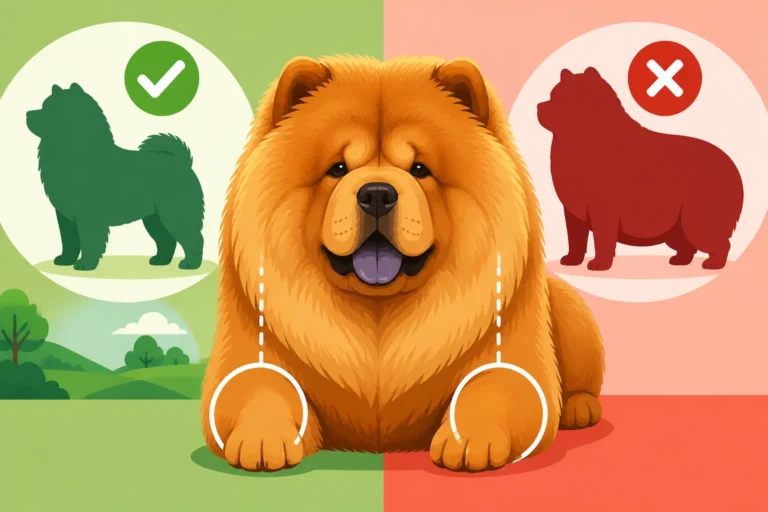
Because their magnificent coat can hide a multitude of sins (or pounds!), visually assessing your Chow Chow's weight is incredibly difficult. This is where the Body Condition Score (BCS) comes in handy. It's a hands-on method to evaluate your dog's fat reserves and muscle mass, usually on a scale of 1-5 or 1-9. Your goal is for your Chow Chow to be in the middle, an ideal 3/5 or 4-5/9.
Here’s how to check your Chow Chow's BCS, despite that plush coat:
- Ribs: Gently run your hands along your Chow Chow's sides, over their rib cage. In an ideal body condition, you should be able to easily feel their ribs, but not see them. They should feel like running your hand over the knuckles of your loosely clenched fist. If you have to press hard to feel them, or can't feel them at all, your Chow is likely overweight. If you can see their ribs, they might be underweight.
- Waistline: Stand over your Chow Chow and look down at their back. You should ideally see a slight tuck-in behind their ribs, creating a discernible waist, though this can be very subtle under their coat. Then, kneel behind them and look at them from eye level. Their belly should tuck up slightly, rather than hanging low or being perfectly straight.
- Spine: Gently run your hands along their spine. You should be able to feel the bumps of the vertebrae without pressing hard, but they shouldn't be sharply protruding.
It takes practice, especially with a Chow's coat, but learning to regularly feel for these markers is far more accurate than just looking at them.
Here's a simplified Body Condition Score table:
| Score (1-5) | Description | What You Feel/See (Chow Chow Adjusted) | Action |
|---|---|---|---|
| 1 (Too Thin) | Ribs, spine, pelvic bones easily visible & felt. | Ribs, spine very easily felt/visible even under fur. | Increase food intake slowly; vet check. |
| 2 (Underweight) | Ribs, spine easily felt; minimal fat. | Ribs, spine easily felt; slight visible waist/tuck. | Increase food intake slightly; monitor. |
| 3 (Ideal) | Ribs felt without pressure; visible waist tuck. | Ribs easily felt; subtle waist tuck/belly lift. | Maintain current feeding. |
| 4 (Overweight) | Ribs difficult to feel; no waist tuck; fat over spine. | Ribs felt only with firm pressure; no discernable waist. | Decrease food by 10%; increase exercise. |
| 5 (Obese) | Ribs not felt; heavy fat deposits; no waist/tuck. | Ribs not felt; no waist; heavy, rounded appearance. | Significant food decrease (20%+); vet consultation. |
Monitoring and Adjusting
Once you have your baseline and know how to check their BCS, the ongoing process is all about monitoring and making small, consistent adjustments.
- Weigh Regularly: For puppies, weekly weighing is crucial. For adult Chows, a monthly weigh-in at home or at the vet can be helpful. This provides objective data that complements your BCS assessment. Many vet clinics are happy for you to pop in just to use their scale.
- Observe Changes: Is your Chow Chow gaining weight? Are they looking a bit too lean? Adjust their food by small increments, typically 10-20% at a time. For example, if they're gaining weight, reduce their daily intake by about 10% for a few weeks, then re-evaluate.
- Patience is Key: Weight loss or gain should be gradual. Rapid changes in diet can cause digestive upset. Give your Chow Chow a few weeks on an adjusted diet before deciding if further changes are needed.
- Vet Consultation: If you're struggling to manage their weight, if they're not eating, or if there's any concern about their health, always consult your veterinarian. They can rule out underlying medical conditions and provide personalized guidance.
Remember, a lean Chow Chow is a healthier, more comfortable Chow Chow. While they are expensive to own over their Twelve Years of a Chow Chow, Priced Out, investing in proper nutrition and weight management is one of the best ways to ensure a good quality of life.
Treats, Supplements, and Hydration
Beyond the main meals, treats, supplements, and water all play important roles in your Chow Chow's overall nutrition and well-being.
Healthy Treats in Moderation
It’s hard to resist those expressive eyes and fluffy face when your Chow Chow wants a treat, but it's crucial to remember that every treat contributes to their daily caloric intake. Treating indiscriminately is one of the quickest ways to accidentally overfeed a Chow Chow.
- Calories Count: Even small treats add up. If you're using treats for training, factor them into their daily food allowance. You can even use a portion of their measured kibble as training treats throughout the day.
- Opt for Low-Calorie Options: Instead of rich, fatty biscuits, consider these healthier alternatives:
- Small pieces of cooked lean meat (chicken breast, turkey).
- Plain, unsweetened fruits and vegetables (carrots, green beans, apple slices without seeds, blueberries). Always check if a fruit or vegetable is safe for dogs before offering it.
- Small bits of cheese (in very limited quantities due to fat content).
- Commercial low-calorie dog treats.
- "High-Value" Treats for Training: For more challenging training or motivation, a truly high-value treat (like a tiny piece of cooked hot dog or liverwurst) can be effective. Just use them sparingly and for specific purposes.
When looking for healthy treat options, online stores like Chewy and Amazon offer a vast selection, allowing you to easily compare ingredients and caloric information to make informed choices.
When Are Supplements Necessary?
For most adult Chow Chows fed a high-quality, complete, and balanced commercial dog food, additional supplements are generally not necessary. Reputable dog foods are formulated to provide all the essential nutrients your dog needs. Adding extra vitamins and minerals without a clear deficiency can actually be harmful.
However, there are specific situations where a veterinarian might recommend supplements:
- Joint Support: As Chows age, or if they have known orthopedic issues like hip or elbow dysplasia, your vet might suggest joint supplements containing glucosamine, chondroitin, or MSM. These can help support cartilage health and reduce inflammation.
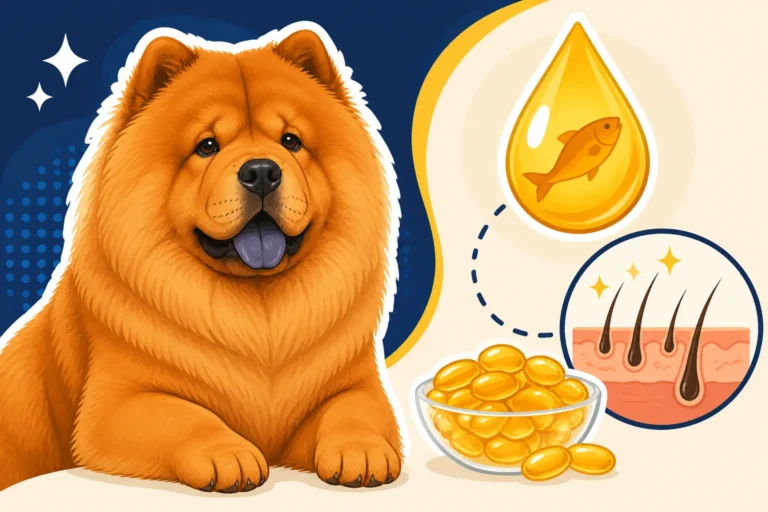
- Omega Fatty Acids: Fish oil, rich in Omega-3 fatty acids, can be beneficial for skin and coat health, and may have anti-inflammatory properties. This can be particularly helpful for a breed with such a dense coat and potential for skin issues.
- Specific Deficiencies: In rare cases, if your Chow Chow has a diagnosed deficiency due to a medical condition or a specific dietary need, your vet might prescribe a targeted supplement.
The key takeaway here is: never give your Chow Chow supplements without first consulting your veterinarian. They can assess your dog's individual needs, recommend appropriate products and dosages, and ensure that any supplements won't interact negatively with existing medications or health conditions.
The Importance of Fresh Water
Water is perhaps the most overlooked but utterly vital nutrient for your Chow Chow. Consistent access to fresh, clean water is non-negotiable for their overall health, digestion, and temperature regulation.
- Hydration is Key: Water aids in nutrient absorption, waste elimination, and maintaining bodily functions.
- Temperature Regulation: Given their thick double coat and their tendency to overheat, especially in warm weather, adequate hydration is paramount. Why a Chow Chow Overheats So Easily explains this in detail. Ensuring they have plenty of cool water helps them regulate their body temperature. You might even consider adding ice cubes to their water bowl on hot days.
- Watch for Excessive Thirst: While it’s good for your Chow to drink, excessive thirst can sometimes be a symptom of underlying health issues, such as kidney problems (e.g., Signs a Chow Chow Puppy Is Drinking Too Much) or diabetes. If you notice a significant increase in water intake, it’s always wise to mention it to your vet.
Keep multiple water bowls around your home, especially if you have a larger house or multiple stories. Clean their water bowls daily to prevent bacterial growth. Consider a ceramic or stainless steel bowl over plastic, as plastic can harbor bacteria and sometimes cause chin acne. Investing in a water fountain can also encourage some dogs to drink more, as they are often attracted to running water.
Disclaimer
This article is for general informational purposes only and does not constitute professional advice. Laws, prices and regulations vary by location and change over time. Consult a qualified professional for guidance on your specific situation.